
Becoming a skydiver is a dream for many people who love adventure and want to experience the thrill of flying. If you’re thinking about skydiving, you might wonder what licenses you need and how to get them. The process may look confusing at first, but it’s easier to understand if you break it down step by step.
Knowing the right licenses not only keeps you legal but also ensures your safety in the sky. This guide will show you everything you need to know about skydiving licenses, including requirements, progression, and what each license allows you to do.

Today's Exclusive Deals
Limited-time Exclusive Deals. Check current discount on Amazon.
Check Price on Amazon As an Amazon Associate I earn from qualifying purchases.Why Are Skydiving Licenses Important?
Skydiving is not just about jumping out of a plane for fun. There are real risks involved. That’s why every country has strict rules about who can skydive alone, jump with others, or teach new jumpers. Licenses prove you have the skills and knowledge to handle different situations in the air. They help drop zones and instructors trust you, and they open the door to more advanced jumps, events, and even competitions.
The Skydiving License System
Most countries follow a similar license structure, but the United States Parachute Association (USPA) system is the most widely recognized. If you travel internationally, your USPA license is often accepted in other countries. Other big organizations like the British Parachute Association (BPA) and Australian Parachute Federation (APF) use similar systems. This article will focus on the USPA system, but the main ideas apply worldwide.
There are four main skydiving licenses: A, B, C, and D. Each one shows a higher level of skill and experience. Let’s look at what you need for each license and what you can do with them.
The Uspa A License: Your First Step
The A license is your entry ticket to skydiving independence. It proves you know how to jump safely without direct supervision.
Requirements For The A License
To earn your A license, you must:
- Be at least 18 years old (in most countries).
- Complete a First Jump Course (ground school).
- Finish 25 jumps with proper training.
- Show basic freefall and canopy skills.
- Pass a written exam and an oral test.
- Make at least 5 jumps with full altitude exits.
- Land within a set distance of a target (usually 20 meters/66 feet).
- Get signatures from a USPA instructor.
What You Can Do With An A License
With an A license, you can:
- Jump without supervision at most drop zones.
- Pack your own parachute.
- Start learning basic group jumps.
- Join skydiving clubs and events.
- Rent gear at most drop zones.
Non-obvious Insights For Beginners
Many people don’t realize that most accidents in early jumps happen during landing. A license training gives you special landing practice. Also, your first 25 jumps usually include both solo and instructor-assisted jumps, so you get a mix of support and independence.
The Uspa B License: Moving Forward
After getting the A license, you might want to improve your skills or do more advanced jumps. The B license is the next step.
Requirements For The B License
To get a B license, you need:
- 50 jumps total.
- At least 30 minutes of freefall time (cumulative).
- Complete all A license requirements.
- Pass the water training (simulated water landing).
- Demonstrate group jump skills (basic formation skydiving).
- Show accuracy by landing within 10 meters (33 feet) of a target for 10 jumps.
What You Can Do With A B License
The B license lets you:
- Jump at night (after extra training).
- Join more advanced skydiving events.
- Take a coach course to start teaching others.
- Try new skydiving styles, like tracking or wingsuit flying (with extra instruction).
Extra Insights
Many skydivers don’t know that a B license makes you eligible for night jumps, but you must have extra briefings and gear like chem lights or illuminated altimeters. Also, some drop zones require a B license for advanced group jumps.
The Uspa C License: Advanced Skills
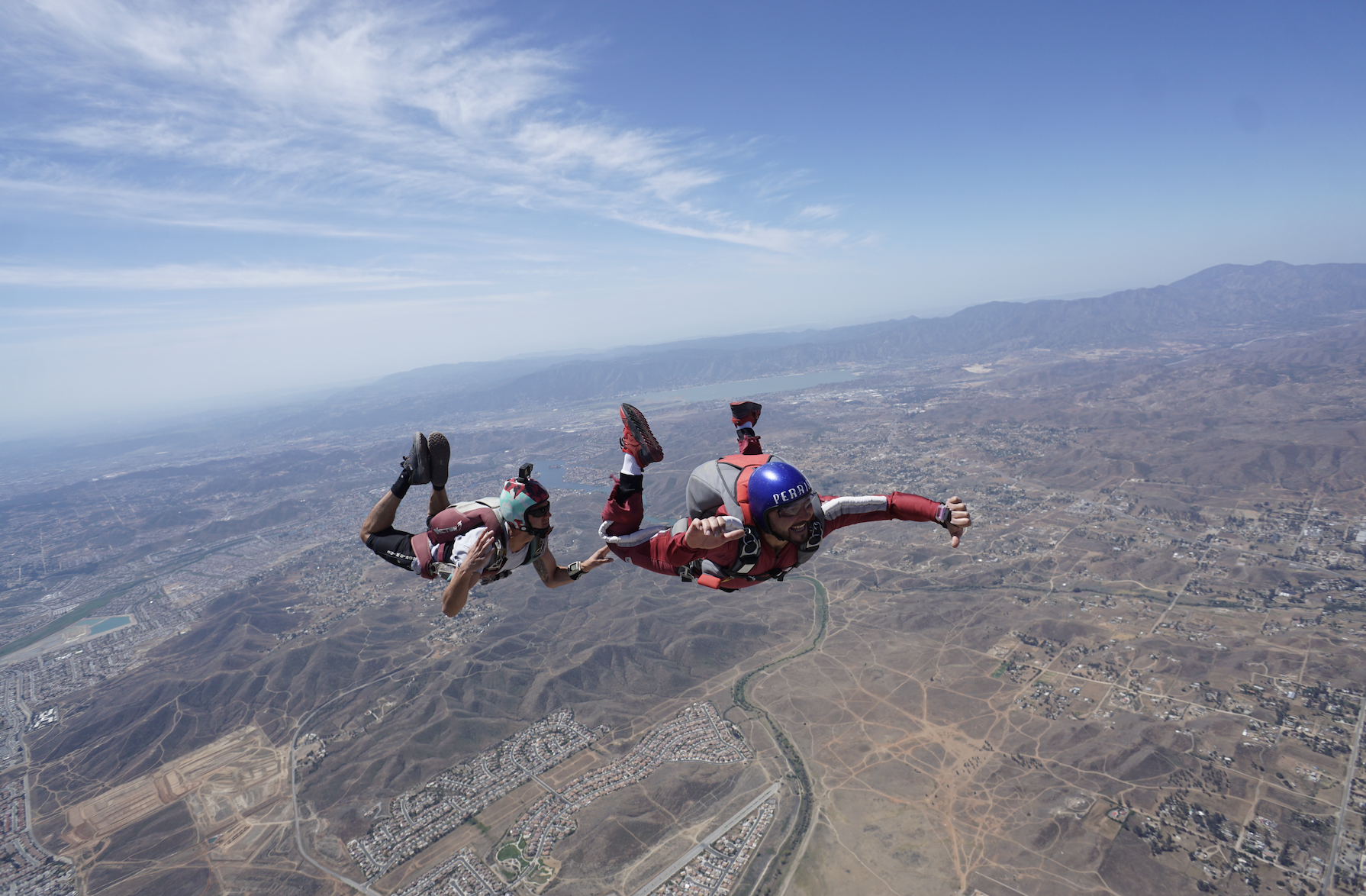
The C license shows you are a skilled, reliable skydiver. It opens many new opportunities.
Requirements For The C License
To qualify for a C license, you must:
- Have at least 200 jumps.
- Log a minimum of 60 minutes of freefall.
- Complete all B license requirements.
- Pass a canopy formation test.
- Show landing accuracy within 5 meters (16.5 feet) on 25 jumps.
- Pass the C license written test.
What You Can Do With A C License
A C license allows you to:
- Jump with a camera (often required for skydiving photography/videography).
- Participate in larger group jumps and some competitions.
- Do demonstration jumps (with extra training).
- Qualify for more advanced instructor ratings.
Advanced Tip
A C license is often a minimum for camera flying. Many people rush to buy a GoPro, but using a camera before you’re ready can distract you and create safety issues. Training helps you avoid these mistakes.
The Uspa D License: The Highest Level
The D license is the top achievement for most skydivers. It proves you have deep experience and skill.
Requirements For The D License
To earn a D license, you need:
- Complete 500 jumps.
- Log at least 3 hours of freefall.
- Meet all C license requirements.
- Pass the D license written test.
- Show advanced skydiving skills.
What You Can Do With A D License
The D license lets you:
- Take on almost any jump, including demonstration jumps over crowds (with extra paperwork).
- Qualify for all instructor ratings.
- Set or join world records.
- Lead big-way formations.
What Beginners Miss
Some think a D license means you’re “done learning. ” In reality, the learning never stops, but the D license does open the door to becoming a professional, like a tandem instructor or AFF (Accelerated Freefall) instructor.
A Quick Comparison Of Uspa Licenses
To make things clearer, here’s a side-by-side look at the main requirements and privileges:
| License | Jumps Needed | Freefall Time | Main Privileges |
|---|---|---|---|
| A | 25 | Basic | Solo jumps, basic groups |
| B | 50 | 30 min | Night jumps, coach training |
| C | 200 | 60 min | Camera, demos, comps |
| D | 500 | 3 hours | All jumps, lead big-ways |
The Aff And Tandem Certifications
The main licenses (A-D) prove your skills as a solo skydiver. But there are special ratings for teaching or taking others.
Aff Instructor Rating
To become an AFF (Accelerated Freefall) instructor, you need:
- A C or D license (depending on the country)
- Minimum jump numbers
- Pass the AFF instructor course
This rating lets you teach new students and jump with them as they learn.
Tandem Instructor Rating
This is for those who want to take tandem students (where an instructor and a student use the same parachute system). Requirements include:
- D license
- Many jumps (often 500+)
- Tandem instructor course
These ratings are not the same as the main licenses. They are for those who want to teach or work professionally.
How To Start: The First Jump Course
Everyone starts with a First Jump Course. This ground school covers:
- Gear basics
- Safety rules
- Freefall body position
- How to deploy and land your parachute
- Emergency procedures
Most drop zones use AFF or static line training. AFF is more common and involves jumping with instructors from the start.
Age, Health, And Other Requirements
- Minimum age: Usually 18 years old
- Maximum age: None, but you must be healthy
- Medical form: Most drop zones ask for a health declaration or a doctor’s note, especially if you have a medical condition
Some countries allow younger people with parental consent, but this is rare.
Other Skydiving Licenses Worldwide
Although the USPA system is most common, other countries have similar systems. For example:
- BPA (UK): A, B, C, D, but slightly different requirements
- APF (Australia): A, B, C, D, and special student levels
- Fédération Française de Parachutisme (France): Uses Brevet A/B/C
If you travel, check with the drop zone in advance. They may accept your USPA license or ask you to take a short safety class.
Special Licenses And Endorsements
Some skydivers get extra endorsements, such as:
- Wingsuit endorsement
- Canopy formation rating
- Coach rating
These are not required for solo jumping but let you do special skydiving activities.
What Happens If You Jump Without A License?
Jumping without a license is illegal at most drop zones. You might be stopped, fined, or banned. Insurance also won’t cover you if you have an accident. More importantly, unlicensed jumps are much more dangerous.
Common Mistakes Beginners Make
- Skipping ground training: Some think they can learn everything in the air. Ground training saves lives.
- Rushing through licenses: Quality is more important than speed. Take time to master each skill.
- Not logging jumps properly: Accurate logbooks are required for each license.
- Ignoring medical advice: Skydiving demands fitness and honesty about health.
Costs And Time Needed
Skydiving is not cheap. To get an A license can cost $3,000–$4,000 USD, including training, gear rental, and jump fees. Each higher license is cheaper, as you pay mostly for jump tickets. Most people get an A license in a few weeks if they jump often, but it can take months if you go slower.
Here’s a quick cost and time comparison:
| License | Average Cost (USD) | Typical Time Needed |
|---|---|---|
| A | $3,000–$4,000 | 2–8 weeks |
| B | $1,000–$2,000 | 1–6 months |
| C | $2,000+ | 1–2 years |
| D | Varies | 2–5 years |
Buying your own gear (helmet, altimeter, jumpsuit, main and reserve parachute) can add another $3,000–$8,000. Many beginners rent or buy used gear at first.
How To Maintain Your License
Skydiving licenses do not expire, but you must stay current. If you don’t jump for a long time (usually 6 months or more), you might need to do a re-currency jump with an instructor. It’s good practice to review your gear and safety knowledge often.
Where To Learn More
If you want detailed rules and requirements, visit the official USPA website. It’s the best source for up-to-date information.
Frequently Asked Questions
What Is The First License I Need To Skydive Alone?
You need the USPA A license (or its international equivalent). This allows you to jump without direct instructor supervision.
Can I Skydive Without Any License?
You can make a tandem jump (with an instructor), but you cannot skydive solo or with groups without a license.
How Long Does It Take To Get A Skydiving License?
Most people earn an A license in 2 to 8 weeks if they jump regularly. It can take longer if you jump less often.
Are Skydiving Licenses Valid In Every Country?
Most countries recognize USPA licenses, but some may ask you to take a safety class or convert your license. Always check with the drop zone before traveling.
How Much Does It Cost To Become A Licensed Skydiver?
Getting an A license costs about $3,000–$4,000 USD. Higher licenses cost more, mostly in jump tickets and gear.
Starting your skydiving journey is exciting and challenging. Getting the right licenses not only keeps you safe but also opens the door to a lifetime of adventure. With each step, you gain new skills, confidence, and friends in the skydiving community.
Take your time, learn well, and enjoy the ride.

