
Every year, millions of people around the world dream of flying. For some, this dream becomes a reality through thrilling air sports like skydiving and parachuting. At first glance, these activities may seem identical—both involve jumping from the sky and using a parachute. But in reality, they are quite different. Many beginners, and even some seasoned adventurers, use the terms interchangeably. This can cause confusion, especially when you are booking a jump or learning about the sport.
If you’ve ever wondered what sets skydiving apart from parachuting, you’re not alone. This article will give you a clear, detailed explanation of the differences between the two, using simple language and real examples. You’ll learn about their origins, techniques, equipment, safety measures, and even the unique feelings each experience offers.

Today's Exclusive Deals
Limited-time Exclusive Deals. Check current discount on Amazon.
Check Price on Amazon As an Amazon Associate I earn from qualifying purchases.By the end, you’ll know exactly what makes skydiving and parachuting special—and which one might be right for your next adventure.
What Is Skydiving?
Skydiving is one of the most exciting air sports in the world. It involves jumping from an aircraft—usually at an altitude of 10,000 to 15,000 feet (3,000 to 4,500 meters)—and experiencing a period of freefall before opening your parachute. During freefall, skydivers can reach speeds of up to 120 miles per hour (193 km/h). This stage lasts for about 30 to 60 seconds, depending on the jump altitude.
After freefall, the skydiver deploys a parachute, usually at around 2,500 to 5,000 feet (760 to 1,500 meters), and then glides safely to the ground. Many skydivers perform tricks, formations, or even group jumps during freefall. It’s not just about falling—it’s about enjoying the sensation, controlling your body, and sometimes creating amazing shapes in the sky.
Skydiving is often done for sport, recreation, or competition. There are different styles, including:
- Tandem skydiving: A beginner jumps while attached to an experienced instructor.
- Solo skydiving: For trained jumpers, where you control your own parachute.
- Formation skydiving: Groups create patterns while freefalling.
- Wingsuit flying: Jumpers wear special suits that allow them to glide longer distances.
What Is Parachuting?
Parachuting is the broader term that describes the act of jumping from a height and using a parachute to slow down your descent. Parachuting can happen from airplanes, helicopters, or even from fixed objects like buildings (BASE jumping). The main goal is a safe landing using a parachute. Parachuting can be a sport, a military operation, or a life-saving emergency action.
Unlike skydiving, parachuting does not always involve an extended freefall. In many cases, especially in military or rescue situations, the parachute is deployed almost immediately after the jump. This means the person spends most of the descent gently floating to the ground, with little or no freefall.
Parachuting can include:
- Military parachuting: Used for troop deployment, cargo drops, or rescue missions.
- Static line jumps: The parachute opens automatically as soon as the jumper exits the aircraft.
- Sport parachuting: Recreational jumps, often with short or no freefall.
- Emergency parachuting: Used to escape from aircraft in distress.
Key Differences Between Skydiving And Parachuting
Understanding the main differences can help you choose the right activity and avoid confusion. Below is a simple comparison:
| Aspect | Skydiving | Parachuting |
|---|---|---|
| Purpose | Sport, recreation, competition | Sport, military, emergency |
| Freefall | Yes, usually 30–60 seconds | Rare or very short |
| Parachute Deployment | After freefall, at lower altitude | Usually immediate or automatic |
| Jump Altitude | 10,000–15,000 feet | 2,500–5,000 feet (often lower) |
| Equipment | Sport parachute, jumpsuit, helmet | Parachute, sometimes no special gear |
| Experience | Often thrilling, adrenaline rush | Calm, controlled descent |
Origins And History
The Birth Of Parachuting
The concept of parachuting dates back to the 15th century, when Leonardo da Vinci sketched a design for a parachute. The first recorded parachute jump was by André-Jacques Garnerin in 1797, who leapt from a hot air balloon using a canvas canopy.
Parachuting became practical and popular in the 20th century, especially during World War II. Military forces used it to drop soldiers and supplies behind enemy lines. Civilian parachuting for fun or sport came later, as parachute technology improved.
The Rise Of Skydiving
Skydiving as a sport started to develop in the 1950s and 1960s, after World War II. With better parachutes and safer equipment, people began to enjoy the thrill of freefall—not just the descent with a parachute. The term “skydiving” was first used in the United States in the 1950s to describe this new, adrenaline-filled sport.
Today, there are thousands of skydiving centers worldwide, and the sport is recognized by organizations like the International Parachuting Commission.
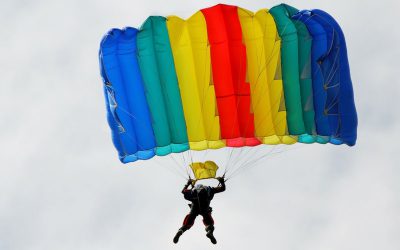
Equipment: How It Differs
The equipment for skydiving and parachuting may look similar, but there are important differences.
Skydiving Gear
- Sport parachute: Designed for stability, speed, and precise control.
- Main and reserve parachute: Two parachutes are required for safety.
- Automatic Activation Device (AAD): Opens the reserve parachute if the main one fails or the skydiver loses consciousness.
- Altimeter: Measures altitude, helps decide when to deploy the parachute.
- Jumpsuit and helmet: Streamlined for comfort during freefall.
- Goggles and gloves: For protection at high speeds.
Parachuting Gear
- Military parachute: Built for reliability, can carry heavy loads or multiple people.
- Static line system: Used to automatically open the parachute as soon as the jumper exits.
- Basic helmet: For protection, but often less technical.
- Minimal or no jumpsuit: In emergency or military jumps, uniforms may be worn instead.
Skydiving equipment is often lighter, more aerodynamic, and focused on performance. Parachuting gear, especially in the military, is focused on safety and reliability.
Training And Certification
Learning To Skydive
Skydiving requires proper training. Most people start with a tandem jump, where an instructor handles everything. After that, you can take courses like Accelerated Freefall (AFF), where you learn to control your body and parachute. It usually takes several jumps to get certified as a solo skydiver.
- Minimum age: Usually 18 years old
- Medical requirements: Must be in good health
- Certification: Must pass written and practical exams
Parachuting Training
Military parachuting has strict training, focusing on safety and discipline. Civilian sport parachuting (with no freefall) requires less training. Static line jumps are popular for beginners, as the parachute opens automatically.
- Minimum age: Varies (military, sometimes 16+)
- Medical requirements: Often strict, especially in the military
- Certification: Required for military, optional for civilian sport jumps
Types Of Jumps
There are several kinds of jumps in both skydiving and parachuting. The main difference is how and when the parachute is opened.
| Type of Jump | Description | Skydiving or Parachuting? |
|---|---|---|
| Tandem Jump | Beginner attached to an instructor; freefall then parachute | Skydiving |
| Solo Freefall | Individual jumps, controls own parachute after freefall | Skydiving |
| Formation Skydive | Groups create shapes in freefall | Skydiving |
| Static Line Jump | Parachute opens automatically on exit | Parachuting |
| Military Jump | Troops or cargo dropped, parachute opens immediately | Parachuting |
| BASE Jump | Jump from fixed objects, short freefall, quick parachute deployment | Parachuting |
Safety: Risks And Precautions
Both skydiving and parachuting are considered safe when done with proper training and equipment. However, each has unique risks.
Skydiving Safety
- Accident rate: In the U.S., about 0.39 fatalities per 100,000 jumps (2021 data, USPA).
- Most accidents: Caused by human error, poor body position, or delayed parachute deployment.
- Precautions: Double parachutes, regular gear checks, use of AAD, strict altitude rules.
Parachuting Safety
- Military jumps: Higher risk due to lower altitudes and crowded drops.
- Sport jumps: Static line systems reduce risk of delayed deployment.
- Emergency jumps: Risk depends on situation, but parachutes are highly reliable.
- Precautions: Automatic deployment, thorough pre-jump checks, focus on quick safe exits.
Non-obvious insight: Many beginners think skydiving is riskier than parachuting because of the freefall. However, the structured training and high-quality equipment in skydiving actually make it statistically safer than many military or emergency parachute jumps.
The Experience: What Does It Feel Like?
Skydiving
Skydiving is often described as a powerful adrenaline rush. The freefall feels like flying, not falling. Your body is supported by air, and the noise of the wind is loud. After deploying the parachute, everything becomes quiet and peaceful as you glide to the ground. Many people say skydiving changes their outlook on life.
Parachuting
Parachuting, especially with immediate parachute deployment, feels calmer. There is less adrenaline but more time to enjoy the view and control your descent. Military parachute jumps are often described as routine, with the focus on landing safely with equipment.
Non-obvious insight: Some people who fear heights actually find skydiving easier than standing on a tall building, because the perspective from 10,000 feet feels unreal and the sensation is not like “falling” at all.
Choosing Between Skydiving And Parachuting
If you want a thrilling experience and the sensation of flying, skydiving is probably for you. If you prefer a gentler, controlled descent or are interested in military-style jumps, parachuting is a better fit.
Consider these factors:
- Physical fitness: Skydiving requires a bit more strength and flexibility.
- Fear of heights: Both can help overcome this fear, but the experiences are different.
- Budget: Skydiving is usually more expensive due to the aircraft, altitude, and equipment.
- Purpose: For sport and excitement, choose skydiving. For utility or military use, parachuting.
If you’re not sure, try a tandem skydive first. Many people find it less scary than they expect.
Statistics And Popularity
- Over 3 million skydives are performed each year worldwide.
- The United States Parachute Association (USPA) has over 40,000 members.
- Military parachuting is a key part of modern armies, with thousands of jumps annually.
- The record for the highest skydive is 128,100 feet (39,045 meters), set by Felix Baumgartner in 2012.
Skydiving is growing in popularity as a bucket-list adventure, while parachuting remains essential for the military and emergency rescue.
Frequently Asked Questions

What Is The Main Difference Between Skydiving And Parachuting?
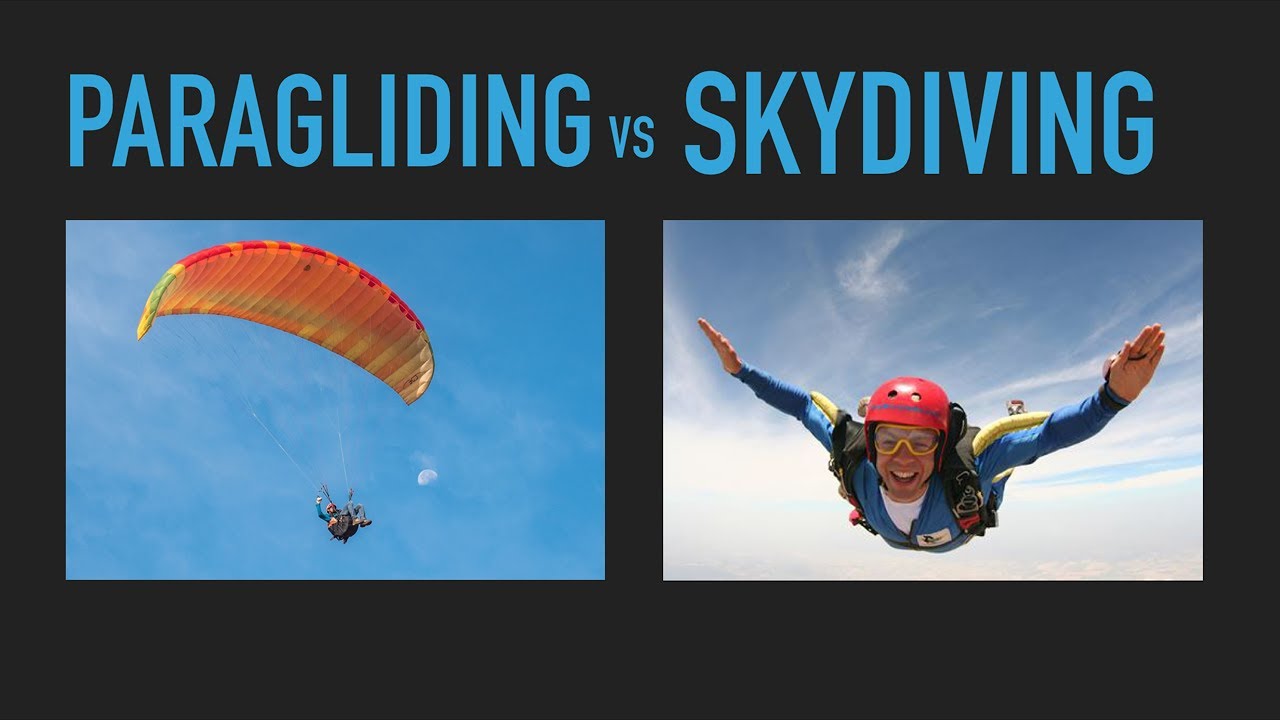
Skydiving always includes a period of freefall before the parachute opens. Parachuting can mean any jump where a parachute is used, often with immediate deployment and little or no freefall.
Is Skydiving Safer Than Parachuting?
Statistically, recreational skydiving is very safe when done with proper training and equipment. Military or emergency parachuting can be riskier due to lower altitudes, heavier gear, and challenging conditions.
Can Anyone Go Skydiving Or Parachuting?
Most people in good health can try skydiving or parachuting. Skydiving usually requires you to be at least 18 years old. Parachuting rules depend on the type (sport, military, emergency).
What Equipment Do I Need For Skydiving Vs. Parachuting?
Skydiving needs a sport parachute, harness, helmet, jumpsuit, altimeter, and sometimes an Automatic Activation Device. Parachuting gear can be simpler, especially in military or emergency jumps, often including a basic parachute and helmet.
Where Can I Learn More About These Sports?
A good place to start is the Wikipedia page on Skydiving, which explains the history, techniques, and safety measures in detail.
Whether you want to feel the rush of freefall or simply float safely to earth, understanding the difference between skydiving and parachuting will help you choose the right adventure. Both sports offer unique challenges and rewards. With the right training and mindset, you can enjoy the sky in your own way—one jump at a time.