Ice hockey is a fast and intense sport. When the puck flies across the ice, there is one player who stands between victory and defeat for their team—the goalie. Many people watch ice hockey and see the goalie making big saves, but few truly understand everything that this position requires.
Exclusive Deals
Limited-time Exclusive Deals. Check current discount on Amazon.
Check Price on Amazon As an Amazon Associate I earn from qualifying purchases.What exactly does a goalie do in ice hockey? The answer goes far beyond just stopping the puck.
The Role Of A Goalie
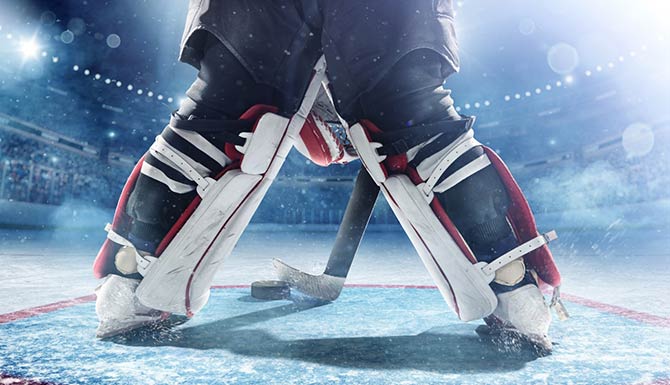
The goalie (or goaltender) is the last line of defense. Their main job is to keep the puck out of the net. This may sound simple, but it demands quick reflexes, smart decisions, and strong mental focus. Goalies wear special gear for protection, such as masks, large pads, and gloves, because they often face shots traveling over 100 miles per hour (160 kilometers per hour).
Goalies play a unique role compared to other players. They rarely leave their crease (the blue area in front of the net) and cannot cross the center line. Still, their actions have a huge impact on the game’s outcome.
Exclusive Deals
Limited-time Exclusive Deals. Check current discount on Amazon.
Check Price on Amazon As an Amazon Associate I earn from qualifying purchases.Key Responsibilities
Let’s look at the main things a goalie does during a game.
1. Stopping Shots
The goalie’s number one job is to stop shots from entering the goal. This includes:
- Slap shots: Powerful shots from long distance.
- Wrist shots and snapshots: Quick, close-range attempts.
- Deflections: Pucks that change direction off another player’s stick or body.
- Rebounds: Loose pucks after an initial save.
A top NHL goalie can face 30-40 shots in a single game, and stopping just one more shot than the other team’s goalie often makes the difference.
Exclusive Deals
Limited-time Exclusive Deals. Check current discount on Amazon.
Check Price on Amazon As an Amazon Associate I earn from qualifying purchases.2. Positioning And Angles
Goalies must always be in the right spot to cover as much of the net as possible. This is called playing the angles. By adjusting their position, a goalie can block more space and force shooters to aim for difficult areas.
If a goalie is out of position, even a weak shot can become a goal. Good positioning also helps the goalie see around players in front of the net, which is often called traffic.
3. Communication
A goalie can see the entire ice, so they often shout instructions to teammates. They warn about open opponents or tell defenders where to move the puck. Communication is a hidden skill that strong goalies use to organize their team’s defense.
4. Handling The Puck
Modern goalies are expected to handle the puck with their stick. They can:
- Stop dump-ins: When the other team sends the puck deep, the goalie can stop it behind the net.
- Pass to defenders: Good puck-handling helps start a quick attack, known as a breakout.
- Clear the puck: Sometimes, goalies shoot the puck away from danger themselves.
A goalie who can play the puck well is a big advantage, but poor puck-handling leads to mistakes and goals against.
5. Rebound Control
Not all saves are equal. If a goalie blocks a shot but leaves the puck near the crease, opponents can score on the rebound. Great goalies control rebounds by:
- Catching the puck in their glove
- Deflecting shots to the corners
- Freezing the puck for a whistle
Rebound control reduces dangerous second chances.
6. Mental Focus
Goalies must stay focused for the entire game, even when the puck is far away. One mental slip can lead to a costly goal. They also need to recover quickly from mistakes. If a goalie lets in a bad goal, strong mental toughness helps them stay confident.

Goalie Equipment: What Makes It Special?
Goalie gear is larger and heavier than what other players wear. This is for protection and to cover more space in the net.
| Equipment | Main Purpose | Special Features |
|---|---|---|
| Mask | Protect head and face | Strong cage, shock absorbent |
| Chest Protector | Protect chest and arms | Extra padding, flexible joints |
| Leg Pads | Block shots along ice | Wide, lightweight foam |
| Glove | Catch the puck | Deep pocket, reinforced palm |
| Blocker | Deflect shots | Thick pad, stick grip |
Even with all this gear, goalies often get bruises or injuries. That’s why courage is another important trait.
How Goalie Performance Is Measured
People use several statistics to judge how well a goalie plays.
| Stat | Meaning | Good Value (NHL) |
|---|---|---|
| Save Percentage (SV%) | Pucks stopped vs. shots faced | 0.915 or higher |
| Goals Against Average (GAA) | Goals allowed per game | 2.50 or lower |
| Shutouts | Games with zero goals allowed | 2+ per season is strong |
A goalie’s numbers depend partly on the team’s defense, but top goalies still stand out with high save rates and low GAA.
Common Goalie Techniques
Some techniques help goalies perform better:
- Butterfly: Dropping to the knees with pads flat on the ice. Covers the lower net and is used for most saves.
- Stand-up style: Staying on skates, mostly for higher shots. Less common today.
- Stacking the pads: Laying pads on top of each other, mainly for desperation saves.
- Poke check: Using the stick to knock the puck away from an attacker.
Modern goalies combine several styles, but most use the butterfly as their base.
Non-obvious Insights About Goalies
Many beginners think any big person can be a goalie, but size alone is not enough. Fast feet and good balance are more important. Also, anticipation is a key skill—elite goalies read the play and move before the shot even comes.
Another insight: goalies practice with their team but also spend hours alone, working on vision, reflexes, and flexibility. This solo training is a big reason for their unique skills.
Famous Goalies And Their Impact
Some goalies have changed the sport with their style and achievements. For example, Patrick Roy made the butterfly style popular. Martin Brodeur was famous for handling the puck like a third defender. Dominik Hasek was unpredictable but effective with his acrobatic saves.
Goalies can win big awards, such as the Vezina Trophy for best goalie or the Conn Smythe Trophy for playoff MVP. Sometimes, a hot goalie carries their team to championships almost single-handedly.
Goalie Vs. Other Players
The goalie is different from other players in many ways:
| Aspect | Goalie | Other Players |
|---|---|---|
| Allowed to use hands | Yes, inside the crease | No |
| Can cross center line | No | Yes |
| Equipment size | Large, heavy | Smaller, lighter |
| Scoring goals | Very rare | Common |
Game-changing Moments
A big save in the final minutes can shift momentum and energize a team. Sometimes, goalies even score goals—though this is extremely rare. Only a few NHL goalies have ever scored, usually when the other team pulls their own goalie for an extra attacker.
A goalie’s confidence can spread to the whole team, helping everyone play better.
Frequently Asked Questions
What Is The Crease In Ice Hockey?
The crease is the blue-painted area in front of the goal. Only the goalie is allowed to stay in this area for long. If an opponent interferes with the goalie here, the goal may not count.
How Many Goalies Does A Team Use In A Game?
Each team usually dresses two goalies—a starter and a backup. Only one plays at a time, but the backup is ready if needed.
Can A Goalie Leave The Net?
A goalie can leave the net to play the puck, but it’s risky. If they are far from the net and lose control, the other team can score easily.
What Happens If A Goalie Gets A Penalty?
If a goalie breaks a rule, they do not go to the penalty box. Instead, a teammate serves the penalty for them.
Where Can I Find More About Hockey Goalie Rules?
For full details on rules and history, see the Wikipedia: Goaltender page.
Being a goalie is a challenging but rewarding job. They face pressure every game and need special skills that go beyond most positions in sports. Next time you watch a hockey game, pay close attention to the goalie—you’ll see just how important their role is in the fast world of ice hockey.