
Basketball is full of action, speed, and energy. Every shot, whether it goes in or misses, creates a new chance for teams to score or defend. One of the most important and exciting moments in a game is the rebound. But what exactly is a rebound in basketball? Why do coaches and players talk so much about it? If you’re new to basketball or want to understand the game better, this guide will break down everything you need to know about rebounds—how they work, why they matter, types of rebounds, and even the skills needed to excel at rebounding.
What Is A Rebound In Basketball?
A rebound in basketball happens when a player gains possession of the ball after a missed field goal or free throw attempt. In simple words, when a shot doesn’t go into the basket and bounces off the rim, backboard, or both, the ball is “up for grabs.” The player who gets the ball first is credited with a rebound. Rebounding is a key part of the game because it gives teams another chance to score or prevents the opponent from getting a second opportunity.
Today's Exclusive Deals
Limited-time Exclusive Deals. Check current discount on Amazon.
Check Price on Amazon As an Amazon Associate I earn from qualifying purchases.The Importance Of Rebounding
Coaches often say, “Whoever controls the boards, controls the game.” This means the team that gets more rebounds usually has a better chance of winning. Here’s why rebounding is so critical:
- Extra Possessions: Every offensive rebound gives your team another shot to score.
- Limits Opponents: Defensive rebounds stop the other team from getting second-chance points.
- Momentum Shifts: A big rebound can boost your team’s energy and confidence.
- Statistical Impact: Teams that win the rebounding battle often win the game.
NBA data shows that teams with a higher rebounding rate tend to win more games over a season. For example, in the 2022-23 NBA season, the top five rebounding teams all made the playoffs.
Types Of Rebounds
Rebounds can be divided into several types based on the situation:
Offensive Rebound
An offensive rebound happens when a player from the shooting team grabs the ball after a missed shot. This creates a new scoring chance. Players like Dennis Rodman and Moses Malone were famous for their offensive rebounding skills.
Defensive Rebound
A defensive rebound occurs when a player from the defending team secures the ball after the opposing team’s missed shot. Defensive rebounds are more common because the defenders are usually closer to the basket.
Team Rebound
Sometimes, a rebound isn’t credited to a single player. If the ball goes out of bounds after a missed shot and no player touches it, the team that gets the ball is awarded a team rebound.
Dead Ball Rebound
A dead ball rebound happens when the play is stopped (for a foul or violation) after a missed shot, and the ball is given to one team. These are rare but still counted in statistics.
How Rebounding Works In A Game
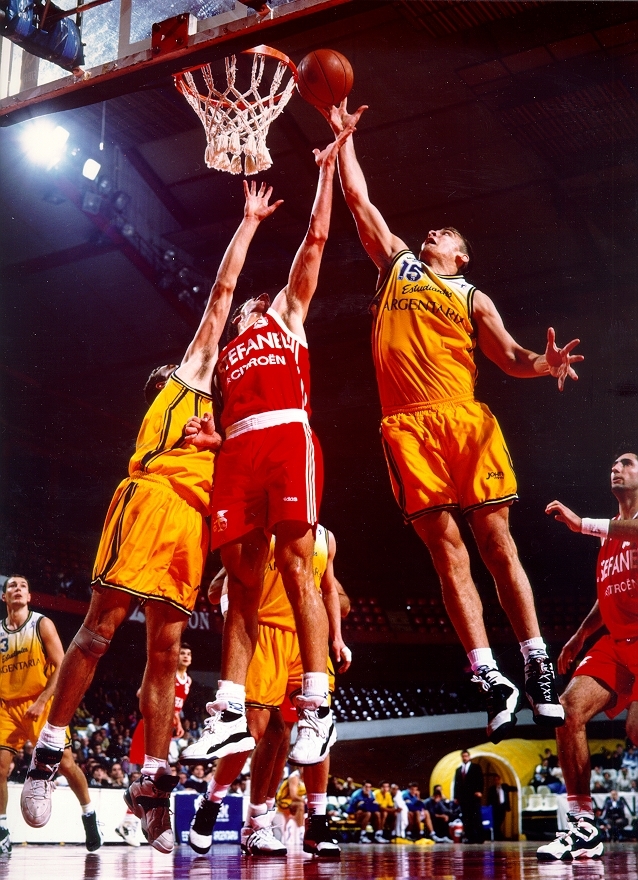
When a shot is taken, all players get ready to jump or move for the rebound. Usually, taller players (forwards and centers) position themselves close to the basket. Guards can also grab rebounds, especially if the ball bounces far from the rim.
Here’s what happens step by step:
- A player attempts a shot.
- The ball hits the rim or backboard and doesn’t go in.
- Players jump, reach, or box out to get the ball.
- The first player to secure the ball is awarded a rebound.
Boxing out is a technique where players use their body to keep opponents away from the basket, giving themselves or teammates a better chance at the rebound.
Key Skills For Effective Rebounding
Great rebounders aren’t just tall—they use skills, timing, and effort. Here are the main skills needed:
- Positioning: Standing in the right spot increases your chances.
- Timing: Jumping at the perfect moment is more important than jumping highest.
- Strength: Fighting for space under the basket is physical.
- Anticipation: Reading the shot and guessing where the ball will go.
- Boxing Out: Using the body to block opponents.
Players like Charles Barkley, who was only 6’6”, became legendary rebounders because of these skills, not just height.
Rebounding Statistics And Records
Rebounding is tracked in every level of basketball. Here are some key stats:
- Rebounds per Game (RPG): Average number of rebounds a player gets each game.
- Total Rebounds: All rebounds in a season or career.
- Offensive and Defensive Rebounds: Tracked separately.
Below is a comparison of some of the top rebounders in NBA history:
| Player | Total Rebounds | Rebounds per Game | Years Active |
|---|---|---|---|
| Wilt Chamberlain | 23,924 | 22.9 | 1959–1973 |
| Bill Russell | 21,620 | 22.5 | 1956–1969 |
| Kareem Abdul-Jabbar | 17,440 | 11.2 | 1969–1989 |
| Moses Malone | 17,834 | 12.2 | 1974–1995 |
These numbers show how dominant some players were at grabbing rebounds.
Strategies For Better Rebounding
Teams use different strategies to get more rebounds:
1. Boxing Out
Boxing out is the most important rebounding technique. Players turn their body and push their opponent away from the basket, creating space to grab the rebound.
2. Crashing The Boards
Some teams send several players to the basket after each shot, especially for offensive rebounds. This is called crashing the boards. It can lead to more second-chance points but sometimes leaves the team open to fast breaks.
3. Assigning Roles
Coaches may assign specific players to focus on rebounding, while others prepare for defense. This helps balance the risk and reward.
4. Reading The Shot
Experienced rebounders watch the shooter’s hand and angle of the ball to predict where the rebound will go. For example, shots from the corner often bounce to the opposite side.
5. Fast Break Preparation
On defense, some teams send guards away from the basket as soon as a shot is taken. If they get the rebound, they can start a fast break quickly.
Common Mistakes In Rebounding
Even skilled players make errors. Here are some common mistakes:
- Not Boxing Out: Giving opponents easy rebounds.
- Jumping Too Early: Losing timing and missing the ball.
- Ball Watching: Forgetting to block out opponents while watching the shot.
- Poor Communication: Not calling out “I got it!” leads to confusion.
- Reaching Over: Committing fouls by reaching instead of moving feet.
The Role Of Different Positions In Rebounding
While everyone can rebound, some positions are more active:
| Position | Typical Rebounding Role | Key Skills Needed |
|---|---|---|
| Center | Main rebounder, both offense and defense | Height, strength, boxing out |
| Power Forward | Secondary rebounder, aggressive on offensive boards | Toughness, timing, anticipation |
| Small Forward | Helps on both ends, sometimes leads fast breaks | Quickness, leaping, reading angles |
| Guard | Usually fewer rebounds, but important for long rebounds | Speed, positioning, hustle |
Guards like Russell Westbrook have shown that anyone can be a strong rebounder with effort.
Famous Rebounding Performances
Some games are remembered for amazing rebounding numbers. For example, Wilt Chamberlain once grabbed 55 rebounds in a single NBA game—a record that still stands. In women’s basketball, Cheryl Miller was known for her rebounding dominance at the college level. These performances show how one player can change a game with rebounding.
How Rebounds Affect Team Strategy
Rebounding is more than just a statistic. It affects how teams play:
- Second-Chance Points: More offensive rebounds mean more scoring chances.
- Transition Opportunities: Securing a defensive rebound can lead to fast breaks.
- Controlling the Tempo: Teams with more rebounds control the pace and flow.
- Limiting Fouls: Good rebounders avoid unnecessary fouls by positioning well.
Teams often scout opponents’ rebounding strengths and weaknesses to develop specific game plans.
Advanced Rebounding Analytics
Modern basketball uses advanced statistics to measure rebounding:
- Rebound Percentage (REB%): Shows what percentage of available rebounds a player grabs while on the court.
- Contested vs. Uncontested Rebounds: Tracks how many rebounds are grabbed under pressure.
- Second-Chance Points: Measures points scored after offensive rebounds.
Here’s a look at how rebounding stats are analyzed:
| Stat | Description | Why It Matters |
|---|---|---|
| Defensive Rebound Percentage (DRB%) | % of defensive rebounds a player gets | Shows defensive impact |
| Offensive Rebound Percentage (ORB%) | % of offensive rebounds a player gets | Shows second-chance ability |
| Total Rebound Percentage (TRB%) | % of all rebounds a player gets | Measures overall rebounding |
Teams use these numbers to find hidden strengths and weaknesses.

Non-obvious Insights About Rebounding
Many beginners think rebounding is just about height and jumping. But two key insights often missed are:
- Anticipation and Angles Matter More Than Size: Great rebounders study shooters and ball movement. They position themselves where the ball is likely to land, not just under the basket.
- Team Effort Is Key: Teams that communicate and help each other box out get more rebounds, even if their players are not the tallest.
How To Practice Rebounding
Want to get better at rebounding? Here are some tips:
- Rebounding Drills: Practice boxing out, jumping, and securing the ball with two hands.
- Watch and Learn: Study great rebounders like Dennis Rodman or Tim Duncan.
- Strength Training: Build leg and core muscles for better jumping and balance.
- Play Live Games: The best learning comes from game situations.
For more ideas, you can check out resources from the Wikipedia Basketball page.

Frequently Asked Questions
What Is The Difference Between An Offensive And Defensive Rebound?
An offensive rebound is when a player gets the ball after their own team misses a shot. A defensive rebound is when a player gets the ball after the other team misses a shot. Defensive rebounds are more common.
Does Height Matter Most In Rebounding?
Height helps, but skills like positioning, timing, and boxing out are often more important. Many shorter players have been excellent rebounders because they work hard and read the play well.
Who Holds The Record For Most Rebounds In A Game?
Wilt Chamberlain holds the NBA record with 55 rebounds in a single game, set in 1960. This is one of the oldest records in basketball.
How Are Rebounds Tracked In Basketball Statistics?
Each time a player controls the ball after a missed shot, they get a rebound added to their stats. Rebounds are divided into offensive and defensive categories and tracked for players and teams.
Why Do Some Guards Have High Rebounding Numbers?
Some guards, like Russell Westbrook, are aggressive and quick. They grab long rebounds that bounce far from the basket, and they hustle for every loose ball, which increases their rebounding totals.
Basketball is more than just scoring points. Rebounding is a battle of effort, skill, and intelligence. Whether you’re a player, coach, or fan, understanding rebounds can help you appreciate the heart of the game and what it takes to win.