Basketball is full of exciting moves and strategies. But if you ask coaches, players, or fans about the most important play, you’ll often hear the same answer: the pick and roll. This two-player action is simple, but it’s the foundation for much of modern basketball offense. From youth leagues to the NBA, the pick and roll creates scoring chances, forces defenders to make tough choices, and keeps the game moving fast.
But what exactly is a pick and roll? Why is it so effective? And what do players need to know to use it well? This article gives you a clear, complete look at the pick and roll in basketball. You’ll learn how it works, why teams love it, and how both offense and defense try to win the battle.
Today's Exclusive Deals
Limited-time Exclusive Deals. Check current discount on Amazon.
Check Price on Amazon As an Amazon Associate I earn from qualifying purchases.Even if you’re new to basketball, you’ll finish with a strong understanding of this classic play.
The Basics: What Is A Pick And Roll?
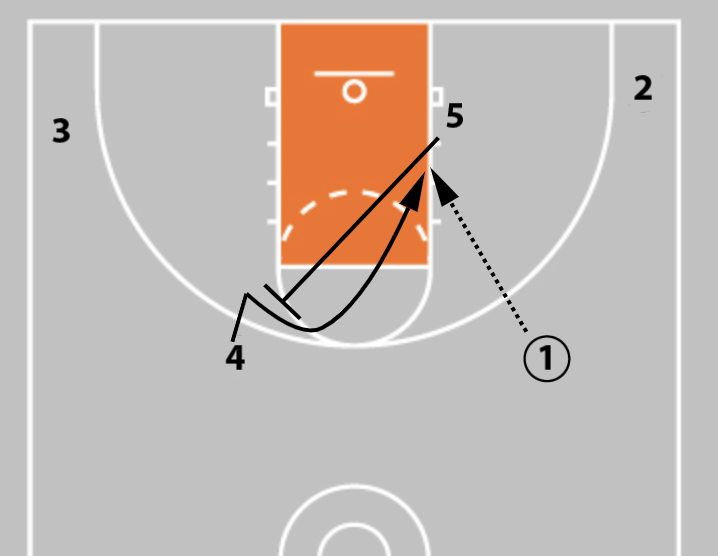
A pick and roll is a basketball play involving two offensive players. One player (usually a guard) has the ball. The other player (often a bigger teammate, like a forward or center) sets a screen, or “pick,” on the ball handler’s defender. The goal is to block the defender and give the ball handler a clear path.
After setting the pick, the screener quickly turns and moves (“rolls”) toward the basket. The ball handler can drive to the hoop, pass to the rolling teammate, or look for another option. This simple action puts pressure on the defense and often leads to easy points.
Today's Exclusive Deals
Limited-time Exclusive Deals. Check current discount on Amazon.
Check Price on Amazon As an Amazon Associate I earn from qualifying purchases.Key Steps Of A Pick And Roll
Here’s how a typical pick and roll happens on the court:
- The ball handler dribbles near the top or side of the court.
- The screener approaches and sets a solid screen on the ball handler’s defender.
- The ball handler uses the screen, moving closely past the screener.
- The screener turns and rolls toward the basket.
- The ball handler decides: Drive, pass to the roller, shoot, or pass outside.
This five-step sequence happens quickly—often in just a few seconds.
Why Is The Pick And Roll So Effective?
The pick and roll is powerful for several reasons:
- Forces Defensive Decisions: The defense must choose how to guard both the ball handler and the roller.
- Creates Mismatches: If defenders switch assignments, a big player may end up guarding a quick guard, or a small defender may need to guard a tall center.
- Opens Space: The action spreads defenders and often leaves someone open for a shot.
- Works at All Levels: From youth games to professional leagues, teams use the pick and roll because it’s easy to learn and hard to stop.
Types Of Pick And Roll Actions
While the basic pick and roll is simple, teams use many different versions. Here are some common types:
Today's Exclusive Deals
Limited-time Exclusive Deals. Check current discount on Amazon.
Check Price on Amazon As an Amazon Associate I earn from qualifying purchases.1. Side Pick And Roll
This play happens near the sideline, often at the wing position. The ball handler and screener operate on the side, giving more room for shooters to space the floor.
2. High Pick And Roll
The screen is set at the top of the key, high above the three-point line. This gives the ball handler lots of space to attack, making it hard for defenders to help.
3. Spread Pick And Roll
All three other teammates spread out beyond the three-point line. This creates maximum space for the ball handler and roller to operate, often leading to open layups or kick-out threes.
4. Double Pick And Roll
Two players set screens at the same time for the ball handler. This makes it even harder for defenders to keep up.
5. Pick And Pop
Instead of rolling to the basket, the screener steps out to the three-point line after setting the screen. This is called “popping” and is a great option for big players who can shoot from distance.
Roles And Responsibilities
Each player in the pick and roll has a specific job. Success depends on timing, communication, and smart decisions.
Ball Handler
The ball handler (often the point guard) must:
- Read the Defense: Decide whether to drive, shoot, or pass.
- Use the Screen Well: Dribble close to the screener to make the screen effective.
- Make Quick Decisions: The window to attack is small, so the ball handler must act fast.
Screener
The screener (often a forward or center) must:
- Set a Legal Screen: Stay still and set feet to avoid an offensive foul.
- Roll or Pop: After the screen, move quickly to the basket (roll) or outside for a shot (pop).
- Be Ready for the Pass: Expect the ball at any moment.
Other Teammates
The other three players must:
- Space the Floor: Stay ready for open shots.
- Move Without the Ball: Cut or screen away from the main action to keep defenders busy.
How Defenses Respond
Defending the pick and roll is a big challenge. Teams have developed several strategies to stop it. Here are some common defensive tactics:
1. Switching
Both defenders simply switch assignments. The defender guarding the screener now guards the ball handler, and vice versa. This can cause mismatches, but it’s quick.
2. Hedging
The screener’s defender jumps out to slow the ball handler, then quickly returns to their own player. This delays the offense but requires good timing.
3. Dropping
The screener’s defender backs up toward the basket, allowing the ball handler to come off the screen but protecting the rim. This is called “drop coverage. ”
4. Trapping
Both defenders double-team the ball handler right after the screen. This is aggressive but leaves other players open.
5. Going Under
The defender guarding the ball handler goes under the screen, staying closer to the basket. This works against weak shooters but gives up open jump shots.
Comparing Pick And Roll Defense Strategies
The following table shows the strengths and weaknesses of each defensive approach:
| Strategy | Strength | Weakness |
|---|---|---|
| Switching | Quick and simple | Can create mismatches |
| Hedging | Slows ball handler | Requires fast recovery |
| Dropping | Protects the rim | Gives up open shots |
| Trapping | Pressure on ball | Leaves someone open |
| Going Under | Protects against drives | Risky vs. good shooters |
Famous Pick And Roll Duos
Some of basketball’s greatest pairs have used the pick and roll to dominate games. Here are three famous examples:
- John Stockton and Karl Malone (Utah Jazz): Stockton’s passing and Malone’s rolling made them one of the best pick and roll teams in NBA history.
- Steve Nash and Amar’e Stoudemire (Phoenix Suns): Their fast-paced pick and roll led to high-scoring games and playoff success.
- Chris Paul and DeAndre Jordan (LA Clippers): Paul’s vision and Jordan’s athleticism created highlight-reel dunks.
Real-world Example: Pick And Roll Success
The 2018–2019 NBA season saw teams use the pick and roll more than ever. According to NBA stats, teams finished nearly 40% of their offensive plays with a pick and roll. The Houston Rockets and Golden State Warriors used this action to create open three-point shots, showing its value at the highest level.
Advanced Pick And Roll Concepts
As players get better, they add new tricks to make the pick and roll even stronger:
- Short Roll: The screener rolls only part way to the basket, stopping near the free-throw line for a quick pass and shot.
- Slip: The screener fakes setting the screen, then quickly cuts to the basket before contact is made. This can catch defenders off guard.
- Re-screen: After the first screen, the screener quickly sets another screen in the opposite direction, confusing defenders.

Common Mistakes In The Pick And Roll
Even experienced teams make errors. Here are mistakes to avoid:
- Illegal Screens: The screener must stay still. Moving can lead to an offensive foul.
- Poor Timing: If the ball handler and screener are not in sync, the play fails.
- Bad Spacing: Teammates crowding the area make it easier for defenders to help.
- Telegraphing Passes: Defenders can steal the ball if the offense is too predictable.
Pick And Roll Vs. Other Basketball Plays
How does the pick and roll compare to other common basketball actions? Here’s a look:
| Play Type | Main Action | Best For | Risk Level |
|---|---|---|---|
| Pick and Roll | Screen, then roll | All levels, quick decisions | Low to medium |
| Isolation | 1-on-1 scoring | Strong individual players | Medium |
| Post Up | Back to basket | Bigger, skilled players | Medium |
| Off-Ball Screen | Screen for shooter | Sharp shooters | Low |
Essential Skills For A Good Pick And Roll
Players who master the pick and roll often have these skills:
- Strong Ball Handling: The guard must control the ball under pressure.
- Accurate Passing: Quick, smart passes are key.
- Screening Technique: The screener must set solid, legal screens.
- Finishing at the Rim: Rollers should finish plays with layups or dunks.
- Shooting Ability: If defenders go under the screen, the ball handler must be able to hit open shots.
Coaching Tips For Running The Pick And Roll
- Teach Communication: Players must talk to avoid confusion.
- Practice Timing: Rehearse the play until the ball handler and screener work as one.
- Read the Defense: Teach players to look for open teammates and mismatches.
- Keep the Floor Spaced: Good spacing creates more room for the play to work.
- Mix It Up: Use different types of pick and rolls so defenses can’t predict your moves.

Impact On Modern Basketball
The pick and roll has changed the way teams play. In today’s game, most offenses use it as their main weapon. Analytics show that pick and roll actions produce high-percentage shots—layups, dunks, and open threes. Even big men are learning to dribble, pass, and shoot so they can help in the pick and roll.
A non-obvious insight: The pick and roll’s value is not just in scoring, but also in creating mismatches that can be exploited for several plays in a row. Teams that recognize and attack these mismatches can control the game’s flow.
Another overlooked detail: The most effective pick and rolls are not always with the team’s best scorer. Sometimes, using a role player as the ball handler or screener can surprise the defense and lead to easy baskets.
Visual Breakdown: How The Pick And Roll Works
Here’s a simple comparison of the main choices after a pick and roll:
| Action | When to Use | Potential Result |
|---|---|---|
| Drive to Basket | Defenders behind or switching slowly | Layup, foul, or kick-out |
| Pass to Roller | Roller is open near rim | Dunk or layup |
| Pull-Up Jumper | Defender goes under screen | Mid-range shot |
| Kick-Out to Shooter | Help defender collapses | Open three-point shot |
Learning The Pick And Roll: Drills And Practice
To master the pick and roll, teams should practice:
- Two-on-Two Drills: Focus on timing and reading defenses.
- Passing Under Pressure: Ball handlers practice passing to rollers with defenders in the way.
- Finishing Moves: Rollers work on layups, floaters, and dunks.
- Screen Setting: Big players practice setting strong, legal screens.
Video study is also helpful. Watching NBA games or high-level college teams can show how the best players run the pick and roll. For more detail, check the NBA’s official pick and roll explanation.
Frequently Asked Questions
What Is The Difference Between A Pick And Roll And A Pick And Pop?
A pick and roll means the screener moves toward the basket after setting the screen. A pick and pop means the screener steps out to shoot a jump shot, usually beyond the three-point line.
Who Usually Runs The Pick And Roll?
The pick and roll is often run by a point guard (ball handler) and a center or power forward (screener). However, any two players can use this play, especially if one is a good shooter and the other is strong near the rim.
How Do You Defend Against The Pick And Roll?
Teams use strategies like switching, hedging, dropping, trapping, or going under the screen. Each method has strengths and weaknesses, and the best choice depends on the players involved.
Can Young Players Use The Pick And Roll?
Yes. Even in youth basketball, coaches teach the pick and roll because it’s easy to understand and helps develop teamwork, communication, and decision-making skills.
Why Is The Pick And Roll Important In Modern Basketball?
The pick and roll creates scoring chances, forces defenders to make tough choices, and opens up the court for shooters and drivers. It’s the foundation for many of today’s best offensive systems.
The pick and roll is more than just a play—it’s a core building block for basketball success. Understanding it gives players and fans a deeper appreciation of the sport’s tactics and excitement. Whether you’re new to the game or want to improve your skills, mastering the pick and roll is a smart step on your basketball journey.