Basketball is a game full of speed, skill, and quick decisions. But with fast moves come important rules. One rule that often confuses new players and fans is the double dribble. You may have watched a game, seen the referee blow the whistle, and heard the term, but not everyone understands what really happened. Learning about double dribble is essential if you want to enjoy basketball more, play better, or even coach others.
Exclusive Deals
Limited-time Exclusive Deals. Check current discount on Amazon.
Check Price on Amazon As an Amazon Associate I earn from qualifying purchases.This article covers everything about double dribble: what it means, how it happens, why the rule exists, and how it affects the game. You’ll see real examples, learn the difference from similar rules, and get tips to avoid this mistake. Even if you’re new to basketball, you’ll find clear explanations and practical advice throughout.
What Is A Double Dribble?
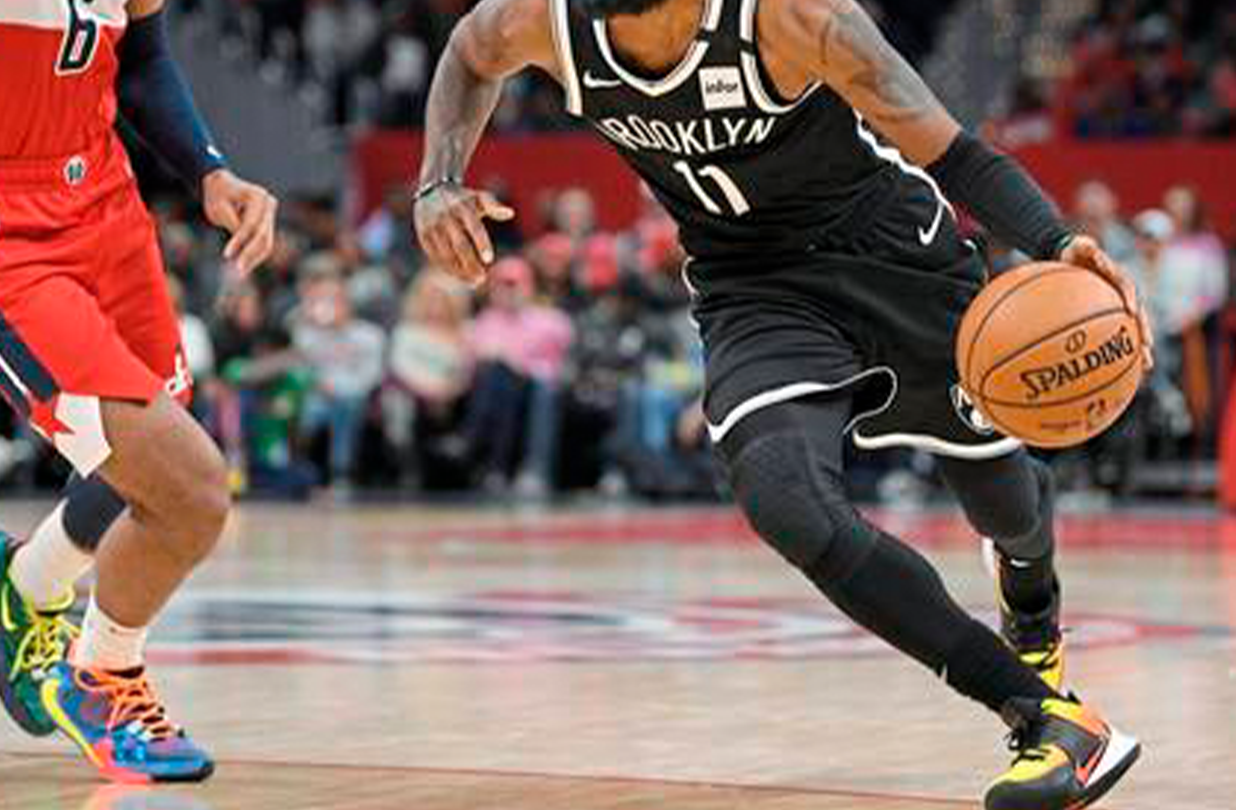
A double dribble is a violation in basketball. It happens when a player dribbles the ball, stops, and then starts dribbling again. Another way is when a player uses both hands to dribble at the same time. When a double dribble is called, the other team gets the ball.
The rule is simple but important. It keeps the game fair and stops players from gaining an unfair advantage. In most leagues, including the NBA and FIBA, the double dribble rule is strictly enforced.
Exclusive Deals
Limited-time Exclusive Deals. Check current discount on Amazon.
Check Price on Amazon As an Amazon Associate I earn from qualifying purchases.Key points:
- Dribbling, stopping, then dribbling again = double dribble.
- Dribbling with two hands at the same time = double dribble.
- Result: The ball goes to the other team.
The History And Purpose Of The Double Dribble Rule
Basketball rules were created to make the game smooth, fair, and challenging. The double dribble rule began in the early 20th century as basketball became more structured. Before the rule, some players would dribble, stop, and start again to confuse defenders. This slowed the game and made it less fun to watch.
The main purpose of the rule is to keep the flow fast and force players to make smart decisions. If you stop dribbling, you must pass or shoot. You cannot start dribbling again, or else you break the rule. This makes the game more exciting and skill-based.
Exclusive Deals
Limited-time Exclusive Deals. Check current discount on Amazon.
Check Price on Amazon As an Amazon Associate I earn from qualifying purchases.How Double Dribble Happens
Double dribble can happen in two main ways:
1. Dribble, Stop, And Dribble Again
A player starts dribbling, picks up the ball (by holding it with one or both hands), then starts dribbling again. This is the most common type.
2. Two-handed Dribble
A player dribbles the ball with both hands at the same time or alternates hands without bouncing the ball.
Let’s look at some examples:
- A guard brings the ball up the court, stops, fakes a pass, and then dribbles again to avoid a defender. This is a double dribble.
- A player loses control, grabs the ball with both hands, then starts bouncing it again. This is also a double dribble.
Real Game Examples
To understand better, here are some situations from real games:
- In an NBA match, a player dribbles, stops to look for an open teammate, cannot pass, and then starts dribbling again. The referee blows the whistle and calls double dribble.
- During a youth basketball game, a beginner tries to dribble with both hands to keep control. The referee stops play for double dribble.
Non-obvious insight: Sometimes, players don’t realize they double dribbled. They may think they just “fumbled” the ball. But if you hold the ball or let it rest in your hands, then dribble again, it’s a violation.
Double Dribble Vs. Other Violations
Many people confuse double dribble with other basketball rules. Here’s how it is different from similar violations:
Traveling
- Traveling is moving your feet illegally without dribbling. For example, taking three steps without bouncing the ball.
- Double dribble is about how you dribble, not how you move your feet.
Carrying (palming)
- Carrying happens when the player’s hand goes under the ball and then turns it over while dribbling.
- Double dribble involves stopping and starting a dribble or dribbling with both hands.
Comparison Table
Here’s a quick comparison to make it clearer:
| Violation | Main Action | Penalty |
|---|---|---|
| Double Dribble | Dribble, stop, dribble again / Two hands | Turnover (other team gets the ball) |
| Traveling | Move feet illegally | Turnover |
| Carrying | Hand under ball, turn over | Turnover |
Why Double Dribble Matters In Basketball
The double dribble rule is more than just a technicality. It has a big effect on the game:
- Keeps the game fast: Players must make quick decisions.
- Prevents unfair advantage: No one can confuse defenders by stopping and starting dribbles.
- Encourages skills: Players practice good ball handling and passing.
In professional leagues, turnovers from double dribble can change the outcome of the game. Coaches teach young players to avoid this mistake from the start.
Non-obvious insight: In close games, a single double dribble call can turn the score around. Teams that control the ball and avoid mistakes often win.

Rules In Different Leagues
The basic idea of double dribble is the same everywhere, but some small details differ.
Nba Vs Fiba Vs Ncaa
- NBA: Strictly follows the standard double dribble rule.
- FIBA (international): Same as NBA, but sometimes referees are more strict about what counts as “holding” the ball.
- NCAA (college): Same rule, but young players are often called for double dribble more often.
League Comparison Table
| League | Double Dribble Rule | Enforcement |
|---|---|---|
| NBA | Dribble-stop-dribble/two hands | Strict |
| FIBA | Same as NBA | Very strict |
| NCAA | Same as NBA | Strict, more for beginners |
How Referees Call Double Dribble
A referee looks for two things:
- Did the player end their dribble by holding or letting the ball rest?
- Did they start dribbling again or use two hands?
When a double dribble happens, the referee signals by holding both hands out in front, palms up, and pushing down. This is the official sign for double dribble.
Common Signals Table
| Signal | Meaning |
|---|---|
| Both hands push down | Double dribble |
| Rotating fists | Traveling |
| Palm up, flipping motion | Carrying |
How To Avoid Double Dribble
If you play basketball, avoiding double dribble is important. Here are some practical tips:
- Plan your moves: Before you pick up your dribble, know if you will pass or shoot. Once you stop, you can’t start again.
- Practice ball control: Dribble with one hand at a time. Don’t use both hands unless you are passing or shooting.
- Stay calm under pressure: When defenders are close, don’t panic and restart your dribble.
- Watch experienced players: See how they keep dribbling until they are ready to pass or shoot.
- Drills: Practice dribbling, stopping, and passing with a coach or alone. This builds muscle memory.
Pro tip: If you lose control but the ball bounces away (not held), you can keep dribbling. But if you hold the ball, then bounce again, that’s a violation.
Common Mistakes By Beginners
Many beginners fall into these traps:
- Stopping too early: Players stop dribbling, realize no one is open, and start again.
- Trying to recover from a fumble: If you fumble but grab the ball with two hands, don’t start dribbling again.
- Two-handed dribble: Nervous beginners use both hands for control, especially under pressure.
Coaches often focus on these basics during early training. Fixing these habits early prevents turnovers in real games.
Double Dribble In Youth Basketball
In youth games, referees are sometimes more flexible. They may warn a player before calling double dribble, especially at the youngest levels. But as players get older, the rule is enforced fully.
Learning to avoid double dribble early helps players build better skills and confidence. Youth leagues focus on teaching the rule, not just punishing mistakes.
Famous Double Dribble Calls
Double dribble is rare among professionals, but when it happens, it’s memorable:
- In a 2019 NBA Playoff game, a controversial double dribble was missed in the final minutes, affecting the outcome.
- Top college players have lost key possessions due to double dribble, leading to big changes in the game.
These moments show that even experienced players must remember the basics.
Impact On Strategy
Smart teams use the double dribble rule to their advantage:
- Defensive pressure: Defenders trap ball-handlers, hoping they panic and double dribble.
- Forcing turnovers: Coaches teach players to recognize when their opponent has ended their dribble, making it easier to steal the ball.
Players who understand the rule make fewer mistakes and help their team win more games.
The Role Of Coaches And Practice
Coaches play a big role in teaching the double dribble rule. Good coaches:
- Explain the rule clearly.
- Use drills to develop good dribbling habits.
- Correct mistakes quickly, so they don’t become habits.
Watching games, breaking down plays, and practicing under pressure are all ways to master ball handling.
For more on basketball rules, you can check the official FIBA guide: Wikipedia Basketball Rules.

Frequently Asked Questions
What Is The Main Difference Between Double Dribble And Traveling?
Double dribble is about how you dribble the ball—starting, stopping, and starting again or using two hands at the same time. Traveling is about moving your feet illegally without dribbling, like taking extra steps. Both result in a turnover, but the actions are different.
Can You Double Dribble If You Lose Control Of The Ball?
If you lose control and the ball bounces away, you can pick it up and continue dribbling as long as you haven’t held the ball with both hands. If you grab the ball, hold it, and then start to dribble again, that is a double dribble.
Is Double Dribble Allowed In Any Form Of Basketball?
No, double dribble is not allowed in any official basketball league, including NBA, FIBA, NCAA, and youth leagues. Some informal pickup games may ignore the rule, but it is standard in all organized play.
What Happens After A Double Dribble Is Called?
When a double dribble happens, the referee blows the whistle and gives the ball to the other team at the spot of the violation. The team loses its possession, which can affect the score, especially in close games.
Why Do Referees Sometimes Miss Double Dribble Calls?
Basketball is a fast game, and sometimes referees miss violations if their view is blocked or the action is quick. However, at higher levels, referees are trained to watch for these mistakes and usually catch them.
Basketball is full of action, but knowing the rules like double dribble makes the game even more enjoyable. Whether you’re a player, coach, or fan, understanding this violation helps you appreciate the skill and strategy involved in every play.