Improving your basketball shooting accuracy is a journey that goes far beyond just taking more shots. If you want to consistently hit your target, it’s about combining the right technique, smart practice, and a focused mindset. Whether you’re a beginner or have played for years, there’s always room to sharpen your skills.
Exclusive Deals
Limited-time Exclusive Deals. Check current discount on Amazon.
Check Price on Amazon As an Amazon Associate I earn from qualifying purchases.Many players overlook small details that make a big difference—like body balance, shot selection, and even how you breathe before a shot. Let’s break down what truly matters and how you can make each shot count.
Understanding Shooting Fundamentals
Before you focus on drills or advanced tips, you must master the basics of shooting. Good shooting starts with your stance and ends with your follow-through.
- Stance: Keep your feet shoulder-width apart. Your shooting foot should be slightly ahead of the other for better balance.
- Grip: Hold the ball lightly with your fingertips, not your palm. This improves control.
- Elbow Alignment: Your shooting elbow should be under the ball and pointed at the basket.
- Follow-Through: After releasing, your wrist should be relaxed, fingers pointing towards the hoop.
A common mistake is rushing these steps. Take time to set yourself properly before you shoot. Even professional players revisit their fundamentals regularly.
Exclusive Deals
Limited-time Exclusive Deals. Check current discount on Amazon.
Check Price on Amazon As an Amazon Associate I earn from qualifying purchases.Building Muscle Memory Through Repetition
Muscle memory is your body’s ability to repeat a motion without thinking. The more you repeat a good shooting form, the more natural it becomes.
- Daily Practice: Take at least 100 focused shots every day. Quality matters more than quantity.
- Form Shooting: Stand close to the basket and practice your form. Focus on smooth movement from start to finish.
- Consistency: Try to shoot the same way each time, even during warmups.
Don’t be discouraged if you don’t see fast results. Muscle memory builds slowly, but it gives you confidence under pressure.
Using Proper Footwork
Good footwork is often ignored but is critical for accurate shooting. Proper movement lets you get into position quickly and stay balanced.
Exclusive Deals
Limited-time Exclusive Deals. Check current discount on Amazon.
Check Price on Amazon As an Amazon Associate I earn from qualifying purchases.| Footwork Type | When to Use | Benefit |
|---|---|---|
| Jump Stop | Transition, catching passes | Quick balance for fast shots |
| One-Two Step | Pull-up jumpers | Rhythm and control |
| Step Back | Creating space from defender | Better shot opportunities |
Try practicing shooting after different types of footwork. For example, dribble once, jump stop, then shoot. This simulates game situations and improves adaptability.
Focusing On Shot Selection
Not every shot is a good shot. Shot selection means choosing the best moments and places to shoot.
- High-Percentage Areas: Most players have higher accuracy closer to the basket or at their “favorite spots.”
- Avoid Forcing Shots: If you’re off-balance or heavily guarded, consider passing.
- Know Your Range: Don’t take shots you haven’t practiced, especially in games.
Tracking your makes and misses from different spots helps you learn your strengths and weaknesses.
Analyzing And Tracking Your Progress
You can’t improve what you don’t measure. Tracking your shooting helps you see patterns.
| Drill | Attempts | Makes | Accuracy (%) |
|---|---|---|---|
| Free Throws | 50 | 38 | 76 |
| Corner Threes | 30 | 16 | 53 |
| Pull-Up Jumpers | 40 | 22 | 55 |
Review these numbers weekly. If your accuracy drops in certain drills, spend more practice time there. This data-driven approach is something beginners often miss.
Developing A Pre-shot Routine
A pre-shot routine builds consistency and calms your nerves. Every top shooter has one.
- Dribble Pattern: For free throws, many players bounce the ball a set number of times.
- Deep Breath: Take a slow breath to relax your body.
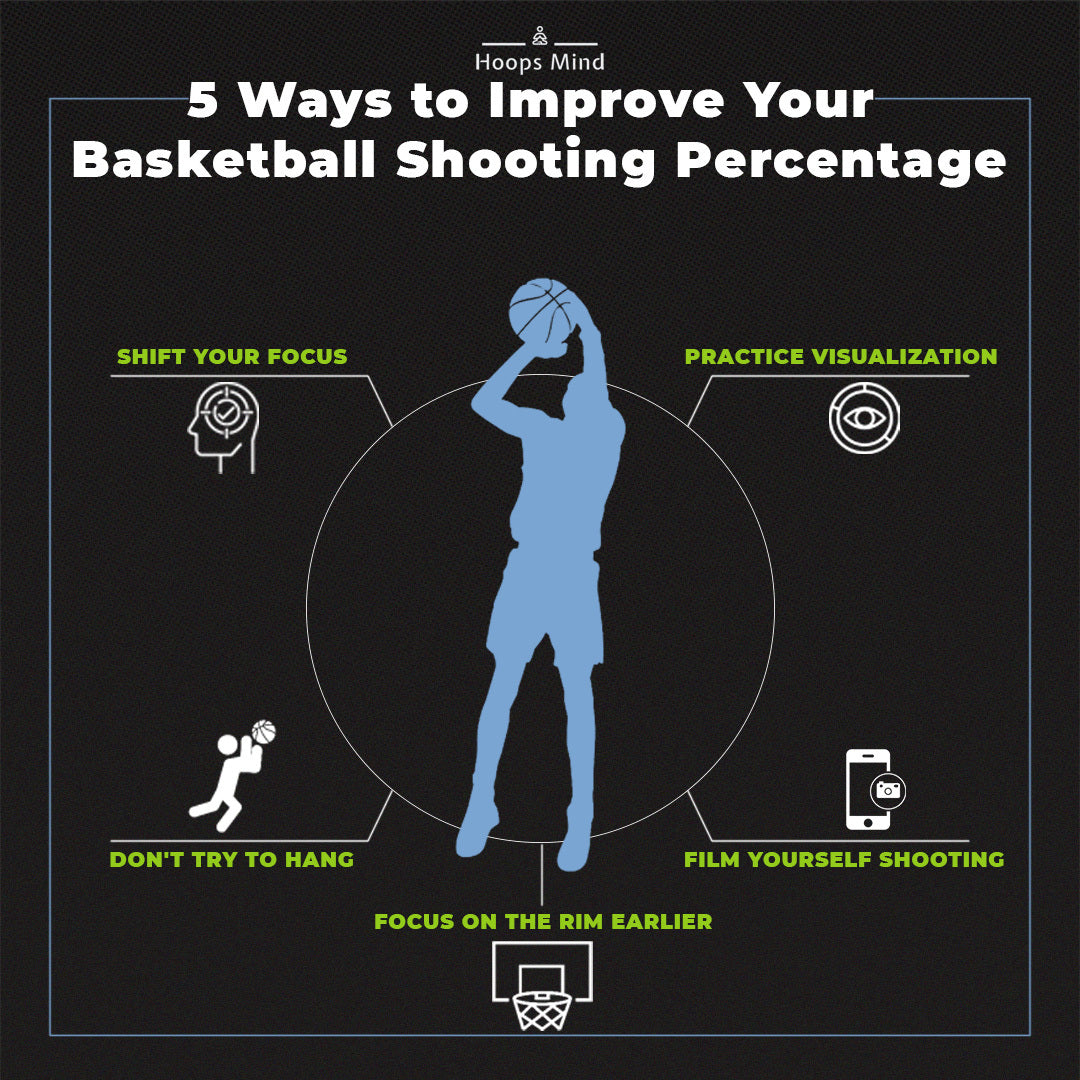
- Visualize: Picture the ball going in before you shoot.
Your routine should be simple, repeatable, and comfortable for you. The goal is to signal your body that it’s time to shoot.
Practicing Under Game-like Pressure
Shooting alone is easier than shooting during a game. To improve your accuracy when it matters, simulate pressure.
- Timed Drills: Give yourself a time limit and try to make a certain number of shots.
- Fatigue Shooting: Take shots when you’re tired, just like in a real game.
- Challenge Drills: Compete with friends or teammates for rewards or bragging rights.
Pressure practice makes your real-game performance more reliable. Many beginners only practice when relaxed, but that’s not how games feel.
Strengthening Your Core And Legs
Your core and legs are the power sources for your shot. Weak legs or poor balance lead to missed shots.
- Squats and Lunges: Build leg strength for better lift and stability.
- Planks: Develop a strong core for balance.
- Jump Rope: Improve foot speed and endurance.
Don’t ignore physical fitness. Even the best technique won’t help if your body can’t support it.
Using Video Analysis For Self-improvement
Recording your shot can reveal problems you never notice in real time.
- Angle Review: Check if your elbow or feet are out of alignment.
- Compare with Pros: Watch slow-motion videos of professional shooters.
- Track Changes: Save your videos to see progress over weeks or months.
Many free apps let you analyze frame-by-frame. This method is underused by recreational players but is a secret weapon for improvement.
Working On Free Throws Separately
Free throws are different from other shots because they are always unguarded and from the same distance. Yet, even pros miss when tired or under pressure.
- Routine: Use the same pre-shot routine every time.
- Volume: Shoot at least 50 free throws each practice.
- Mental Focus: Treat every attempt as if the game depends on it.
A small improvement in free throw accuracy can win close games.
Incorporating Advanced Shooting Drills
Once you master the basics, add advanced drills to challenge yourself.
- Spot Shooting: Move between five spots around the arc, shooting from each.
- Off-the-Dribble Shots: Take one or two dribbles before shooting, simulating game actions.
- Catch and Shoot: Have someone pass to you, then shoot quickly.
- Fadeaways: Practice shooting while moving away from the basket.
Change drills regularly to avoid getting bored and to keep improving different skills.
Managing Mental Focus And Confidence
Shooting is as much mental as physical. When you doubt yourself, accuracy drops.
- Positive Self-Talk: Replace negative thoughts with encouraging words.
- Short Memory: Forget missed shots quickly. Focus on the next one.
- Visualization: Imagine yourself succeeding before you shoot.
Many players train their bodies but forget their minds. Confidence is a skill you can build.

Comparing Different Shooting Techniques
There are several shooting techniques, and some may fit your style better.
| Technique | Main Feature | Best For |
|---|---|---|
| Set Shot | Minimal jump, quick release | Free throws, open shots |
| Jump Shot | High jump, shot at peak | Over defenders, mid-range |
| One-Handed Release | Guide hand supports, shooting hand releases | Most standard jumpers |
Try each technique and see which feels most natural. Watching professionals with different styles can inspire you to experiment.
Getting Feedback From Coaches And Teammates
It’s hard to see all your mistakes by yourself. Feedback helps you fix errors faster.
- Ask for Specifics: Don’t just ask, “How was my shot?” Instead, ask, “Was my elbow in line? Did I jump straight up?”
- Peer Review: Practice with teammates and offer tips to each other.
- Professional Advice: If possible, attend a basketball clinic or watch coaching videos.
Constructive feedback speeds up improvement and keeps you motivated.
Rest And Recovery For Consistency
Shooting well requires a healthy, rested body. Overtraining can lead to tired legs, poor focus, and injury.
- Sleep: Aim for 7-8 hours per night to let your body recover.
- Active Rest: Light stretching or walking helps you recover without losing rhythm.
- Hydration and Nutrition: Drink water and eat well to keep energy levels high.
Remember, progress comes from smart work, not just hard work.
Using Technology And Resources
Modern basketball players have many tools to boost accuracy.
- Shooting Sleeves: Some players feel more confident or comfortable using them.
- Apps: Track your shots and improvement with mobile apps.
- Online Resources: Learn from instructional videos and articles, such as those found on the Wikipedia Basketball page.
Stay curious and use resources that fit your learning style.

Frequently Asked Questions
What Is The Most Important Factor In Improving Shooting Accuracy?
The most important factor is consistent practice with proper form. If you repeat good technique regularly, your accuracy will improve over time.
How Long Does It Take To See Results From Shooting Practice?
Most players notice small improvements within 2–4 weeks of daily practice. Major changes can take months, so stay patient and keep practicing.
Should I Practice Free Throws And Jump Shots Separately?
Yes, free throws and jump shots use different mechanics and situations. Practicing each separately helps you build skill and confidence in both areas.
Can Strength Training Really Improve My Shooting?
Absolutely. Strong legs and core give you more power and balance, leading to better accuracy, especially when shooting from a distance or under pressure.
How Can I Avoid Getting Discouraged After Missing Shots?
Misses are part of learning. Focus on your overall progress, not single misses. Use positive self-talk and keep tracking your improvement to stay motivated.
Improving your basketball shooting accuracy is a mix of smart practice, attention to detail, and belief in yourself. Every great shooter started with the basics and built their skills step by step. If you stay dedicated, use feedback, and challenge yourself, you’ll see your shots fall more often—and enjoy the game even more.