
Keeping your kayak clean does more than just make it look good. It helps your kayak last longer, perform better, and prevents unwanted things like mold or invasive species from sticking around. Whether you’re a weekend paddler or a dedicated explorer, knowing how to clean a kayak the right way can save you money and effort over time.
Many people underestimate how much a simple cleaning routine can prevent costly repairs or even keep you safe on the water. Let’s break down the full cleaning process so you can enjoy every trip with a kayak that feels (and looks) brand new.

Today's Exclusive Deals
Limited-time Exclusive Deals. Check current discount on Amazon.
Check Price on Amazon As an Amazon Associate I earn from qualifying purchases.Why Kayak Cleaning Matters
Kayaks face many challenges—sun, water, mud, salt, algae, and even tiny animals. Over time, dirt and debris can scratch your kayak or make it heavy. Saltwater, especially, can damage metal parts and cause fading. Cleaning your kayak regularly:
- Prevents wear and tear on plastic or fiberglass
- Stops mold and bad smells from growing
- Keeps pests and invasive species away
- Improves safety by keeping handles, seats, and storage working well
- Protects your investment, so your kayak keeps its value
Ignoring cleaning is one of the main reasons kayaks need early repairs or lose their shine.
What You Need Before You Start
Gathering the right supplies first will save time and make cleaning easier. You don’t need fancy products, but using the right tools helps avoid scratches.
Essentials:
- Fresh water (bucket, hose, or spray bottle)
- Mild soap (dish soap or kayak-safe cleaner)
- Soft sponge or non-abrasive brush
- Old toothbrush for small areas
- Clean towels or microfiber cloths
- White vinegar (for mold or mildew)
- Silicone spray or UV protectant (for plastic/fiberglass kayaks)
- Rubber gloves (optional, for sensitive skin)
For saltwater kayaks, you may also want a marine-grade metal cleaner for hardware.
Step-by-step: How To Clean A Kayak
Cleaning a kayak is not difficult, but following these steps ensures you don’t miss important areas. Here’s how to do it right:
1. Rinse Off Loose Dirt
Start with a good rinse. Use a hose or bucket of water to remove mud, sand, leaves, or salt. Pay special attention to the bottom, footrests, and cockpit rim. This first step prevents scratching the surface during scrubbing.
2. Wash The Exterior
Mix a few drops of mild soap with warm water. Use a soft sponge or cloth to gently clean the outside. Work in small sections, moving from bow to stern (front to back). Avoid harsh brushes, which can scratch plastic or gelcoat.
If you find stubborn marks, wet them for a few minutes, then scrub with a little more pressure using the sponge or an old toothbrush.
3. Clean The Cockpit
The cockpit collects sweat, dirt, and even food crumbs. Remove the seat and any padding if possible. Wash these parts separately with soap and water. Scrub the inside, paying attention to the footrests and under the seat. Rinse well to remove any soap.
4. Tackle Mold And Mildew
If you see black or green spots, you may have mold or mildew. Mix equal parts white vinegar and water, spray on the affected area, and let it sit for 10-15 minutes. Scrub with a brush, then rinse. Vinegar kills most mold spores and is safe for most kayak materials.
5. Check And Clean Hardware
Don’t forget metal parts like handles, bolts, foot pedals, or rudder systems. Use a brush to remove dirt, then wipe with a damp cloth. For saltwater kayaks, rinse hardware very well to remove all salt, which can cause rust.
6. Clean Storage Areas
Open all hatches and storage compartments. Remove any gear or trash. Wash these spaces with soapy water and a sponge. Dry them fully—trapped moisture can lead to bad smells or mold.
7. Rinse Thoroughly
After scrubbing, rinse the entire kayak with clean water. Any leftover soap can make the surface slippery and attract dirt.
8. Dry Completely
Use towels or microfiber cloths to dry all surfaces, especially inside storage and cockpit areas. Let the kayak air dry in the shade if possible—direct sun can fade colors.
9. Inspect For Damage
As you clean, look for cracks, deep scratches, or loose hardware. Early repairs can stop bigger problems later.
10. Apply Protection (optional)
Spray a light layer of UV protectant or silicone spray on the hull and deck. This step helps prevent fading and keeps plastic or fiberglass smooth. Wipe off any excess with a clean cloth.
How Often Should You Clean Your Kayak?
How often you clean depends on where and how you paddle:
- After every saltwater trip
- After muddy or swampy water
- After long storage
- Before and after each season
- Whenever you see mold, dirt, or smell something odd
Saltwater kayaks need more frequent cleaning because salt is very harsh.
Special Tips For Different Kayak Materials
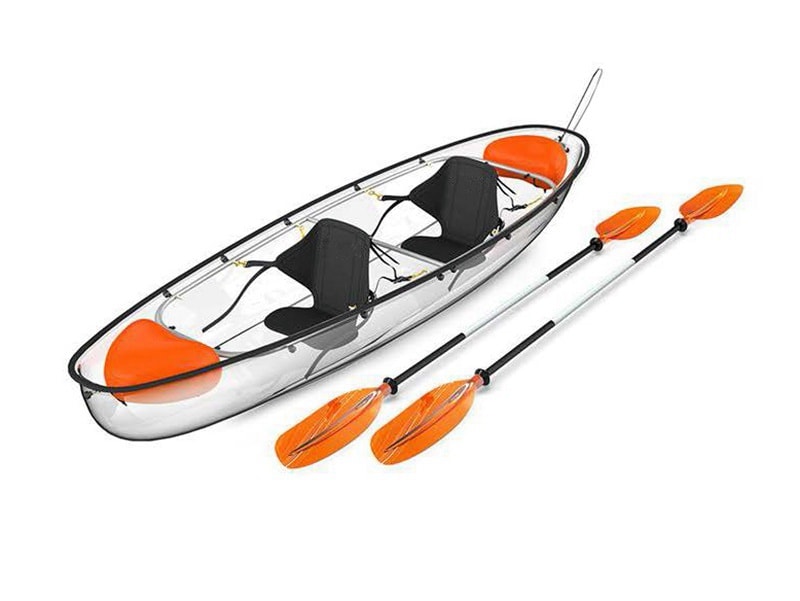
Kayaks come in different materials—plastic, fiberglass, and sometimes wood. Each needs a slightly different approach.
| Material | Cleaning Advice | What to Avoid |
|---|---|---|
| Plastic | Use mild soap, soft cloth, and rinse well | Abrasive brushes, harsh chemicals |
| Fiberglass | Wash gently, use UV protectant, check for cracks | Strong acids, pressure washers |
| Wood | Use as little water as possible, dry quickly | Soaking, strong detergents |
Non-obvious insight: Even “mild” cleaning products can damage decals or stickers. Test on a small spot first.
Advanced Cleaning: Removing Stains And Odors
Sometimes, you’ll run into stains or smells that basic cleaning won’t fix.
- Tough stains: Use a paste of baking soda and water. Rub gently, rinse off.
- Bad odors: Leave a box of baking soda inside storage for a day, or spray with diluted vinegar.
- Oily spots: Mild dish soap works well, but rinse thoroughly.
If you paddle in lakes or rivers with algae blooms, always disinfect your kayak to avoid spreading invasive species. Some regions require this by law.

How To Clean Kayak Accessories
Your kayak isn’t the only thing that needs cleaning. Paddles, life jackets, and other gear can collect dirt or even dangerous bacteria.
Paddles
- Rinse with fresh water, especially after saltwater use.
- Wipe the shaft and blades with soapy water.
- Dry fully before storage.
Life Jackets
- Hand wash in mild soapy water.
- Avoid machine washing or drying.
- Hang in the shade to dry.
Spray Skirts And Dry Bags
- Rinse inside and out.
- Scrub with a sponge if muddy.
- Let dry fully to prevent mildew.
Many people forget to clean accessories. This can lead to hidden smells or even equipment failure.
Storing Your Kayak After Cleaning
Proper storage keeps your kayak clean longer and prevents new problems.
- Store out of sunlight to prevent UV damage.
- Keep off the ground to avoid dirt and moisture.
- Loosen straps if stored on a rack, to avoid denting the hull.
- Ventilate storage spaces so air can flow, preventing mold.
If you must cover your kayak, use a breathable cover—not plastic—which traps moisture.
Common Mistakes To Avoid
Even experienced paddlers make cleaning mistakes. Here are some to watch for:
- Using pressure washers: These can damage seals or paint.
- Skipping small parts: Footrests, handles, or rudders often collect hidden dirt.
- Forgetting to dry: Storing a wet kayak leads to mold and bad smells.
- Using harsh chemicals: Bleach or strong cleaners can fade colors or weaken plastic.
- Ignoring cleaning after saltwater: Salt is very corrosive, even if you can’t see it.
The Environmental Impact Of Cleaning
When cleaning your kayak, be mindful of where soap and rinse water go. Don’t dump soapy water into lakes or rivers. Use biodegradable soap and clean away from the shoreline if possible.
Some paddlers now use eco-friendly sprays to stop the spread of invasive species. For more on this, see the resources at National Park Service.
Comparing Cleaning Methods
Here’s a simple look at the pros and cons of different cleaning methods for kayaks:
| Method | Pros | Cons |
|---|---|---|
| Hand wash with sponge | Gentle, thorough, cheap | Takes more time |
| Pressure washer | Fast, powerful | Can damage seals, paint |
| Automatic car wash | Quick, easy | Not suitable for kayaks, chemicals may harm materials |
Non-obvious insight: Fast methods are tempting, but gentle hand cleaning always extends your kayak’s life.
Extra Tips For Kayak Owners
- Label your kayak with a permanent marker inside the cockpit—if lost, a clean kayak is easier to ID.
- Clean before every trip in a new area to avoid spreading unwanted organisms.
- Keep a small cleaning kit (sponge, soap, towel) in your car or gear bag. This makes cleaning after each trip easy.
Frequently Asked Questions
How Do I Remove Stickers Or Adhesive From My Kayak?
Peel off as much as possible by hand. For sticky leftovers, use a little olive oil or isopropyl alcohol on a cloth. Rub gently, then wash with soap and water. Avoid strong solvents, which can damage plastic.
Can I Use Car Wax On My Kayak?
Car wax is safe for fiberglass kayaks but not always for plastic. Use a kayak-specific UV protectant for plastic models to avoid slippery or uneven surfaces.
Is It Okay To Use Bleach To Kill Mold?
Bleach can weaken kayak materials and fade colors. Instead, use diluted white vinegar, which is safer and works well against mold and mildew.
Should I Clean My Kayak If I Only Use It In Freshwater?
Yes. Even freshwater contains dirt, bacteria, and sometimes invasive species. Regular cleaning keeps your kayak safe and long-lasting.
What Should I Do If I Find A Crack While Cleaning?
Small cracks can sometimes be repaired with plastic weld or marine epoxy. For larger damage, contact a kayak repair shop before using the kayak again.
Keeping your kayak clean is not just about looks—it’s key for safety, durability, and protecting the places you paddle. With the right routine, you’ll spend less time on repairs and more time on the water. Whether you’re new to kayaking or have years of experience, a clean kayak is always a better kayak.