Storing your kayak at home can seem simple, but doing it the wrong way can damage your boat, waste space, or even create hazards in your garage or backyard. Whether you have a sleek sea kayak, a sturdy fishing kayak, or a lightweight inflatable, proper storage will keep your kayak in good shape and ready for your next adventure.
This guide covers everything you need to know—from choosing the right spot, to the best storage methods, and avoiding common mistakes that many beginners make.

Today's Exclusive Deals
Limited-time Exclusive Deals. Check current discount on Amazon.
Check Price on Amazon As an Amazon Associate I earn from qualifying purchases.Why Proper Kayak Storage Matters
A kayak is an investment. If you store it well, it can last for years with minimal maintenance. But if you leave it in the wrong place, it can warp, crack, fade, or even grow mold. Here’s why proper storage is important:
- Prevents hull distortion: Kayaks can lose their shape if left on a hard surface or uneven ground for a long time.
- Protects from weather: Sun, rain, and snow can weaken the material and fade the color.
- Reduces pest problems: Rodents and insects love dark, damp spaces.
- Keeps you safe: Tripping over a poorly stored kayak is a real risk.
Choosing The Right Location
Not every space is suitable for kayak storage. Your choice depends on your home, climate, and available space. Here are the most common options:
Indoor Storage
Storing your kayak indoors is best, especially if you have a garage, basement, or large shed. Indoors, your kayak is safe from weather, theft, and most pests. If you’re tight on space, consider wall mounts or ceiling hoists to keep the floor clear.
Outdoor Storage
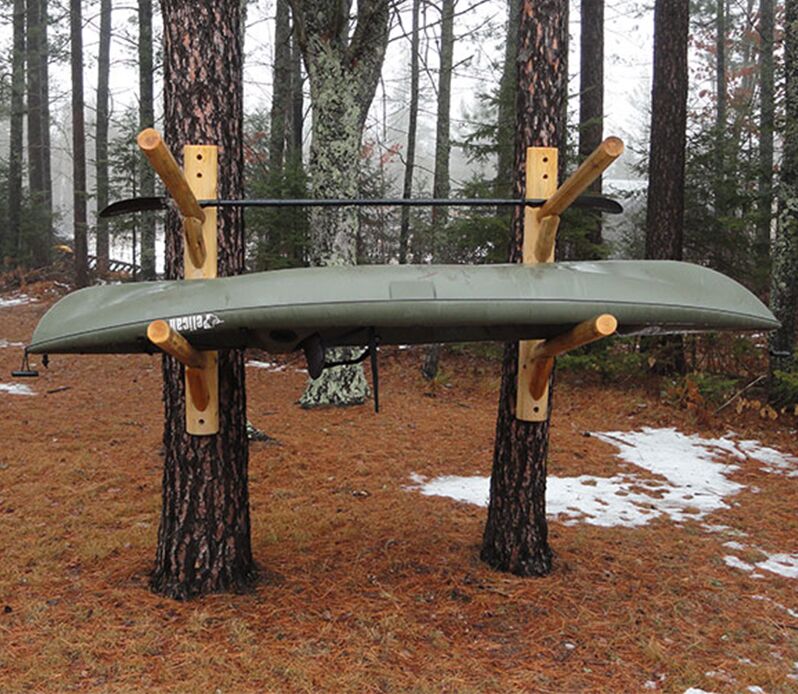
If indoor storage isn’t possible, you can still keep your kayak outside, but you’ll need to protect it from sunlight, rain, and snow. Use a waterproof cover, and try to keep the kayak off the ground to avoid moisture.
Apartment Or Small-space Solutions
For those living in apartments or with limited space, inflatable or folding kayaks are easier to store. Consider a storage locker, balcony, or a compact wall rack.

Kayak Storage Methods Compared
Different storage methods suit different situations and kayak types. Here’s a comparison to help you choose:
| Method | Best For | Main Advantage | Main Risk |
|---|---|---|---|
| Wall Mount | Garages, sheds | Saves floor space | Needs strong wall anchors |
| Ceiling Hoist | High ceilings | Uses unused space | Harder to access |
| Free-Standing Rack | Yards, patios | Portable | Takes up space |
| Suspended Straps | Indoor/outdoor | Even weight support | Needs secure mounting |
| On the Ground (Not Advised) | Short-term only | No installation needed | Deforms hull, absorbs moisture |
How To Store A Kayak: Step-by-step
Let’s get practical. Here’s a simple process for safe kayak storage at home.
1. Clean And Dry The Kayak
Before putting your kayak away, rinse it with fresh water to remove dirt, salt, or sand. Dry it completely to prevent mold or mildew.
2. Choose Your Storage Location
Pick a spot that’s protected from sun and rain, ideally inside. Make sure the area is free from sharp objects that could scratch your kayak.
3. Decide On A Storage Method
- Wall mounts: Use padded arms or cradles to hold the kayak.
- Ceiling hoists: Suspend the kayak using straps or pulleys.
- Racks or stands: Store the kayak on padded supports.
- Suspended straps: Hang the kayak hull-up with wide straps.
4. Position The Kayak Correctly
The best way to store a kayak is on its side or upside down (hull up). This supports the strongest part of the kayak and prevents warping. Never store it resting flat on the hull for long periods.
5. Cover And Secure
If storing outdoors, use a UV-resistant cover. Lock your kayak to a fixed object if theft is a risk.
Indoor Storage: Solutions And Tips
Indoor storage is the safest option. Here’s how to make it work for you.
Wall Mounts
Install wall mounts at a height that makes lifting easy. Use padded arms or hangers. Place the mounts about one-third of the kayak’s length from each end. This spreads the weight evenly.
Ceiling Hoists
If you have high ceilings, ceiling hoists can save space. Use a pulley system to lift the kayak overhead. Double-check that the mounting hardware is secure—kayaks are heavy, and you don’t want it falling.
Stands And Racks
If you have floor space, a free-standing rack is simple and flexible. You can move it if you rearrange your garage. Make sure the rack has padding to avoid scratches.
Inflatable And Folding Kayaks
These can be stored on shelves or in closets. Just make sure they’re fully dry before packing away to prevent mold.
Outdoor Storage: Protecting Your Kayak
Outdoor storage is common, especially for larger kayaks, but it needs more care.
Elevate The Kayak
Keep your kayak off the ground. Use a rack, saw horses, or hang it from straps. This prevents moisture from the ground and keeps pests away.
Use A Cover
A fitted, UV-resistant cover protects from sun, rain, and debris. Avoid wrapping the kayak in plastic—this can trap moisture and cause mildew.
Shelter From Sun And Rain
Place your kayak under a roof, awning, or tarp. Sunlight breaks down plastic and fiberglass over time, making your kayak brittle.
Lock It Up
Kayaks can be stolen. Secure yours with a cable lock, especially if it’s visible from the street.
Storing Different Types Of Kayaks
Not all kayaks are the same. Here’s how to adapt your storage for each type.
| Kayak Type | Storage Tips | Special Concerns |
|---|---|---|
| Hardshell (plastic, fiberglass) | Store on side or hull-up; padded supports | Sun and pressure can deform hull |
| Inflatable | Deflate, dry, store in bag indoors | Punctures, mold |
| Folding | Disassemble, dry, store in case | Moisture in joints, frame warping |
| Wooden | Dry, store indoors, cover | Moisture causes rot |
Common Kayak Storage Mistakes (and How To Avoid Them)
Many people make the same errors when storing their kayak. Here’s what to watch out for:
- Leaving the kayak on the ground: Pressure points lead to warping. Always elevate your kayak, even if only a few inches.
- Exposing to direct sunlight: UV rays weaken plastic and fade colors. Use a cover or find shade.
- Storing hull-down: Over time, the hull can flatten. Store on the side or hull-up.
- Ignoring moisture: Water trapped inside leads to mildew and bad smells. Always dry your kayak thoroughly.
- Using narrow straps or rope: Thin straps can dig into the kayak and deform it. Use wide, padded supports.
- Not checking regularly: Out of sight, out of mind. Inspect your kayak every few weeks for pests, moisture, or damage.
Advanced Tips For Long-term Storage
If you won’t use your kayak for months, a few extra steps can help:
- Remove any seats, paddles, and gear to avoid mildew or rust.
- Loosen or remove hatch covers so air can circulate.
- If you have a composite kayak, wax the hull before storing to add protection.
- Check the kayak at least once a season, even in storage.
How Climate Affects Kayak Storage
Your local weather changes what’s best for storage:
- Hot, sunny climates: Sun is your main enemy. Always use a UV cover and store in shade.
- Cold climates: Freezing can crack composite kayaks. Store indoors if possible, and never let water freeze inside.
- Wet climates: Mold and pests are a risk. Ventilate storage areas, dry the kayak fully, and check for leaks.
Kayak Storage Accessories Worth Considering
Some products make kayak storage easier and safer:
- Kayak covers: Choose one that fits snugly and blocks UV rays.
- Padded racks: Protect your hull from scratches and dents.
- Ceiling hoists: Great for garages with high ceilings.
- Wheel carts: Move your kayak without dragging it.
Real-world Examples
- A family in Florida stored their kayaks outdoors for two years, uncovered. The hulls faded and softened, and one kayak warped so badly it became unusable.
- An apartment dweller in Seattle used a wall mount with padded cradles and a cover. After five years, the kayak looked almost new.
- A beginner left their inflatable kayak damp in a bag over winter. Mold grew, and the kayak had to be replaced.
Two Insights Beginners Miss
First, kayaks can deform faster than you think if stored incorrectly. A few weeks on a flat surface in the sun can cause permanent damage. Second, moisture inside your kayak is as dangerous as water outside. Even small amounts can lead to mold, rust, and bad smells, especially in sealed compartments.
Final Checks Before You Store
- Inspect for cracks, dents, or leaks.
- Make sure all parts are dry—especially inside hatches and under seats.
- Double-check that supports are wide and padded.
- Confirm your kayak is secure and can’t fall or be stolen.

Frequently Asked Questions
How Often Should I Check My Stored Kayak?
Check your kayak at least once a month. Look for signs of warping, pests, or moisture. In humid climates, check more often.
Can I Hang My Kayak By The Handles?
No. Handles are not designed to support the kayak’s weight for long periods. Use wide straps or cradles instead.
What Is The Best Way To Store A Kayak Outdoors?
Keep the kayak off the ground, covered with a UV-resistant cover, and in a shaded area. Lock it to prevent theft.
How Do I Prevent Mold In My Kayak?
Always dry your kayak completely before storing. Remove seats and open hatches for airflow. Store indoors in a dry place if possible.
Is It Safe To Store An Inflatable Kayak Inflated?
It’s better to deflate and dry your inflatable kayak before storing. This prevents pressure damage and mold growth.
For more detailed information on kayak maintenance and care, you can visit the Wikipedia Kayak page.
Storing your kayak the right way protects your investment and means less hassle next season. With these tips and a little planning, your kayak will be ready whenever adventure calls.