Paddle boarding is becoming more popular every year. People love it for exercise, adventure, or just relaxing on the water. But one thing that can make or break your paddle boarding experience is how you inflate your board. If you’ve ever spent 20 minutes pumping and sweating before you even get on the water, you know what I mean. That’s where the dual-action paddle board pump comes in. This article explains what a dual-action pump is, how it works, why it matters, and how to use it for the best results.
What Is A Dual-action Paddle Board Pump?
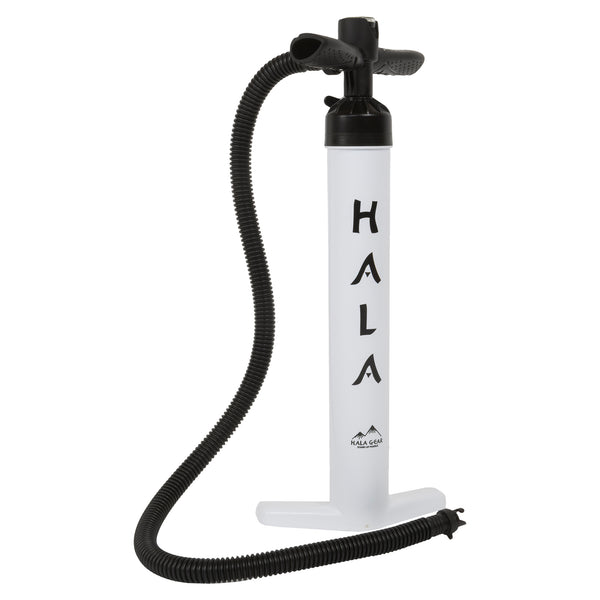
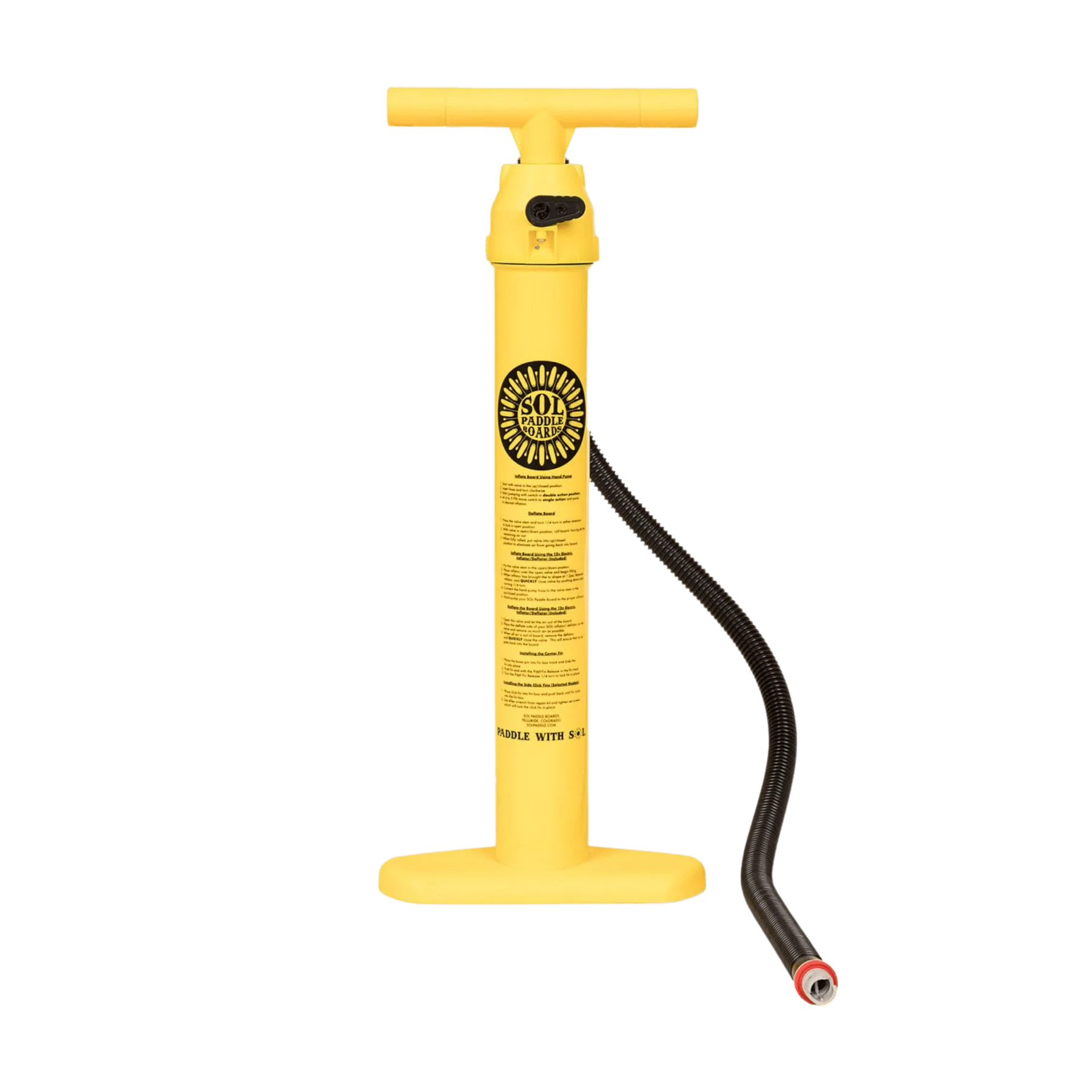
A dual-action paddle board pump is a hand-operated pump designed to inflate stand up paddle boards (SUPs) faster and with less effort. The “dual-action” part means that the pump adds air both when you push down and pull up on the handle. This is different from a single-action pump, which only inflates on the down stroke.
Today's Exclusive Deals
Limited-time Exclusive Deals. Check current discount on Amazon.
Check Price on Amazon As an Amazon Associate I earn from qualifying purchases.With a dual-action pump, every movement counts. You fill your SUP with air twice as fast, and your arms don’t get as tired. Most inflatable paddle boards include a pump, but not all are dual-action. Some boards come with single-action pumps, which are slower.
How Does A Dual-action Pump Work?
The secret is in the pump’s internal design. Inside, there are two chambers and a special air valve. In dual-action mode, both chambers push air into your board. When you push down, the first chamber fills the board. When you pull up, the second chamber does the same.
Most dual-action pumps have a switch or plug. When your board starts to get harder to pump (high pressure), you can switch to single-action mode. This means only the down stroke pushes air, which is easier on your arms when you’re close to the target PSI.
Dual-action Vs. Single-action
Here’s a simple comparison between dual-action and single-action pumps:
| Feature | Dual-Action Pump | Single-Action Pump |
|---|---|---|
| Inflates on | Up and down strokes | Down stroke only |
| Inflation speed | Much faster | Slower |
| Effort needed | Lower overall | Higher, more tiring |
| Switch to single-action? | Usually possible | Not possible |
Dual-action pumps are almost always the better choice for inflatable paddle boards, especially for boards that need high pressure (15 PSI or more).

Why Does Pump Choice Matter For Paddle Boards?
You might wonder why you should care about your pump. The truth is, a good pump can save you time and energy. Inflatable paddle boards need to be stiff to perform well. That means they need high pressure—usually between 12 and 18 PSI.
Getting to this pressure with a poor pump takes a long time and wears you out before you even start paddling.
With a dual-action paddle board pump, you:
- Spend less time inflating
- Get on the water faster
- Save your energy for paddling
- Get a stiffer, better-performing board
If you use a low-pressure or slow pump, your board might feel soft and bendy, which makes balancing and paddling harder. Some people even give up on paddle boarding because they think it’s too much work—when really, they just had the wrong pump.
Main Features Of Dual-action Paddle Board Pumps
Not all dual-action pumps are the same. Here are the key features to look for when choosing one:
- Pressure gauge: Shows how much air is in your board. Helps you avoid under- or over-inflating.
- Switchable modes: Lets you change from dual-action (fast, for low pressure) to single-action (easier, for high pressure).
- Strong hose: A quality hose won’t pop off under pressure.
- Comfortable handles: Makes pumping easier on your hands.
- Sturdy base: Wide, stable bases keep the pump from tipping.
- Compact design: Easier to carry and store.
- Multiple valve adapters: Fits different boards and inflatables.
A pump with these features makes your life much easier, especially if you paddle often.
Step-by-step Guide: How To Use A Dual-action Pump
Using a dual-action pump is simple, but there are tricks to make it even easier. Here’s a step-by-step guide:
- Unroll your paddle board and lay it flat on a clean surface.
- Attach the hose to the pump and the board’s valve. Make sure it’s secure.
- Set the pump to dual-action mode. This is usually done with a switch or by inserting a plug.
- Start pumping: Use both hands and your legs for power. In this mode, both up and down strokes push air in.
- Watch the pressure gauge. When you reach about 7–8 PSI, it will get harder to pump.
- Switch to single-action mode. Remove the plug or flip the switch. Now, only the down stroke inflates. This reduces resistance and protects your arms.
- Continue until you reach the recommended PSI. Most boards need 12–18 PSI.
- Remove the hose quickly and close the valve to avoid losing air.
- Check the board’s firmness by pressing with your hand or standing on it.
Pro Tips For Easy Pumping
- Pump in the shade if possible. Sun makes the air in your board expand, which can cause over-inflation.
- Use your body weight, not just your arms. Stand with feet on the base and lean in.
- Don’t rush. Fast, steady strokes are best.
- If you pump often, consider an electric pump for even less effort.
Advantages Of Dual-action Pumps
There are clear reasons why so many paddle boarders prefer dual-action pumps:
- Speed: Dual-action pumps cut inflation time in half compared to single-action.
- Efficiency: Less energy is wasted, so you’re not tired before paddling.
- Better board performance: Reaching the right PSI is easier, leading to a stiffer board.
- Versatility: Many dual-action pumps work with other inflatables, like kayaks or rafts.
- Longer pump life: Less strain per use means the pump lasts longer.
With these advantages, dual-action pumps are now standard with most high-quality inflatable SUPs.
Common Problems And Solutions
Even the best dual-action pumps can have issues. Here are the most frequent problems and what to do about them:
- Air leaks at the hose or valve: Make sure all connections are tight. Replace old or cracked O-rings.
- Stuck in dual-action mode: If your pump doesn’t switch to single-action, check for sand or dirt in the switch.
- Pressure gauge not working: The gauge only moves when there’s enough back pressure. Make sure your hose is attached correctly and the valve is open.
- Pump feels too hard to use: Switch to single-action earlier, or check for blockages in the hose.
- Pump doesn’t inflate: Check the direction of the hose (some have in and out ports). Make sure the board’s valve is open for inflating.
If your pump is still not working after these checks, you may need a replacement part or a new pump.
Tips For Maintaining Your Dual-action Pump
Taking care of your pump means it will last for many years. Here’s what you should do:
- Rinse with fresh water after use, especially if you were at the beach. Sand and salt can damage the seals.
- Dry before storing. Don’t leave your pump wet in a bag or car.
- Check for cracks or leaks in the hose and body. Replace parts as needed.
- Lubricate moving parts with silicone spray if the pump feels stiff.
- Store in a cool, dry place. Heat can warp plastic parts or make rubber brittle.
A little care goes a long way. Most pump problems are easy to fix if you catch them early.
How To Choose The Right Dual-action Pump
Not all dual-action pumps are created equal. Here’s what matters most when choosing one:
| Feature | Why It Matters |
|---|---|
| Max PSI capacity | Must be higher than your board’s target PSI |
| Build quality | Prevents breaking or leaks |
| Weight and size | Easier to carry if you hike to the water |
| Pressure gauge | Helps avoid under- or over-inflating |
| Valve compatibility | Ensures it fits your board |
| Warranty | Added peace of mind |
A common beginner mistake is choosing a pump based only on price. Cheaper pumps may be slower, less durable, or lack a gauge. Always check the specs and reviews before buying.
Dual-action Pump Vs. Electric Pump
Many people wonder if they should get an electric pump instead. Here’s a quick look at how they compare:
- Dual-action pumps are lighter, don’t need batteries, and are more reliable. They work anywhere, even on remote lakes or rivers.
- Electric pumps do the work for you but need a power source (car battery or outlet). They are heavier and more expensive.
If you paddle often, or inflate boards for a family, an electric pump may be worth it. But for most people, a quality dual-action pump is the best mix of speed, cost, and reliability.
Non-obvious Insights Beginners Miss
Many new paddle boarders don’t realize that inflation speed is not just about convenience. Inflating quickly also means less air escapes, so you’re more likely to reach the full PSI. Another point: as you get close to the target pressure, you may feel the pump become harder to use. Some people stop early, thinking the board is “good enough,” but this means your board will be floppy and slow. Always use the gauge and reach the recommended PSI.
Real-world Example
Let’s say you have an inflatable SUP that needs 15 PSI. With a single-action pump, it takes 10–15 minutes and you might feel tired before paddling. With a dual-action pump, you can do it in 5–7 minutes, and with less sweat.
This means more time on the water and less frustration. For group trips, this matters even more—nobody wants to wait for one slow pump to inflate three boards.
Related Resources
If you want to learn more about paddle board equipment, you can check this helpful guide from Wikipedia.
Frequently Asked Questions
What Is The Difference Between Dual-action And Single-action Paddle Board Pumps?
Dual-action pumps inflate on both the up and down strokes, making inflation much faster. Single-action pumps only inflate on the down stroke, which takes more time and energy.
How Do I Know When To Switch From Dual-action To Single-action Mode?
Most pumps have a switch or plug for changing modes. When pumping gets very hard (usually above 7–8 PSI), switch to single-action. This makes the final part of inflating easier.
Can I Use A Dual-action Pump For Other Inflatables?
Yes. Many dual-action pumps come with multiple adapters and can be used for kayaks, inflatable boats, or even air mattresses. Always check the adapter fits before using.
What Should I Do If My Pump Is Not Reaching The Correct Psi?
Check all connections for leaks, and make sure the gauge is working. If your pump is still not reaching the right PSI, try switching to single-action mode for more pressure. If that fails, your pump may be worn out or broken.
Is A Dual-action Pump Better Than An Electric Pump?
It depends. Dual-action pumps are reliable, portable, and work anywhere. Electric pumps do the work for you but need power. For most people, a dual-action pump is the best choice, but frequent users may prefer electric.
If you want to enjoy paddle boarding without the hard work of inflating, choosing a good dual-action paddle board pump is one of the smartest investments you can make. It’s a small upgrade that makes a big difference on every trip to the water.