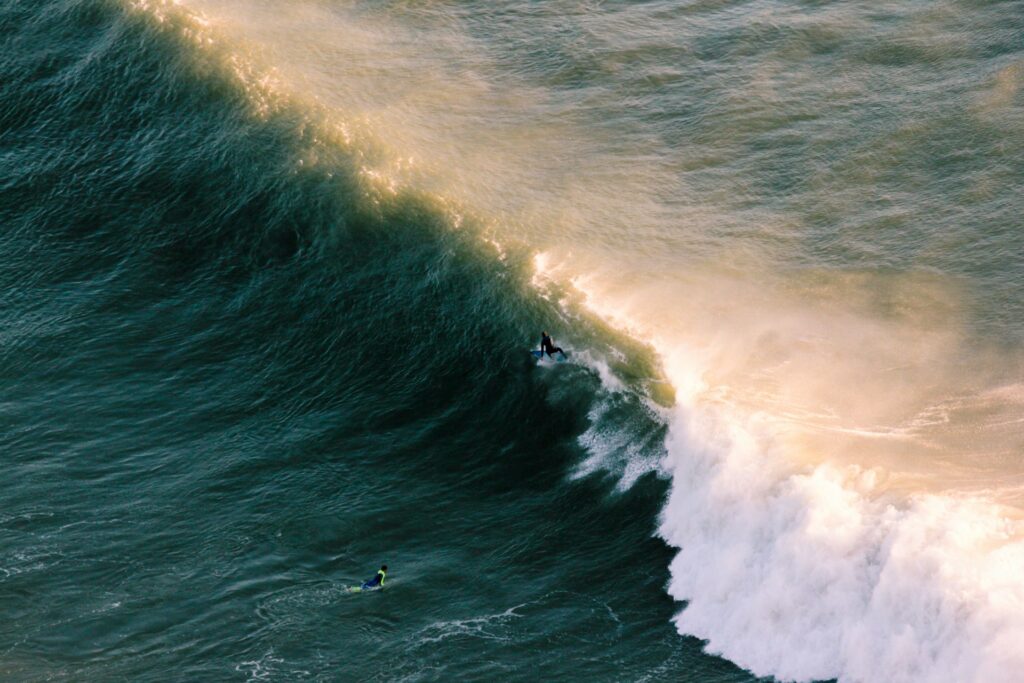
How Do Tides Affect Surfing Waves?
If you’ve ever paddled out on a surfboard and found the waves not quite what you expected, you’re not alone. Even at the world’s best surf spots, the ocean changes constantly. One of the biggest reasons for this is the tide—the regular rise and fall of the ocean’s surface. Understanding how tides affect surfing waves can turn a frustrating session into a great one, helping you choose the right time and place to catch your best ride. For both beginners and seasoned surfers, knowing how tides interact with waves is a game-changer.
Let’s dive into how tides shape the waves, why timing matters, and what every surfer should know before heading to the beach. You’ll also discover insights most beginners miss and practical tips to help you read the ocean like a local.
Today's Exclusive Deals
Limited-time Exclusive Deals. Check current discount on Amazon.
Check Price on Amazon As an Amazon Associate I earn from qualifying purchases.What Are Tides And How Do They Work?
Tides are the regular movement of ocean water, rising and falling along the coast. They are mainly caused by the gravitational pull of the moon and, to a lesser degree, the sun. As the moon orbits Earth, its gravity pulls water toward it, creating high tides on the side facing the moon and low tides on the opposite side.
Most coastlines experience two high tides and two low tides every 24 hours. This cycle is called a semidiurnal tide. Some areas have only one high and one low tide each day (diurnal), while a few places see mixed patterns. The times and heights of tides change every day, and they are influenced by the moon’s position, the sun’s position, and the shape of the coastline.
The Spring-neap Cycle
Every month, tides go through bigger and smaller swings called spring tides and neap tides. Spring tides happen during the new and full moons, when the sun, moon, and Earth line up. This causes higher high tides and lower low tides. Neap tides occur when the sun and moon are at right angles, producing less extreme tides.
Why Tides Change Daily
Tides shift about 50 minutes later each day. If high tide is at 6 am today, it will be around 6:50 am tomorrow. This means the “best tide” for surfing at your beach changes every day. Checking a tide chart is essential before planning a session.
How Tides Shape Surfing Waves
Tides do more than just move water up and down the beach—they change the size, shape, and quality of surfable waves.
Water Depth Over The Break
Most surf spots have features under the water, such as sandbars, reefs, or rock shelves. As the tide comes in, water gets deeper over these features. Deep water can make waves slower and less steep, while shallow water can make them break harder and faster.
- High Tide: Waves often lose power and become “fat” or mushy, especially on beach breaks. The deeper water doesn’t let the wave stand up as sharply.
- Low Tide: Waves can break faster and more hollow, but sometimes they close out (break all at once), making them hard to ride.
- Mid Tide: Many spots are best at mid tide, where the water is deep enough for shape but not too deep for energy.
Tidal Range And Surf Breaks
Not all surf spots respond the same way to the tide. Some are best at high tide, some at low tide, and some only work at a particular moment.
| Surf Spot Type | Best Tide | Typical Wave Quality |
|---|---|---|
| Beach Break | Mid to Low | Hollow, fast, but can close out |
| Reef Break | Mid to High | Consistent, powerful, good shape |
| Point Break | Mid | Long, peeling, good for all levels |
Non-obvious insight: The ideal tide can change after storms or seasonal sand movement. What works in summer might not work in winter.

How Tides Affect Wave Power And Shape
Tides don’t just move water—they affect the energy and direction of the waves.
Changing Wave Power
When the tide rises, the water covers more of the sandbar or reef. This can make waves less powerful, because the energy is spread out over deeper water. At low tide, waves can hit the bottom harder, making them pitchier and sometimes more dangerous.
Direction And Consistency
Some surf spots only work when the tide channels the incoming swell in a certain direction. For example, a point break may need a rising tide to funnel waves down the line. If the tide is too low, rocks or dry sand may block the ride.
Practical tip: Notice how the lineup changes during your session. If the tide is dropping, waves may get faster and hollower. If it’s rising, they may slow down or become less clean.
The Best Tide For Different Types Of Surf Spots
No two surf spots are exactly the same. Here’s how the tide interacts with the most common types.
Beach Breaks
These are sandy-bottomed spots. The shape of the sandbars changes often, especially after storms. At high tide, waves may not break at all, just rolling in as foam. At low tide, they can break too quickly and close out.
Example: Huntington Beach, California works best at low to mid tide when sandbars are well-formed.
Reef Breaks
Here, waves break over coral or rock. High tide gives a cushion of water, making the wave safer and longer. At low tide, exposed reefs can be dangerous, but waves can be more powerful.
Example: Pipeline in Hawaii is best at mid to high tide. Too low, and the sharp reef is exposed.
Point Breaks
Waves peel along a headland or rocky point. These spots often work across a range of tides but may favor a certain window for the best shape.
Example: Malibu, California is famous for long rides at mid tide. At high tide, waves can lose shape; at low tide, rocks may stick out.
Rivermouths
Some surf spots form where rivers meet the sea. The tide can change the river’s flow and move sandbars, creating or destroying perfect waves overnight.
Non-obvious insight: After heavy rain or flooding, tides can quickly reshape rivermouth breaks, making them unpredictable.
Tides And Swell Interaction
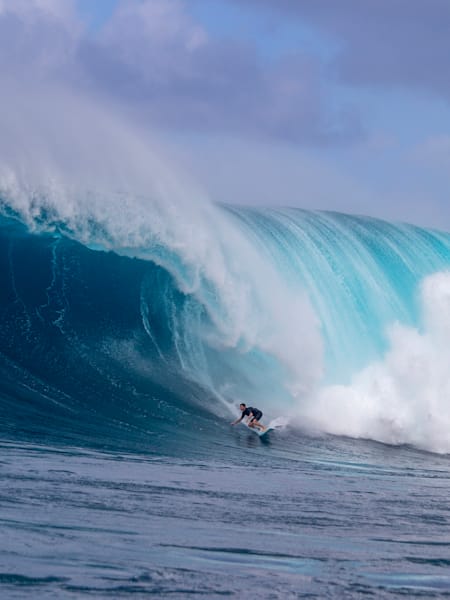
Wave quality isn’t just about the tide. It depends on how the ocean swell interacts with the bottom and the current tide level.
- Big Swell + High Tide: May make waves too “fat” or slow to surf.
- Small Swell + Low Tide: May not break at all unless the tide is right.
| Swell Size | Best Tide | Expected Wave Shape |
|---|---|---|
| Small (1-3 ft) | Low to Mid | More likely to break |
| Medium (3-6 ft) | Mid | Balanced power and shape |
| Large (6+ ft) | High | Safer, less likely to close out |
Tip: When planning a session, check both the swell forecast and the tide chart for your spot. Sometimes, the right tide can make a small swell surfable, or help a big swell break safely.
Local Factors That Modify Tidal Effects
Even at the same tide and swell, local conditions can change everything.
Wind
Strong onshore wind (blowing toward the land) can make waves choppy and messy, no matter the tide. Offshore wind (blowing from land to sea) can hold up the face of the wave, making it clean and easy to ride.
Currents And Rips
Tides can create strong currents, especially around headlands, piers, and river mouths. These currents can sweep surfers down the beach or out to sea. Always watch for rip currents, especially near low tide.
Coastal Shape
A small bay or cove may have different tidal patterns than an open beach a mile away. Cliffs, jetties, and reefs can block or focus waves. Local knowledge makes a big difference.
Example: In Cornwall, UK, some beaches are surfable only for an hour or two each day due to rapid tidal changes.
Dangers And Safety Considerations
Surfing at the wrong tide can be more than disappointing—it can be dangerous.
- Exposed rocks and reefs: At low tide, sharp objects may be just below the surface.
- Stronger currents: The outgoing tide can create powerful rips, especially near river mouths.
- Getting caught inside: On a rising tide, waves may break closer to shore, trapping surfers.
Safety tip: If you’re unsure, watch local surfers or ask a lifeguard about the best and safest tide for your spot.
How To Read A Tide Chart For Surfing
A tide chart shows the times and heights of high and low tides for each day. Learning to read it is a must-have skill for surfers.
| Time | Tide Height (ft) | Tide State |
|---|---|---|
| 6:15 am | 5.1 | High |
| 12:40 pm | 0.7 | Low |
| 6:45 pm | 4.8 | High |
How to use it:
- Find the times for high and low tides at your spot.
- Check the expected tide height. Some spots only work above or below a certain number.
- Plan your session for the rising or falling tide that matches the wave quality you want.
Beginner mistake: Only looking at high or low tide times, without considering the in-between changes. The best waves often happen as the tide is coming in or going out, not just at the peak.
How To Use Tides To Catch Better Waves
Here’s how you can use your knowledge of tides for more fun and safer surfing:
- Scout your local spots: Notice which tide produces the best waves for your skill level.
- Keep a surf journal: Write down the tide and conditions when you have a great session. Patterns will appear.
- Check multiple forecasts: Look at tide, swell, and wind. Apps like Magicseaweed and Surfline can help.
- Arrive early: If the best tide is at 8 am, get there 30 minutes before to see how waves change as the tide shifts.
- Talk to locals: Surfers with experience at your beach can share valuable tips about hidden dangers and “magic windows.”
Pro tip: Don’t get locked into one tide. Good surfers learn to adjust and find fun waves in changing conditions.
Frequently Asked Questions
What Is The Best Tide For Surfing?
The best tide depends on the surf spot. Many beach breaks are best at mid tide, while some reefs and points work better at high or low tide. Always check your local surf report and watch how the tide affects the waves at your chosen beach.
How Do Tides Change Wave Size?
Tides don’t create waves, but they do change how waves break. At high tide, waves may be smaller and slower because of deeper water. At low tide, they can be larger, steeper, and more powerful, but also more likely to close out.
Can You Surf At Any Tide?
You can surf at any tide, but wave quality and safety will change. Some spots are dangerous at low tide due to rocks or shallow reefs. Others only break at high tide. Knowing the best tide for your spot is key.
How Do I Know The Tide Times For My Beach?
You can find tide charts online or through surf forecast apps. Look for charts that show both tide height and times. For more information, check resources like NOAA Tides & Currents.
Why Do Waves Sometimes Disappear When The Tide Changes?
If the water gets too deep (high tide) or too shallow (low tide), waves may not break properly. This is because the wave energy is either spread out or blocked by the ocean floor. Watching the tide can help you avoid flat spells.
Surfing is all about timing and understanding the ocean’s rhythms. By learning how tides affect waves, you’ll make smarter decisions, catch more rides, and stay safe in the water. The best surfers aren’t just good at riding waves—they’re great at reading them.
Start paying attention to the tides, and the ocean will reward you with better, more memorable sessions.