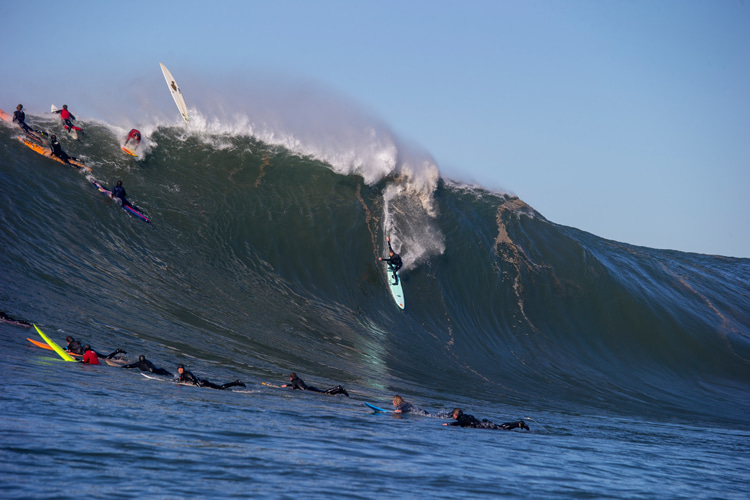
Many surfers dream of catching the perfect wave, feeling the power of the ocean, and connecting with nature. When people talk about the best places to surf, Hawaii often comes to mind first. The islands are famous for their beautiful beaches, warm water, and legendary surf spots. But is Hawaii really the best place for surfing? The answer is more complex than a simple yes or no. To understand, we need to look at what makes a surf destination great, what Hawaii offers, and how it compares to other top surfing spots worldwide.

Exclusive Deals
Limited-time Exclusive Deals. Check current discount on Amazon.
Check Price on Amazon As an Amazon Associate I earn from qualifying purchases.Why Hawaii Is Known As The Home Of Surfing
Hawaii’s connection with surfing goes back centuries. Ancient Hawaiians called surfing “he’e nalu,” which means sliding on the waves. Surfing was not just a sport for them; it was a spiritual practice and a way to connect with their gods.
Chiefs and commoners alike surfed, and the best surfers were respected in society. Today, surfing is deeply woven into Hawaiian culture. The islands celebrate their surfing history with festivals, art, and even language.
But culture is only one reason Hawaii is so important in the surfing world. The islands’ natural geography creates perfect conditions for big, powerful waves. The Pacific Ocean’s swells travel thousands of miles, hitting Hawaii’s reefs and beaches with incredible force. For many, surfing in Hawaii means being part of something bigger—a tradition that shaped the sport itself.
Exclusive Deals
Limited-time Exclusive Deals. Check current discount on Amazon.
Check Price on Amazon As an Amazon Associate I earn from qualifying purchases.What Makes A Surf Destination “the Best”?
Before judging Hawaii, it’s important to ask: what makes a surf spot the best? Surfers often look for:
- Wave quality and consistency – Are there good waves almost every day? Are they suitable for all skill levels?
- Variety of breaks – Are there both gentle and challenging spots nearby?
- Water temperature – Is a wetsuit necessary?
- Local culture – Is the place welcoming to visitors? Does it support a surf lifestyle?
- Accessibility – Are the beaches easy to reach? Is there good infrastructure?
- Crowd factor – Are the waves always packed, or can you find your own space?
- Safety – Are there lifeguards, and how dangerous are the waves?
A single destination rarely scores perfectly on every point. Preferences also matter. Some surfers want huge, challenging waves, while others look for mellow, beginner-friendly spots.

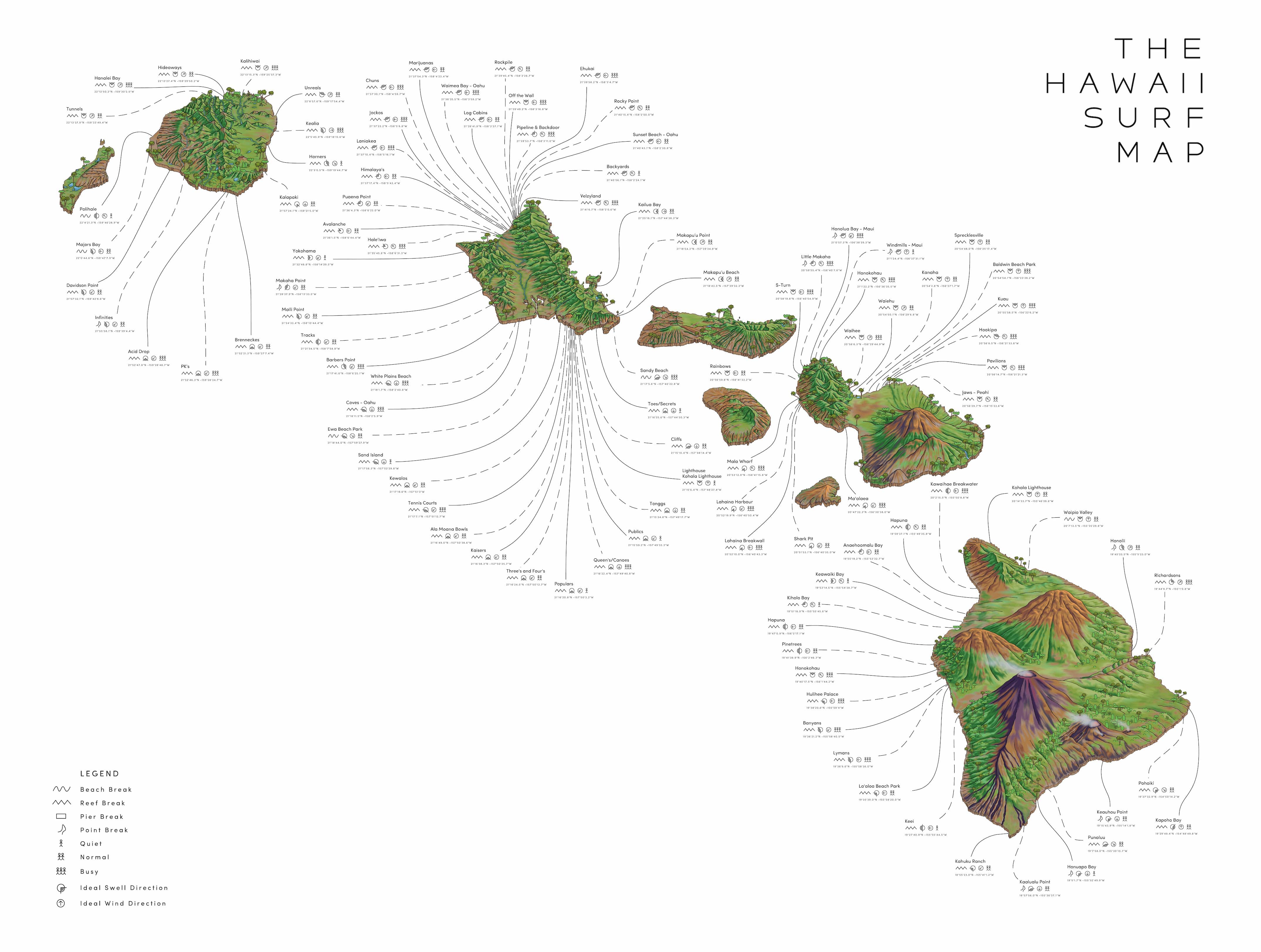
Hawaii’s Most Famous Surf Spots
Hawaii isn’t just one surf destination; it’s several islands, each with its own character. Here are some of the most legendary spots:
Exclusive Deals
Limited-time Exclusive Deals. Check current discount on Amazon.
Check Price on Amazon As an Amazon Associate I earn from qualifying purchases.| Surf Spot | Island | Wave Type | Best Season |
|---|---|---|---|
| Waikiki Beach | Oahu | Gentle, rolling | Year-round |
| Pipeline (Banzai Pipeline) | Oahu | Heavy, barreling | Winter |
| Waimea Bay | Oahu | Big wave | Winter |
| Honolua Bay | Maui | Right-hand point | Winter |
| Jaws (Peahi) | Maui | Giant wave | Winter |
| Hanalei Bay | Kauai | Varied | Winter |
Oahu’s North Shore is world-famous for powerful winter waves. Pipeline and Waimea Bay are where top professionals compete and push the limits of big wave surfing. Waikiki, on the other hand, is gentle and perfect for beginners.
Maui’s Jaws (Peahi) delivers some of the biggest waves on the planet. Only elite surfers ride here. Honolua Bay is a favorite for its long, clean rides.
Kauai’s Hanalei Bay offers something for everyone, from mellow summer rollers to challenging winter swells.
The Pros: Why Many Call Hawaii The Best
1. Wave Quality And Consistency
Hawaii’s location in the Pacific means it gets swells from almost every direction during the year. Winter brings massive waves to the north and west shores, while summer lights up the south. Local wind patterns often clean up the waves, creating perfect surf conditions. This consistency is rare worldwide.
2. Variety For All Levels
You don’t need to be a pro to surf in Hawaii. While Pipeline is for experts, spots like Canoes in Waikiki or Launiupoko in Maui are gentle and welcoming. This range means everyone, from total beginners to world champions, can find their wave.
3. Warm Water All Year
One of the best parts about surfing in Hawaii is the water temperature. Most days, it’s between 24–27°C (75–81°F). You rarely need a wetsuit, which is a big plus compared to colder destinations like California or Portugal.
4. Deep Surf Culture
Few places embrace surfing like Hawaii. Surfing is celebrated in music, art, and festivals. Local surf schools and shops are everywhere. The spirit of “Aloha” runs deep, and many visitors feel welcomed by the friendly vibe—though respect for local customs is always important.
5. Natural Beauty
Hawaii’s beaches are stunning. Palm trees, golden sand, and volcanic mountains create a backdrop like nowhere else. Surfing here can feel magical, with rainbows, turtles, and sunsets adding to the experience.
6. Easy Access To Famous Spots
On Oahu, you can drive from Waikiki’s gentle longboard waves to the thundering North Shore in under an hour. This convenience means you can chase the best conditions each day.
7. Surf Events And Legends
Hawaii hosts some of the world’s most important surf competitions, like the Vans Triple Crown. Many of surfing’s greatest legends—Duke Kahanamoku, Eddie Aikau, and Carissa Moore—call Hawaii home. Surfing here feels like being part of history.
The Cons: Why Hawaii Might Not Be Perfect For Everyone
While Hawaii is amazing, it’s not ideal in every way. Here are some points to consider:
1. High Costs
Flights, hotels, and food in Hawaii can be expensive. Local surf schools and equipment rentals also cost more than in many countries. This makes it less accessible for budget travelers.
2. Crowds At Top Spots
Because Hawaii is so famous, many spots—especially on Oahu—get crowded. Locals and tourists compete for waves at popular breaks. This can make surfing stressful, especially for beginners.
3. Localism
Hawaii’s surf culture is friendly but also protective. Some locals don’t like outsiders taking too many waves at their home breaks. Visitors must be respectful and patient. Ignoring surf etiquette can lead to tension or even confrontations.
4. Powerful And Dangerous Waves
Hawaii’s waves can be unforgiving. Shallow reefs, strong currents, and big surf mean injuries are common. Even “easy” spots can get heavy without warning. Beginners need to choose their breaks carefully and never overestimate their skills.
5. Environmental Challenges
Hawaii’s popularity has led to some environmental problems. Pollution, coral damage, and beach erosion threaten the coastline. Responsible surfing and travel are more important than ever.
How Does Hawaii Compare To Other Top Surf Destinations?
To judge if Hawaii is truly the best, it helps to compare it with other famous surf spots. Here’s a look at how Hawaii stacks up against Australia, California, and Indonesia.
| Destination | Wave Consistency | Water Temp | Cost | Culture |
|---|---|---|---|---|
| Hawaii | Very High | Warm | High | Deep Roots |
| Australia (Gold Coast) | High | Warm | Medium | Strong |
| California (SoCal) | Medium | Cool | Medium | Active |
| Indonesia (Bali) | High | Warm | Low | Growing |
Australia has world-class waves and a huge surf culture, but its top spots can be far apart. California has a long surf history, but water can be chilly and waves less consistent. Indonesia (especially Bali) offers warm water and great waves at lower prices, but it lacks the deep cultural roots found in Hawaii.
Two Insights Many Beginners Miss
- Not All Waves Are for Beginners: Many people think Hawaii means easy, gentle waves everywhere. In reality, some of the world’s most dangerous surf is here. Choosing the right beach for your skill level is critical. Waikiki and Lahaina are beginner-friendly; Pipeline and Jaws are not.
- Surfing Etiquette Matters: Hawaii has a strong sense of surf etiquette. Waiting your turn, not “dropping in” on others’ waves, and showing respect to locals are not just polite—they are essential for safety and acceptance. Many beginners underestimate how important this is in Hawaii.
Practical Tips For Surfing In Hawaii
- Check the season: Winter (November–March) brings big waves to the north/west; summer (May–September) is better for beginners on the south/east.
- Rent or bring gear: Rentals are easy to find, but buying or bringing your own board can save money if you plan to surf a lot.
- Use reef-safe sunscreen: Protect your skin and Hawaii’s fragile coral reefs.
- Observe before you paddle out: Spend time watching waves and other surfers. This helps you understand the lineup and stay safe.
- Take a lesson if new: Local surf schools know the safest spots for beginners and teach you about etiquette.
The Final Verdict: Is Hawaii The Best Place For Surfing?
If you value wave quality, warm water, and being part of surfing history, Hawaii is hard to beat. The islands offer variety, consistency, and a sense of magic you won’t find anywhere else. But it’s not perfect for everyone. High costs, crowds, and challenging waves can be barriers.
For many surfers, at least once in their life, Hawaii is a must-visit. It’s the heart of surfing tradition, and riding a wave here feels special. However, places like Bali, Australia, and California also offer amazing surf experiences, sometimes at lower costs or with fewer crowds.
In the end, the “best” place depends on your goals, budget, and skill level. Hawaii stands at the top for many reasons, but the best surf spot is where you feel happy, safe, and inspired to paddle out again.
For more about the history and culture of surfing in Hawaii, check out this detailed resource: Wikipedia: Surfing
Frequently Asked Questions
What Is The Best Time Of Year To Surf In Hawaii?
The best time depends on your skill level. Winter (November to March) brings huge waves to the north and west shores—great for advanced surfers. Summer (May to September) has smaller, friendlier waves, especially on the south and east sides, which are better for beginners.
Is Hawaii Good For Beginner Surfers?
Yes, Hawaii has spots for all levels. Waikiki Beach (Oahu) and Lahaina (Maui) are famous for their gentle waves. However, beginners should avoid big winter swells and always surf at lifeguard-patrolled beaches.
Do I Need My Own Surfboard In Hawaii?
You don’t need to bring your own. Surfboard rentals are available at most beaches and surf shops. If you plan to surf daily or want a specific type of board, bringing your own can save money in the long run.
How Crowded Are Hawaii’s Surf Spots?
Popular spots, especially on Oahu’s North Shore and Waikiki, can get crowded—especially during peak season. Early mornings, weekdays, and less famous beaches are often less busy.
Are There Any Safety Concerns When Surfing In Hawaii?
Yes, some Hawaii waves break over sharp reefs and can be dangerous. Watch out for strong currents, respect posted warnings, and never surf alone if you’re a beginner. Learning about local etiquette and conditions is important for a safe experience.