
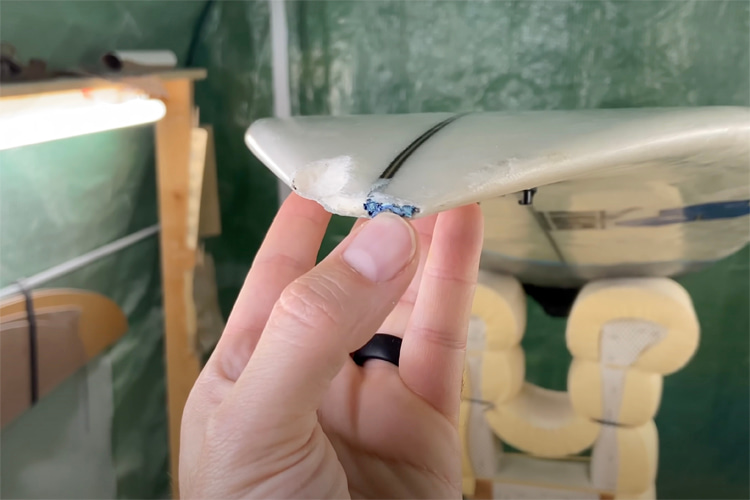
Many surfers have faced the same sinking feeling: you pick up your board after a great session and spot a long crack running across the fiberglass. Maybe you hit a rock or your board took a bad tumble in the parking lot. The big question is, can you repair a cracked surfboard—or is it time to buy a new one? The good news is, most cracks can be fixed at home or by a professional. Repairing your board not only saves money, but also extends the life of a trusted piece of gear. This guide explains how to repair a cracked surfboard, when to fix it yourself, and when to seek help. You’ll also learn what materials work best, common mistakes to avoid, and insider tips to keep your board riding strong.

Exclusive Deals
Limited-time Exclusive Deals. Check current discount on Amazon.
Check Price on Amazon As an Amazon Associate I earn from qualifying purchases.Understanding Surfboard Cracks
A surfboard is built with a foam core, wrapped in layers of fiberglass and resin. This construction creates a strong, lightweight ride, but it’s not immune to damage. Cracks can happen for many reasons:
- Collisions with rocks, reefs, or other boards
- Dropping the board on hard surfaces
- Pressure from your knees or elbows during paddling
- Long-term sun exposure that weakens materials
There are two main types of cracks:
- Surface cracks: Only affect the outer resin. They look like thin lines or “spider cracks.”
- Structural cracks: Go deeper, into the fiberglass or foam. These often appear as wider splits, and you might see or feel a soft spot.
Surface cracks are less serious but can let water in over time. Structural cracks are urgent—water can quickly damage the foam core, making the board heavy or causing delamination (when the fiberglass peels away from the core).
Exclusive Deals
Limited-time Exclusive Deals. Check current discount on Amazon.
Check Price on Amazon As an Amazon Associate I earn from qualifying purchases.Why You Should Repair A Cracked Surfboard
Ignoring a crack is risky. Even a small crack lets water seep in, and saltwater is especially harmful. Here’s why prompt repairs matter:
- Prevents waterlogging: Water inside your board makes it heavy and hard to ride.
- Stops delamination: When water gets between layers, the fiberglass separates from the foam.
- Saves money: Regular repairs extend your board’s life, delaying expensive replacements.
- Keeps you safe: A damaged board can break under your feet while surfing.
Many beginners think tiny cracks don’t matter, but even hairline cracks can grow fast. If you spot a crack, it’s best to dry and fix it before your next session.
Can You Repair A Cracked Surfboard Yourself?
DIY repairs are possible for most cracks, especially surface ones. With the right materials and some patience, you can patch your board at home. However, there are times when you should get help from a professional:
Exclusive Deals
Limited-time Exclusive Deals. Check current discount on Amazon.
Check Price on Amazon As an Amazon Associate I earn from qualifying purchases.- The crack is longer than 12 inches (30 cm)
- The foam core is exposed or feels soft
- The board is delaminating (bubbling or peeling)
- You’re unsure about the repair process
For smaller or simple cracks, a DIY repair can be a rewarding project. You’ll need some basic supplies and a safe workspace.
What You’ll Need: Materials And Tools
Repairing a surfboard crack requires specific materials. Using the wrong products can weaken your board or cause more damage. Here’s what you need for most standard fiberglass surfboards:
- Resin: Either polyester or epoxy, depending on your board type (never mix the two).
- Fiberglass cloth: For strength, especially for deeper cracks.
- Sandpaper: Grits from 80 to 320.
- Mixing cup and stir stick
- Masking tape
- Razor blade or utility knife
- Acetone: For cleaning the area.
- Gloves and mask: Safety first!
- Wax comb or small brush: To apply resin.
Epoxy boards require epoxy resin. Polyester resin will damage the foam. Not sure what your board is made of? Check the manufacturer’s label or ask your local surf shop.

Step-by-step Guide To Repairing A Cracked Surfboard
Let’s break down the process for a typical small-to-medium crack. These steps will help you achieve a strong, watertight fix.
1. Dry Out Your Board
Water trapped inside a crack will ruin your repair. Leave the board in a dry, shaded place for at least 24-48 hours before starting. Avoid direct sun, which can warp the board.
2. Clean And Prepare The Area
- Use a razor blade to carefully remove any loose or broken fiberglass.
- Lightly sand the area (about 2 inches around the crack) with 80-grit sandpaper. This helps the new resin stick.
- Wipe away dust with acetone.
3. Mask Around The Crack
Tape off the area so resin doesn’t drip or spread. This makes sanding and finishing much easier later.
4. Mix And Apply Resin
- Mix the resin according to the instructions. Use a mask and gloves—resin fumes are strong.
- For surface cracks, brush a thin layer of resin into the crack.
- For deeper cracks, lay a small piece of fiberglass cloth over the crack, then cover with resin. Press out any bubbles.
- Let the resin cure fully. Curing time varies by resin type and temperature (often 2-8 hours).
5. Sand And Finish
- Start with rough sandpaper (80-120 grit) to smooth the repair.
- Move to finer sandpaper (220-320 grit) for a flush, shiny finish.
- Remove masking tape. Wipe clean.
6. Test Before Surfing
Press gently around the repair. It should feel hard and even with the rest of the board. No soft spots or cracks should remain.
When To Choose Professional Repair
Some cracks need more than a home fix. Here’s when to seek out a pro:
- The crack is very wide, deep, or runs the length of the board.
- The foam core is crushed or soft.
- The board has a “bubble” or delaminated spot.
- You want a perfect, invisible repair.
Professional repairs may cost $30–$100+ depending on the damage. Shops have better tools for color-matching, structural fixes, and full restorations. For sentimental or expensive boards, this investment can be worth it.
Comparing Diy Vs. Professional Surfboard Repair
Here’s a quick comparison to help you decide which option is right for you:
| Factor | DIY Repair | Professional Repair |
|---|---|---|
| Cost | Low ($10–$30) | Medium-High ($30–$100+) |
| Time | Few hours (plus drying) | 1–5 days (depends on shop) |
| Skill needed | Basic DIY ability | Expertise |
| Finish quality | Visible patch likely | Almost invisible |
| Best for | Small cracks, practice boards | Major damage, valuable boards |
Common Mistakes To Avoid
Even experienced surfers sometimes get repairs wrong. Watch out for these common errors:
- Not drying the board fully. Moisture trapped inside will cause the repair to fail.
- Using the wrong resin. Polyester on an epoxy board will melt the foam.
- Skipping the sanding step. Resin won’t stick well to a shiny or dirty surface.
- Applying too much resin. Thick blobs take longer to cure and are hard to sand.
- Rushing back into the water. Wait until the repair is completely hard and smooth.
One thing beginners often miss: always wear gloves and a mask. Resin is sticky and can cause skin irritation or breathing problems.
How To Tell If A Crack Is Serious
Not all cracks are the same. Here’s a quick guide to help you judge the damage:
| Crack Type | What It Looks Like | Repair Needed |
|---|---|---|
| Surface crack | Thin line, no soft spot | DIY resin patch |
| Structural crack | Wider, may flex or feel soft | DIY with fiberglass or professional |
| Delamination | Bubbled or peeling area | Professional repair |
| Core exposure | Foam visible or missing | Professional repair |
Tips For A Stronger, Longer-lasting Repair
- Always work in a shaded, dust-free area. Resin cures better and smoother.
- For larger cracks, use two layers of fiberglass cloth for extra strength.
- After sanding, wipe down with acetone to remove all dust and oils.
- Try to match the resin type and color to your board for a cleaner look.
- If you’re unsure, ask your local surf shop for advice—they often sell small repair kits.
Many surfers are surprised at how small cracks can quickly become big problems if ignored. A simple repair now can save your board for years to come.
Preventing Future Cracks
Prevention is the best way to avoid repairs. Here are some practical tips:
- Rinse your board with fresh water after every session to remove salt.
- Store your board in the shade, not in hot cars or direct sun.
- Always use a board bag for transport.
- Never drop your board on hard surfaces.
- Check your board regularly for new cracks or dings.
Even pros make mistakes—most boards will need repairs sooner or later. But careful handling reduces the risk.
Environmental Impact Of Surfboard Repairs
Repairing your board is not just smart for your wallet—it’s good for the planet. Surfboards are made from materials that don’t break down easily in landfills. By fixing your board instead of tossing it, you reduce waste and help protect oceans for the next generation of surfers.
Some repair products now use eco-friendly resins. These are made with fewer chemicals and less pollution. If you care about the environment, ask for “bio-based” or “low-VOC” resins at your surf shop.
Non-obvious Insights For Beginners
- Many beginners don’t realize that even tiny cracks can allow water to travel far inside the foam. Always check for “hidden” moisture by pressing around the crack before you start.
- Some cracks are caused by pressure, not impacts. If you kneel or stand in one spot on your board, you might create small stress cracks. Try to balance your weight evenly, especially on soft-top boards.
When Is It Time To Retire Your Board?
Sometimes, repairs aren’t enough. If your board has many large cracks, severe delamination, or feels heavy even after drying, it might be time for a replacement. Old boards can be recycled or repurposed—some shops turn them into art, benches, or even new boards.
For more on surfboard materials and recycling, check the Surfboard Wikipedia page.

Frequently Asked Questions
What If The Crack Is Under The Tail Pad Or Leash Plug?
Cracks near the tail pad or leash plug can be tricky. You’ll need to remove the pad or leash plug first. After repairing, re-glue the pad or replace the plug. If unsure, a pro repair is safest in these areas.
How Long After Repair Can I Surf Again?
Wait at least 24 hours after resin cures, or as recommended by the product instructions. Press the area—if it’s fully hard and not sticky, you’re good to go.
Can I Use Household Glue Or Tape For A Quick Fix?
No. Regular glue, duct tape, or silicone won’t seal out water or bond well with fiberglass. Use proper surfboard resin for any lasting repair.
What’s The Best Way To Dry A Board After A Crack?
Store the board standing up in a cool, dry place. If water is inside, tilt the board so gravity helps it drain from the crack. Never use heat guns or direct sun—they can cause more damage.
Should I Try To Repair Foam Or Soft-top Boards The Same Way?
No. Soft-top boards need different repair kits designed for their material. Regular resin doesn’t stick well to soft foam covers. Ask your surf shop for a soft-top repair kit.
A cracked surfboard doesn’t have to end your session—or your board’s life. With the right approach, most cracks can be fixed easily, saving money and keeping you in the water. Remember, early repairs and careful handling are the secret to many years of fun on the waves.