Surfing is more than just a sport; it’s a dance with the ocean. But if the water is too cold or your wetsuit is uncomfortable, that dance can turn into a struggle. Choosing the right wetsuit can make your surfing experience warmer, safer, and much more enjoyable.
Many new surfers believe any wetsuit will do, but not all wetsuits are created equal. In fact, the “best” wetsuit depends on where you surf, the season, your body type, and even your surfing style. Let’s explore what really matters when picking the best wetsuit for surfing—beyond just brand names or price tags.
Today's Exclusive Deals
Limited-time Exclusive Deals. Check current discount on Amazon.
Check Price on Amazon As an Amazon Associate I earn from qualifying purchases.Why Wetsuits Matter For Surfing
Wetsuits are not just for keeping you warm. Their main job is to trap a thin layer of water between your skin and the suit. Your body heats this water, and the suit keeps it there, acting as insulation. This allows you to surf for longer, avoid hypothermia, and stay flexible in the water.
But a wetsuit that’s too thick, too thin, or not the right fit will limit your movement and make paddling difficult. Also, a poor-quality wetsuit can tear easily, lose its stretch, or even chafe your skin.
Many beginners overlook the fact that a wetsuit also protects you from the sun, sharp reefs, and even jellyfish stings. So, it’s not just about warmth.
Today's Exclusive Deals
Limited-time Exclusive Deals. Check current discount on Amazon.
Check Price on Amazon As an Amazon Associate I earn from qualifying purchases.Key Factors When Choosing A Surfing Wetsuit
Several factors decide what wetsuit is best for surfing. Let’s break them down:
Water Temperature
The single most important consideration is the water temperature where you plan to surf. Wetsuits come in different thicknesses, measured in millimeters (mm). The thicker the suit, the warmer it keeps you, but thicker suits also reduce flexibility.
| Water Temperature (°C/°F) | Wetsuit Type | Recommended Thickness |
|---|---|---|
| 22°C+ / 72°F+ | Rash guard or springsuit | 1-2 mm |
| 18-21°C / 64-71°F | Shorty or full suit | 2-3 mm |
| 14-17°C / 57-63°F | Full suit | 3-4 mm |
| 10-13°C / 50-56°F | Full suit with boots | 4-5 mm |
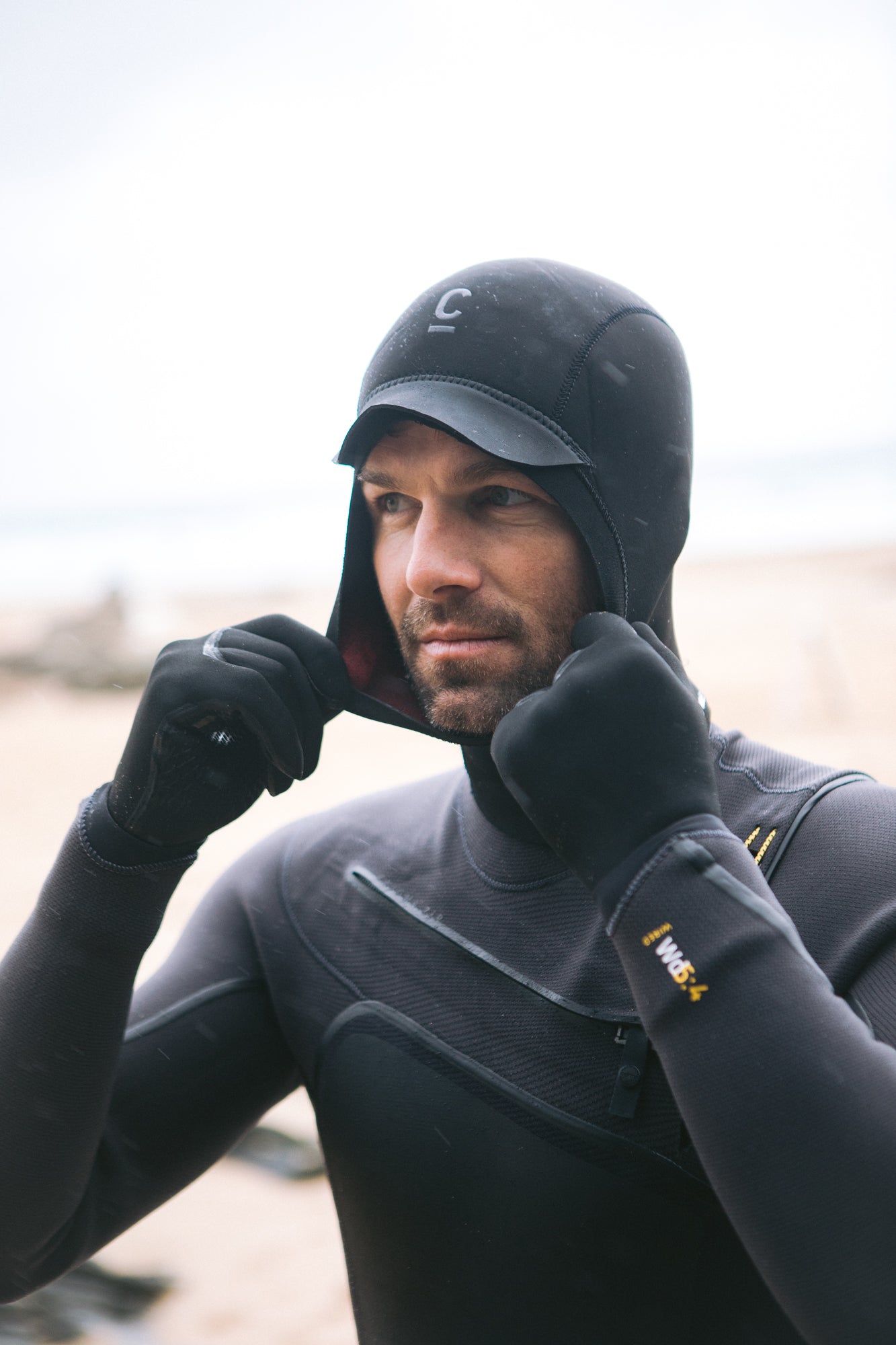
| Below 10°C / 50°F | Full suit with boots, gloves, hood | 5-6 mm+ |
Fit And Comfort
A wetsuit should fit like a second skin—snug but not restrictive. Gaps let cold water flush in and out, making the suit less effective. On the other hand, a suit that’s too tight can restrict blood flow and tire your muscles quickly.
Always try on different sizes and brands, since sizing varies.
Today's Exclusive Deals
Limited-time Exclusive Deals. Check current discount on Amazon.
Check Price on Amazon As an Amazon Associate I earn from qualifying purchases.Material And Construction
Most surfing wetsuits are made from neoprene, a type of synthetic rubber. The best surfing wetsuits use high-quality, flexible neoprene with features like:
- Sealed seams: Reduce water entry.
- Taped seams: Add extra strength and prevent leaks.
- Glide skin panels: Reduce wind chill on the chest and back.
- Quick-dry lining: Makes the suit dry faster and adds warmth.
Cheaper wetsuits may use stiff or lower-grade neoprene, which can feel heavy and limit your paddling.
Entry System
How you get in and out of the wetsuit makes a big difference, especially in cold water. There are three main types:
- Back zip: The classic style, easy to put on but can let in more water.
- Chest zip: Offers better flexibility and less flushing, but can be tricky to get into.
- Zipperless: Maximum flexibility and minimal water entry, but the hardest to put on.
Each has pros and cons. For beginners, a back zip is easiest, but as you progress, you might prefer the performance of a chest zip or zipperless design.
Style: Full Suit Vs. Springsuit Vs. Shorty
- Full suits (steamer): Cover your whole body, best for cold to cool water.
- Springsuits: Short arms and legs, good for mild water.
- Shorty: Short arms and legs, best for warm water and maximum flexibility.
The right style depends on the conditions and your personal comfort.
Top Wetsuit Brands For Surfing
While many brands make wetsuits, only a few are trusted by serious surfers worldwide. Here are some of the most respected:
- O’Neill: Known for innovation, comfort, and durability.
- Rip Curl: Famous for the Flashbomb, a suit with rapid-drying lining.
- Billabong: Offers a wide range, including eco-friendly options.
- Quiksilver/Roxy: Good for both men and women, with stylish designs.
- Xcel: Focus on cold water performance and warmth.
- Patagonia: Uses natural rubber (Yulex), good for the environment and very durable.
Each brand has its signature features. For example, O’Neill’s “TechnoButter” neoprene is extra light and stretchy, while Rip Curl’s Flashbomb dries quickly, perfect for multi-session days.
How To Get The Right Fit
A wetsuit that fits poorly can ruin your session. Here’s how to check for a good fit:
- The suit should feel tight but not painful.
- No big gaps at the neck, wrists, or ankles.
- You should be able to squat and lift your arms easily.
- The suit should not bunch up behind the knees or under the arms.
Don’t worry if it feels tighter than normal clothing. Neoprene stretches in water and after a few uses.
Pro tip: Try the suit on while dry, and do a few squats and “paddle” motions. Check for any pinching or tight spots.

Comparing Wetsuit Features
Let’s look at a side-by-side comparison of two popular wetsuits for surfers:
| Feature | O’Neill Psycho Tech 4/3mm | Rip Curl Flashbomb 4/3mm |
|---|---|---|
| Neoprene Type | TechnoButter 3 | E6 Flash Lining |
| Seam Construction | Triple Glued, Taped | Glued, Blindstitched, Taped |
| Entry System | Chest Zip | Chest Zip |
| Drying Time | Fast | Very Fast |
| Price Range | High | High |
Both suits offer top performance, but the Rip Curl Flashbomb stands out for its ultra-fast drying lining—a real benefit if you surf more than once a day.
Common Mistakes When Buying A Surfing Wetsuit
- Choosing by price alone: Cheap suits often lack flexibility, warmth, or durability. You may end up buying another suit soon.
- Ignoring fit: Even the best wetsuit won’t work if it doesn’t fit your body shape.
- Over- or underestimating thickness: Some beginners choose a thick suit “just in case,” but end up overheating and struggling to paddle.
- Forgetting accessories: In cold water, boots, gloves, and hoods are necessary for full protection.
- Not considering entry system: Some surfers regret buying a back-zip after trying chest-zip suits.
- Neglecting women’s or kids’ fits: Women and children need suits designed for their body shapes for real comfort and warmth.
Wetsuit Care And Longevity
A good wetsuit is an investment. With proper care, it can last several years. Here’s how to keep yours in top shape:
- Rinse with fresh water after every session.
- Hang to dry in the shade, never in direct sun.
- Store flat or on a wide hanger to prevent creasing.
- Avoid hot water, dryers, or harsh detergents.
Another tip most people miss: regular sunlight or heat will break down neoprene quickly. Always dry your wetsuit in a cool, ventilated area.
Accessories That Make A Difference
Depending on water temperature and conditions, you might need:
- Wetsuit boots: Protect your feet and add warmth.
- Gloves: Keep your hands flexible in cold water.
- Hood: Essential below 12°C (54°F).
- Vaseline or anti-chafe cream: For long sessions, especially with new suits.
Sometimes, a thin rash vest under your wetsuit can prevent chafing around the neck and underarms.
How To Test Your Wetsuit Before Buying
Whenever possible, try the wetsuit in a shop, not just at home. Move your arms in a paddling motion, bend your knees, and twist your torso. You should feel resistance, but not restriction. If the shop allows, try the suit with a thin rash guard underneath, as you would in real surf conditions.
If you shop online, check the return policy carefully. Different brands have different sizing, and sometimes you need to try two sizes to find the perfect fit.
Are Expensive Wetsuits Worth It?
Higher-priced wetsuits often use better materials, more flexible neoprene, and advanced seam technology. They’re warmer, lighter, and last longer. If you surf often or in cold water, investing in a premium wetsuit is a smart choice.
But if you only surf on vacation or in warm water, a basic model may be enough. The most important thing is the right fit and the correct thickness for your local conditions.
Environmental Impact And Alternatives
Traditional neoprene is made from petroleum, which is not eco-friendly. Recently, brands like Patagonia and Vissla have begun using natural rubber (Yulex) or recycled materials. These options are just as warm and flexible, but have a much smaller environmental footprint.
If you care about ocean health, consider one of these eco-friendly wetsuits. They may cost more, but you support companies working to protect the planet.
For more on eco-friendly wetsuits, you can visit the Wetsuit Wikipedia page.
Real-world Example: Choosing For Different Surf Spots
Let’s say you surf in three places:
- Bali (27°C/80°F): You’ll want a shorty or even just a rash guard.
- Southern California (17°C/63°F): A 3/2 mm full suit works most of the year.
- Ireland (10°C/50°F): You’ll need a 5/4 mm suit with boots, gloves, and a hood.
Matching your wetsuit to the local conditions is the single best way to surf longer and stay comfortable.

Frequently Asked Questions
What Thickness Wetsuit Do I Need For Surfing In Cold Water?
For cold water (10-14°C or 50-57°F), you need at least a 4/3 mm or 5/4 mm wetsuit. Also consider boots, gloves, and a hood for extra warmth.
How Do I Know If My Wetsuit Fits Correctly?
Your wetsuit should feel snug but not painful. There should be no large gaps at the neck, wrists, or ankles. You should be able to move your arms freely and squat without the suit pulling or bunching.
Can I Use A Diving Wetsuit For Surfing?
It’s not recommended. Diving wetsuits are usually less flexible and designed for warmth, not for the high movement needed in surfing. Surfing wetsuits are lighter, stretchier, and have better paddle mobility.
How Long Does A Good Wetsuit Last?
With proper care, a high-quality surfing wetsuit can last 2–5 years. Rinsing with fresh water and drying in the shade will extend its life.
Are Eco-friendly Wetsuits As Good As Traditional Ones?
Yes. Modern eco-friendly wetsuits made from Yulex or recycled neoprene are just as warm, flexible, and durable as traditional wetsuits. They are better for the environment and becoming more popular among surfers.
Finding the best wetsuit for surfing is about understanding your needs, local water temperature, and personal preferences. Invest time in choosing the right suit—your body will thank you, and every surf session will be that much better.