Big waves have always fascinated surfers and ocean lovers. There is something powerful about water rising into a wall and crashing with thunderous sound. But where do the biggest surfing waves in the world appear? Which spots call to those who chase the ultimate thrill?

Exclusive Deals
Limited-time Exclusive Deals. Check current discount on Amazon.
Check Price on Amazon As an Amazon Associate I earn from qualifying purchases.Let’s explore the legendary beaches, reefs, and coastlines where the ocean reveals its wildest side.
What Makes A Wave “big”?
Before diving into locations, it’s important to understand how surfers define a “big” wave. For most, a big wave is anything over 20 feet (6 meters) high from trough to peak. Some famous spots regularly produce waves over 40 feet (12 meters), while the biggest can reach nearly 100 feet (30 meters). Factors like wind, ocean floor shape, storms, and swell direction all combine to create these giants. It’s not just about height—power, speed, and shape matter, too.
The World’s Biggest Surfing Waves
Every continent with a coastline has at least one spot where monster waves appear. However, only a few places have become legendary for producing the largest, most rideable waves on the planet.
Exclusive Deals
Limited-time Exclusive Deals. Check current discount on Amazon.
Check Price on Amazon As an Amazon Associate I earn from qualifying purchases.1. Nazaré, Portugal
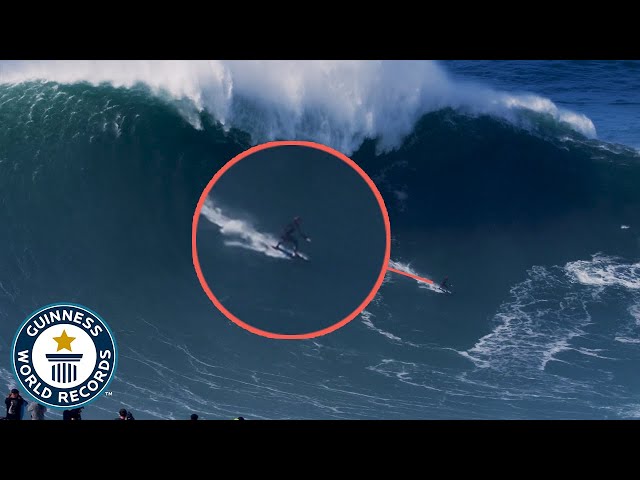
Nazaré has shocked the world in the past decade. A deep underwater canyon just offshore pushes Atlantic swells upward, creating waves that can reach 80–100 feet (24–30 meters). In 2020, António Laureano rode a wave estimated at 101.4 feet here, possibly the largest ever surfed.
What makes Nazaré unique is its consistency during winter and the sheer size of its waves. Tow-in surfing (using jet skis to pull surfers into waves) is common, as paddling into these monsters is nearly impossible. The village has become a global big wave destination, drawing top surfers and curious travelers each season.
2. Jaws (peʻahi), Maui, Hawaii
On the north shore of Maui, Jaws (the local name is Peʻahi) is famous for its thick, fast, and dangerous waves. During the right winter swells, waves here reach 60 feet (18 meters) or more. Jaws is famous for its power and the speed at which the waves move—surfers must use jet skis to catch them.
Exclusive Deals
Limited-time Exclusive Deals. Check current discount on Amazon.
Check Price on Amazon As an Amazon Associate I earn from qualifying purchases.The spot became legendary in the 1990s when surfers started using tow-in techniques. Today, it hosts the Red Bull Jaws event, one of the most respected big wave competitions in the world.
3. Mavericks, California, Usa
Near Half Moon Bay, just south of San Francisco, Mavericks is known for its cold water, heavy fog, and huge winter waves. The wave can reach 60 feet (18 meters) high, with a thick lip that makes it especially dangerous.
Mavericks is famous for its challenging paddle-in surfing—surfers must use powerful arms and lungs to catch the waves. The wave breaks over a shallow reef, and wipeouts here have caused serious injuries and even deaths. Despite the risks, Mavericks remains a dream for big wave surfers seeking a true test.
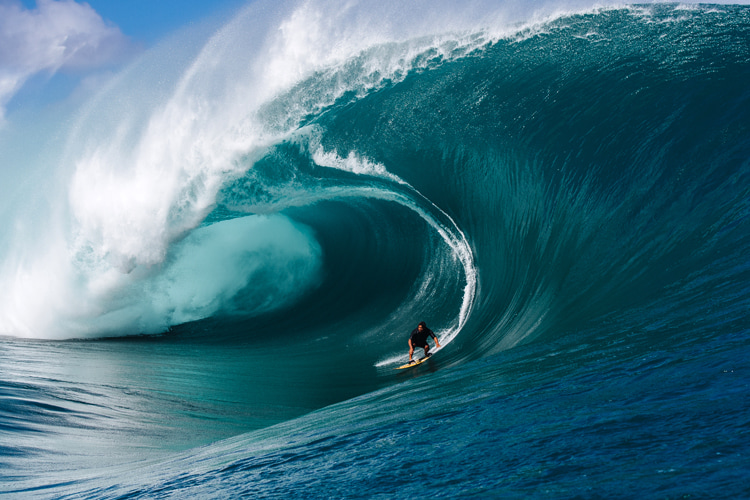
4. Teahupo’o, Tahiti
Teahupo’o is one of the most beautiful—and dangerous—waves in the world. It’s not always the tallest, usually maxing out around 20–30 feet (6–9 meters), but its shape is unique: the wave is incredibly thick, with a short, steep drop and a heavy lip that lands in shallow water just above a sharp coral reef.
This combination makes Teahupo’o a serious challenge. Many consider it the world’s “heaviest” wave. In 2011, a monstrous wave estimated at 30 feet (9 meters) was declared too dangerous for competition, but a few brave surfers rode it anyway.
5. Shipstern Bluff, Tasmania, Australia
Located off the southern coast of Tasmania, Shipstern Bluff is known for its unpredictable, step-like waves. Swells travel from the Southern Ocean and slam into a shallow reef, creating waves up to 25 feet (7.5 meters), but with a “ledge” or “step” that throws surfers into the air mid-ride.
It’s cold, remote, and often sharky, but Shipstern Bluff attracts big wave surfers because of its unique challenge. The wave’s sudden jumps and slabs mean only the most experienced dare to try.
6. Cortes Bank, California, Usa
Cortes Bank is a hidden seamount located about 100 miles (160 km) off the coast of southern California. Because it rises close to the ocean surface, swells from the Pacific explode into massive waves—sometimes over 60 feet (18 meters).
Surfing here is difficult. You need a boat to reach the break, and the open ocean conditions can be rough. But for those who make the journey, Cortes Bank offers some of the biggest and cleanest waves anywhere.
7. Punta De Lobos, Chile
Punta de Lobos is Chile’s best-known big wave spot. Located near Pichilemu, it produces long lefts that can reach 25–30 feet (7.5–9 meters) during southern hemisphere winter storms.
What makes Punta de Lobos special is the wave’s length—surfers can ride for hundreds of meters. The waves are powerful but more forgiving than some other big wave spots, making it a favorite for both pros and advanced surfers.
8. Dungeons, Cape Town, South Africa
Just outside Cape Town, Dungeons is known for its cold water, great white sharks, and huge winter waves. Swells from the Southern Ocean break over a deep reef, creating waves up to 60 feet (18 meters).
Dungeons is unpredictable and powerful. The combination of big waves and wildlife makes it one of the most challenging big wave spots in the world. Local surfers often use boats to access the break.
9. Mullaghmore Head, Ireland
The wild Atlantic coast of Ireland is home to Mullaghmore Head, a spot that regularly produces waves over 50 feet (15 meters) during winter storms. The water is cold and the weather is harsh, but the waves are powerful and often perfect.
Mullaghmore has gained global attention in recent years as a destination for big wave surfers. The waves here are heavy and fast, requiring skill and courage to ride.
10. Waimea Bay, Oahu, Hawaii
Waimea Bay is one of the original big wave spots. In the 1950s, surfers began riding waves here that reached 30 feet (9 meters) or more. Waimea is famous for its steep drop and clean face, making it an iconic location for big wave surfing.
The bay hosts the Quiksilver in Memory of Eddie Aikau competition, which only runs when waves reach a minimum of 20 feet (6 meters) Hawaiian scale (often over 40 feet actual height).
11. Todos Santos, Baja California, Mexico
Todos Santos is a remote island off the coast of Ensenada, Mexico. In the winter, Pacific storms send swells that create waves of 40–60 feet (12–18 meters). The main break is called “Killers” for good reason—waves here are powerful, fast, and unforgiving.
Surfers need a boat to reach Todos Santos, and conditions can be rough. But for those who make the trip, it’s one of the best big wave spots in the Americas.
12. Belharra, France
Off the coast of the French Basque Country, Belharra is a rare, offshore reef break. When the conditions are perfect, waves can reach 50 feet (15 meters) or more. It doesn’t break often, but when it does, big wave surfers from all over Europe rush to ride it.
Belharra is surfed mainly by tow-in teams due to the distance from shore and the size of the waves. It’s a reminder that big waves aren’t only found in the Pacific—they exist in Europe, too.
13. Ghost Trees, California, Usa
Near Pebble Beach, Ghost Trees is a cold, heavy big wave spot that can reach 60 feet (18 meters) on the largest swells. The wave breaks over a sharp, rocky reef, and the area is known for strong currents and thick kelp beds.
Ghost Trees is dangerous—not just because of the waves, but also because of the rocks and the presence of great white sharks. It’s not surfed often, but when it breaks, it’s a spectacle.
14. Praia Do Norte, Nazaré, Portugal
Although we mentioned Nazaré, Praia do Norte deserves its own mention. This is the main beach where the biggest waves break, directly above the deep Nazaré Canyon. It’s the site of many world records and continues to push the limits of what’s possible in big wave surfing.
15. Pedra Branca, Tasmania, Australia
Another Tasmanian gem, Pedra Branca is a remote reef break that can produce waves over 20 feet (6 meters). The waves are powerful, and the location is often visited by large sharks. Only the most committed big wave surfers attempt this spot.
Comparing The Biggest Surfing Waves
Here’s a comparison of the most famous big wave spots, their estimated maximum wave heights, and the primary surfing method.
| Location | Max Wave Height | Main Surfing Method |
|---|---|---|
| Nazaré, Portugal | 100+ ft (30+ m) | Tow-in |
| Jaws, Hawaii | 60+ ft (18+ m) | Tow-in & Paddle-in |
| Mavericks, California | 60 ft (18 m) | Paddle-in |
| Teahupo’o, Tahiti | 30 ft (9 m) | Paddle-in |
| Shipstern Bluff, Australia | 25 ft (7.5 m) | Paddle-in & Tow-in |
What Makes These Waves So Big?
It’s not luck—these places have special features that create giant waves.
- Underwater Canyons or Reefs: Nazaré and Mavericks both have deep underwater canyons that focus wave energy.
- Storm-Driven Swells: Many spots, like Jaws and Mullaghmore, receive powerful swells from huge ocean storms.
- Unique Coastlines: The shape of the coastline and ocean floor can magnify waves, making them taller and more powerful.
Let’s look at how a few of these factors compare:
| Spot | Key Feature | Water Temperature |
|---|---|---|
| Nazaré | Deep canyon | Cool (15–20°C) |
| Teahupo’o | Shallow reef | Warm (26–28°C) |
| Mullaghmore | Open Atlantic | Cold (8–14°C) |
Dangers And Challenges Of Big Wave Surfing
Surfing big waves is not just about skill. It demands courage, physical fitness, and preparation. The dangers include:
- Drowning: Wipeouts can hold a surfer underwater for a long time.
- Sharp Reefs: Some waves break in shallow water over coral or rocks.
- Collisions: Surfers can collide with their own boards or with others.
- Sharks: Some spots are home to large sharks.
- Remote Locations: Medical help can be far away.
Many surfers wear inflatable vests and use spotters or jet skis for rescue. Training in breath-holding and swimming is a must.
Non-obvious Insights For Aspiring Big Wave Surfers
Most beginners focus only on wave height, but two things often go unnoticed:
- Wave Period: The time between waves can be as important as their size. Longer periods mean more energy and bigger, faster-moving waves. Spots like Nazaré see wave periods of 16–20 seconds during major swells, making the waves much more powerful.
- Local Knowledge: No two big wave spots are the same. Understanding local winds, tides, and safety procedures is critical. Many accidents happen when surfers don’t respect local advice or rush to surf after watching videos online.

Why Do Surfers Chase Giant Waves?
For some, it’s about pushing limits and chasing adrenaline. For others, it’s the beauty of riding something so powerful and unpredictable. Big wave surfing is as much about respect for the ocean as it is about thrill-seeking. Surfers form close communities, sharing knowledge and looking out for each other.
What Equipment Do Big Wave Surfers Use?
Big waves require special boards called guns (longer and thicker for speed and paddling) or tow-in boards (shorter, with foot straps for jet ski towing). Surfers also use:
- Inflatable life vests for floatation after a wipeout
- Leashes to prevent losing the board
- Helmets at certain dangerous spots
- Jet skis for rescue and towing
Here’s a quick look at equipment choices:
| Equipment | Purpose | Used At |
|---|---|---|
| Gun surfboard | Paddle into big waves | Mavericks, Waimea |
| Tow-in board | Jet ski towing | Nazaré, Jaws |
| Inflatable vest | Extra floatation | All big wave spots |
Frequently Asked Questions
How Are Wave Heights Measured At Big Wave Spots?
Wave height is measured from the lowest point (trough) to the highest (crest). Different places use different scales. In Hawaii, the “Hawaiian scale” is about half the actual face height. Modern records use photos, video analysis, and sometimes laser measurement to be accurate.
What Is The Biggest Wave Ever Surfed?
The current record is believed to be a 101. 4-foot (30. 9-meter) wave surfed by António Laureano at Nazaré, Portugal in 2020. The World Surf League and Guinness World Records are working to confirm this using photo and video evidence.
Is Big Wave Surfing Dangerous?
Yes. Big wave surfing is one of the most dangerous sports in the world. Risks include drowning, injury from boards or reefs, and exposure to cold water or wildlife. Preparation, training, and safety teams are essential for survival.
Can Beginners Surf At These Spots?
No. The world’s biggest waves are only for highly skilled and experienced surfers. Beginners should practice at smaller, safer beaches and build their skills before even considering big wave locations.
Where Can I Learn More About Big Wave Surfing?
To learn more, visit Wikipedia’s Big Wave Surfing page for a deep dive into the sport’s history, techniques, and safety.
The search for the world’s biggest surfing waves never ends. Each year brings new records, new stories, and new heroes. Whether you dream of riding these giants or just enjoy watching, the power of big waves reminds us of the ocean’s beauty and danger—and the spirit of those who dare to ride them.