
Surfing is a sport that connects you directly with the ocean. But stepping into the waves is about more than just grabbing a board. One of the first questions many beginners ask is: Do you need a wetsuit for surfing? The answer is not as simple as yes or no. It depends on where you surf, the water temperature, your own comfort, and a few other important factors. Let’s break down what you really need to know before making your decision.
Why Surfers Wear Wetsuits
Surfing looks simple from the shore, but the ocean can be cold—even when the sun is out. Wetsuits are designed to keep your body warm in cold water. They are made of neoprene, a stretchy rubber material that traps a thin layer of water between your skin and the suit. Your body heats this water, helping you stay warm even when the waves are chilly.
Today's Exclusive Deals
Limited-time Exclusive Deals. Check current discount on Amazon.
Check Price on Amazon As an Amazon Associate I earn from qualifying purchases.Wetsuits also offer some protection from the sun, wind, and sharp objects like rocks or coral. They can prevent scrapes and reduce the risk of rashes from your board. But warmth is the main reason most surfers wear them.
When Do You Need A Wetsuit For Surfing?
The decision usually depends on water temperature. Here’s a general guide:
| Water Temperature (°C) | Water Temperature (°F) | Wetsuit Needed? | Recommended Wetsuit Thickness |
|---|---|---|---|
| 22°C and above | 72°F and above | No (optional) | Rashguard or boardshorts |
| 18–21°C | 65–71°F | Maybe | 2mm shorty or spring suit |
| 14–17°C | 58–64°F | Yes | 3/2mm full suit |
| 10–13°C | 50–57°F | Yes | 4/3mm or 5/3mm full suit |
| Below 10°C | Below 50°F | Yes (essential) | 5/4mm+ with hood, boots, gloves |
If you surf in tropical waters like Bali, Hawaii, or Southern California in summer, a wetsuit is not necessary. But for colder places such as the UK, Northern California, or Portugal in winter, it’s essential.

Key Factors That Affect Your Need For A Wetsuit
1. Water Temperature
The most important factor. Even when the air is warm, water can be much colder. Hypothermia can set in quickly if your body loses too much heat. Many experienced surfers use the “20/20 rule”—if the combined air and water temperature is below 40°C (104°F), a wetsuit is usually a good idea.
2. Air Temperature And Wind
Wind can make you feel much colder, especially after you get out of the water. On windy days, a wetsuit can protect you from wind chill. Cloudy or rainy weather also increases the need for extra warmth.
3. Length Of Your Surf Session
If you plan to surf for only 10–15 minutes, you might tolerate cooler water. But most surf sessions last an hour or more. The longer you stay in, the more important it is to stay warm.
4. Your Body Type And Comfort
People feel cold differently. If you get cold easily, you may want a wetsuit even in mild conditions. Children and thinner people often need thicker suits. If you’re new to surfing, start with more protection until you know how your body reacts.
5. Local Hazards
Rocks, jellyfish, and coral can cut your skin or cause stings. A wetsuit gives you an extra layer of protection in rough or dangerous waters.
Types Of Wetsuits And Their Uses
Not all wetsuits are the same. There are different styles and thicknesses for various conditions.
Full Suit
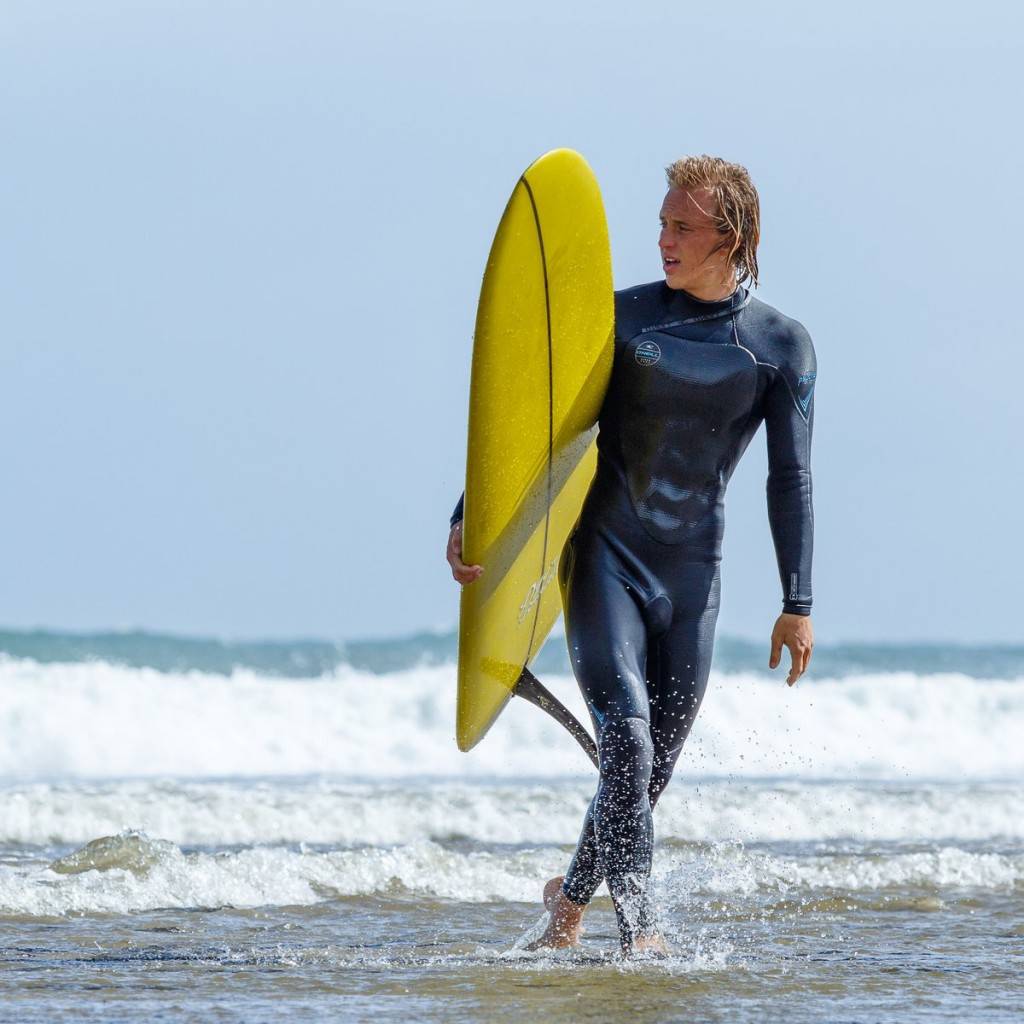
A full suit covers your entire body, from wrists to ankles. It’s the best choice for cold water.
Spring Suit
A spring suit is short-sleeved or short-legged. It’s for warmer water, usually above 18°C (65°F).
Shorty
A shorty wetsuit has short arms and legs. It works well for warm water and gives you more freedom of movement.
Wetsuit Top
A wetsuit top is like a neoprene shirt. It’s used when you need just a bit of warmth or sun protection.
Hooded Suit
A hooded wetsuit includes a built-in hood, and sometimes booties and gloves. It’s for extreme cold water, below 10°C (50°F).
Here’s a quick comparison:
| Type | Coverage | Best For |
|---|---|---|
| Full suit | Full arms and legs | Cold water |
| Spring suit | Short arms/legs | Mild water |
| Shorty | Short arms and legs | Warm water |
| Top | Torso only | Very warm water |
| Hooded suit | Full body + hood | Very cold water |
How To Choose The Right Wetsuit
Picking the right wetsuit is not just about thickness. Fit, seams, and zippers all matter.
Wetsuit Thickness
Wetsuits are measured in millimeters. For example, a 3/2mm wetsuit has 3mm neoprene on the torso and 2mm on the arms and legs. Thicker suits are warmer but less flexible.
Fit
A wetsuit should be snug, but not so tight it restricts your breathing. Gaps will let in cold water, making the suit less effective.
Seams And Construction
There are three main types:
- Flatlock: Good for warm water. Not fully waterproof.
- Glued and blindstitched: Better for cold water. Keeps out more water.
- Taped seams: Top-quality. Used for the coldest conditions.
Zipper Types
There are three common zipper styles:
- Back zip: Easy to put on. Most common.
- Chest zip: Better seal. More flexibility.
- Zipperless: Maximum flexibility. Harder to put on.
Common Mistakes When Choosing A Wetsuit
Many beginners make the same errors. Here are two that are easy to avoid:
- Buying Too Loose: A wetsuit must fit closely. If it’s baggy, it will not keep you warm.
- Ignoring Local Advice: Conditions change from beach to beach. Always ask local surfers or surf shops for recommendations.
Another mistake is thinking price equals quality. Some expensive suits are not suitable for your needs. Focus on fit, thickness, and the right type for your area.
Do You Need A Wetsuit In Warm Water?
This is a common question. In warm tropical locations, you usually don’t need a wetsuit for comfort or safety. However, some surfers still choose to wear a thin wetsuit or a rashguard. Here’s why:
- Sun protection: Prevents sunburn on long sessions.
- Rash prevention: Protects skin from board wax and friction.
- Jellyfish and stings: Offers a barrier against sea creatures.
If you surf for only a short time, swimwear may be enough. For longer sessions, a lightweight top or suit can make a big difference.
What Happens If You Don’t Wear A Wetsuit In Cold Water?
Surfing without a wetsuit in cold water can be dangerous. Your body will lose heat quickly, leading to:
- Muscle cramps
- Loss of coordination
- Fatigue
- Hypothermia (in extreme cases)
You may not feel cold at first, but after 20–30 minutes, your performance drops. You could miss waves or struggle to paddle. In rare cases, cold shock can cause drowning.
Other Gear That Helps With Warmth
Sometimes, a wetsuit alone is not enough. You can add booties, gloves, and a hood for extra protection.
| Gear | When to Use | Benefit |
|---|---|---|
| Booties | Water below 15°C (59°F) | Warm feet, grip on rocks |
| Gloves | Water below 10°C (50°F) | Warm hands, prevent numbness |
| Hood | Water below 10°C (50°F) | Prevents heat loss from head |
Two Insights Most Beginners Miss
- Wind matters as much as water: Even if the water feels warm, a strong cold wind can chill you quickly after a session. Always consider air and wind conditions before deciding what to wear.
- Short surf sessions can still be risky: Many think a quick 15-minute surf in cold water is safe without a wetsuit. But cold shock and muscle cramps can happen fast. Always respect the conditions.

Expert Guidance: How To Test If You Need A Wetsuit
If you’re unsure, try this: put your feet in the water for two minutes. If you feel uncomfortable, you’ll likely want a wetsuit. When in doubt, wear one—you can always take it off if you get too hot.
Final Thoughts
So, do you need a wetsuit for surfing? The answer depends on your location, the temperature, and your comfort. For cold water, a wetsuit is essential for safety and enjoyment. In warm places, it’s optional—but can still be useful for protection. Choose your suit based on fit, thickness, and local advice. Remember, it’s better to be warm and safe than cold and sorry. If you want to learn more about wetsuit science, the Wikipedia wetsuit page has more detail.
Frequently Asked Questions
What Is The Best Wetsuit Thickness For Surfing?
For most conditions, a 3/2mm wetsuit works well in water above 14°C (58°F). For colder water, go for 4/3mm or thicker. Always match thickness to your local water temperature.
Can I Surf Without A Wetsuit In California?
In summer in Southern California, you may not need a wetsuit, especially during heatwaves. In winter or further north, water gets cold and a wetsuit is recommended.
How Tight Should A Wetsuit Be?
A wetsuit should feel snug, like a second skin. There should be no loose areas, but you should be able to move and breathe easily. If in doubt, try a size down.
Do Wetsuits Help You Float?
Yes, neoprene is slightly buoyant. A wetsuit will help you float a bit more, which can make paddling easier for beginners.
Are There Alternatives To Wetsuits For Surfing?
In warm water, you can use a rashguard or surf shirt for sun and rash protection. For cold water, nothing beats a wetsuit for warmth and safety.