
Paddling on a surfboard is the first real skill every surfer must learn. It’s not just about moving forward—good paddling is the foundation for catching waves, positioning yourself, and saving energy in the water. Even experienced surfers know that better paddling often means more waves and longer sessions.
Let’s dive deep into how you paddle on a surfboard, step by step, with practical tips, examples, and insights that will help you improve fast.

Today's Exclusive Deals
Limited-time Exclusive Deals. Check current discount on Amazon.
Check Price on Amazon As an Amazon Associate I earn from qualifying purchases.Understanding Surfboard Paddling
Paddling is simply moving your surfboard forward in the water using your arms. But it’s not as easy as it looks. The way you paddle affects your speed, balance, and ability to catch waves. Beginners often think it’s just arm strength, but there’s much more to it—technique, body position, and timing are all important.
Why Proper Paddling Matters
If you paddle poorly, you will:
- Get tired quickly
- Miss waves
- Drift out of position
- Struggle to return to the lineup
With good paddling, you can catch more waves, stay safe, and enjoy your session. That’s why even professional surfers spend time practicing their paddling technique.
Getting Into The Right Position On Your Board
Before you even start moving, you need to lie on your surfboard the right way. Your position on the board is called your trim.
- Lie face down, body centered along the board’s middle line.
- Your toes should just touch the tail of the board.
- Your head should be up, looking forward.
- Keep your chin off the board.
- Avoid lying too far back (the nose will point up and slow you down).
- Don’t lie too far forward (the nose may dip underwater).
A simple test: If water is constantly washing over the nose, move back. If the nose is high out of the water, move forward.
Body Alignment Tips
- Keep your chest up slightly—don’t press it flat.
- Legs together and relaxed.
- Hands in the water, ready to paddle.
This trim position helps you balance and move efficiently.
The Basic Paddling Technique
Now let’s break down the actual paddling motion.
- Reach Forward: Extend one arm straight ahead, fingers together but relaxed.
- Enter the Water: Slide your hand into the water, not slapping or splashing.
- Pull Through: With your arm bent a little, pull the water alongside the board, keeping your hand close to the rail (side of the board).
- Exit at Hip: Finish the stroke when your hand is next to your hip. Don’t over-reach behind you.
- Alternate Arms: As one arm finishes, the other starts. Keep a smooth rhythm.
Common Mistakes
- Splashing the water instead of sliding in
- Arms too wide or crossing over the board
- Pulling too far back behind your hip (wastes energy)
- Looking down instead of forward
Focus on smooth, steady strokes, not speed. Quality matters more than quantity.
Types Of Paddling
You’ll use different paddling styles in different situations:
Standard Paddling
This is the normal, alternating stroke described above. Use it when moving around the lineup or positioning for waves.
Sprint Paddling
When you need a burst of speed (for catching a wave), increase your tempo. Keep strokes controlled, but move your arms faster and lift your chest a little higher to get extra drive.
Duck Dive And Turtle Roll
These are not for moving forward, but for getting past breaking waves.
- Duck Dive: Push the nose of the board down and glide under the wave (shortboards only).
- Turtle Roll: Flip the board over and hold on as the wave passes (longboards).
Both require strong, quick paddling to gain momentum before you dive or roll.
How To Paddle Efficiently
Efficient paddling means moving fast with less effort. Here’s how:
Hand Position
Keep your fingers close together but not tightly squeezed. This forms a paddle with your hand and lets you pull more water.
Elbow Angle
Don’t keep your arm straight. Bend your elbow about 30–45 degrees during the pull—like a swimming crawl stroke. This uses your back and shoulder muscles, not just your arms.
Body Movement
Your body should stay mostly still. Don’t rock side to side or lift your legs up and down. Too much movement wastes energy.
Breathing
Breathe regularly and deeply. Don’t hold your breath, even when sprinting. Calm breathing helps you stay relaxed and focused.
Paddling For Positioning And Catching Waves
It’s not enough to paddle in a straight line. Good surfers are always adjusting their position:
- Paddle sideways (across the board) to move left or right.
- Use short, quick strokes to turn.
- Look for landmarks on shore to help keep your position.
When a wave approaches:
- Turn your board toward the beach quickly.
- Start paddling hard before the wave reaches you—give yourself a head start.
- As the wave lifts your tail, paddle even harder (sprint paddling).
- Feel the wave catch your board, then pop up.
Timing is everything. Many beginners start paddling too late or too slow. Watch experienced surfers—they often paddle much earlier than you might expect.
Choosing The Right Surfboard For Paddling
Not all surfboards paddle the same. The size, shape, and thickness of your board make a huge difference.
Here’s a quick comparison:
| Board Type | Paddling Ease | Who Should Use |
|---|---|---|
| Longboard | Very easy, stable | Beginners, small waves |
| Funboard | Moderate | Intermediate, all conditions |
| Shortboard | Harder, less stable | Advanced, big waves |
A bigger, thicker board floats better, which means easier paddling. Beginners should start on a bigger board to build skills and confidence.
Building Paddling Strength And Endurance
Paddling is a workout. The best way to get better is to practice in the water, but you can train on land, too.
- Swimming laps helps build stamina.
- Push-ups and planks strengthen arms, shoulders, and core.
- Resistance bands can mimic the paddling pull.
A common mistake is ignoring fitness. Even a few minutes of swim training each week will make your paddling much easier.

Safety And Etiquette When Paddling
Surfing is fun, but the ocean can be dangerous. Here’s how to stay safe and respect others:
- Watch for other surfers—never paddle directly behind someone taking off.
- Use your peripheral vision to track waves and people.
- Never throw your board—hold it when a wave hits.
- Paddle wide around breaking waves if someone is riding.
- Practice in uncrowded spots until you’re confident.
Being aware of your surroundings helps you stay safe and makes the lineup friendly for everyone.
Advanced Paddling Tips
As you improve, small details make a big difference:
- Trim adjustments: Move slightly forward or back to find the fastest balance.
- Shoulder roll: A gentle roll of your upper body with each stroke can add power.
- Silent paddling: The less splash you make, the more efficient you are.
- Reading the water: Look for rips or currents to help you paddle out faster.
Advanced surfers often use these small tricks to save energy and catch more waves, especially in crowded or challenging conditions.
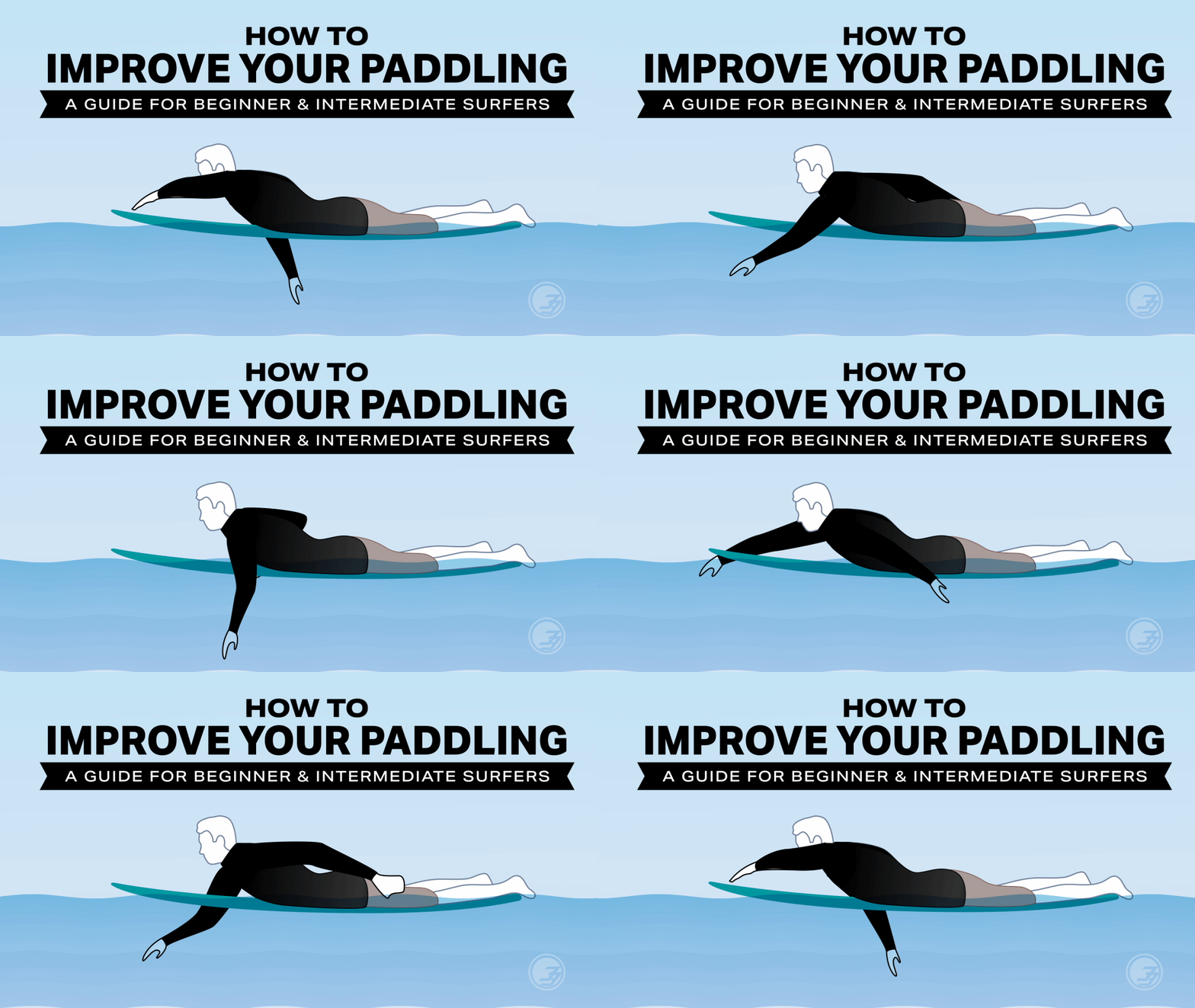
Table: Common Paddling Problems And How To Fix Them
Here are some issues beginners face and quick solutions:
| Problem | Cause | Solution |
|---|---|---|
| Board zig-zags | Arms crossing over the center | Keep strokes parallel to the board |
| Getting tired fast | Paddling with arms only, poor technique | Use shoulders and back, improve form |
| Nose dips underwater | Lying too far forward | Move back on the board |
| Missing waves | Starting to paddle too late | Begin paddling earlier |
Practical Insights Most Beginners Miss
- Surfboard wax is essential. Without it, you’ll slide around and waste energy trying to stay balanced. Always wax the area where you lie and paddle.
- Use your eyes—look forward, not down. This helps you keep direction and spot waves early.
- Listen to your body. If your shoulders or neck hurt, check your position and technique. Small adjustments can prevent pain and injury.
- Rest when needed. Surfing is about timing, not constant motion. Float and recover when you can, especially between sets.
Table: Paddling Technique Comparison
It’s helpful to see the main differences between beginner and advanced paddling:
| Aspect | Beginner | Advanced |
|---|---|---|
| Stroke Length | Short, often stops early | Full, smooth to hip |
| Body Movement | Wobbly or rocking | Stable, minimal movement |
| Breathing | Irregular, holds breath | Calm, regular |
| Position | Often too far forward/back | Fine-tuned for speed |
Learning From The Best
Watching videos of professional surfers can help you see good technique in action. Notice how relaxed and smooth they look, even when paddling hard. They rarely splash, their bodies stay still, and their timing is perfect. Many surf schools and coaches offer technique clinics—these can improve your skills in just a few sessions.
For more details on surf technique, you can visit the Wikipedia Surfing Guide.

Frequently Asked Questions
How Do I Know If I’m Paddling Correctly On My Surfboard?
If your paddling feels smooth, you’re not splashing, and your board moves straight and fast, you’re likely using good technique. You should also feel balanced and not get tired too quickly. Check your body position and try to paddle with your whole upper body, not just your arms.
Should I Use My Legs When Paddling On A Surfboard?
Your legs should stay relaxed and together, floating behind you. Don’t kick like in swimming—this wastes energy and can make you unstable. Use your arms and shoulders for power, and let your legs help with balance only.
How Can I Paddle Out Through Breaking Waves?
First, watch the waves and time your paddle-out for a break in the sets. Paddle hard and straight, and use the duck dive (for shortboards) or turtle roll (for longboards) when a wave comes. Try to stay calm and keep moving forward, even if you get pushed back.
How Much Does Surfboard Size Affect Paddling?
A bigger board (like a longboard or foam board) makes paddling much easier for beginners. It floats better and glides further with each stroke. Smaller boards are harder to paddle, especially in weak waves, and are best for experienced surfers.
How Can I Build Endurance For Better Paddling?
Spend more time in the water and practice paddling every session. Swimming is also excellent for building endurance. On land, try push-ups, planks, and resistance band exercises to strengthen your upper body and core.
Paddling is the foundation of your surfing journey. With the right technique, a good board, and regular practice, you’ll catch more waves and enjoy your time in the ocean much more. Every session is a chance to improve. Focus on the basics, and soon you’ll paddle with the confidence of a real surfer.

