
Surfing looks simple from the beach. The waves roll in, and surfers glide across the water with ease. But when you try it yourself, it can feel much harder. Many people ask: How long does it take to learn surfing? The answer depends on several things, including your fitness, the conditions, and how often you practice. This article explains what really affects your progress, what you can expect as a beginner, and how you can speed up your learning. Whether you want to catch your first wave or master turns, you’ll find clear advice here.
What Does It Mean To “learn” Surfing?
Before asking how long it takes, it’s important to know what “learning” surfing means. For some, it means standing up on the board for a few seconds. For others, it’s about riding green (unbroken) waves and making turns. Most surf schools divide skills into these levels:
Today's Exclusive Deals
Limited-time Exclusive Deals. Check current discount on Amazon.
Check Price on Amazon As an Amazon Associate I earn from qualifying purchases.- Beginner: Can paddle, stand up, and ride whitewater (broken waves).
- Intermediate: Can catch and ride unbroken waves, do simple turns.
- Advanced: Can do maneuvers, ride bigger waves, and handle many conditions.
Learning to stand up may take a few days. Riding green waves and turning confidently can take months or even years. Let’s look at what affects your progress.
Main Factors That Affect Surfing Progress
Several things can speed up or slow down your surfing journey. Here are the most important ones:
Age And Physical Fitness
You don’t need to be an athlete, but balance, flexibility, and stamina help a lot. Young people often learn faster because their bodies adapt quickly. If you can swim well and have good endurance, you’ll find paddling and getting up on the board easier.
Today's Exclusive Deals
Limited-time Exclusive Deals. Check current discount on Amazon.
Check Price on Amazon As an Amazon Associate I earn from qualifying purchases.Frequency Of Practice
Surfing once a month will not bring fast results. Practicing 2–3 times per week is ideal. The more you are in the water, the faster your body learns the movements and timing.
Wave Conditions
Small, gentle waves are best for beginners. Big or messy waves make learning harder and sometimes dangerous. If you live near a beach with soft, consistent waves, you can improve much faster.
Quality Of Instruction
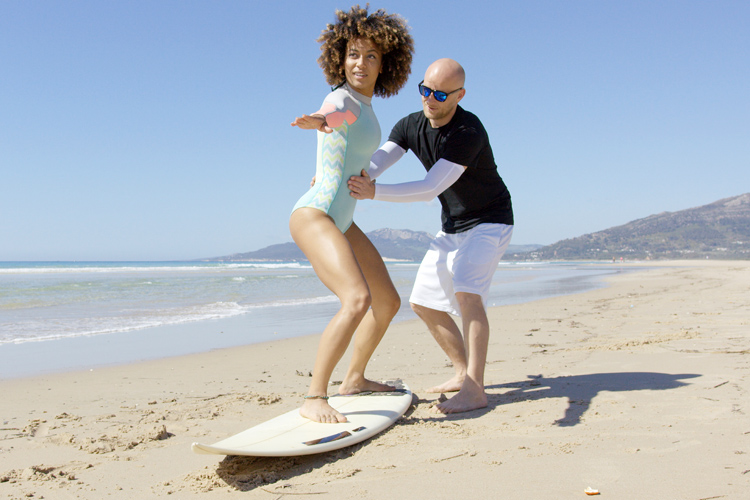
A good instructor gives you tips and corrects your mistakes. Taking even a few lessons at the start can save you weeks of frustration. Surf schools teach basic safety and technique, helping you avoid bad habits.
Equipment Choice
The right board makes a big difference. A large, stable foam board is best for beginners. It floats well and is easy to balance on. Small or thin boards are harder to use and can slow your progress.
Today's Exclusive Deals
Limited-time Exclusive Deals. Check current discount on Amazon.
Check Price on Amazon As an Amazon Associate I earn from qualifying purchases.Personal Mindset
Surfing takes patience. You will fall a lot at first. People who keep a positive attitude and don’t give up learn faster. Fear of waves can slow progress, so building confidence in the water matters too.
Learning Stages And Typical Timelines
How long does it take to learn surfing at each stage? Here’s a breakdown of what most people experience.
Stage 1: Getting Comfortable In The Water (1–2 Sessions)
Before you catch waves, you need to feel safe in the sea. This means:
- Learning to handle your board in shallow water
- Practicing paddling
- Understanding how to duck under waves and fall safely
If you already swim well, this stage is short. If not, spend time swimming and getting used to ocean movement.
Stage 2: Catching Whitewater And Standing Up (2–5 Sessions)
Most new surfers can stand up on the board in whitewater waves after 2–5 sessions (each session is 1–2 hours). With an instructor and a foam board, this is even faster. Some people stand up on their first day, but controlling the board takes more practice.
Stage 3: Paddling For Green Waves (1–3 Months)
Riding broken waves is easier than catching unbroken, rolling waves. Moving to “green” waves is a big step. Most beginners need about 1–3 months of regular practice (2–3 sessions per week) to paddle out, position themselves, and catch small green waves.
Stage 4: Turning And Riding Across The Wave (3–12 Months)
Once you can catch green waves, the next goal is turning and riding along the face of the wave, not just towards the beach. This takes 3–12 months for most people, depending on how often they surf and the conditions.
Stage 5: Advanced Skills (1+ Years)
After you master basic turns, you can start learning advanced maneuvers like cutbacks or bottom turns. This level usually takes one year or more of steady practice. Some people never aim for this and are happy just catching waves.
How Different Factors Change The Timeline
It’s easy to get frustrated if you compare yourself to others. Here are two tables to help you see how different situations can change your progress.
| Factor | Faster Progress | Slower Progress |
|---|---|---|
| Fitness | Strong swimmer, good stamina | Poor fitness, weak swimming |
| Practice | 2–3 sessions/week | 1 session/month |
| Waves | Gentle, small waves | Big, choppy waves |
| Instruction | Professional lessons | Self-taught only |
| Mindset | Positive, patient | Easily discouraged |
A 20-year-old with good fitness, lessons, and regular practice in soft waves might learn twice as fast as a 40-year-old with little time and rough conditions.
Common Challenges Beginners Face
Learning to surf is not just about standing up. Here are some common problems and how to deal with them:
- Paddling Fatigue: New surfers often get tired quickly. Improve your swimming fitness and don’t try to catch every wave.
- Wipeouts: Falling is part of learning. Practice safe falling—cover your head and fall flat, not feet first.
- Fear of Waves: Start in very small surf and build confidence. Don’t rush into bigger waves.
- Board Control: Large foam boards are easier. Use them until you are confident.
- Timing: Catching a wave at the right moment is hard at first. Watch others and ask for feedback.
One insight many miss: Not every session will bring visible improvement. Progress can come in bursts, with plateaus in between. Don’t give up if you feel stuck.
How To Learn Surfing Faster
Want to speed up your progress? Here are some practical tips:
- Take a lesson early: Even one or two lessons can correct mistakes and build good habits.
- Film yourself: Watching video helps you see errors in your pop-up and stance.
- Work on your fitness: Swimming, stretching, and balance exercises help a lot.
- Choose the right spot: Gentle, sandy beaches are best for beginners.
- Rest and recover: Surfing is tiring. Don’t overdo it and risk injury.
A common mistake is switching to a smaller board too soon. Stay on your large board until you can catch and ride waves confidently. Many beginners get frustrated by using the wrong equipment.
Typical Timeline: From First Lesson To Riding Waves
To give you a clear sense of what to expect, here’s a sample timeline for someone practicing 2–3 times per week:
| Time | Skill Gained | Common Challenges |
|---|---|---|
| First week | Standing up in whitewater | Balance, timing, paddling strength |
| 1 month | Paddling for small green waves | Wave selection, confidence |
| 2–3 months | Riding green waves, basic turns | Wave reading, board control |
| 6–12 months | Consistent rides, more advanced turns | Dealing with crowds, bigger waves |
Remember, these are averages. Some people progress faster, others slower. The key is consistent practice and patience.
Real-life Examples
Let’s look at two typical learners:
- Anna, 25, practices twice a week, takes two lessons, and surfs in gentle waves. She stands up on day one, catches green waves after a month, and is turning confidently after six months.
- Mark, 40, surfs once a month, no lessons, in rough waves. He struggles to stand at first, takes months to paddle for green waves, and still finds turning difficult after a year.
This shows how much your environment and habits matter. The ocean is a great teacher, but it rewards commitment.

Non-obvious Insights About Learning To Surf
Most guides say, “Just practice more!” But two less obvious things speed learning:
- Understanding Ocean Patterns: Learning how waves form, where they break, and how currents work will help you catch more waves and stay safe. Spend time watching the ocean before you paddle out.
- Mental Rehearsal: Visualizing your pop-up or a good ride can improve your actual performance. Many pro surfers use this technique.
Another tip: Make friends in the surf community. They can give you advice, cheer you on, and make learning more fun.
Surfing Lessons Vs. Self-taught: What’s Better?
Many wonder if they really need lessons. Here’s a quick comparison:
| Learning Method | Benefits | Drawbacks |
|---|---|---|
| Surfing lessons | Faster feedback, safety, avoids bad habits | Cost, scheduling |
| Self-taught | Flexible, cheaper, learn at your own pace | Slower progress, higher risk of injury, possible bad habits |
For most, a mix works well: take a lesson or two, then practice on your own.
How Long Until You Can Surf Alone?
Many people want to know when it’s safe to surf without an instructor or experienced friend. If you can:
- Paddle out past the breaking waves
- Catch and ride green waves
- Understand basic surf etiquette and safety
You can usually surf alone in gentle conditions after 2–3 months of regular practice. But always respect the ocean and start in small waves.
Is It Ever Too Late To Learn Surfing?
No. People of all ages learn to surf. You may progress slower if you start later in life, but with patience, you’ll improve. Surfing is as much about enjoying the ocean as it is about performance. Many older surfers are among the happiest in the lineup.

Frequently Asked Questions
How Long Does It Take To Stand Up On A Surfboard?
Most people can stand up in the whitewater after 1–3 sessions if they practice for an hour or two each time. Some manage it on their first day, especially with a good instructor and a large foam board.
How Many Lessons Do I Need To Learn Surfing Basics?
Usually, 2–4 lessons are enough to cover safety, paddling, standing up, and basic board control. After that, practicing on your own helps cement these skills.
Can I Learn Surfing By Myself?
Yes, but it’s slower and sometimes less safe. Lessons help you avoid common mistakes and build confidence faster. Watching videos and reading guides can also help, but nothing replaces water time.
What Is The Best Age To Start Surfing?
There’s no “best” age. Kids often learn quickly, but many people start in their 30s, 40s, or later. Fitness, attitude, and time spent in the water matter more than age.
Where Can I Find Reliable Surf Forecasts And Safety Tips?
One trusted source is Surfline, which provides real-time wave forecasts, surf safety guides, and tips for every level.
Surfing is a journey, not a race. Progress takes time, but the rewards—joy, fitness, and a deeper connection with nature—are worth the effort. With the right approach, anyone can learn to surf and enjoy the waves for a lifetime.