
Why Do Surfers Wait For Waves?
Surfing is a unique sport. You see surfers sitting on their boards, staring at the ocean, waiting for something that seems invisible to outsiders. Why do they wait so long? What are they looking for? The answer goes much deeper than just catching a ride.

Exclusive Deals
Limited-time Exclusive Deals. Check current discount on Amazon.
Check Price on Amazon As an Amazon Associate I earn from qualifying purchases.Surfers wait for waves because timing, patience, and understanding the ocean are the heart of their sport. Every wave is different, and only the right wave gives a true surfing experience. If you’ve ever wondered about the reason behind this waiting, you’re about to discover the full story—from science to strategy, from culture to psychology.
The Science Of Waves
Surfers don’t just wait for any wave. They’re looking for the best waves. Waves are created by wind, storms, and tides. The size, shape, and speed of a wave depend on many factors:
- Wind direction: Offshore winds (blowing from land to sea) create smoother, cleaner waves.
- Swell size: Bigger swells mean larger waves.
- Tide level: Some breaks work best at high tide, others at low tide.
- Ocean floor: The shape of the seabed (reef, sand, or rock) affects the wave.
Surfers learn to read the ocean. They look for sets, which are groups of waves that travel together. Sets are often stronger and more surfable. Most of the time, smaller, weaker waves roll in. Surfers wait for the right set—because the quality of the ride depends on it.
Exclusive Deals
Limited-time Exclusive Deals. Check current discount on Amazon.
Check Price on Amazon As an Amazon Associate I earn from qualifying purchases.| Factor | Effect on Wave | Ideal for Surfers? |
|---|---|---|
| Wind Direction | Offshore winds make waves clean and tall | Yes |
| Swell Size | Larger swells mean bigger, faster waves | Yes |
| Tide Level | Changes wave shape and speed | Depends |
| Ocean Floor | Reefs make consistent waves; sand is less predictable | Reef is better |
The Art Of Patience
Surfing is not a sport of instant action. Surfers spend 30% to 50% of their time waiting, according to surf research. The waiting is not wasted. It’s a skill. Here’s why:
- Wave selection: Not every wave is good. Surfers must choose the best wave to ride.
- Safety: Waiting helps avoid dangerous waves and crowded conditions.
- Timing: Good surfers paddle at just the right moment. Early or late means missing the wave.
Beginners often rush and take every wave. Experienced surfers know that patience brings better rides and safer surfing. This patience also teaches calmness, focus, and respect for the ocean.

The Surfing Strategy
Surfers use strategy while waiting. There are rules and etiquette in the lineup (the area where surfers sit and wait):
Exclusive Deals
Limited-time Exclusive Deals. Check current discount on Amazon.
Check Price on Amazon As an Amazon Associate I earn from qualifying purchases.- Priority: The surfer closest to the peak (the breaking part of the wave) gets the right to ride.
- Positioning: Surfers move to stay in the best spot for catching a wave.
- Rotation: Surfers take turns, avoiding dropping in on others.
Waiting for waves is part of the game. Surfers often study the ocean for 10–20 minutes before paddling out. They watch the rhythm, count the time between sets, and learn the spot. This strategy helps them catch more waves and avoid trouble.
The Experience Of The Ocean
Waiting for waves is not boring for surfers. It’s an experience. The ocean is alive. Surfers enjoy:
- Nature: Watching dolphins, birds, and the sunrise.
- Peace: The sound of water and feeling of floating.
- Connection: Many surfers feel a spiritual bond with the sea.
This time in the water is part of why surfing is loved worldwide. Surfers often say that the waiting is as rewarding as the ride itself.
Physical Benefits Of Waiting
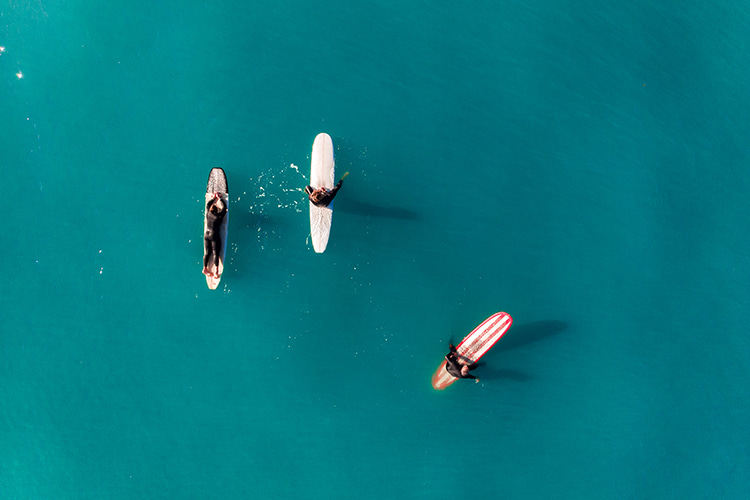
The act of waiting is also physically important. While sitting on their boards, surfers:
- Rest after paddling hard
- Watch for signs of fatigue
- Stretch their muscles gently
- Prepare mentally for the next wave
Surfers need strong arms and core muscles to paddle and balance. Waiting helps prevent exhaustion and injury. It gives the body time to recover between rides.
Psychology Of Surfing
Surfing is a mental challenge. Waiting for waves teaches:
- Focus: Surfers learn to concentrate on the ocean and ignore distractions.
- Resilience: Sometimes the perfect wave never comes. Surfers adapt and stay positive.
- Mindfulness: Surfing is a form of meditation. Watching the waves, feeling the water, and breathing deeply brings calm.
Studies show that surfers often have lower stress levels and greater happiness compared to non-surfers. The act of waiting, combined with the thrill of riding, creates a unique mental benefit.
Surf Culture And Waiting
Surfing is more than a sport. It’s a culture. Waiting for waves is part of the tradition:
- Surfers share stories while waiting
- Friendships are built in the lineup
- Local rules and respect are learned
Many surf spots have their own customs. For example, at Pipeline in Hawaii, surfers must wait their turn and respect locals. Breaking these rules leads to conflict. Waiting teaches respect, patience, and humility.
Understanding Ocean Patterns
Surfers use science and instinct to predict when the best waves will arrive. Some key patterns:
- Wave period: The time between waves. Longer periods mean bigger, stronger waves.
- Set frequency: Sets may come every 5–10 minutes. Surfers watch for signs, like a dark patch on the horizon.
- Tide charts: Surfers check tide times to know when their favorite breaks will work.
Technology now helps surfers. Websites and apps show wave forecasts, swell charts, and wind direction. This data helps surfers plan their sessions, but real skill comes from watching the water.
| Wave Period (seconds) | Average Wave Height (feet) | Quality for Surfing |
|---|---|---|
| 6–8 | 2–3 | Low |
| 10–12 | 4–6 | Medium |
| 14–16 | 6–10 | High |
The Role Of Competition
In surf contests, waiting becomes even more important. Surfers must catch the best waves within a set time—usually 20 to 30 minutes per heat. Judges score rides based on:
- Wave size
- Maneuvers
- Speed and control
Surfers who wait for the best waves score higher. Choosing a poor wave means lower scores. Waiting becomes a tactical skill.
Dangers Of Impatience
Taking every wave is risky. Impatient surfers face:
- Collisions with other surfers
- Wipeouts (falling off the board)
- Getting caught in rip currents
Waiting for the right wave reduces these risks. It also helps keep the lineup safe and friendly.
Environmental Awareness
Surfers are often the first to notice changes in the ocean. While waiting, they watch for:
- Pollution and debris
- Changes in water temperature
- Signs of marine life
This awareness helps protect surf spots and the environment. Many surfers join clean-up events or support ocean conservation.
Non-obvious Insights
Most beginners miss two important points:
- Wave rhythm is unique at every spot. The time between sets, the type of waves, and the way the ocean moves can change daily. Surfers must learn each location like a new language.
- Waiting shapes surfing skills. The ability to watch, learn, and choose is as valuable as paddling or riding. Surfers who master waiting become better at reading the ocean, predicting waves, and avoiding danger.
Comparing Surfing To Other Sports
Surfing’s waiting is different from other sports. In football or basketball, action is constant. In surfing, the ocean controls the game.
| Sport | Waiting Time (%) | Reason for Waiting |
|---|---|---|
| Surfing | 30–50 | For the best wave |
| Soccer | 5–10 | Ball possession |
| Golf | 20–30 | Preparing shots |
Practical Tips For Beginners
If you’re learning to surf, waiting is part of your journey. Here are some tips:
- Watch experienced surfers. Learn their timing.
- Don’t rush. Quality is better than quantity.
- Study wave sets and ocean patterns.
- Respect the lineup. Wait your turn.
- Use waiting time to relax, stretch, and observe.
Common mistakes include paddling for every wave, ignoring etiquette, and not watching the ocean. Avoid these, and your surfing will improve quickly.
How Waiting Shapes Surfing Philosophy
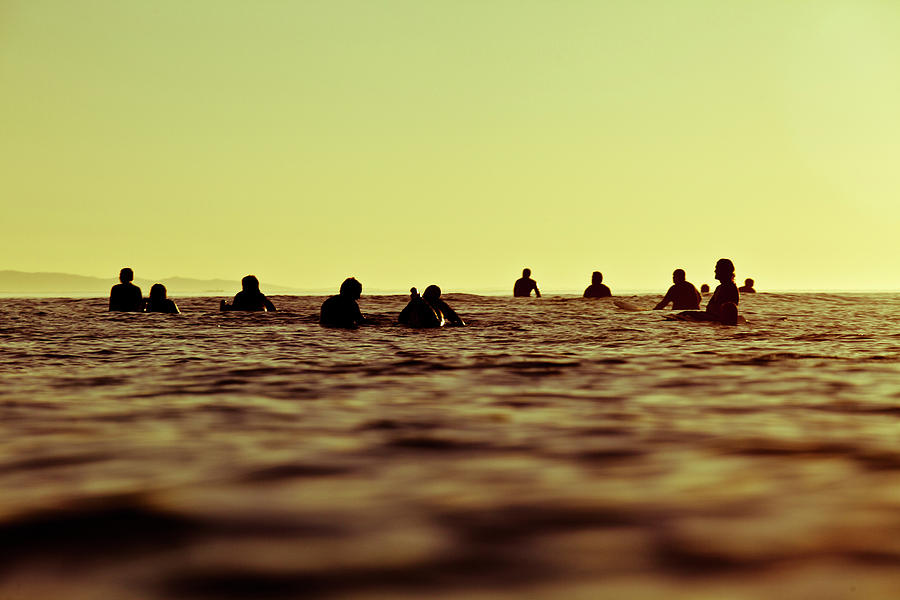
Surfers often develop a patient, balanced mindset. Waiting teaches:
- Gratitude for each good wave
- Respect for nature’s rhythm
- Calm in daily life
Many surfers say that the lessons from waiting help them outside the water. Patience, observation, and timing become life skills.
Frequently Asked Questions
Why Don’t Surfers Catch Every Wave?
Surfers wait for the best waves because not every wave is good. Some are too small, too fast, or close out (break all at once). Riding only the right wave gives a longer, safer, and more exciting ride.
How Long Do Surfers Usually Wait For A Wave?
Surfers often wait 5–10 minutes between sets. In a typical session, they may spend up to half their time waiting. The exact time depends on conditions and spot.
Is Waiting For Waves Boring?
Most surfers enjoy the waiting. It’s a chance to relax, enjoy nature, and prepare mentally. Many say the peace and calm are as rewarding as the ride itself.
Does Waiting For Waves Help With Surfing Skills?
Yes. Waiting teaches surfers to read the ocean, predict waves, and choose the best time to paddle. It builds patience, observation, and respect for other surfers.
Where Can I Learn More About Wave Science?
You can find detailed information on wave science and surfing at Wikipedia. It explains how waves form, travel, and break.
Surfing is a dance with the ocean, and waiting is the heartbeat. Whether you’re a beginner or a pro, the time spent watching, learning, and waiting for waves is what makes surfing special. It’s not just about catching waves—it’s about understanding the sea, respecting nature, and finding joy in patience. Next time you see surfers sitting and waiting, remember: they’re right where they want to be.

