Choosing the right snowboard bindings can make or break your riding experience. With so many options on the market, it’s easy to feel confused—especially if you’re new to snowboarding. Bindings are the critical link between your boots and your board.
The right choice means better comfort, improved control, and more fun on the slopes. The wrong choice can lead to sore feet, poor performance, and even injury. In this guide, you’ll learn exactly how to pick snowboard bindings that fit your needs, your riding style, and your budget.
Today's Exclusive Deals
Limited-time Exclusive Deals. Check current discount on Amazon.
Check Price on Amazon As an Amazon Associate I earn from qualifying purchases.Why Snowboard Bindings Matter
Bindings are more than just connectors. They transfer your body movements to your board. Good bindings offer response, support, and comfort. Bad bindings can cause pain, fatigue, or even make you lose control. Many beginners focus only on boards or boots, but bindings are just as important. They affect how your snowboard feels with every turn, jump, or carve.
Types Of Snowboard Bindings
Understanding the main binding types is the first step. Here are the most common ones:
1. Strap-in Bindings
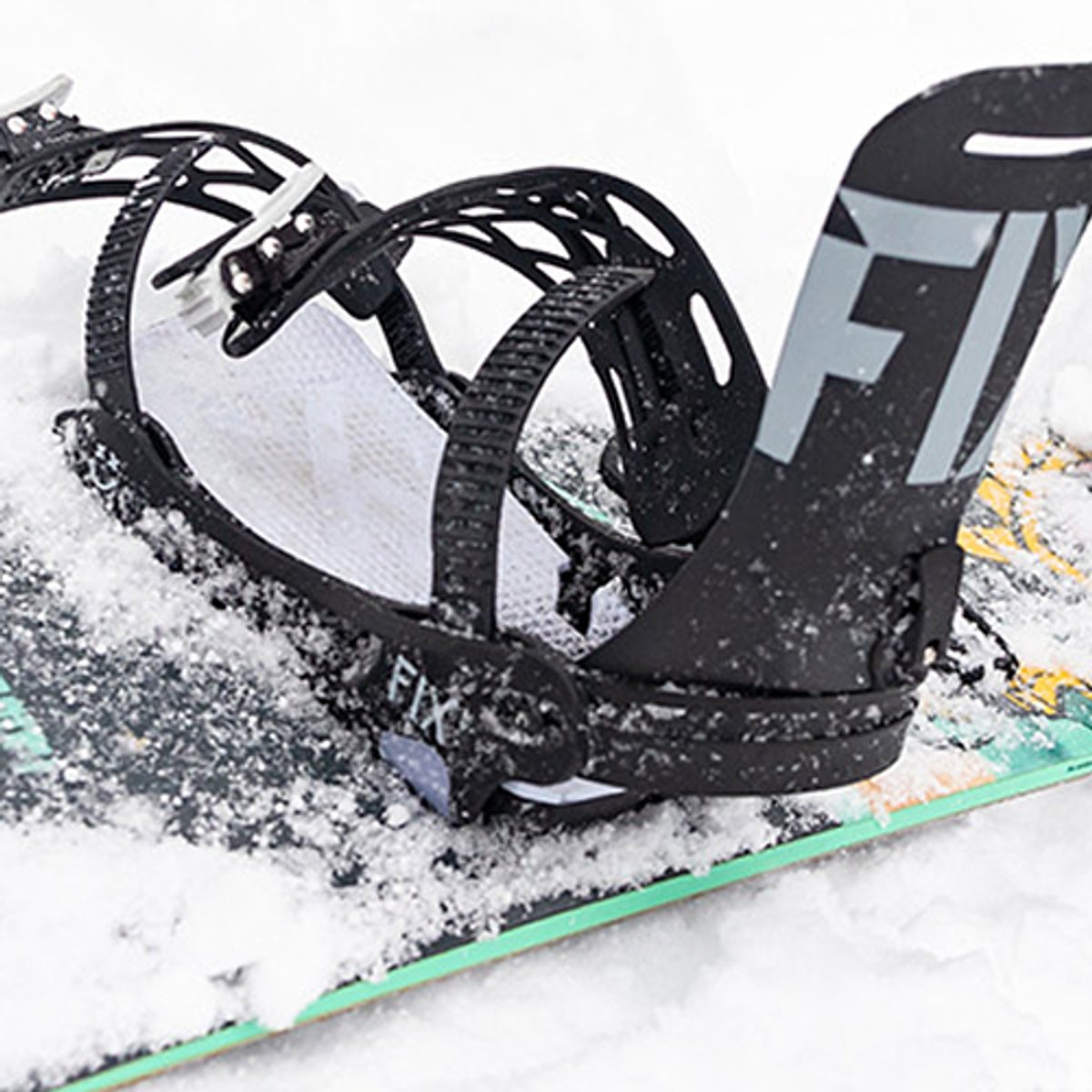
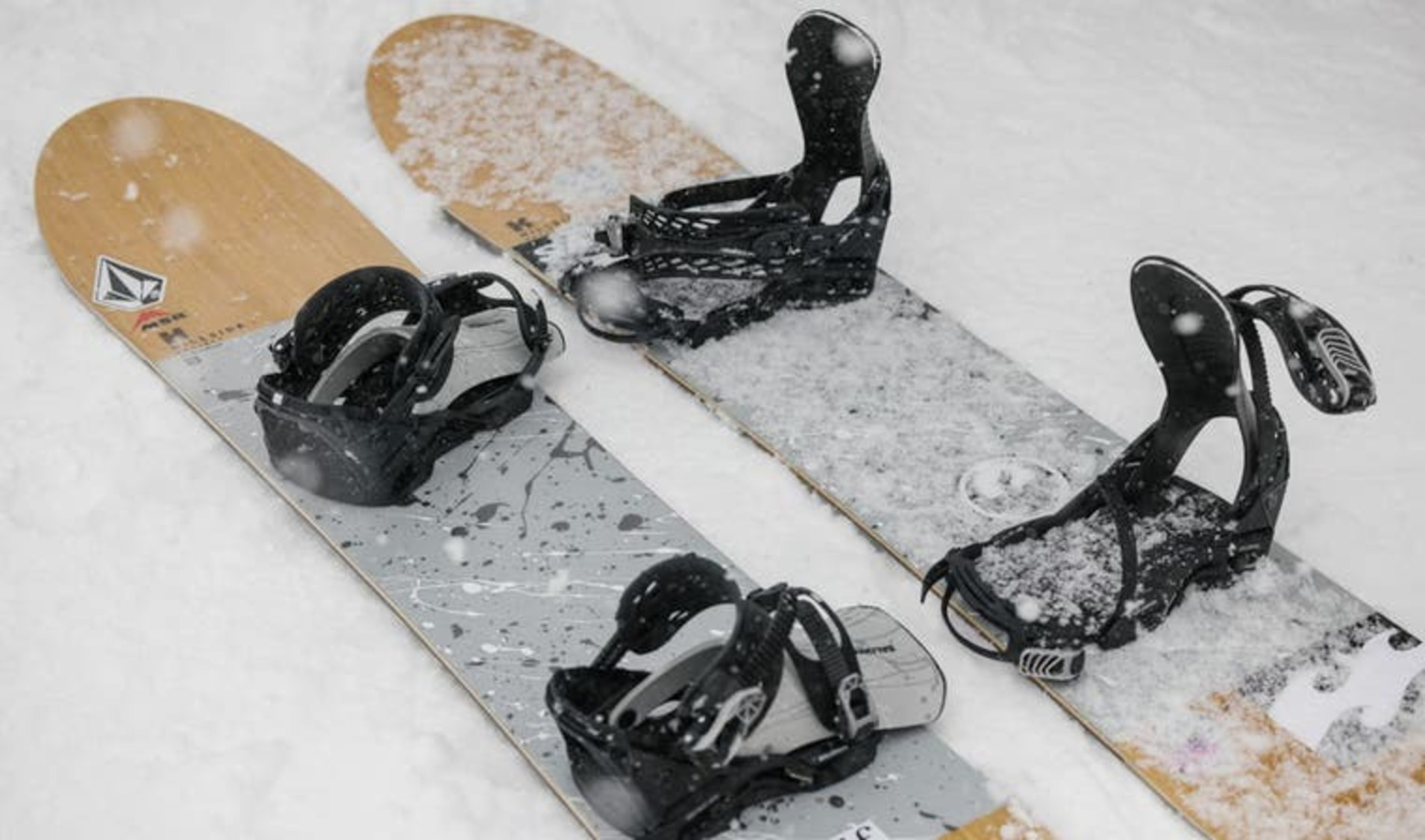
These are the most popular bindings. They use two straps—one over the toe, one over the ankle. You step in, tighten the straps, and you’re ready. Strap-in bindings offer a secure fit and work with most boots.
2. Rear-entry Bindings
Rear-entry bindings (also called speed-entry) have a highback that drops down. You slide your boot in and flip the highback up to lock in. They’re faster to get into but can feel less adjustable compared to strap-ins.
3. Step-on Bindings
Step-on bindings are newer. They let you click your boots into place with no straps. They’re quick and easy, but you need compatible boots. Some riders love the convenience, while others prefer traditional styles.
4. Plate Bindings
Plate bindings are less common and mostly used for alpine or race boards. They offer a very stiff, direct feel. Not recommended for beginners or freestyle riders.
Key Factors When Choosing Bindings
Every rider is different. Think about these main factors before buying:
Flex
Flex describes how stiff or soft a binding feels. It’s usually rated from 1 (soft) to 10 (stiff).
- Soft flex (1-4): More forgiving, good for beginners or park riders who want easy turns and playful tricks.
- Medium flex (5-7): Balanced for all-mountain riding. Good for most people.
- Stiff flex (8-10): More responsive, great for fast carving or advanced riders.
Compatibility
Not all bindings fit every board or boot. Check:
- Mounting system: The most common are 2×4, 4×4, and Channel (used by Burton boards).
- Boot size: Make sure the bindings fit your boots. Small, medium, and large sizes are standard, but always check each brand’s size chart.
Highback
The highback is the vertical plate behind your heel. It affects support and response.
- Tall, stiff highbacks: More response for carving or speed.
- Short, soft highbacks: More freedom for tricks and park riding.
- Adjustable forward lean: Lets you change the angle for your style.
Straps And Padding
Straps keep your foot in place. Padding adds comfort and helps absorb shocks.
- Toe cap straps wrap around the front of your boot for a snug fit.
- Traditional straps go over the top of your foot.
- Cushioned footbeds help reduce foot fatigue.
- Minimalist straps are lighter but can be less comfortable for long days.
Weight
Lighter bindings make your board feel more playful and less tiring to control. However, ultra-light models can be less durable or comfortable for heavy riders.
Adjustability
Good bindings let you adjust strap length, highback angle, and heel cup position. This helps you dial in the perfect fit for your boots and riding style.
How To Match Bindings To Your Riding Style
Choosing bindings isn’t just about specs. Your riding style matters a lot.
Freestyle/park Riders
If you love jumps, rails, and tricks, look for:
- Soft to medium flex for freedom of movement
- Shorter highbacks for easier spins and tweaks
- Cushioned footbeds for shock absorption on landings
All-mountain Riders
For those who like a bit of everything:
- Medium flex for versatility
- Adjustable forward lean for carving or relaxed riding
- Durable construction for mixed terrain
Freeride/backcountry Riders
If you ride fast or in deep snow:
- Stiff flex for control at high speeds
- Tall, supportive highbacks
- Minimal padding for better board feel
How To Check Binding And Board Compatibility
One of the biggest mistakes beginners make is buying bindings that don’t fit their board. Here’s how to avoid that:
Mounting Systems
Bindings attach to the board with different systems. The three main ones are:
| Mounting System | Description | Used By |
|---|---|---|
| 2×4/4×4 | Uses two or four holes in a rectangular pattern | Most brands |
| Channel | Uses a single slot for more adjustment | Burton boards |
| 3D | Older Burton pattern, less common now | Some older Burton boards |
Always check your board’s mounting system and make sure your bindings come with the right disks or hardware.
Sizing
Boots and bindings must match. Each brand has its own sizing, so always check the size chart. Boots that are too small can move around. Boots that are too big can cause pressure points or make you lose control.
Budget: How Much Should You Spend?
Binding prices vary from $100 to $400+. Here’s what you get at each level:
| Price Range | What You Get | Who It’s For |
|---|---|---|
| $100-$150 | Basic materials, simple straps, less adjustability | Beginners, casual riders |
| $150-$250 | More comfort, better fit, medium flex | Most riders, all-mountain use |
| $250-$400+ | Lightweight, advanced materials, full adjustability | Experts, park/freeride specialists |
Don’t buy the cheapest option just to save money. Cheap bindings can break or hurt your feet. On the other hand, you don’t need pro-level bindings if you’re just starting out.
Common Mistakes To Avoid
It’s easy to get excited and rush your choice. Avoid these pitfalls:
- Ignoring compatibility: Double-check mounting systems and sizes.
- Overlooking flex: Don’t buy stiff bindings if you’re a beginner—they’ll feel hard to control.
- Buying only for looks: Cool colors don’t matter if the fit is wrong.
- Not trying before buying: If possible, try on bindings with your boots at a store.
- Skipping adjustability: More adjustment means a better fit and more comfort.
- Overpaying for features you don’t need: Advanced bindings are great, but only if you’ll use the extra features.
Non-obvious Insights Most Beginners Miss
1. Heel Cup Adjustments Matter
Many people focus on straps, but heel cup position is key. If your heel isn’t centered, your board won’t respond evenly. Look for bindings with adjustable heel cups for a perfect fit.
2. Forward Lean Can Change Everything
Adjusting the forward lean on your highback changes how your board turns. More lean gives quicker heel-side turns but can tire your legs. Less lean is more relaxed but less responsive. Play with this setting to match your riding style.
3. Footbed Canting Can Prevent Pain
Some bindings let you angle the footbed (called canting). This matches your body’s natural stance and can reduce knee or hip pain—especially for wider stances.
How To Fit Bindings To Your Boots And Board
Proper fitting is essential for comfort and safety. Here’s a quick fit checklist:
- Place your boot in the binding. The straps should sit centered across your foot.
- The heel should fit snugly, with little to no side-to-side movement.
- Highback should follow the curve of your boot, not dig into your leg.
- Check that all adjustments are easy to reach, even with gloves on.
- Make sure the footbed lines up with your boot sole—no overhang or gaps.
If you’re between sizes, go with the smaller binding for a snug fit, but make sure nothing pinches.
Women’s Vs. Men’s Bindings
Women’s bindings aren’t just smaller—they’re shaped for women’s boots and legs. Highbacks are usually lower, and straps fit a narrower foot. If you’re a woman, don’t just buy “unisex” bindings unless they fit perfectly.
Caring For Your Bindings
Bindings last for years with proper care:
- Rinse off salt and dirt after each trip.
- Check screws and straps regularly—they can loosen over time.
- Store bindings in a dry place. Wet bindings can rust or degrade.
- Replace worn-out parts (straps, buckles) before they break.
Where To Buy And What To Look For In-store
Buying in person lets you test fit. Bring your boots. Ask to mount the bindings on a board in the shop. Stand in your normal stance and check comfort, support, and ease of entry/exit.
If you buy online, check return policies. Some shops let you return bindings after a “test fit” at home.
Top Brands To Consider
Some brands are trusted for quality and innovation:
- Burton: Known for comfort and the Channel system.
- Union: Durable, with good adjustability.
- Ride: Great for all-mountain and freestyle.
- Flux: Lightweight and responsive.
- Salomon: Good value and versatile designs.
Always check the warranty—many top brands offer 1-2 years or more.
Useful Resources
If you want to dive deeper, the REI Snowboard Bindings Guide explains the finer details and includes videos for visual learners.

Frequently Asked Questions
What Size Snowboard Bindings Do I Need?
Check your boot size and compare it with the binding manufacturer’s size chart. Each brand is different. Your boots should fit snugly in the bindings, with straps centered over your foot.
Can I Use Any Bindings With My Snowboard?
No. You must match the binding mounting system (like 2×4, 4×4, Channel) to your board. Check your board’s insert pattern and make sure your bindings come with the right disks or adapters.
Are Expensive Bindings Worth It?
If you’re a beginner, you don’t need the most expensive bindings. Mid-range bindings offer plenty of comfort and adjustability. Advanced bindings are lighter and more responsive but only make a big difference for experienced riders.
Should I Buy Women’s Or Men’s Bindings?
Buy the type that matches your boot shape and size. Women’s bindings are shaped for narrower feet and lower calves. Men’s bindings are usually wider and taller. Try both if you’re unsure.
How Often Should I Replace My Bindings?
Most bindings last 3-5 years with regular use. Replace them if you see cracks, broken straps, or if they no longer fit your boots well.
Finding the perfect snowboard bindings takes time, but it’s worth the effort. The right pair will boost your control, comfort, and confidence—making every run more enjoyable. Remember to focus on fit, compatibility, and your riding style. With this guide, you’re ready to make an informed choice and hit the slopes with confidence.