
All-mountain snowboarding is a term you may hear often if you visit ski resorts or talk to snowboarders. But what does it really mean? Some people think it’s just riding on all types of terrain. Others believe it’s a special style or a type of snowboard. The truth is, all-mountain snowboarding is both a riding approach and a category of snowboards designed for versatility. If you’re curious about this style, or you’re thinking about trying it, this guide will help you understand everything you need to know.
What Does All-mountain Snowboarding Mean?
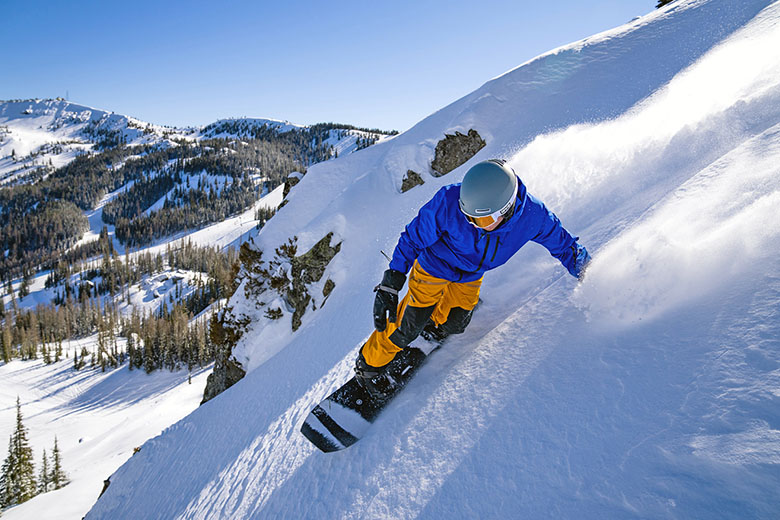
All-mountain snowboarding refers to riding on a wide variety of terrains—from groomed slopes to powder, park jumps, and even trees or moguls. Unlike freestyle riders who focus on tricks, or freeriders who search for untouched powder, all-mountain snowboarders want to do a bit of everything. This style is about adaptability. It’s for people who want to explore the whole mountain without switching boards or limiting themselves to just one type of terrain.

Today's Exclusive Deals
Limited-time Exclusive Deals. Check current discount on Amazon.
Check Price on Amazon As an Amazon Associate I earn from qualifying purchases.All-mountain snowboards are built to handle most conditions you’ll find at a ski resort. They aren’t the absolute best at any single thing, but they perform well almost everywhere. This makes all-mountain snowboarding perfect for people who:
- Like to explore different runs in one day
- Ride in changing weather and snow conditions
- Want one board that can “do it all”
The Key Features Of All-mountain Snowboards
You can spot an all-mountain snowboard by certain features. These features are designed to make the board versatile across different terrains and snow types. Here are the main things to look for:
| Feature | All-Mountain Boards | Freestyle Boards | Freeride Boards |
|---|---|---|---|
| Flex | Medium | Soft | Stiff |
| Shape | Directional Twin or True Twin | True Twin | Directional |
| Width | Standard/Medium | Narrow | Wider |
| Profile | Rocker/Camber Combo | Mostly Rocker | Mostly Camber |
1. Medium Flex
Most all-mountain boards have a medium flex. This means they are not too stiff or too soft. Medium flex gives a balance of control and comfort. You get stability at higher speeds, but the board is still easy to turn and playful enough for jumps.
2. Directional Twin Or True Twin Shape
Shape matters. Directional twin boards look almost the same at both ends, but the stance is slightly set back. This helps you ride well in both directions, but you have a little more control going forward. True twin boards are perfectly symmetrical, which is great for riding switch (with either foot forward). Most all-mountain boards use one of these two shapes.
3. Rocker-camber Profile
Board profile is how the board curves from tip to tail. All-mountain boards often use a mix of rocker (upward curve at tips) and camber (downward curve in the middle). This combo gives good edge hold for carving, plus float in powder and easier turn initiation.
4. Medium Width
Width is important if you have big feet or ride in deep snow. All-mountain boards usually have a standard width to fit most riders and work well on groomers and powder.
5. Durable Base And Edges
Since all-mountain boards go everywhere, they need strong bases and reinforced edges. This makes them last longer, even when riding over rocks or icy patches.
Who Should Choose All-mountain Snowboarding?
If you’re new to snowboarding and unsure about your style, all-mountain snowboarding is the best place to start. It’s also a smart choice for:
- Riders who want flexibility
- People who can only afford one board
- Those who love to try everything—jumps, powder, carving, and even a little park
More advanced riders also choose all-mountain boards for resort days, or as a backup for mixed conditions.
Non-obvious insight: Many beginners don’t realize that all-mountain snowboards also help you improve faster. Because you ride different terrains, you build a wider range of skills.
Types Of Terrain For All-mountain Snowboarding
All-mountain snowboarding covers almost every type of terrain you’ll find at a ski resort. Here are the most common ones:
1. Groomed Runs
Groomers are the smooth, packed snow runs. All-mountain boards carve well and hold an edge on these slopes.
2. Powder
When it snows a lot, you’ll find deep, soft powder. All-mountain boards with a bit of rocker and a set-back stance will float over powder without sinking.
3. Park Features
You can use an all-mountain board on jumps, boxes, and small rails in the terrain park. They may not be as playful as pure freestyle boards, but you can still have fun and practice tricks.
4. Trees And Off-piste
If you like exploring between the trees or off the marked trails, all-mountain boards are responsive and maneuverable enough for tight turns.
5. Moguls And Variable Snow
When snow gets bumpy or uneven, all-mountain boards absorb the shocks. They help you keep control, even when the conditions aren’t perfect.
Hidden tip: Some all-mountain boards have a slightly tapered tail. This makes turning in deep snow or trees much easier—a feature many overlook.
Choosing The Right All-mountain Snowboard
Picking the right all-mountain snowboard depends on several factors. Let’s break down what you should consider:
| Factor | Beginner | Intermediate | Advanced |
|---|---|---|---|
| Flex | Softer (More Forgiving) | Medium | Medium to Stiff (More Responsive) |
| Length | Chin Height | Chin to Nose | Nose Height |
| Profile | Rocker or Hybrid | Hybrid | Hybrid or Camber |
Board Size
The right size is important. Too short, and you lose stability. Too long, and turning is hard. Most all-mountain boards come up to somewhere between your chin and your nose.
Skill Level
Beginners should look for softer flex and more rocker for easier turns. Advanced riders might prefer a stiffer flex and more camber for speed and control.
Weight And Height
Board sizing charts help match your weight and height to the right length and width.
Brand And Model
Some brands are known for quality all-mountain boards, like Burton, GNU, Lib Tech, Salomon, and Jones. Models like Burton Custom or Jones Mountain Twin are popular for a reason—they work well everywhere.
Price Range
All-mountain snowboards usually cost between $350 and $650. More expensive boards use better materials and last longer, but even budget boards can offer good performance for beginners.
All-mountain Snowboard Bindings And Boots
Your board is only part of the setup. Bindings and boots also matter.
Bindings
All-mountain bindings balance support and flexibility. You want enough response for carving, but enough give for jumps or rough terrain. Medium-stiffness bindings are the most popular.
Boots
Look for boots with medium flex. They should be comfortable for long days, but still give you control. Heat-moldable liners are a bonus—they fit your feet better and keep you warmer.
Pro tip: Make sure your boots fit your bindings and board. A mismatch here can ruin your day on the mountain.
How All-mountain Riding Differs From Other Styles
It’s easy to confuse all-mountain with other snowboarding styles. Here’s how it’s different:
- Freestyle: Focuses on tricks, jumps, and rails in the park. Boards are lighter, softer, and have a true twin shape for riding switch. Not as stable at high speeds or in powder.
- Freeride: Focuses on off-piste, steep, and deep powder. Boards are longer, stiffer, and directional for better float. Not as playful or easy to ride switch.
- Powder: Designed only for deep snow. Boards have big rockered noses, wide shapes, and huge float. Hard to control on groomers.
All-mountain is about balance. It can’t beat a pure freestyle or powder board at their specialty, but it works well everywhere.
Benefits Of All-mountain Snowboarding
There are several clear benefits to choosing all-mountain snowboarding:
- Versatility: One board for all conditions means less equipment to buy or carry.
- Skill Growth: Riding different terrains helps you improve faster.
- Budget-Friendly: You don’t need a separate board for each style.
- Adaptability: Great for travel or unpredictable weather.
- Confidence: Knowing your board can handle surprises makes you a better rider.
Lesser-known benefit: All-mountain setups often have better resale value. Since more people want them, you can sell or trade your board more easily when you upgrade.
Common Mistakes When Starting All-mountain Snowboarding
Learning all-mountain snowboarding is exciting, but beginners often make these mistakes:
- Choosing the wrong size board: Too big or too small makes riding harder.
- Ignoring boot comfort: Uncomfortable boots ruin your day.
- Not adjusting bindings: Set your stance width and angle correctly for balance.
- Using park or powder boards as all-mountain: These may limit your fun on some terrains.
- Not tuning your gear: Keep your board waxed and edges sharp for best performance.
How To Progress In All-mountain Snowboarding
Improving your all-mountain skills takes time and practice. Here are some tips:
- Take lessons: Even one or two professional lessons can speed up your learning.
- Ride with better snowboarders: You’ll pick up new skills and confidence.
- Try different terrains: Don’t just stay on the easy runs. Explore powder, trees, and park features.
- Work on carving: Good turning technique helps everywhere on the mountain.
- Practice switch riding: Riding with your other foot forward makes you more versatile.
Surprising tip: Film yourself riding. Watching your own videos helps you spot mistakes and see your progress.
All-mountain Snowboarding In Different Regions
All-mountain snowboarding is popular worldwide. In North America, resorts like Whistler, Mammoth, and Breckenridge offer varied terrain that’s perfect for all-mountain riders. In Europe, areas like the Alps have long runs, off-piste, and parks all in one place. In Japan, deep powder and tree runs are common.
No matter where you go, all-mountain snowboarding lets you make the most of your time on the slopes.
If you want to learn more about the science and history of snowboarding, you can check the Snowboarding Wikipedia page.
Frequently Asked Questions
What Is The Best Length For An All-mountain Snowboard?
The best length usually comes up to somewhere between your chin and your nose when standing next to the board. Your weight, height, and skill level also matter. Beginners may want a slightly shorter board for easier turns.
Can All-mountain Snowboards Be Used In The Terrain Park?
Yes, most all-mountain boards can handle park features like jumps and rails. They may not be as flexible or light as pure freestyle boards, but they let you try tricks while still being stable on other terrains.
Are All-mountain Boards Good For Powder?
Many all-mountain boards perform well in powder, especially those with a rocker profile or directional shape. However, for very deep powder, a dedicated powder board will float better.
How Do I Know If I Need A Wide All-mountain Board?
If your snowboard boots are size US 11 (EU 44) or larger, you may need a wide board to prevent toe and heel drag. Check the board’s width and try to match it to your boot size for best results.
What Is The Difference Between All-mountain And Freeride Snowboarding?
All-mountain snowboarding focuses on versatility across all terrains, while freeride is more about off-piste and powder. Freeride boards are usually stiffer, longer, and more directional, which helps in deep snow but is less versatile on groomed runs or in the park.
Snowboarding is a sport where you’re always learning, and all-mountain snowboarding gives you the freedom to explore everything the mountain offers. Whether you’re a beginner or experienced rider, having the right board and mindset will help you make the most of your time on snow.
So next time you’re at the resort, consider trying all-mountain snowboarding—you might discover it’s exactly what you’ve been looking for.


