
Snowboarding is more than just sliding down a mountain on a board. It’s a unique blend of sport, art, and lifestyle. For many, snowboarding is a way to connect with nature, push personal limits, and enjoy winter in a whole new way.
Exclusive Deals
Limited-time Exclusive Deals. Check current discount on Amazon.
Check Price on Amazon As an Amazon Associate I earn from qualifying purchases.But what exactly is snowboarding? How did it start, how does it work, and what should you know if you want to get involved? Whether you’re a total beginner or just curious, this guide will help you understand snowboarding from every angle, using simple language and clear examples.
The Basics Of Snowboarding
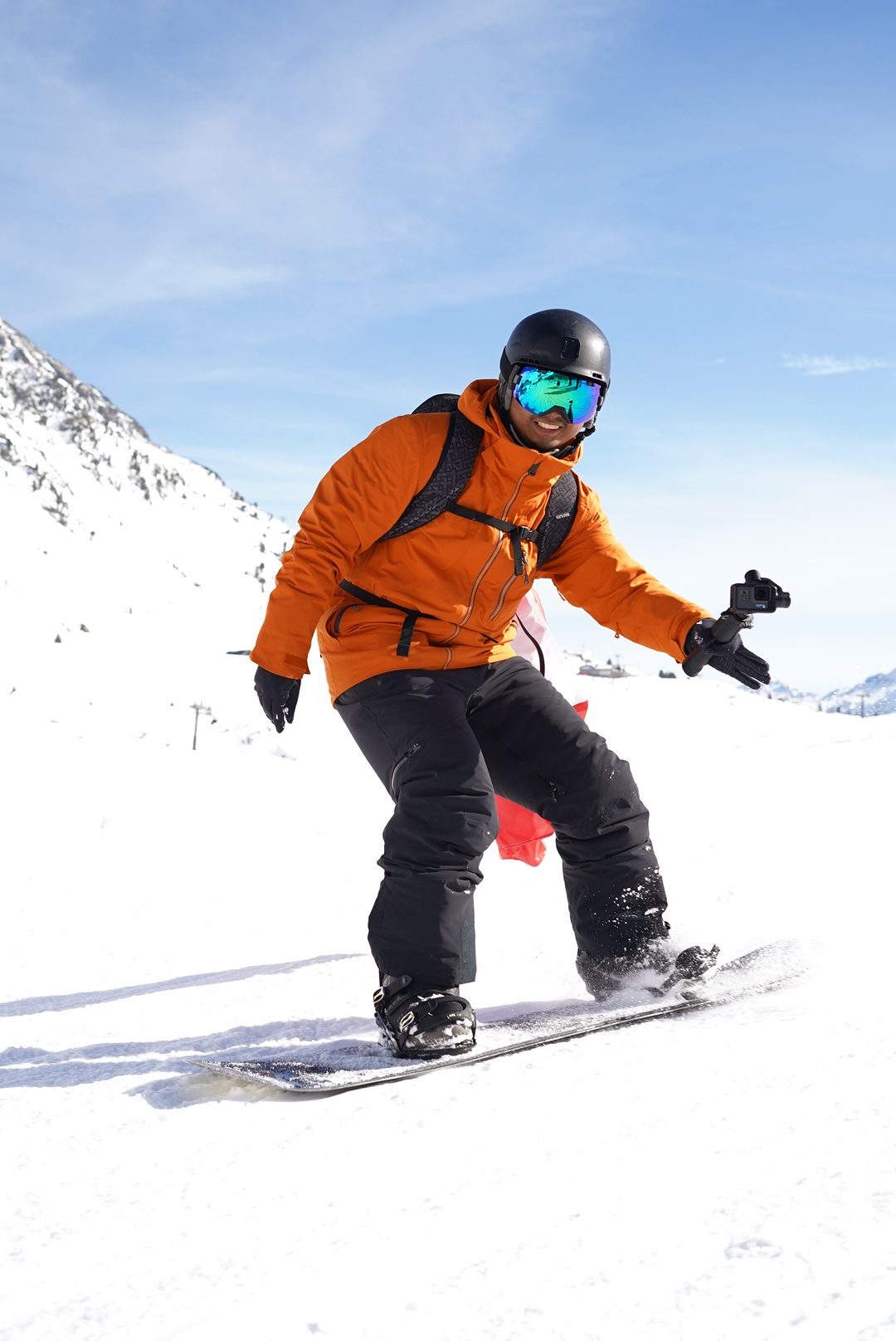
At its core, snowboarding is a winter sport where a person stands on a flat board, called a snowboard, and slides down snowy slopes. Unlike skiing, which uses two separate skis, snowboarding uses just one board. Riders strap both feet onto the board using bindings and control their movement by shifting their body weight.
Snowboarding is done on specially prepared paths called slopes or trails at ski resorts, but some adventurous people also ride off-piste (outside marked trails). The main goal is to have fun, learn new skills, and enjoy the snowy environment.
Exclusive Deals
Limited-time Exclusive Deals. Check current discount on Amazon.
Check Price on Amazon As an Amazon Associate I earn from qualifying purchases.A Short History Of Snowboarding
Snowboarding is a relatively new sport compared to skiing. It began in the United States in the 1960s. Sherman Poppen, an engineer from Michigan, invented the snurfer in 1965. This was a toy for his daughter that looked like two skis tied together. Soon, others began to experiment with designs.
In the 1970s and 80s, snowboarding grew in popularity. Early snowboards were inspired by surfboards and skateboards. Jake Burton Carpenter, Tom Sims, and Dimitrije Milovich were some of the pioneers who helped shape modern snowboarding.
At first, ski resorts were not friendly to snowboarders. Many did not allow snowboards on their slopes. But as the sport grew and equipment improved, snowboarding became more accepted. By 1998, snowboarding debuted as an official Olympic sport at the Nagano Winter Games, and today, it’s a regular part of winter resorts worldwide.
Exclusive Deals
Limited-time Exclusive Deals. Check current discount on Amazon.
Check Price on Amazon As an Amazon Associate I earn from qualifying purchases.
How Does Snowboarding Work?
Snowboarding may look simple, but it requires coordination and balance. Here’s a basic explanation of how it works:
- Stance: Riders stand sideways on the board, facing either left (regular) or right (goofy).
- Bindings: Special boots and bindings attach feet securely to the board.
- Movement: To turn, slow down, or speed up, riders shift their weight from heel to toe.
- Edges: The board’s edges dig into the snow to control direction and speed.
Snowboarding uses the whole body. Your legs steer, your core provides balance, and your arms help you stay steady.
Types Of Snowboarding
Snowboarding is not just one style. Over the years, different types have developed, each with unique skills and equipment.
1. Freestyle
Freestyle is about tricks, jumps, and creativity. Riders use terrain parks with jumps, rails, and boxes. The goal is to perform spins, flips, and slides.
2. Freeride
Freeride focuses on riding natural terrain. It’s about exploring the mountain, often off marked trails. Riders choose their own path and enjoy the freedom of the snow.
3. Alpine (carving)
Alpine snowboarding, also called carving, uses hard boots and narrow boards. It’s about making fast, clean turns on groomed slopes. This style is similar to skiing.
4. Boardercross
Boardercross is a race where several riders go down a course with jumps, turns, and obstacles. The first one to finish wins. It’s fast, exciting, and requires both skill and courage.
5. Splitboarding
Splitboarding is for backcountry riders. The snowboard splits into two skis for uphill climbing, then joins together for downhill riding. It lets people explore untouched snow.

Essential Snowboarding Equipment
Getting started with snowboarding means having the right gear. Here’s what you’ll need:
Snowboard
Your main tool. Boards come in different shapes and sizes for different styles and rider heights.
Bindings
These connect your boots to the board. There are several types, but most beginners use strap bindings.
Boots
Snowboard boots are warm and provide ankle support. They should fit snugly but not too tight.
Helmet
Protecting your head is crucial. Always wear a helmet, especially when learning.
Snow Gear
This includes jackets, pants, gloves, and goggles. Snowboarding clothing should keep you warm and dry.
Below is a comparison of common snowboard types for beginners:
| Type | Main Use | Best For | Flexibility |
|---|---|---|---|
| All-Mountain | General riding | Beginners | Medium |
| Freestyle | Tricks and park | Intermediate riders | Soft |
| Freeride | Powder and off-piste | Advanced | Stiff |
Learning To Snowboard: What To Expect
Learning snowboarding is exciting but also challenging. Most beginners fall—sometimes a lot! But with practice, progress comes quickly.
Taking A Lesson
The best way to start is with a lesson from a certified instructor. They teach basic movements, safety, and help you get comfortable on the snow. Group lessons are a good way to meet other learners, while private lessons offer more personal attention.
First Skills To Learn
New snowboarders usually start with:
- Balancing on the board while standing still.
- Sliding down gentle slopes and stopping safely.
- Turning on both heel and toe edges.
- Getting on and off ski lifts with one foot out.
Don’t rush. Mastering the basics builds confidence and reduces risk of injury.
Essential Techniques And Movements
Snowboarding involves several key movements. Here are the most important:
Stance
Choose your stance: regular (left foot forward) or goofy (right foot forward). Most people feel one way is more natural.
Edging
Use your heel edge to slow down and stop, and your toe edge to turn the other way. Press down with your heels or toes to control the edge.
Weight Shifting
Lean forward to go faster, lean back to slow down. Smooth movements are better than sudden ones.
Linking Turns
Connecting turns smoothly is a big milestone for beginners. Practice making wide, gentle turns until you feel comfortable.
Safety In Snowboarding
Snowboarding can be risky if you don’t follow basic safety tips. Here’s what matters:
- Wear a helmet and protective gear.
- Warm up before riding.
- Check weather and snow conditions.
- Stay within your limits—don’t try advanced slopes too soon.
- Learn to fall safely (try to land on your forearms and knees).
- Respect mountain rules and other riders.
One insight beginners often miss: Always check your bindings before each run. Loose bindings can cause accidents, even on easy slopes.
Snowboarding Culture And Community
Snowboarding is more than just a sport. It has a unique culture, influenced by skateboarding and surfing. Riders value creativity, style, and freedom. There’s a strong sense of community, both on the mountain and online.
Events like the Winter X Games and Olympic competitions highlight top riders and new tricks. Snowboarding has inspired its own music, art, and even fashion trends.
Health Benefits Of Snowboarding
Snowboarding is a great workout for your body and mind. Here’s how it helps:
- Improves balance and coordination
- Builds leg and core muscles
- Boosts cardiovascular health
- Reduces stress—being in nature is calming
- Enhances confidence as you learn new skills
Studies show that just one hour of snowboarding burns between 300 and 600 calories, depending on your effort and body size.
Common Challenges And How To Overcome Them
Snowboarding is rewarding, but not always easy. Here are challenges many beginners face:
Fear Of Falling
Falling is normal. Wear protective gear and learn how to fall safely. With practice, your balance improves and falls become less common.
Getting Off The Lift
Many new riders struggle with getting off ski lifts. Practice sliding with one foot out, and ask the lift operator for help if needed.
Cold And Tiredness
Snowboarding is physically demanding, especially in cold weather. Take regular breaks, drink water, and wear good layers to stay warm.
Progress Plateaus
Sometimes you feel stuck and can’t improve. Try a new lesson, watch videos of good riders, or ride with friends who challenge you.
Snowboarding Around The World
Snowboarding is popular across the globe. Some of the best destinations include:
- The Alps (France, Switzerland, Austria, Italy)
- The Rockies (United States, Canada)
- Japan (famous for deep powder snow)
- New Zealand (southern hemisphere winter)
According to the International Ski Federation, there are over 125 million skiers and snowboarders worldwide, with the number of snowboarders growing every year.
Comparing Snowboarding And Skiing
People often ask how snowboarding compares to skiing. Here’s a quick look:
| Feature | Snowboarding | Skiing |
|---|---|---|
| Equipment | One board, two bindings | Two skis, two poles |
| Stance | Sideways | Forward |
| Learning curve | Harder at first, easier later | Easier at first, harder later |
| Injury risk | Wrist and shoulder | Knees and thumbs |
Many people find snowboarding harder to begin with, but progress faster after the basics. Skiing is often easier for very young children and those with previous experience.
Environmental Impact Of Snowboarding
Snowboarding, like all mountain sports, has an impact on the environment. Resorts use energy for lifts and snowmaking, and building slopes can affect wildlife. Responsible snowboarders support eco-friendly resorts, stay on marked trails, and avoid littering.
A non-obvious tip: Many brands now offer eco-friendly snowboards made from recycled materials and sustainable wood. Choosing these products helps reduce your impact.
For more on environmental responsibility in snow sports, see the Wikipedia snowboarding page.
How To Choose Your First Snowboard
Choosing the right snowboard is important for learning. Here’s what matters:
- Board size: Pick a board that reaches between your chin and nose when stood upright.
- Width: Your boots should hang just slightly over the edges.
- Flex: Softer boards are easier for beginners.
- Shape: True twin (same shape at both ends) is best for learning.
Ask for advice at a local shop or rental center. Test different boards if possible before buying.
Below is a table showing basic snowboard sizes based on rider weight:
| Rider Weight (kg) | Board Length (cm) |
|---|---|
| 45 – 54 | 140 – 145 |
| 55 – 64 | 146 – 150 |
| 65 – 74 | 151 – 155 |
| 75 – 84 | 156 – 160 |
| 85+ | 161+ |
Getting Involved: Next Steps
If you’re interested in snowboarding, here’s how to start:
- Find a local resort or indoor snow center
- Book a beginner lesson
- Rent equipment first before buying
- Join a snowboarding group or club for motivation
- Watch videos to learn basic moves before your first day
Remember, the first few days are always the hardest. Stick with it, and you’ll soon enjoy the unique freedom of snowboarding.
Snowboarding is an exciting way to experience winter, challenge yourself, and join a welcoming community. With the right approach and attitude, anyone can learn to ride the snow.
Frequently Asked Questions
What Is The Best Age To Start Snowboarding?
Children as young as 4 or 5 can begin, but the best age depends on the person. Many adults start in their 30s, 40s, or older. Physical fitness and willingness to learn are more important than age.
Do I Need To Be Fit To Try Snowboarding?
Basic fitness helps, but you don’t need to be an athlete. Snowboarding will improve your balance, strength, and endurance over time. Stretch and warm up before riding to avoid injury.
Is Snowboarding Dangerous?
Like any sport, there are risks. Wearing a helmet, learning proper technique, and staying within your skill level reduce the chance of injury. Most accidents happen when riders try slopes that are too hard for them.
How Long Does It Take To Learn Snowboarding?
Most people can link simple turns after 2–3 days of lessons. It takes a season or more to feel truly comfortable on all types of terrain. Progress depends on practice, lessons, and confidence.
What’s The Difference Between Regular And Goofy Stance?
Regular means riding with your left foot forward, while goofy means right foot forward. There’s no “correct” way—try both to see which feels more natural. Many rental shops can help you decide.
Snowboarding is a journey with challenges and rewards. With patience, the right gear, and a sense of adventure, anyone can learn to ride and enjoy all that snowboarding has to offer.

