Snowboarding is more than just sliding down a snowy hill—it’s a sport, a culture, and for many, a lifelong passion. But before you carve your first turn or catch your first bit of air, you need the right equipment. Having the right gear is not just about comfort; it’s about safety and performance.
If you are new to snowboarding, the sheer number of gear choices can be overwhelming. This guide will break down everything you need, from the essentials to the extras, so you can feel confident before you hit the slopes.
Today's Exclusive Deals
Limited-time Exclusive Deals. Check current discount on Amazon.
Check Price on Amazon As an Amazon Associate I earn from qualifying purchases.Essential Snowboarding Equipment
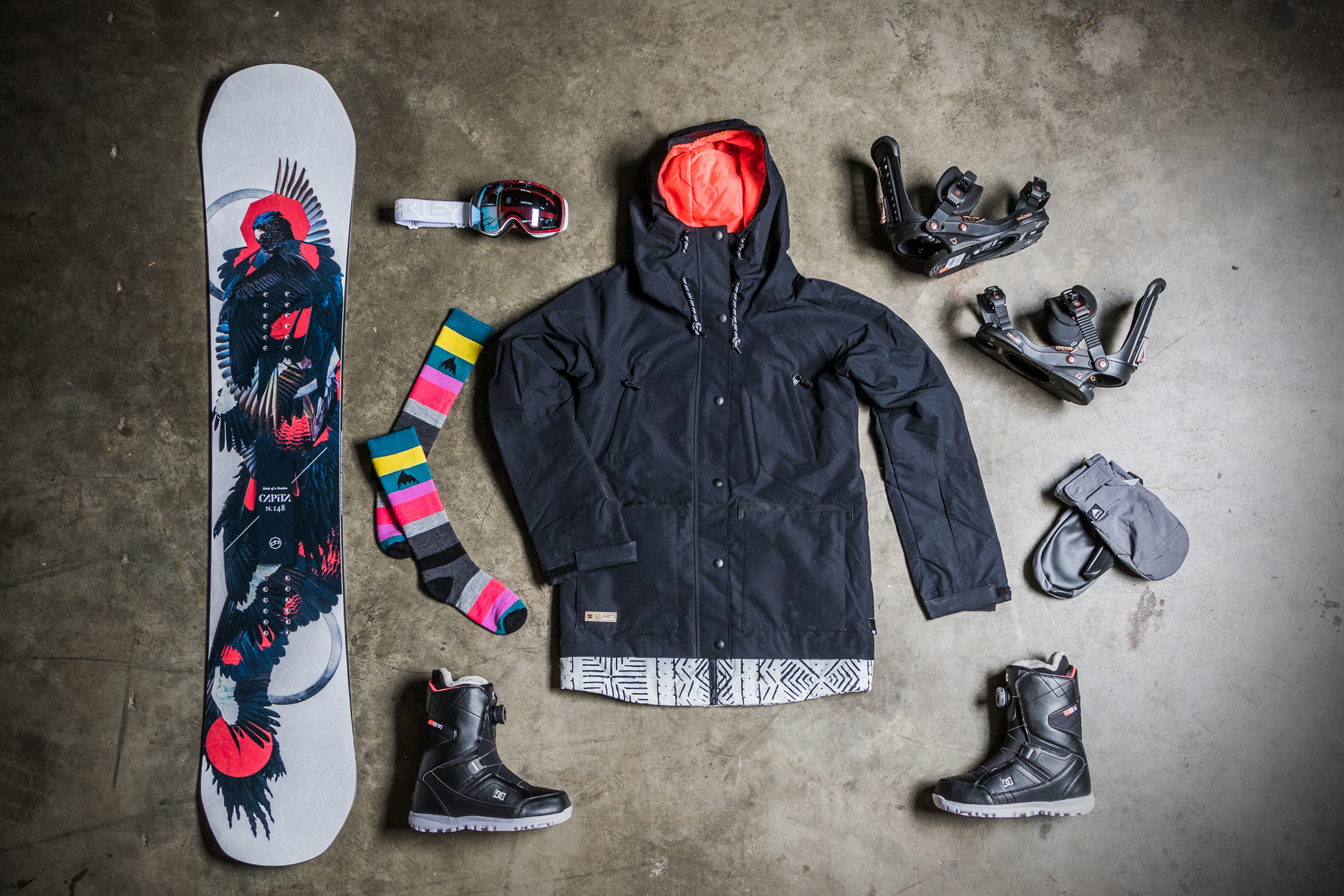
When you first start snowboarding, certain items are non-negotiable. These are the basics you absolutely need to participate safely and enjoy your day on the mountain.
Snowboard
The snowboard is, of course, the heart of the sport. Snowboards come in different shapes, sizes, and flex levels. Beginners usually start with an all-mountain board because it’s versatile and easy to control.
- Length: Should generally reach somewhere between your chin and nose when stood on end.
- Width: Your boots should slightly hang over the edges but not excessively.
- Flex: Softer flex boards are easier for beginners.
- Camber profile: Rocker or flat profiles are more forgiving than traditional camber.
Choosing the right size is critical. A board too long is hard to maneuver; too short feels unstable. Many shops offer sizing charts based on your weight and height.
Bindings
Bindings attach your boots to the board and transfer your movements to the snowboard. There are two main types: strap-in and rear-entry. For beginners, strap-in bindings are most common and provide good support.
- Fit: Must match your boot size.
- Flex: Softer bindings for beginners; stiffer for advanced riders.
- Adjustability: Look for easy-to-use straps and highbacks for comfort.
Poorly fitted bindings can cause pain or even injuries, so spend time adjusting them before riding.
Snowboard Boots
Comfortable, well-fitted snowboard boots can make or break your experience. Boots come in soft, medium, and stiff flex ratings. Beginners usually do best with soft to medium boots.
- Lacing systems: Traditional, speed lacing, or BOA dial systems.
- Fit: Snug but not painfully tight; your heel should not lift when you flex.
- Insulation: Warmer boots are needed for colder climates.
Remember, snowboard boots are not the same as regular winter boots—they offer ankle support and specific features for riding.
Snowboard Helmet
A helmet is essential for safety. Head injuries are the most serious risk in snowboarding, and a helmet can significantly reduce the risk.
- Fit: Should sit snugly on your head without moving.
- Ventilation: Adjustable vents help regulate temperature.
- Certification: Look for ASTM or CE certifications.
Studies show that helmet use can reduce head injury risk by up to 60%.
Snowboard Jacket And Pants
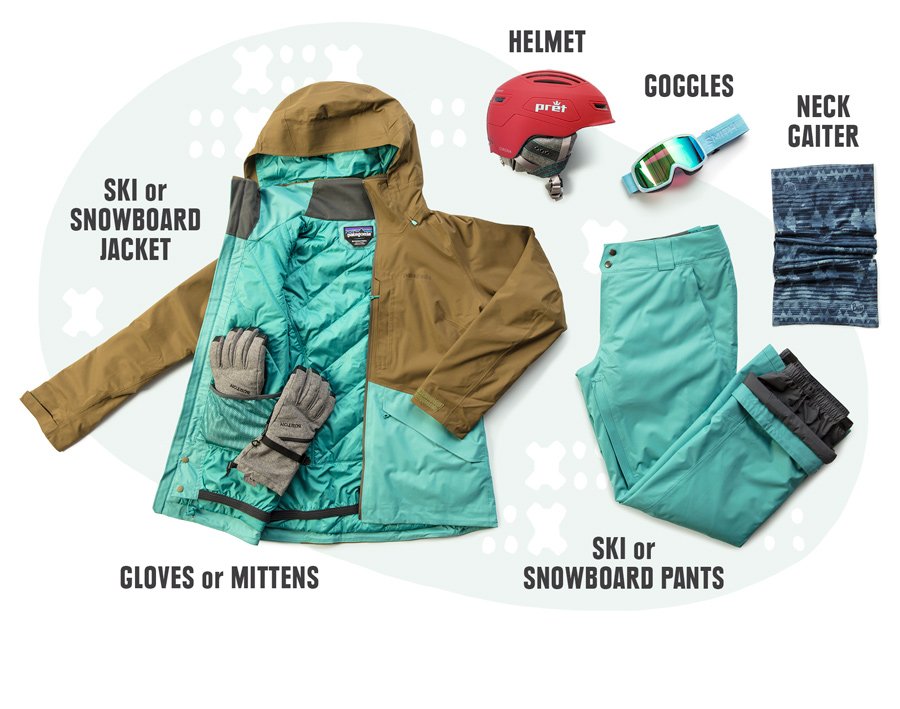
Your outerwear needs to be both waterproof and breathable. Snowboard-specific jackets and pants offer features like extra pockets, longer cuts, and reinforced areas.
- Waterproof rating: Measured in millimeters (e.g., 10,000mm is standard).
- Breathability: Higher numbers mean better moisture escape.
- Insulation: Choose insulated for cold days, shell-style for layering.
Wet clothing can quickly lead to hypothermia, so never compromise on quality.
Gloves Or Mittens
Cold hands can ruin your day. Waterproof gloves or mittens are a must. Mittens are warmer, but gloves offer more dexterity.
- Insulation: Synthetic fills or down.
- Grip: Reinforced palms for grabbing boards and lifts.
- Cuffs: Gauntlet styles keep snow out.
Goggles
Goggles protect your eyes from the sun, wind, and snow. Good visibility is key for safety and fun.
- Lens color: Choose darker lenses for bright days, clear or yellow for low light.
- Anti-fog: Look for double-layered lenses and vents.
- Fit: Should work with your helmet and not pinch your nose.
Base Layers
The first layer you wear is critical for keeping warm and dry. Base layers should be moisture-wicking, not cotton.
- Materials: Merino wool or synthetic fabrics.
- Fit: Snug but comfortable.
- Purpose: Keeps sweat off your skin and regulates temperature.
Snowboard Socks
Special snowboard socks are warmer, taller, and more supportive than regular socks.
- Material: Wool or synthetic blends.
- Thickness: Not too thick; thin to medium is best for boot fit.
- Height: Should reach above your boots to avoid rubbing.
Protective And Supportive Gear
While not all of this gear is mandatory, wearing extra protection can prevent injuries, especially for beginners and freestyle riders.
Wrist Guards
Falling on outstretched hands is common. Wrist guards can prevent sprains or fractures.
Impact Shorts
Impact shorts have padding at the hips, tailbone, and thighs. They are very helpful for learning tricks or for beginners who fall often.
Knee Pads
Knee pads protect your knees during falls and are especially helpful in the terrain park.
Back Protector
A back protector is a flexible shield worn under your jacket. It’s more common for advanced riders but can be useful for all levels, especially if you try jumps or tricks.
Mouth Guard
A mouth guard is rarely seen but can protect your teeth and jaw in hard falls or collisions.
Clothing And Comfort Items
Comfort on the slopes is about more than just warmth. Smart clothing choices can make your day much better.
Neck Gaiter Or Balaclava
A neck gaiter or balaclava protects your face from wind and sunburn. Balaclavas offer full head coverage, while gaiters cover just the neck and chin.
Beanie Or Hat
When you’re not wearing your helmet, a warm beanie keeps you comfortable during breaks.
Snowboard-specific Backpack
A snowboard backpack is designed for carrying extra layers, snacks, water, and sometimes even your board. Look for models with hydration sleeves and straps for carrying gear.
Hand And Toe Warmers
Disposable warmers can be a lifesaver on freezing days. Slip them into your gloves or boots for hours of heat.
Avalanche And Backcountry Gear
If you plan to venture off marked trails or into the backcountry, you need specialized safety equipment. Even experienced riders must never skip this gear.
Avalanche Transceiver
An avalanche transceiver sends and receives signals to help rescuers locate you under snow.
Probe
A probe is a collapsible pole used to physically search for buried people after an avalanche.
Shovel
A strong, lightweight shovel is essential for digging out avalanche victims or creating snow shelters.
Airbag Backpack
An airbag backpack can help you stay on top of an avalanche if triggered. It’s a high-end safety item but increasingly popular.
Snow Study Kit
A snow study kit includes tools to assess snowpack stability, such as thermometers and slope meters.
Equipment Comparison
To help you understand how some of these items differ, here’s a comparison of snowboard types and their uses:
| Type | Best For | Flex | Skill Level |
|---|---|---|---|
| All-Mountain | Any terrain | Medium | Beginner to Advanced |
| Freestyle | Parks, tricks | Soft | Beginner to Intermediate |
| Freeride | Powder, off-piste | Stiff | Advanced |
| Splitboard | Backcountry | Varies | Advanced |
Layering For Snowboarding
Dressing in layers is key to comfort on the mountain. Here’s a typical layering system:
| Layer | Purpose | Materials |
|---|---|---|
| Base Layer | Moisture wicking | Merino wool, synthetics |
| Mid Layer | Insulation | Fleece, down, synthetic |
| Outer Layer | Weather protection | Waterproof/breathable fabrics |
Buying Vs. Renting: What To Consider
You don’t have to buy everything right away. Many beginners rent gear until they know what they like. Here’s what to think about:
- Cost: Renting is cheaper for occasional riders. Buying is better for frequent use.
- Fit: Rental boots and boards may not fit perfectly.
- Quality: Rental gear can be worn out. Buying lets you choose higher quality and style.
- Convenience: Renting means less to carry, but lines at rental shops can be long.
For your first few trips, renting is fine. If you love snowboarding and go often, investing in your own gear is worth it.
Two Non-obvious Tips Most Beginners Miss
1. Get Your Boots Fitted Professionally. Many new riders overlook the importance of boot fit. Even small pressure points or heel lift can cause pain, numbness, or poor control. Visit a snowboard shop for custom fitting or heat-moldable liners if possible.
2. Don’t Ignore Lens Choice for Goggles. Not all lenses are the same. Light conditions change quickly on the mountain, and the wrong lens can make it hard to see. Consider getting goggles with interchangeable lenses or photochromic options.
Common Mistakes To Avoid
- Wearing cotton base layers, which get wet and cold.
- Choosing fashion over function when buying outerwear.
- Forgetting to check the fit between boots, bindings, and the board.
- Not adjusting bindings for stance width and angle.
- Skipping protective gear, especially wrist guards and helmets.
How To Prepare Your Gear
Before each trip, check your equipment:
- Edges: Are they sharp and free of rust?
- Board Base: Is it waxed or dry?
- Bindings: Are screws tight?
- Helmet: No cracks or loose padding?
- Clothing: Waterproofing intact?
A little maintenance goes a long way for safety and performance.

Sample Gear Checklist
Here’s a simple pre-trip checklist for a day on the slopes:
- Snowboard, boots, bindings
- Helmet
- Jacket, pants, base/mid layers
- Gloves/mittens, socks
- Goggles (plus spare lens)
- Neck gaiter, beanie
- Backpack with snacks, water, sunscreen
- Protective gear (wrist guards, impact shorts)
- Lift pass and ID
Where To Buy And Learn More
Most major outdoor retailers carry snowboard gear. Try local shops for expert fitting and advice. Online stores offer deals but be careful with sizing. For more details on snowboarding gear and safety standards, visit the Wikipedia page for Snowboarding.
Frequently Asked Questions
What Is The Most Important Piece Of Snowboarding Equipment For Beginners?
The most important piece for beginners is well-fitted boots. Comfort and control start with your feet. Bad boots can ruin your day faster than any other equipment.
Can I Use Ski Gear For Snowboarding?
While some items like jackets and pants can work for both, snowboard boots, bindings, and boards are unique to snowboarding. Ski boots and bindings are not compatible with snowboards.
How Much Does It Cost To Get All The Basic Gear?
Basic new gear (board, boots, bindings, helmet, jacket, pants, gloves, goggles) typically costs between $700 and $1,200. Renting is about $30–$50 per day for the basics.
Do I Need Avalanche Gear If I Only Ride At Ski Resorts?
No, avalanche gear is only needed for backcountry riding, not at controlled ski resorts. Always check local rules and guidance.
How Often Should I Replace My Snowboard Equipment?
Most gear lasts several seasons if cared for. Replace helmets after any major impact. Boards and boots usually last 3–5 years with regular use; outerwear can last longer if maintained.
Snowboarding is an exciting sport, but having the right equipment makes all the difference. Take your time choosing gear, ask for advice from experienced riders, and enjoy your time on the mountain—well-prepared and safe.