
Skiing is an exciting winter sport, but staying warm on the slopes is a real challenge. Cold temperatures, wind, and snow can quickly turn a fun day into an uncomfortable experience. If you’re new to skiing, you might wonder how people manage to stay cozy even when the weather is freezing.
The secret is a mix of smart clothing choices, proper preparation, and knowing a few tricks. In this guide, you’ll learn proven ways to keep warm while skiing, with practical advice and examples that actually work.

Today's Exclusive Deals
Limited-time Exclusive Deals. Check current discount on Amazon.
Check Price on Amazon As an Amazon Associate I earn from qualifying purchases.Understanding Why Skiers Get Cold
When you ski, your body is exposed to cold air, wind, and moisture. The wind chill can make the temperature feel much lower than the actual reading. For example, if it’s -5°C outside but the wind is strong, it can feel like -15°C or colder. Your body loses heat through three main ways:
- Convection: Wind removes warmth from your skin.
- Evaporation: Sweat evaporates, cooling your body.
- Radiation: You lose heat to the cold surroundings.
Knowing this helps you choose the right gear and habits to fight the cold.
Layering: The Most Effective Strategy
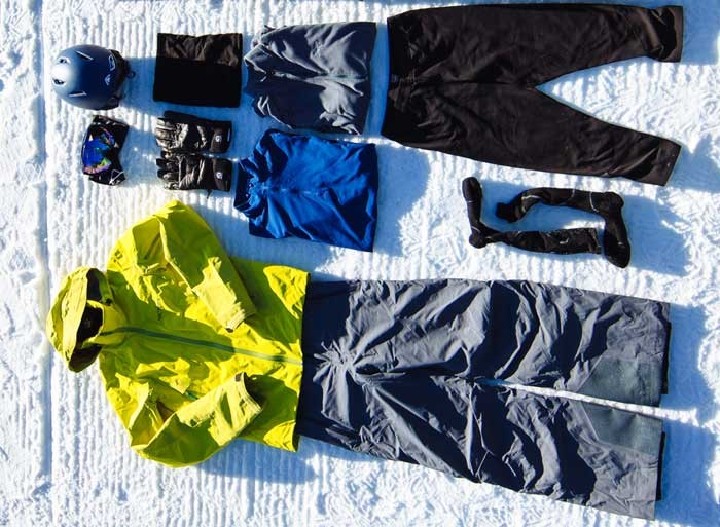
The most important step to stay warm while skiing is layering. This means wearing several thin pieces of clothing instead of one thick jacket. Each layer serves a purpose:
Today's Exclusive Deals
Limited-time Exclusive Deals. Check current discount on Amazon.
Check Price on Amazon As an Amazon Associate I earn from qualifying purchases.Base Layer
The base layer sits next to your skin. It must wick moisture away. Wet skin gets cold quickly. Common materials are merino wool or synthetic fabrics like polyester. Avoid cotton because it keeps moisture.
Mid Layer
This layer provides insulation. It traps warm air close to your body. Fleece or down are excellent choices. The mid layer should be thicker than your base layer but still allow movement.
Outer Layer
The outer layer protects against wind and snow. Choose a waterproof and windproof jacket and pants. Look for features like sealed seams and strong zippers. This layer blocks cold air and keeps you dry.
Example Layer Setup
| Layer | Material | Main Function |
|---|---|---|
| Base | Merino wool | Moisture wicking |
| Mid | Fleece | Insulation |
| Outer | Gore-Tex | Weather protection |
Choosing The Right Ski Clothing
The quality of your ski clothing makes a big difference. Here’s what to look for:
Today's Exclusive Deals
Limited-time Exclusive Deals. Check current discount on Amazon.
Check Price on Amazon As an Amazon Associate I earn from qualifying purchases.- Waterproof rating: Measured in mm (e.g., 10,000 mm). Higher means better protection.
- Breathability rating: Allows sweat to escape. Look for at least 5,000 g/m².
- Insulation: Some jackets have built-in insulation. Others are shells that need a warm mid layer.
- Fit: Clothes should be snug but not tight, so air can circulate.
Ski Clothing Comparison
| Feature | Budget Jacket | Premium Jacket |
|---|---|---|
| Waterproof rating | 5,000 mm | 20,000 mm |
| Breathability | 3,000 g/m² | 10,000 g/m² |
| Insulation | Minimal | Thick |
| Price | $80 | $300+ |
Protecting Your Extremities
Most heat loss happens through your head, hands, and feet. Keeping these parts warm is essential.
Head
Wear a helmet for safety, but also use a thin, moisture-wicking beanie or balaclava underneath. Helmets trap heat, but extra layers can help during very cold days.
Hands
Choose ski gloves with waterproof exteriors and insulated interiors. Mittens are warmer than gloves but reduce finger movement. Always bring a spare pair in case yours get wet.
Feet
Ski boots are designed for warmth, but socks matter too. Use thin, synthetic or wool socks. Thick socks can make boots tight and reduce circulation, leading to cold feet.
Finger And Toe Warmers
On extreme days, use disposable heat packs. Place them inside gloves or boots for extra warmth.
Staying Dry: Moisture Management
Getting wet is the fastest way to feel cold. Snow, sweat, or rain can all make your clothing damp. Here are some tips:
- Always check if your jacket and pants are waterproof.
- Change wet clothes quickly.
- Use vent zippers on jackets to let sweat escape.
- Avoid sitting in snow for long periods.
Non-obvious tip: Many beginners forget to dry their ski gloves overnight. Damp gloves are almost impossible to warm up the next day.
Warming Up Before And During Skiing
Your body generates heat when you move. Before you start skiing, do a quick warm-up:
- Jumping jacks
- Arm swings
- Light jogging
These activities boost blood flow and help you start warm. During skiing, take breaks inside heated lodges to recover.
Hidden Insight: If You Feel Cold While Riding The Ski Lift, Swing Your Arms And Wiggle Your Toes. This Keeps Blood Moving And Prevents Numbness.
Eating And Drinking For Warmth
Food and drink play a big role in staying warm. Your body needs energy to produce heat.
- Eat high-energy snacks like nuts, chocolate, and granola bars.
- Drink warm fluids such as tea or hot chocolate.
- Avoid alcohol—it makes you feel warm temporarily but actually lowers core temperature.
Example Snacks
| Snack | Calories | Warmth Benefit |
|---|---|---|
| Chocolate bar | 200 | Quick energy |
| Mixed nuts | 150 | Long-lasting fuel |
| Banana | 100 | Easy to digest |
Smart Habits For Staying Warm
Beyond clothing, your behavior matters. Here are some useful habits:
- Take regular breaks indoors.
- Avoid sitting or standing still for long.
- Stay dry and change sweaty clothes.
- Keep moving, even small movements help.
- Check the weather forecast and prepare accordingly.
A common mistake: Many beginners spend too much time outside without a break, thinking they can “tough it out.” This only leads to more cold and less fun.

Accessories That Make A Difference
There are several small items that can help:
- Neck gaiters: Cover your neck and lower face.
- Hand warmers: Slip inside gloves.
- Ski masks: Protect your face from wind.
- Goggles: Shield your eyes from cold and snow.
Quality accessories can turn a cold day into a comfortable one.
Adjusting For Changing Weather
Mountain weather can change quickly. You might start the day in sunshine and end in heavy snow. Always carry extra layers in your backpack. Learn to adjust your clothing as needed. If you feel too warm, unzip your jacket or remove a layer.
If you get cold, add more.
Non-obvious insight: The best skiers check their gear at lunchtime and make small changes to stay comfortable all afternoon.
Kids And Staying Warm
Children lose heat faster than adults. Dress kids in more layers and check them often. Make sure their gloves and boots are dry. Encourage them to eat snacks and drink warm fluids. Teach them to speak up if they feel cold.
Safety: Recognizing Signs Of Cold-related Problems
It’s important to know when cold is becoming dangerous. Watch for:
- Shivering: Early sign of cold.
- Numb fingers or toes: Can lead to frostbite.
- Confusion or tiredness: Possible hypothermia.
If you notice these signs, go indoors right away. Don’t wait for symptoms to get worse.
Extra Tips For Staying Warm
Here are a few more ideas:
- Use heated insoles for boots.
- Wear a windproof outer shell even on mild days.
- Bring an extra pair of gloves and socks.
- Keep your core warm—your hands and feet will stay warmer too.
- Learn from experienced skiers. They have tricks that aren’t in books.
Frequently Asked Questions
What Is The Best Material For Ski Socks?
Merino wool is often the best choice. It keeps feet warm, manages moisture, and doesn’t itch. Thin wool socks are better than thick ones because they don’t restrict circulation.
How Do I Keep My Hands Warm While Skiing?
Choose waterproof insulated gloves or mittens. Use disposable hand warmers for extra heat. Always dry gloves overnight and bring a spare pair just in case.
Is It Necessary To Wear A Helmet For Warmth?
Yes, a helmet keeps your head warmer by trapping heat and blocking wind. For extra warmth, wear a thin beanie or balaclava under your helmet.
Can I Wear Regular Winter Clothes For Skiing?
Regular winter clothes are usually not designed for moisture and wind protection. Ski-specific clothing has waterproof and breathable materials, which make a big difference.
What Should I Do If I Get Wet While Skiing?
Go indoors and change into dry clothes as soon as possible. Wet clothing loses insulation and makes you colder. Always pack extra layers and socks for emergencies.
Skiing is much more enjoyable when you stay warm. With the right layers, smart habits, and attention to detail, you can ski comfortably all day—even in freezing conditions. Preparation is key, and small improvements can make a big difference. For more detailed information on ski gear and weather, check out the Wikipedia Skiing Page. Stay safe, stay warm, and enjoy the slopes.


