Are you tired of slouching and feeling the strain of poor posture every day? You’re not alone.
Many people struggle with keeping their spine aligned and their shoulders back, especially after long hours sitting or working. But what if there was a simple way to relieve pressure and improve your posture without expensive treatments or complicated exercises?
Today's Exclusive Deals
Limited-time Exclusive Deals. Check current discount on Amazon.
Check Price on Amazon As an Amazon Associate I earn from qualifying purchases.Inversion tables have become popular as a tool to help with back pain and posture correction. But do they really work? Keep reading to find out how inversion tables might change the way you stand, sit, and feel—starting today.
Inversion Tables And Posture
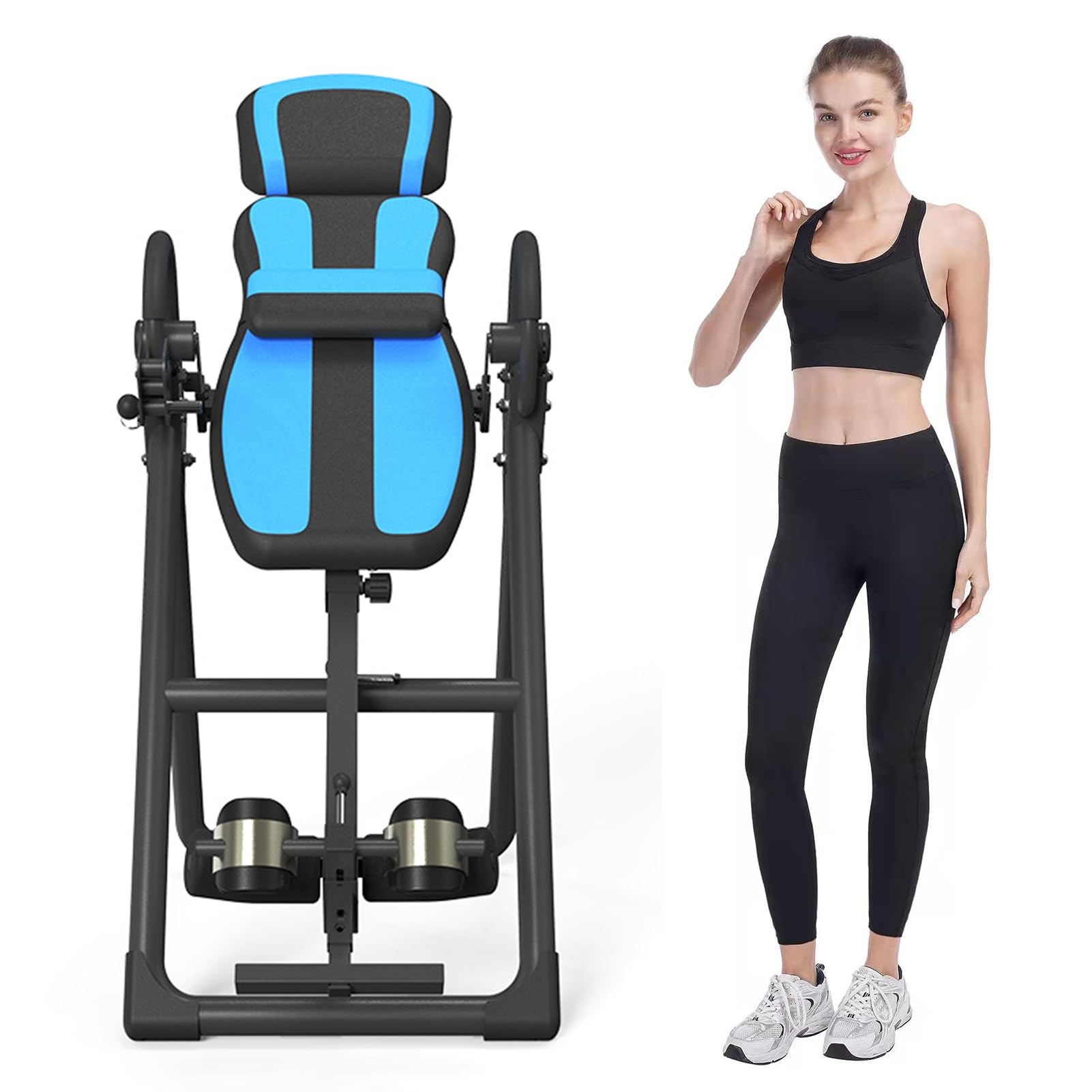
Inversion tables have grown popular for helping with back pain and posture. Many people ask if these tables really improve posture or just offer temporary relief. Understanding how inversion tables work and their effect on spinal alignment can clarify their role in posture care.
Using an inversion table means hanging upside down or at an angle. This position may help stretch the spine and reduce pressure on discs. The gentle stretch could encourage better posture by relieving tension in the back muscles.
Today's Exclusive Deals
Limited-time Exclusive Deals. Check current discount on Amazon.
Check Price on Amazon As an Amazon Associate I earn from qualifying purchases.How Inversion Tables Work
Inversion tables allow users to hang at different angles, including fully upside down. Gravity pulls the body down, stretching the spine and joints. This stretch helps decompress the vertebrae, which may ease back pain.
The table supports the body while the user controls the angle. This control helps avoid strain and makes the inversion safe. Regular use might improve flexibility and reduce muscle tightness around the spine.
Connection Between Inversion And Spinal Alignment
Spinal alignment plays a key role in good posture and overall health. Inversion may help realign the spine by easing pressure on discs and joints. This relief can reduce muscle spasms that pull the spine out of position.
By decompressing the spine, inversion tables might help the vertebrae settle into a better alignment. Improved alignment supports a straight posture and less discomfort. It also allows muscles to work more efficiently and hold the spine properly.
Today's Exclusive Deals
Limited-time Exclusive Deals. Check current discount on Amazon.
Check Price on Amazon As an Amazon Associate I earn from qualifying purchases.Benefits For Spinal Health
Inversion tables offer several benefits for spinal health. They help reduce pressure on the spine and improve overall comfort. Using an inversion table regularly can support the spine’s natural alignment. This support may help maintain a healthier back over time.
Decompression Of The Spine
Inversion tables gently stretch the spine by reversing gravity. This stretch creates space between vertebrae. It helps relieve pressure on spinal discs and nerves. Decompression can reduce pinched nerves and improve blood flow. This process supports healing and reduces stiffness.
Relief From Back Pain
Many people experience less back pain after using inversion tables. The gentle stretch eases muscle tension around the spine. It reduces pressure that causes pain and discomfort. This relief can improve daily activities and overall mood. Some users report feeling more relaxed and less stiff.
Improved Flexibility And Mobility
Inversion therapy helps improve spinal flexibility by loosening tight muscles. It increases the range of motion in the back and hips. Better flexibility supports easier movement and reduces injury risk. Regular use can enhance posture and body balance. This improvement makes daily tasks simpler and more comfortable.
Impact On Muscle Balance
Inversion tables can influence muscle balance by affecting how muscles relax and strengthen. Balanced muscles support better posture and reduce pain. Using an inversion table might help muscles work more evenly across the body.
Reducing Muscle Tension
Inversion tables help stretch tight muscles gently. This stretch eases muscle stiffness around the spine. Relaxed muscles reduce the pull on the spine and joints. Less tension means muscles can align better. This can improve posture over time by reducing muscle strain.
Enhancing Core Strength
Core muscles stabilize the body and support the spine. Inversion tables can activate these muscles during use. Holding the inverted position requires core engagement. Stronger core muscles help keep the spine aligned. This strength supports upright posture and balance.
Scientific Evidence And Studies
Scientific evidence helps us understand if inversion tables improve posture. Studies test if hanging upside down can realign the spine. Researchers observe changes in body alignment and muscle tension. This section reviews key studies and their findings about posture benefits.
Research On Posture Improvement
Some studies show inversion therapy may reduce spinal pressure. This pressure relief can help muscles relax and improve posture. Research finds that inversion helps stretch the spine gently. Stretching can reduce slouching and encourage a straighter back. Yet, results vary depending on session length and angle.
Many participants report feeling taller and less stiff. These feelings suggest minor posture improvements after regular use. Scientists note that inversion alone may not fix poor posture. It works best with exercises and good daily habits.
Clinical Trials And Outcomes
Clinical trials test inversion tables with larger groups. One trial found less back pain after four weeks of use. Pain reduction can lead to better posture over time. Another study showed improved spinal alignment after repeated sessions.
Some trials report no major posture changes. Differences in results may come from varied methods or user conditions. Researchers recommend more studies to confirm long-term effects. Safety is also noted, as inversion can cause side effects for some.
Using Inversion Tables Safely
Using inversion tables can help improve posture when done correctly. Safety is key to avoid injury and get the best results. Understanding proper use and knowing who should avoid inversion tables protects your health. Follow these guidelines closely for safe and effective use.
Recommended Usage Guidelines
Start with short sessions of one to two minutes. Gradually increase time as your body adjusts. Keep the inversion angle mild, around 20 to 30 degrees at first. Use the table slowly to avoid dizziness. Always secure your ankles firmly before inverting. Breathe deeply and relax your muscles during use. Use the table two to three times a day for best results. Stop immediately if you feel pain or discomfort.
Precautions And Contraindications
People with high blood pressure should avoid inversion therapy. Those with heart problems must consult a doctor first. Avoid use if you have glaucoma or eye pressure issues. Pregnant women should not use inversion tables. Recent surgery or bone fractures are also reasons to avoid inversion. Children under 18 should not use these tables without adult supervision. Always check with a healthcare provider before starting inversion therapy.

Comparing Inversion To Other Posture Aids
Comparing inversion tables to other posture aids helps understand their benefits and limits. Each tool targets posture improvement differently. Some focus on muscle strength, others on spine alignment. Knowing how inversion tables stack up against common aids guides better choices for posture care.
Inversion Vs. Physical Therapy
Physical therapy uses exercises to strengthen muscles supporting the spine. It improves posture by training the body to hold correct positions. Therapists tailor plans to each person’s needs. This approach builds long-term posture habits.
Inversion tables work by hanging the body upside down or at an angle. This decompresses the spine and relieves pressure on discs. It can temporarily reduce back pain and improve spinal alignment. It does not strengthen muscles directly.
Physical therapy offers lasting posture improvement through active muscle work. Inversion tables provide quick relief and spinal stretching. Both can be useful but serve different roles in posture care.
Inversion Vs. Posture Braces
Posture braces hold the shoulders and back in a correct position. They train the body to maintain good posture during daily activities. Braces rely on external support to prevent slouching.
Inversion tables do not provide constant support. They focus on spine decompression during use. Braces help build awareness of posture habits throughout the day. Inversion tables offer short-term spinal relief.
Braces encourage active posture correction by the wearer. Inversion tables provide passive spinal stretching. Both can improve posture but work in very different ways.
Tips For Maximizing Benefits
Inversion tables can help improve posture, but using them correctly is key. Small changes can make a big difference in results. This section shares easy tips to get the most from your inversion sessions. Follow these steps for better posture and less discomfort.
Incorporating Stretching And Exercises
Stretching before and after inversion helps muscles stay flexible. Try simple stretches like neck rolls and shoulder shrugs. Add light exercises to strengthen your back and core muscles. Strong muscles support good posture naturally. Stretching and exercising together improve overall benefits.
Consistent Routine For Best Results
Use the inversion table regularly for steady progress. Short daily sessions work better than long, infrequent ones. Stick to a schedule that fits your lifestyle. Consistency helps your body adjust and heal. Over time, you will notice better posture and less pain.

Frequently Asked Questions
Do Inversion Tables Improve Spinal Alignment?
Inversion tables help decompress the spine and relieve pressure. This can improve spinal alignment temporarily. Regular use may support better posture but should be combined with exercises and ergonomic habits.
Can Inversion Tables Reduce Back Pain?
Yes, inversion tables can reduce back pain by stretching muscles and easing spinal pressure. However, results vary. Consult a healthcare professional before use for safety and effectiveness.
How Often Should I Use An Inversion Table For Posture?
Use an inversion table 2-3 times a week, starting with 1-2 minutes per session. Gradually increase time as comfort grows. Consistency is key to seeing posture benefits.
Are Inversion Tables Safe For Posture Correction?
Inversion tables are generally safe for healthy individuals. Those with heart conditions, high blood pressure, or glaucoma should avoid them. Always consult a doctor before starting inversion therapy.
Conclusion
Inversion tables may help improve posture by relieving pressure on the spine. They allow gentle stretching that can ease back tension. Many users find relief from stiffness and feel taller after use. Still, results vary from person to person. Using the table safely and regularly is important.
Combine this with good daily habits for best results. Always talk to a doctor before starting inversion therapy. Small steps can lead to better posture over time. Worth trying if you want to support a healthier back.