Are you thinking about adding a treadmill to your home gym but wondering how much it might weigh? Knowing the weight of a treadmill is important for many reasons—it affects where you can place it, how easily you can move it, and even how safe it will be on your floors.
Whether you’re buying your first treadmill or upgrading to a new model, understanding its weight can help you make the best choice. Keep reading, and you’ll discover everything you need to know about treadmill weights and how this simple fact can make a big difference in your workout experience.
Today's Exclusive Deals
Limited-time Exclusive Deals. Check current discount on Amazon.
Check Price on Amazon As an Amazon Associate I earn from qualifying purchases.Treadmill Weight Basics
Treadmill weight is an important factor to consider before buying one. It affects where you can place the treadmill and how easy it is to move. Knowing the basics about treadmill weight helps you choose the right model for your space and needs.
Weight also impacts the treadmill’s stability and durability. Heavier treadmills often feel more solid during workouts. Lighter models may be easier to carry but might not stay steady on strong runs.
Average Weight Range
Most treadmills weigh between 100 and 300 pounds. Small, foldable treadmills usually weigh closer to 100 pounds. Large, commercial-style treadmills can weigh over 300 pounds. The average home treadmill often falls near 150 to 200 pounds.
This range covers basic models to high-end machines. Knowing the average helps you plan space and lifting needs. It also helps set expectations for delivery and setup.
Factors Affecting Weight
Frame material plays a big role in treadmill weight. Steel frames add strength and increase weight. Aluminum frames are lighter but may be less sturdy. Motor size also affects weight. Bigger motors usually mean heavier treadmills.
Additional features add weight too. Extra cushioning, screens, and built-in fans all add to the total. Foldable designs use lighter parts to keep weight down. Think about these factors when comparing models.
Types Of Treadmills And Their Weight
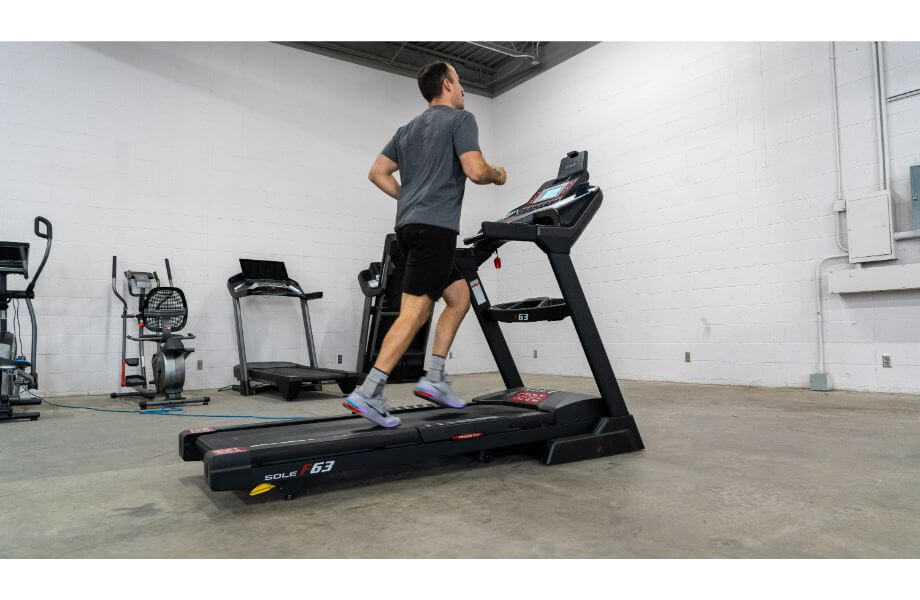
Treadmills come in different types, each with its own weight range. Knowing these types helps you choose the right one for your space and needs. Weight affects how easy it is to move and store the treadmill. It also impacts stability during workouts.
Understanding the types of treadmills and their weight will guide your decision. Here are the main categories and their typical weights.
Manual Treadmills
Manual treadmills are simple and do not have a motor. Users power the belt by walking or running. These treadmills usually weigh between 40 and 70 pounds. They are lighter than motorized models and easier to move. Their simple design means fewer parts and less weight.
Motorized Treadmills
Motorized treadmills have a built-in motor to move the belt automatically. They often weigh between 100 and 300 pounds. Higher weight comes from the motor and strong frame. Heavier treadmills tend to be more stable during exercise. They offer more features but can be harder to move.
Folding Vs. Non-folding Models
Folding treadmills save space by folding up after use. They usually weigh less than non-folding models, ranging from 80 to 200 pounds. Non-folding treadmills are heavier and more solid, often over 200 pounds. Folding models are easier to store but might be less stable. Non-folding treadmills provide a sturdier workout platform.
Impact Of Weight On Portability
The weight of a treadmill plays a big role in its portability. Heavier treadmills are harder to move and store. Lighter treadmills offer more flexibility for home use. Knowing how weight affects portability helps you choose the right model. It also prepares you for moving and storing your treadmill safely.
Moving And Storage Tips
Moving a treadmill requires care. Check the weight before lifting. Use a friend’s help for heavy machines. Clear the path to avoid accidents. Store the treadmill in a dry, cool place. Fold it if the model allows. This saves space and protects the device.
Wheels And Handles Role
Wheels make moving a treadmill easier. They reduce the effort needed to shift the machine. Handles provide a good grip for lifting. Together, wheels and handles improve portability. Choose a treadmill with sturdy wheels and handles. This helps move it safely and quickly.
Weight And Durability Connection
The weight of a treadmill plays a big role in its durability and performance. Heavier treadmills often feel more stable and last longer under regular use. The material and build quality also affect how well a treadmill holds up over time. Understanding this connection helps you choose the right treadmill for your needs.
Heavy Vs. Light Treadmills
Heavy treadmills usually have a strong frame that reduces shaking during exercise. This makes workouts smoother and safer. They resist wear and tear better, lasting several years. Light treadmills are easier to move but may feel less steady. They often use thinner materials and may wear out faster. Weight affects how well the treadmill handles daily use and intense workouts.
Material Quality Insights
High-quality materials add to a treadmill’s weight and strength. Steel frames last longer and support more weight. Cheaper treadmills might use plastic parts that break easily. The belt and motor housing also matter for durability. Strong materials reduce noise and improve machine life. Choosing better materials means fewer repairs and better performance.
Choosing The Right Weight For Your Needs
Selecting the right treadmill weight is important. It affects stability, durability, and ease of moving the machine.
Heavier treadmills usually feel more solid and stable. Lighter treadmills are easier to move and store. Your choice depends on how you plan to use the treadmill and your space.
Home Use Considerations
For home use, treadmills between 100 and 150 pounds work well. They balance stability and portability. If you have limited space, choose a lighter model. It is easier to fold and move.
Heavier home treadmills offer better durability and smoother running. They handle regular workouts without shaking. Choose a treadmill weight that fits your room size and workout style.
Commercial Use Factors
Commercial treadmills weigh more, often over 200 pounds. They must withstand heavy daily use. A heavier frame means more stability and longer life.
Gyms and fitness centers need machines that stay steady during intense workouts. Weight affects safety and performance in busy places. Commercial treadmills also have stronger motors and parts.
Weight Influence On Performance
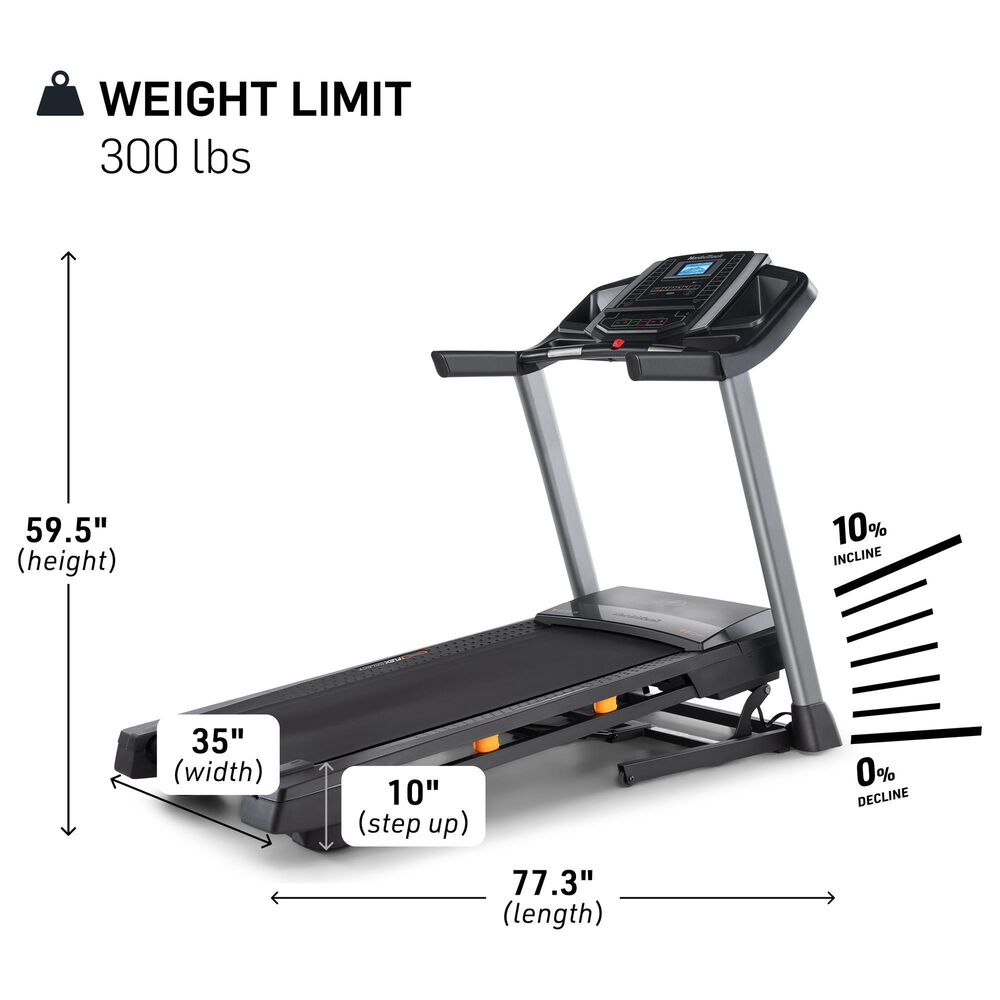
The weight of a treadmill greatly affects its performance and user experience. Heavier treadmills often provide better stability and durability. They stay in place during intense workouts. Light treadmills may shake or move, which can reduce workout quality.
Stability During Workouts
Heavier treadmills offer more stability on any floor type. This means less wobbling and safer workouts. Stability helps you maintain balance and confidence while running. Lighter models may slide or shift, causing distractions or accidents.
Motor And Frame Strength
A heavier treadmill usually has a stronger motor and frame. This supports longer, more intense workout sessions. The frame can handle more weight without bending or breaking. A solid frame reduces noise and vibration, making workouts smoother and quieter.
Shipping And Delivery Weight Concerns
Treadmill weight plays a big role in shipping and delivery. These machines are often heavy and bulky. This can cause problems during transport and delivery. Knowing the weight helps prepare for any extra costs or effort needed. It also helps avoid surprises when the treadmill arrives at your home.
Handling Fees
Shipping heavy treadmills often means extra handling fees. Delivery companies may charge more for heavy or large packages. This is because heavier items need special equipment or more workers. These fees can increase the total cost of your treadmill. Always check the weight and ask about any extra fees before buying.
Assembly Challenges
Heavy treadmills can be hard to assemble alone. Some parts may be very heavy or awkward to handle. This can make the process slow and tiring. Having help or professional assembly service can make a big difference. Understanding the weight helps you plan for how to set up your treadmill safely and quickly.

Frequently Asked Questions
How Much Does An Average Treadmill Weigh?
An average treadmill weighs between 100 to 200 pounds. Weight varies based on features, motor size, and build quality. Lightweight models are easier to move but may offer fewer features. Heavier treadmills provide more stability and durability for intense workouts.
What Factors Affect Treadmill Weight?
Treadmill weight depends on motor size, frame material, and added features. Steel frames and larger motors increase weight. Additional features like touchscreens and cushioning also add weight. Compact treadmills tend to be lighter for easy storage.
Are Foldable Treadmills Lighter To Carry?
Foldable treadmills are generally lighter but still weigh around 100 to 150 pounds. They are designed for easy storage, not necessarily for easy lifting. Many include transport wheels to help move them around your home or gym.
Does Treadmill Weight Impact Workout Quality?
Yes, treadmill weight affects stability and noise levels during workouts. Heavier treadmills offer a smoother, quieter experience. Lightweight models may shake or move during intense exercise. Choose a treadmill weight that matches your workout intensity and space.
Conclusion
Treadmills come in many weights, from light to heavy. Knowing the weight helps you plan moving and space needs. Lighter treadmills suit small rooms and easy transport. Heavier ones offer more stability and features. Choose based on your space, strength, and workout style.
Remember, weight affects price and durability too. Think about where and how you will use it. This way, you find the best treadmill for your home.