
Are you thinking about trying weight loss pills to shed those extra pounds faster? It’s natural to want quick results, but have you ever stopped to ask yourself, “Are weight loss pills safe for me?” This question is more important than you might realize.
What if the pills promise rapid weight loss but come with hidden risks that could harm your health? Before you make any decisions, it’s crucial to understand how these pills work, what dangers they might hold, and how to choose the safest option.

Today's Exclusive Deals
Limited-time Exclusive Deals. Check current discount on Amazon.
Check Price on Amazon As an Amazon Associate I earn from qualifying purchases.Keep reading to discover the facts that can protect your body and help you reach your goals safely.
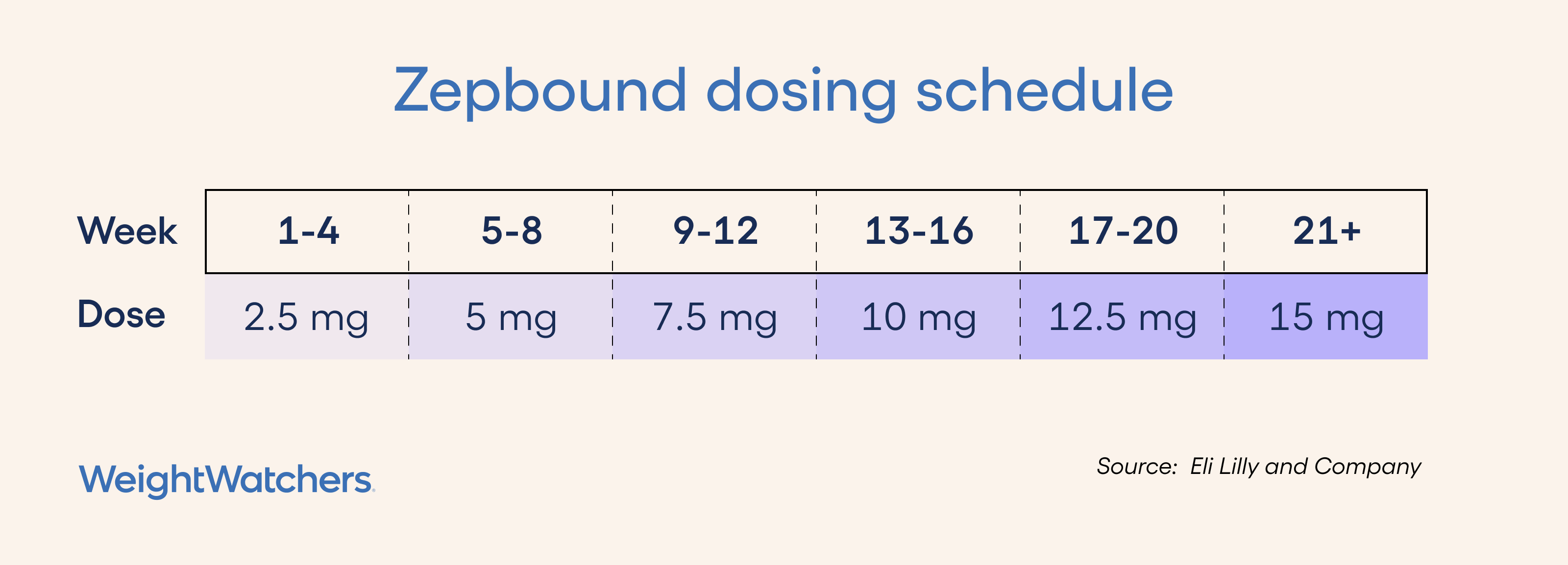
Types Of Weight Loss Pills
Weight loss pills come in different types. Each type works in a unique way. Some require a doctor’s prescription. Others you can buy without one. Some use natural ingredients. Understanding these types helps you choose safely.
Prescription Pills
Prescription weight loss pills are made for people with health risks. Doctors prescribe them after checking your condition. These pills often reduce appetite or block fat absorption. They come with clear instructions and possible side effects. Use only under medical supervision.
Over-the-counter Options
Over-the-counter pills are available without a prescription. They usually contain mild ingredients. These pills might help reduce hunger or boost metabolism slightly. Effects are often less strong than prescription pills. Always read labels and follow dosage advice carefully.
Natural Supplements
Natural supplements use herbs and plant extracts. They claim to support weight loss by boosting energy or reducing appetite. These supplements have fewer side effects but less scientific proof. Some can interact with medicines. Check with a healthcare provider before use.
How Weight Loss Pills Work
Weight loss pills aim to help reduce body weight by affecting how the body processes food and energy. They work in different ways depending on their ingredients and purpose. Some pills reduce hunger, while others block fat or increase how fast the body burns calories.
Appetite Suppression
Some weight loss pills lower appetite. They make you feel full faster. This means you eat less food without feeling hungry. Pills like these often target brain signals that control hunger. Eating less helps reduce calorie intake and supports weight loss.
Fat Absorption Inhibition
Certain pills block fat from being absorbed in the stomach and intestines. These pills stop enzymes from breaking down fat in food. The undigested fat leaves the body through waste. This lowers the number of calories your body gets from fat.
Metabolism Boosters
Some weight loss pills increase metabolism. They help the body burn more calories even while resting. These pills may contain caffeine or natural extracts. A higher metabolism means the body uses energy faster, aiding weight loss efforts.
Potential Risks And Side Effects
Weight loss pills may seem like a quick fix, but they carry risks. Understanding these risks helps you make safer choices. Side effects can range from mild to serious. Some risks depend on the type of pill and your health condition.
Common Side Effects
Many weight loss pills cause nausea, headaches, or dizziness. Some users feel jittery or experience dry mouth. Stomach upset and constipation are common too. These effects often go away after a short time. Still, they can be uncomfortable and disrupt daily life.
Serious Health Concerns
Some pills may raise blood pressure or affect the heart. Liver damage and breathing problems are possible with certain products. Rare but severe allergic reactions can occur. Long-term use might harm organs or disrupt hormones. Always watch for unusual symptoms and seek medical help if needed.
Interactions With Other Medications
Weight loss pills can interact badly with other drugs. They may reduce the effectiveness of medications or cause harmful effects. Blood thinners, antidepressants, and diabetes drugs are often affected. Share your full medication list with your doctor before use. This step helps avoid dangerous interactions and keeps you safe.

Effectiveness Of Weight Loss Pills
Weight loss pills are popular for quick results. Many want to know if these pills really work. Understanding their effectiveness helps make smart choices. Results vary widely depending on several factors. Let’s explore how weight loss pills perform over time.
Short-term Vs Long-term Results
Weight loss pills often show fast results at first. Many users lose some weight within weeks. This short-term effect can motivate continued use. Yet, most pills do not maintain long-term weight loss. After stopping the pills, weight often returns. Sustainable weight loss usually needs lifestyle changes too.
Factors Influencing Success
Success depends on diet, exercise, and pill type. Some pills reduce appetite, others boost metabolism. Personal health and body type also affect results. Following instructions and combining with healthy habits helps. Without changes in eating or activity, pills alone rarely work well.
Scientific Evidence
Studies show mixed results for weight loss pills. Some have proven modest benefits in trials. Many lack strong, long-term research support. Side effects and safety remain concerns. Always choose pills tested in clinical studies. Consulting a doctor is important before use.
Safety Tips For Using Weight Loss Pills
Using weight loss pills requires caution to stay safe. Knowing how to use them properly helps avoid health risks and unwanted effects. Simple safety tips make a big difference in protecting your body and achieving better results.
Consulting Healthcare Professionals
Talk to a doctor before starting any weight loss pill. A healthcare professional can check your health and suggest safe options. They know how pills may interact with your current medicines or conditions. Getting advice reduces risks and helps you choose the right product.
Reading Labels And Ingredients
Always read the label carefully. Check the list of ingredients to know what is inside the pill. Avoid products with unknown or hard-to-pronounce ingredients. Understanding the ingredients helps you avoid allergies and side effects. Follow the dosage instructions exactly as stated.
Avoiding Unregulated Products
Choose weight loss pills approved by health authorities. Unregulated pills may contain harmful substances or wrong doses. Buy products from trusted stores or pharmacies only. Avoid pills that promise quick or extreme weight loss. Staying away from unsafe products protects your health.

Alternatives To Weight Loss Pills
Weight loss pills may seem like a quick fix, but they can have risks. Many people want safer, natural ways to lose weight. Simple changes in daily habits can help you reach your goals. These alternatives focus on your overall health and well-being.
Diet And Nutrition
Eating healthy foods supports weight loss without pills. Choose fruits, vegetables, whole grains, and lean proteins. Avoid sugary drinks and processed snacks. Drink plenty of water to stay hydrated. Smaller, frequent meals can control hunger and energy levels. Balanced nutrition helps your body burn fat effectively.
Exercise And Physical Activity
Moving your body burns calories and builds muscle. Aim for at least 30 minutes of moderate exercise most days. Walking, swimming, or cycling are good options. Strength training boosts metabolism and tones muscles. Physical activity improves mood and reduces stress. Consistency is key to long-term weight loss.
Behavioral Changes
Changing habits supports lasting weight control. Track your food and exercise to stay aware. Set realistic goals and celebrate small successes. Manage stress with relaxation techniques like deep breathing. Get enough sleep to balance hunger hormones. Support from friends or groups keeps motivation high.
Frequently Asked Questions
Are Weight Loss Pills Safe For Everyone?
Weight loss pills are not safe for everyone. They may cause side effects or interact with medications. Always consult a healthcare professional before use to ensure they suit your health condition.
What Are Common Side Effects Of Weight Loss Pills?
Common side effects include nausea, headaches, dizziness, and digestive issues. Some pills may increase heart rate or cause anxiety. Side effects vary by ingredient and individual health.
Can Weight Loss Pills Replace Diet And Exercise?
No, weight loss pills cannot replace a healthy diet and exercise. They are supplements, not solutions. Sustainable weight loss requires lifestyle changes alongside any supplements.
How To Choose Safe Weight Loss Pills?
Choose pills approved by health authorities and supported by clinical evidence. Avoid products with unclear ingredients or exaggerated claims. Always check reviews and consult a healthcare provider.
Conclusion
Weight loss pills may seem like a quick fix. Some can cause side effects or health risks. Always check with a doctor before use. Natural methods like diet and exercise work best. Stay informed and choose safe options carefully. Your health matters more than fast results.
Take time to find what suits your body. Safe weight loss comes from good habits and patience.

