
Are you wondering if a recumbent bike can really help tone your legs? You’re not alone.
Many people want an effective workout that shapes their legs without putting too much strain on their joints. The good news is, using a recumbent bike might be just what you need. But how exactly does it work, and will it give you the results you’re hoping for?

Today's Exclusive Deals
Limited-time Exclusive Deals. Check current discount on Amazon.
Check Price on Amazon As an Amazon Associate I earn from qualifying purchases.Keep reading to discover how this popular exercise machine can help transform your leg muscles and what you should know to get the best results.
Benefits Of Recumbent Bikes For Legs
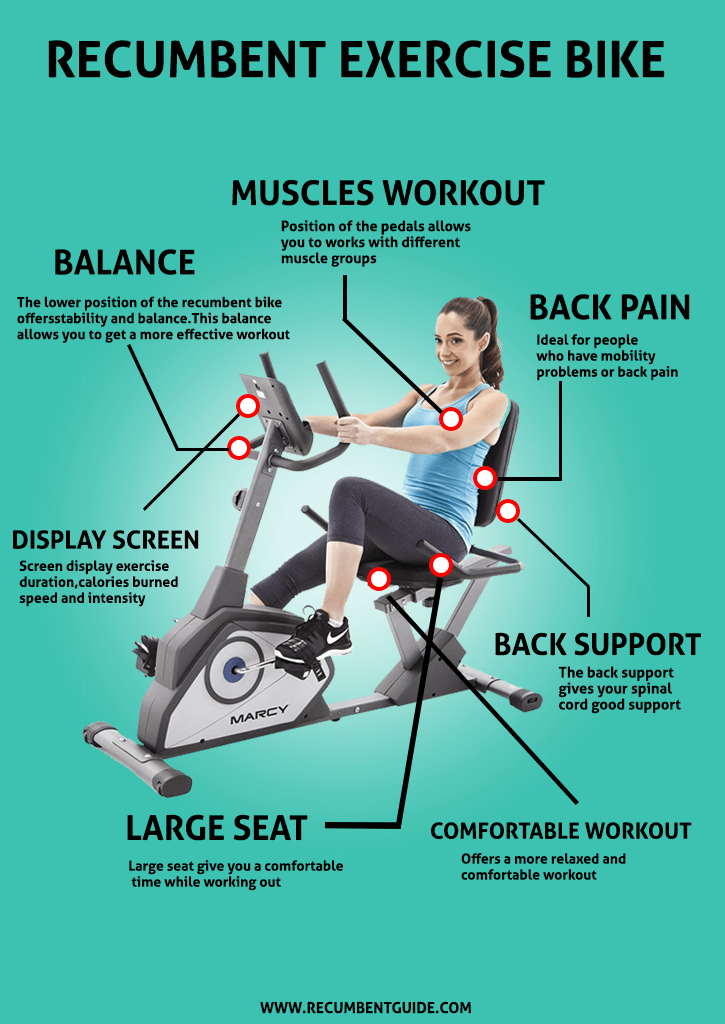
Recumbent bikes offer many benefits for leg health and fitness. They help tone muscles without causing strain. People of all ages can use them safely. The design supports the back and encourages proper posture. This makes leg workouts easier and more effective.
Using a recumbent bike regularly builds muscle strength and improves endurance. It also protects the joints from impact stress. These advantages make recumbent bikes a popular choice for leg exercise.
Today's Exclusive Deals
Limited-time Exclusive Deals. Check current discount on Amazon.
Check Price on Amazon As an Amazon Associate I earn from qualifying purchases.Muscle Groups Targeted
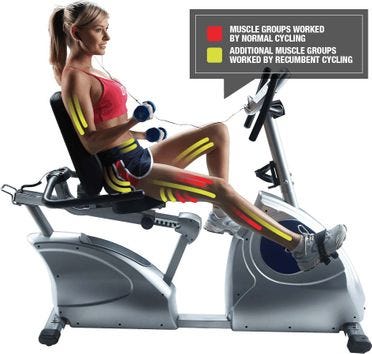
Recumbent bikes mainly work the quadriceps, hamstrings, and calves. These muscles control knee and ankle movement. The glutes also engage during pedaling. This balanced effort helps tone the entire lower body. The seat position allows a smooth pedal stroke. It activates muscles evenly without overuse.
Low Impact On Joints
The recumbent bike reduces pressure on knees and hips. Its seated position keeps weight off the joints. This lowers injury risk and joint pain. People with arthritis or joint issues find it helpful. It offers a safe way to exercise legs daily. The gentle motion supports long workouts with less fatigue.
Improving Endurance And Strength
Regular use of a recumbent bike boosts leg stamina and power. It trains muscles to work longer without getting tired. Resistance settings allow gradual strength increase. This helps users improve performance over time. Endurance gains support walking, running, and other activities. Stronger legs also improve balance and stability.
How Recumbent Bikes Tone Legs
Recumbent bikes offer a gentle yet effective way to tone leg muscles. They target key muscles like the quadriceps, hamstrings, and calves. The seated position reduces strain on joints while still engaging leg muscles deeply.
Today's Exclusive Deals
Limited-time Exclusive Deals. Check current discount on Amazon.
Check Price on Amazon As an Amazon Associate I earn from qualifying purchases.Regular use helps build muscle strength and improve endurance. The low-impact nature allows longer workouts without discomfort. This combination makes recumbent bikes ideal for leg toning.
Role Of Resistance Levels
Resistance controls how hard your muscles work. Increasing resistance makes your legs push harder. This builds muscle strength and defines muscle shape.
Lower resistance focuses on endurance and fat burning. Higher resistance promotes muscle growth. Adjust resistance to match your fitness goals for best results.
Importance Of Consistent Workouts
Leg muscles need regular exercise to tone effectively. Consistent workouts help muscles adapt and grow stronger. Skipping sessions slows progress and reduces muscle tone.
Short, frequent rides work better than occasional long sessions. Aim for at least three workouts per week. Consistency is key to visible leg toning.
Combining Speed And Intensity
Speed affects muscle engagement and calorie burn. Faster pedaling tones muscles differently than slow cycling. Mixing fast and slow speeds challenges muscles in new ways.
Adding bursts of high intensity increases muscle activation. This variety prevents boredom and improves leg strength. Balance speed and intensity for optimal muscle tone.
Tips To Tone Legs Faster
Toning legs with a recumbent bike can be faster with the right approach. Simple changes in your workout routine make a big difference. Focus on key tips to boost leg muscle strength and shape.
Incorporate Interval Training
Interval training means alternating between high and low effort. Pedal hard for 30 seconds, then slow for 1 minute. Repeat this cycle for 15 to 20 minutes. This method burns more calories and engages leg muscles deeply. It helps build muscle tone faster than steady cycling.
Adjust Seat Position Correctly
Set the bike seat so your legs extend almost fully at the bottom of each pedal stroke. Too close or too far weakens muscle use. A proper seat position ensures better muscle engagement and comfort. It prevents injury and helps you pedal more efficiently.
Use Proper Pedaling Technique
Push the pedals smoothly and evenly. Avoid bouncing or jerking movements. Use both legs equally to balance muscle development. Focus on a circular motion, pulling up as well as pushing down. This technique tones all leg muscles, including calves and thighs.
Include Strength Training Exercises
Combine biking with simple leg exercises like squats and lunges. These moves build muscle strength outside the bike. Stronger muscles improve your pedaling power and speed up toning. Use light weights or body weight to start, increasing as you progress.
Common Mistakes To Avoid
Using a recumbent bike can help tone your legs effectively. Yet, many people make mistakes that slow their progress or cause discomfort. Avoiding these errors improves results and keeps you safe.
Focus on proper form and smart workout choices. Small changes lead to better muscle tone and strength.
Overlooking Warm-up And Cool-down
Skipping warm-up wastes your body’s chance to prepare. Muscles stay stiff and less ready to work. Warm-up increases blood flow and reduces injury risk.
Cool-down helps your muscles relax after exercise. It lowers heart rate and prevents soreness. Spend a few minutes stretching or pedaling slowly.
Using Too Low Resistance
Riding with very low resistance burns fewer calories. It also limits muscle engagement in your legs. To build tone, increase resistance gradually.
Higher resistance forces muscles to work harder. This creates small muscle tears that rebuild stronger. Without challenge, your legs may not change much.
Ignoring Muscle Recovery
Muscles need time to repair and grow after exercise. Overworking them causes fatigue and slows progress. Rest days are essential for muscle tone.
Include light activities or gentle stretching on recovery days. Proper sleep and hydration also support muscle healing. Recovery helps you stay consistent and avoid injury.
Tracking Progress And Staying Motivated
Tracking progress helps keep your focus and energy high during workouts. Seeing small wins boosts confidence. It makes leg toning on a recumbent bike more rewarding. Staying motivated leads to better and faster results. Use simple tools and strategies to track your journey well.
Setting Realistic Goals
Start with clear and simple goals. For example, pedal for 15 minutes three times a week. Increase your time or speed slowly. Realistic goals stop you from feeling overwhelmed or giving up. Celebrate each small success. This builds steady progress and confidence.
Using Fitness Apps And Trackers
Fitness apps and trackers show your workout stats easily. They record distance, time, and calories burned. Watching these numbers rise feels rewarding. Some apps give reminders to keep you on track. Use them to see how your legs get stronger over time.
Finding Support And Accountability
Share your goals with friends or family. They can cheer you on or join you in workouts. Group challenges or online communities offer great support. Knowing someone checks your progress helps you stay consistent. Support makes the journey easier and more fun.

Frequently Asked Questions
Does A Recumbent Bike Help Tone Leg Muscles?
Yes, a recumbent bike targets leg muscles like quads, hamstrings, and calves. It tones and strengthens these muscles through consistent cycling. The low-impact exercise is effective for muscle endurance and definition without stressing joints.
How Often Should I Use A Recumbent Bike To Tone Legs?
For noticeable leg toning, use a recumbent bike 3-5 times weekly. Each session should last 30-45 minutes at moderate intensity. Consistency combined with proper resistance helps build muscle tone and improve leg strength over time.
Can A Recumbent Bike Improve Overall Leg Shape?
Yes, regular workouts on a recumbent bike enhance muscle tone and leg shape. It reduces fat and builds lean muscle, creating a more defined appearance. Pairing cycling with a balanced diet increases effectiveness.
Is A Recumbent Bike Better Than Upright For Leg Toning?
Both bikes tone legs, but recumbent bikes offer more comfort and support. They engage similar leg muscles while reducing joint strain. The choice depends on personal preference and fitness goals for optimal leg toning.
Conclusion
Recumbent bikes help strengthen and tone leg muscles effectively. They work your thighs, calves, and glutes with low impact. Regular use improves muscle shape and endurance over time. You can enjoy a safe workout, even with joint issues. Pairing cycling with a healthy diet boosts results further.
Small steps lead to noticeable leg toning and fitness gains. Consistency matters more than intensity or speed here. Keep pedaling to see stronger, more toned legs soon.

