
Are you wondering if kettlebells can replace dumbbells in your workout? You’re not alone.
Many fitness enthusiasts ask this question because both tools look similar but offer different training experiences. Understanding how kettlebells can be used like dumbbells could change the way you approach your exercises. Keep reading to discover the surprising ways kettlebells might fit perfectly into your routine—and whether they’re the right choice for your fitness goals.

Today's Exclusive Deals
Limited-time Exclusive Deals. Check current discount on Amazon.
Check Price on Amazon As an Amazon Associate I earn from qualifying purchases.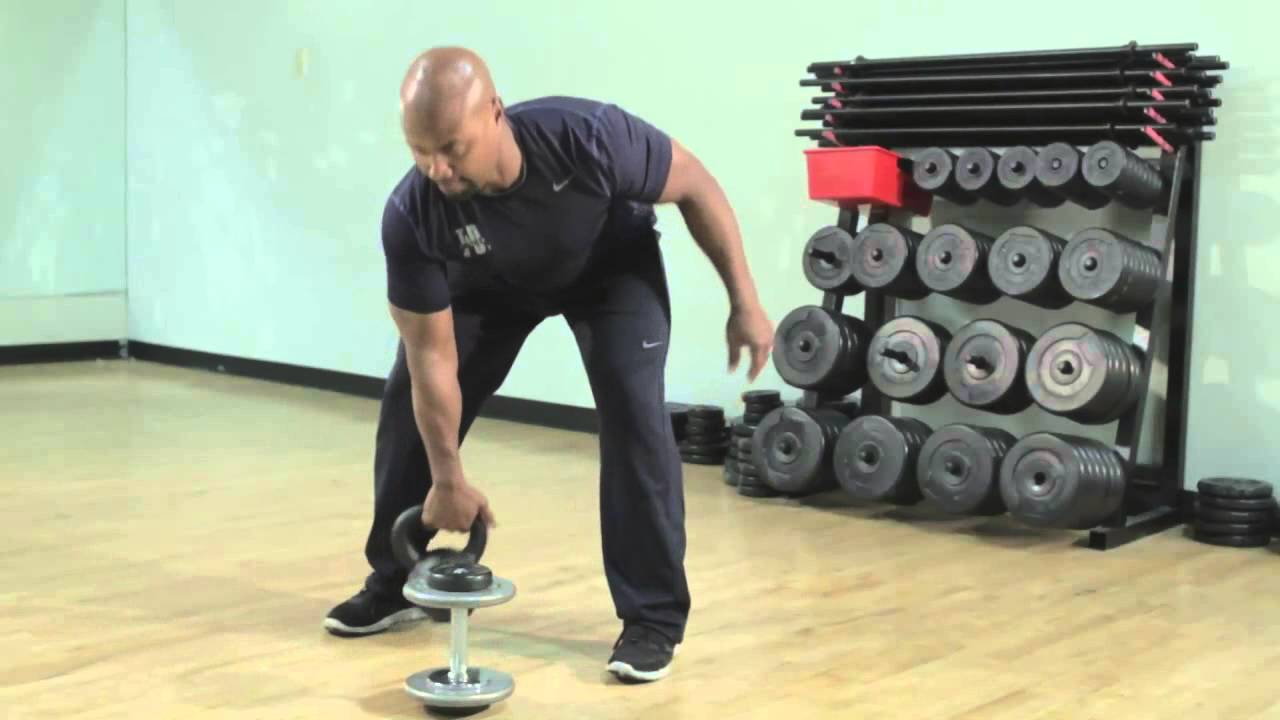
Kettlebells Vs Dumbbells
Kettlebells and dumbbells are popular tools for strength training. Both help build muscle and improve fitness. Many wonder if kettlebells can replace dumbbells. Understanding their differences helps decide which to use. The shape, grip, and weight distribution vary between them. These factors affect how each tool feels and works during exercises.
Shape And Design Differences
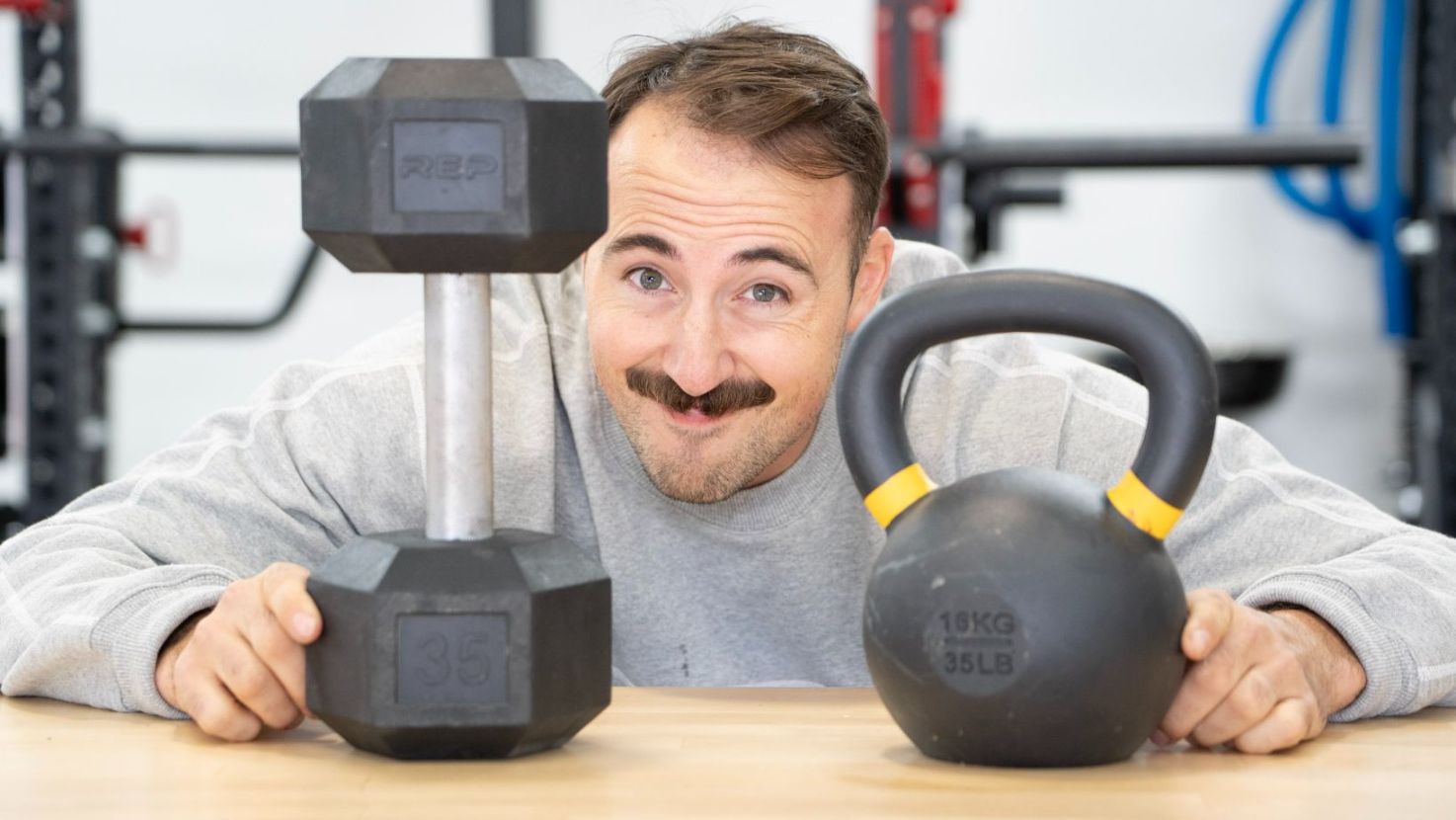
Kettlebells have a round ball shape with a handle on top. Dumbbells look like short bars with weights on both ends. The kettlebell’s shape allows swinging and dynamic movements. Dumbbells suit controlled, straight lifts better. Shape influences the type of exercises possible with each.
Grip And Handling
The kettlebell’s handle is thicker and wider than a dumbbell’s. This grip allows one or two-handed holds. Dumbbells have straight handles that feel more balanced. Kettlebells require more wrist and forearm control. Dumbbells feel more stable during lifts. Grip affects comfort and exercise style.
Weight Distribution
Kettlebells have uneven weight with mass below the handle. Dumbbells have even weight on both sides of the handle. This makes kettlebells harder to control during movement. Dumbbells provide steady resistance for isolated muscles. Weight distribution changes how muscles engage during workouts.
Benefits Of Using Kettlebells
Kettlebells offer unique benefits that differ from traditional dumbbells. Their shape and handle allow exercises that improve strength and coordination. Using kettlebells can make workouts more effective and engaging. These benefits help explain why many people include kettlebells in their fitness routines.
Improved Grip Strength
Kettlebells challenge your grip more than dumbbells. The thick handle requires your hands to work harder. This builds stronger forearms and hands. Better grip strength helps in many daily tasks and other exercises. It also reduces the risk of dropping weights during workouts.
Enhanced Core Engagement
Kettlebell exercises often involve swinging or twisting motions. These moves activate your core muscles more than simple lifts. A strong core improves balance and posture. It supports your back and reduces injury risk. Using kettlebells regularly can lead to a tighter, stronger midsection.
Dynamic Movement Potential
Kettlebells allow fluid, dynamic exercises that dumbbells do not. You can swing, snatch, and clean with kettlebells. These movements combine strength, speed, and coordination. Dynamic exercises boost your athletic ability and calorie burn. They make workouts more varied and fun.
Exercises Shared By Both Tools
Kettlebells and dumbbells share many exercises. Both tools help build strength and endurance. You can use them for similar movements that target various muscles. This makes kettlebells a versatile option if you don’t have dumbbells. Understanding these shared exercises helps you switch between tools easily.
Presses And Rows
Presses work your shoulders and arms. You can do overhead presses with kettlebells or dumbbells. Both improve shoulder strength and stability. Rows focus on your back muscles. Hold the weight and pull it towards your body. Kettlebells add a slight challenge due to their shape. Dumbbells keep the movement simple and balanced.
Swings And Snatches
Swings are mostly done with kettlebells but can be done with dumbbells. They strengthen your hips, glutes, and core. Snatches are powerful moves that lift the weight overhead in one motion. Kettlebells are easier for snatches due to their handle design. Dumbbells require more control but offer similar benefits.
Curls And Extensions
Curls focus on your biceps using either tool. Lift the weight by bending your elbows. Extensions target triceps by straightening your arms. Both kettlebells and dumbbells work well here. The grip feels different, but the muscle work stays the same. These exercises help tone and strengthen your arms effectively.

Adapting Kettlebells For Dumbbell Workouts
Kettlebells and dumbbells have different shapes and grips. This difference means you must adapt kettlebells to use them like dumbbells. Changing your grip and movement helps perform dumbbell-style exercises with kettlebells. Doing this right keeps your workout safe and effective. Below are tips to adapt kettlebells for dumbbell workouts.
Modifying Grip Techniques
Kettlebell handles are thicker and shaped differently than dumbbells. Hold the kettlebell handle closer to the base for better control. Use a firm but relaxed grip to avoid hand strain. Switch between one-handed and two-handed grips based on the exercise. Adjust your grip to keep wrists straight and strong.
Adjusting Range Of Motion
Kettlebells swing more than dumbbells during movement. Limit the swing to mimic dumbbell control. Focus on slower, smoother motions to maintain form. Reduce the range slightly if the kettlebell feels harder to control. Keep movements steady to target muscles correctly.
Safety Considerations
Use lighter kettlebells at first to prevent injury. Warm up your wrists and hands before starting. Check your grip often and avoid loose holds. Clear space around you to avoid hitting objects. Stop immediately if you feel pain or discomfort.
Limitations Of Using Kettlebells As Dumbbells
Kettlebells and dumbbells look similar but are not the same. Using kettlebells as dumbbells has limits. Knowing these limits helps you train safely and effectively. Some exercises may feel harder or awkward with kettlebells. This section explains key challenges of using kettlebells instead of dumbbells.
Stability Challenges
Kettlebells have uneven weight distribution. The handle is off-center from the weight. This makes balancing harder than dumbbells. You must use more muscle control to keep steady. Some exercises need steady, even weight. Kettlebells can make these moves tough or unsafe. Beginners may find kettlebells unstable for certain lifts.
Weight Increment Differences
Dumbbells often come in small weight steps. Kettlebells usually have larger jumps between sizes. This limits fine-tuning your workout weight. You might skip a needed intermediate weight. Progressing safely can become difficult. Adjusting kettlebell weight to match dumbbell workouts is not easy.
Exercise Suitability
Not all dumbbell exercises suit kettlebells well. Movements needing a firm grip and steady balance can be tricky. Kettlebells work better for swings and dynamic moves. Exercises like curls or presses feel different with kettlebells. Some lifts lose effectiveness or cause strain. Choose the right tool for each workout move.
Tips For Effective Strength Training
Effective strength training requires smart planning and focus. Using kettlebells as dumbbells can work well if you follow clear tips. These tips help build muscle safely and steadily.
Progressive Overload Strategies
Progressive overload means increasing your workout challenge over time. Use heavier weights or add more reps each week. This pushes muscles to grow and get stronger. With kettlebells, try slower movements or longer sets to increase difficulty. Track your progress to avoid plateaus and keep improving.
Balancing Kettlebell And Dumbbell Use
Kettlebells and dumbbells have different shapes and grips. Mixing both can improve strength and coordination. Use kettlebells for swinging and dynamic moves. Use dumbbells for steady, controlled lifts. Switch between them to work muscles in new ways. Balance helps prevent injury and keeps workouts interesting.
Avoiding Common Mistakes
Start with light weights to learn proper form. Avoid rushing through exercises. Poor technique can cause injury and slow progress. Don’t lift too heavy too soon. Rest enough between sets to recover. Listen to your body and stop if you feel pain. Consistency beats quick gains every time.
Frequently Asked Questions
Can Kettlebells Replace Dumbbells For Strength Training?
Yes, kettlebells can replace dumbbells for many exercises. They offer dynamic, functional movements that improve strength and coordination. However, some exercises may require adjustments due to kettlebell shape and grip differences.
Are Kettlebells Effective For Dumbbell Workout Routines?
Kettlebells are effective for dumbbell workouts, especially for swings, presses, and rows. They add variety and engage stabilizing muscles, enhancing workout intensity and functional fitness.
Can I Use Kettlebells For Isolation Exercises Like Dumbbells?
Kettlebells can be used for isolation exercises but may be less precise. Their unique design challenges grip and balance, adding a functional fitness benefit beyond traditional dumbbell isolation moves.
Do Kettlebells Offer The Same Muscle Benefits As Dumbbells?
Kettlebells provide similar muscle benefits but emphasize functional strength and endurance. Their dynamic nature improves core stability, coordination, and power differently than traditional dumbbell training.
Conclusion
Kettlebells and dumbbells can both help you build strength. They work many of the same muscles but feel different in your hands. You can use kettlebells like dumbbells for many exercises. This gives you more ways to train at home or the gym.
Choose the tool that feels best and fits your workout style. Try both to see what you enjoy and what helps your progress. Stay consistent, and your strength will grow no matter which you pick. Simple tools, big results.

