
If you’re thinking about adding a weight bench to your home gym, one question probably keeps popping up: how much does a weight bench weigh? Knowing the weight is more important than you might realize.
Exclusive Deals
Limited-time Exclusive Deals. Check current discount on Amazon.
Check Price on Amazon As an Amazon Associate I earn from qualifying purchases.It affects how easy it is to move, where you can place it, and even how safe your workouts will be. You’ll discover everything you need to know about weight bench weights, so you can make the best choice for your space and fitness goals.
Keep reading to find out what to expect and how to pick the perfect bench for you.
Weight Bench Basics
Weight benches are a key part of many home gyms. They help you perform various exercises safely. Knowing their basics helps you choose the right one. Weight benches differ in size, material, and weight. These factors affect how much they weigh and how easy they are to move. Understanding these details makes it easier to pick a bench that fits your needs.
Exclusive Deals
Limited-time Exclusive Deals. Check current discount on Amazon.
Check Price on Amazon As an Amazon Associate I earn from qualifying purchases.Common Materials
Most weight benches use steel frames for strength. Steel makes the bench heavy but very sturdy. Some benches have aluminum parts to lower weight. The padding usually has foam covered with vinyl or leather. Foam adds comfort during workouts. Vinyl and leather protect the foam and are easy to clean. Material quality affects both bench weight and durability.
Typical Dimensions
Weight benches usually measure around 40 to 50 inches long. Their width is typically between 12 and 20 inches. Height varies from 16 to 20 inches depending on the model. Adjustable benches might be longer due to extra parts. Size affects how much space the bench takes. It also influences how heavy the bench will be.
Standard Weight Bench Weights
Standard weight benches vary in weight depending on their design and features. Knowing the typical weight helps in choosing the right bench for your space and workout needs. Most benches range from lightweight to heavier models for extra stability. Here is a breakdown of the common types and their average weights.
Exclusive Deals
Limited-time Exclusive Deals. Check current discount on Amazon.
Check Price on Amazon As an Amazon Associate I earn from qualifying purchases.Flat Benches
Flat benches are the simplest type of weight benches. They usually weigh between 25 and 40 pounds. These benches offer a stable surface for exercises like bench presses and dumbbell workouts. Their solid frame keeps the weight low but sturdy enough for most users.
Adjustable Benches
Adjustable benches allow you to change the angle of the backrest. They typically weigh more, around 40 to 60 pounds. The extra weight comes from the hinges and mechanisms needed to adjust positions. This added weight also provides more support and stability during various exercises.
Folding Benches
Folding benches are designed for easy storage and transport. Their weight usually ranges from 20 to 35 pounds. These benches often use lighter materials, making them easier to move. Though lighter, they still maintain enough strength for safe workouts.
Specialty Benches And Their Weights
Specialty benches serve unique purposes in workout routines. They come in different styles and weights. Knowing their weight helps with transport and setup. Some benches are heavier due to extra features or sturdier build. Others stay light for easy movement. Here’s a look at common specialty benches and their typical weights.
Olympic Benches
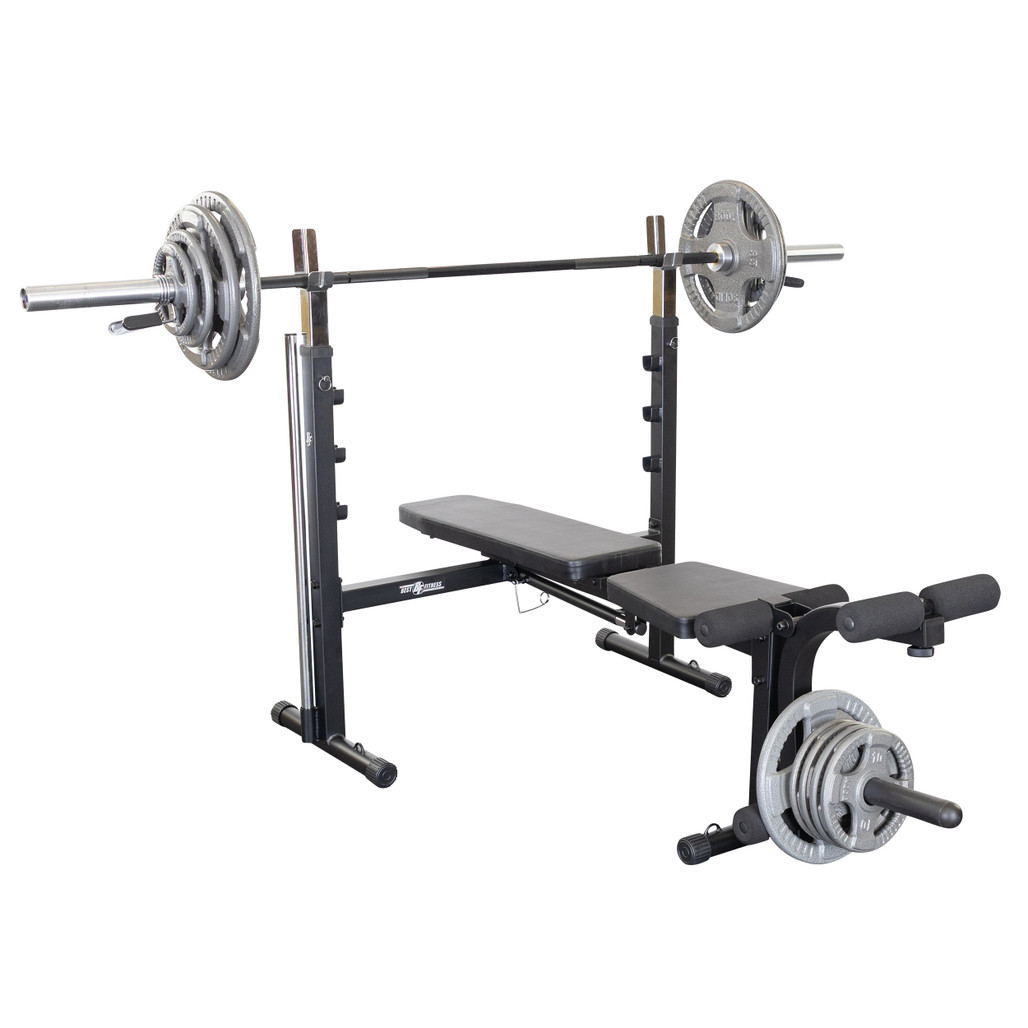
Olympic benches are built for heavy lifting. They often support Olympic bars and plates. These benches weigh between 60 and 100 pounds. The weight depends on frame thickness and padding size. Their heavy frame keeps them stable during intense lifts.
Incline And Decline Benches
Incline and decline benches adjust angles for different exercises. They weigh less than Olympic benches, usually 30 to 50 pounds. Their lighter weight makes them easy to move. Still, they offer enough strength for safe workouts.
Multi-function Benches
Multi-function benches provide various exercise options. They combine flat, incline, and decline positions. These benches weigh around 50 to 70 pounds. The extra parts add to the weight but increase versatility. They suit users who want a compact workout station.
Factors Affecting Bench Weight
Several factors affect the weight of a weight bench. These elements change how heavy or light the bench feels. Knowing these can help you pick the right bench for your needs.
Frame Material
The frame material greatly impacts the bench’s weight. Steel frames are common and add more weight. Aluminum frames are lighter but less durable. Wood frames offer a mix of weight and style. Each material changes how easy it is to move the bench.
Size And Design
Benches come in many sizes and shapes. Larger benches usually weigh more. Compact designs weigh less and are easier to store. Some benches have thicker padding or wider seats, adding extra weight. Design choices affect both comfort and weight.
Additional Features
Extra parts add to the bench’s weight. Features like adjustable backrests or leg holders add metal parts. Storage racks or wheels also increase weight. More features mean a heavier bench but often better function.
Choosing The Right Weight Bench For You
Choosing the right weight bench is key for a good workout. The right bench fits your needs, space, and how often you train. Weight benches come in many types and sizes. This guide helps you pick a bench that works best for you.
Home Gym Vs Commercial Use
Benches for home gyms are usually lighter and smaller. They fit well in limited spaces. Commercial benches are heavier and built to last. They handle daily, heavy use in gyms. Think about how often you will use the bench. Choose a bench that matches your workout routine.
Portability Considerations
Some benches fold for easy moving and storage. Portable benches weigh less, making transport simple. Heavy benches stay stable during lifting but are hard to move. Decide if you need to move the bench often. Portability matters for small rooms or shared spaces.
Space Constraints
Measure your workout area before buying a bench. Small spaces need compact or foldable benches. Large benches offer more comfort but need room. Consider extra space for weights and movement. A well-sized bench keeps your gym safe and efficient.
Transporting And Storing Weight Benches
Transporting and storing weight benches requires careful planning. Weight benches vary in size and weight, affecting how easy they are to move. Proper storage saves space and keeps the bench in good condition. Understanding your bench’s design helps make transport and storage easier.
Folding And Compact Models
Folding weight benches are easier to carry and store. They fold flat, taking less room in your home or gym. Compact models are lighter and smaller but still strong. These benches fit in tight spaces, making them great for small rooms. Choose folding or compact benches for easier transport and storage.
Weight Distribution Tips
Balance the bench weight when moving it. Lift from the strongest parts to avoid damage. Keep the bench close to your body for better control. Use both hands and bend your knees when lifting. If the bench is heavy, get help to move it safely. Proper weight distribution reduces strain and prevents accidents.
Maintenance And Durability
Weight benches need regular care to last long and stay safe. Maintenance affects both durability and performance. Simple steps help keep the bench strong and clean. This section covers key tips for cleaning and how to extend the bench’s life.
Cleaning And Care
Wipe the bench after each use with a damp cloth. Remove sweat and dust to prevent damage. Use mild soap for deeper cleaning once a week. Avoid harsh chemicals that can wear out the material. Check bolts and screws regularly. Tighten loose parts to keep the bench stable.
Longevity Factors
Quality of materials plays a big role in durability. Steel frames last longer than cheaper metals. Thick padding resists wear better than thin cushions. Store the bench in a dry place to avoid rust. Avoid overloading the bench beyond its weight limit. Proper use and care increase the bench’s lifespan.


Frequently Asked Questions
How Much Does A Standard Weight Bench Weigh?
A standard weight bench typically weighs between 30 to 60 pounds. The exact weight depends on materials and design. Heavier benches offer more stability, while lighter ones are portable. Knowing the weight helps in choosing the right bench for your workout space.
What Is The Weight Of An Adjustable Weight Bench?
Adjustable weight benches usually weigh around 40 to 70 pounds. The added mechanisms for adjustment increase the weight slightly. This type provides versatility for different exercises, balancing weight and functionality. It suits home gyms needing multiple workout positions.
Do Foldable Weight Benches Weigh Less Than Fixed Ones?
Yes, foldable weight benches generally weigh less, around 25 to 50 pounds. They prioritize portability and easy storage over maximum stability. Folding models suit users with limited space who want a lightweight, easy-to-move bench.
How Does Bench Weight Affect Workout Stability?
Heavier benches offer better stability during heavy lifts. A bench weighing 50 pounds or more reduces wobbling. Stability is crucial for safety and performance. Choose a weight bench that supports your exercise intensity without tipping.
Conclusion
Weight benches come in many sizes and weights. Most benches weigh between 20 and 70 pounds. The weight depends on materials and design. Lighter benches are easier to move but less stable. Heavier benches offer more support but are harder to transport.
Knowing the weight helps you choose the right bench for your space and needs. Think about where you will keep it and how often you move it. This way, you find a bench that fits your workout style and home.
Simple and clear choices make your fitness routine better.