
Are you wondering if leg press machines can really match the benefits of doing squats? You’re not alone.
Many people ask this question when trying to decide how to get stronger legs and build muscle effectively. Squats have a solid reputation, but leg press machines offer a different approach that might fit your needs better. You’ll discover how these two exercises compare, what each can do for your body, and which one might be the best choice for your fitness goals.

Today's Exclusive Deals
Limited-time Exclusive Deals. Check current discount on Amazon.
Check Price on Amazon As an Amazon Associate I earn from qualifying purchases.Keep reading—you might be surprised by what you learn.
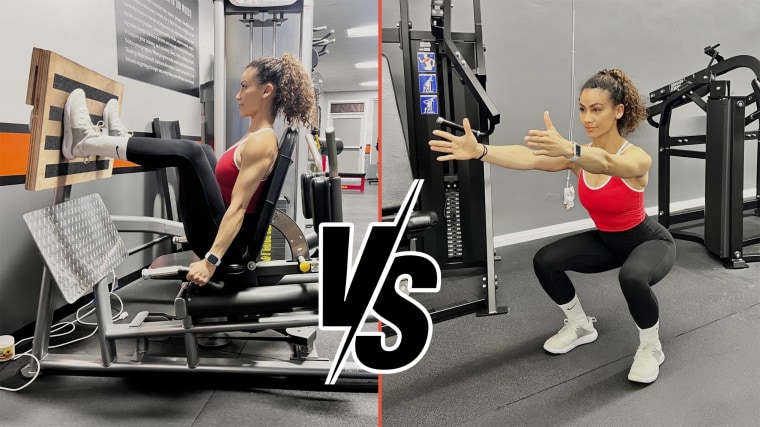
Leg Press Machine Basics
The leg press machine is a popular choice in many gyms. It offers a controlled way to work your lower body. This machine helps you build strength safely, especially if you are new to weight training. Understanding the basics of this equipment can help you decide if it suits your fitness needs.
The leg press is easy to use and focuses on important leg muscles. It allows you to push heavy weights with your legs while seated. This setup reduces the risk of losing balance or hurting your back.
How The Leg Press Works
The leg press machine has a seat and a platform for your feet. You sit down and place your feet on the platform. Then, push the platform away by extending your legs. The machine moves along a fixed path, keeping your movements steady. This design helps control the weight and form during the exercise. You return to the start position by bending your knees slowly. This motion repeats for your workout sets.
Muscle Groups Targeted
The leg press mainly works your quadriceps, the muscles in the front of your thighs. It also targets your glutes, the muscles in your buttocks. Your hamstrings at the back of your thighs get worked too. The calves, especially the muscles at the back of your lower legs, assist in the movement. This machine offers a full lower-body workout in one exercise.
Squats Essentials
Squats are a fundamental exercise for building lower body strength. They work many muscles and improve balance and stability. Understanding the basics helps you perform squats safely and effectively. Proper form reduces injury risk and maximizes benefits.
Squats can be adapted to different fitness levels. Beginners start with bodyweight squats. More advanced lifters add weights for extra challenge. Knowing these essentials helps compare squats to leg press machines clearly.
Squat Variations
There are many squat types. Bodyweight squats use no weights and focus on form. Goblet squats add a dumbbell or kettlebell for resistance. Barbell back squats place a barbell on your shoulders for heavy lifting.
Front squats shift the weight to the front, engaging more core muscles. Split squats work one leg at a time, improving balance. Each variation targets muscles differently and suits various fitness goals.
Muscle Engagement
Squats activate multiple muscle groups at once. The main muscles worked are the quadriceps, hamstrings, and glutes. The core muscles also work hard to keep your body stable.
Squats improve joint strength in hips, knees, and ankles. This helps with overall movement and injury prevention. Muscle engagement is more balanced in squats compared to machines.
Strength Gains Comparison
Comparing strength gains from leg press machines and squats helps many choose the best workout. Both exercises target leg muscles but differ in how they build strength. Understanding these differences guides effective training and better results.
Muscle Activation Levels
Squats activate more muscles than leg press machines. Squats work the quads, hamstrings, glutes, and core together. This full-body effort builds stronger muscles faster. Leg press mainly targets the quads and glutes, with less core involvement. Lower muscle activation means slower overall strength gains.
Impact On Functional Strength
Squats improve functional strength more than leg press machines. Squats mimic natural movements like standing and lifting. This trains muscles to work as a team in daily tasks. Leg press is a controlled movement and isolates leg muscles. It builds strength but may not improve balance or coordination as well.

Safety And Injury Risks
Safety is a key concern when choosing between leg press machines and squats. Both exercises challenge your muscles and joints. Each has unique risks that can cause injury without proper care. Understanding these risks helps you train smarter and avoid harm.
Common Injuries With Leg Press
The leg press can cause knee pain if your feet are placed too low on the platform. This puts extra pressure on your knees. Lower back strain happens when you let your hips lift off the seat. It stresses the spine and muscles around it. Overloading the machine with too much weight risks muscle tears and joint damage.
Squat Safety Tips
Keep your back straight and core tight during squats. This protects your spine from injury. Position your feet shoulder-width apart for balance. Avoid letting your knees go past your toes to reduce joint stress. Start with light weights to build strength safely. Use a spotter or safety bars when lifting heavy. Take slow, controlled movements to maintain form and control.
Equipment And Accessibility
Choosing between leg press machines and squats often depends on the equipment and how easy it is to use. Accessibility affects workout consistency. Understanding the availability and cost helps decide what fits best.
Availability In Gyms
Most gyms have leg press machines. They are common in large fitness centers. Some smaller gyms may not have one. Squats need only a barbell or no equipment. This makes squats easier to perform anywhere. Trainers often teach squats as a basic exercise. Beginners find machines easier to use at first.
Cost And Space Considerations
Leg press machines cost more and take up space. They need a big area in the gym. Buying one for home is expensive and bulky. Squat racks and barbells cost less and fit smaller spaces. People with limited room prefer squats. Equipment cost affects how many can access it. Squats require less investment, making them more accessible.
Training Goals And Preferences
Training goals and preferences shape how people choose exercises. Some want bigger muscles. Others want to move faster or jump higher. The choice between leg press machines and squats depends on what each person wants to achieve.
Building Muscle Mass
Leg press machines allow controlled, heavy lifting. They target the quads, hamstrings, and glutes. Machines reduce the need for balance, focusing on muscle work. Squats also build muscle but need more effort to stabilize. They engage the core and lower back more. Squats may help muscles grow evenly. The best option depends on comfort and muscle focus.
Improving Athletic Performance
Squats mimic natural movement patterns. They improve balance, coordination, and joint strength. Athletes often use squats to boost running and jumping. Leg press machines isolate muscles but lack full-body activation. They are less effective for sports that need agility. Squats train the whole body to work together. Training choice depends on sport and movement needs.
Combining Leg Press And Squats
Combining leg press machines and squats offers a powerful way to build leg strength. Each exercise targets muscles differently. Squats engage many muscles and improve balance. Leg presses isolate muscles and reduce strain on the back. Using both can create a well-rounded workout plan. This mix helps improve muscle growth and joint health. It also keeps workouts fresh and less boring.
Creating Balanced Leg Workouts
Start by including squats for overall strength. Squats work your core and stabilizer muscles. Add leg presses to focus on your quads and glutes. Balance heavy lifting days with lighter ones using leg presses. This approach prevents overuse injuries and muscle fatigue. Vary the number of sets and reps for each exercise. Use leg presses to finish workouts or as a warm-up.
Periodization Strategies
Plan your leg workouts in cycles. Cycle through phases of high and low intensity. Use squats during high-intensity phases for maximum strength. Include leg presses during recovery phases to maintain muscle tone. Change the focus every few weeks to avoid plateaus. Track progress and adjust weights regularly. This method improves endurance, strength, and muscle size steadily.

Frequently Asked Questions
Are Leg Press Machines As Effective As Squats?
Leg press machines target similar muscles but lack core engagement. Squats build strength, balance, and flexibility more effectively. Both have benefits, but squats offer a full-body workout, making them generally more effective for overall fitness.
Can Leg Press Replace Squats For Muscle Growth?
Leg press can build muscle but mostly isolates legs. Squats activate multiple muscle groups and improve functional strength. For balanced muscle growth, combining both exercises works best rather than replacing squats entirely.
Which Is Safer: Leg Press Or Squats?
Leg press machines offer more stability, reducing injury risk. Squats require proper form and can strain knees or back if done incorrectly. Beginners may find leg press safer, but squats improve mobility and overall strength when performed correctly.
Do Squats Burn More Calories Than Leg Press?
Squats engage more muscles, boosting calorie burn during workouts. Leg press focuses on leg muscles, burning fewer calories overall. For fat loss and metabolism improvement, squats are generally more efficient than leg press machines.
Conclusion
Squats and leg press machines both help build leg strength. Squats use more muscles and improve balance. Leg press machines focus more on your legs with less strain. Your choice depends on your goals and comfort. Try both to see what feels best.
Consistency matters most for strong, healthy legs. Keep moving and stay patient with your progress. Small steps lead to big changes.

