
Are you ready to build stronger legs and boost your workout results? Learning how to use a leg press machine can be a game-changer for your fitness routine.
This simple yet powerful machine targets your quads, hamstrings, and glutes effectively, helping you tone and strengthen your lower body. But using it the right way is key to avoiding injury and getting the best results. Keep reading, and you’ll discover step-by-step tips that make the leg press easy, safe, and super effective for you.

Today's Exclusive Deals
Limited-time Exclusive Deals. Check current discount on Amazon.
Check Price on Amazon As an Amazon Associate I earn from qualifying purchases.Your stronger, fitter legs start here!
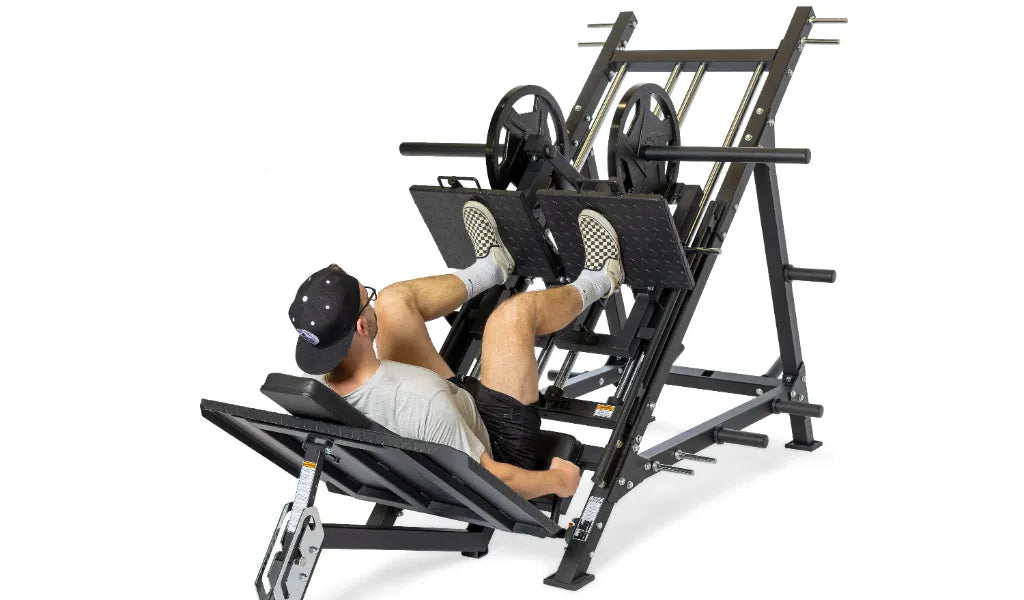
Choosing The Right Leg Press Machine
Choosing the right leg press machine is important for a safe and effective workout. The machine must fit your body and exercise needs. The right machine helps you target leg muscles well. It also prevents injury and discomfort during use.
Before using a leg press, consider the type, size adjustment, and safety features. These factors make your workout smooth and productive. Understanding these points helps you pick the best machine.
Types Of Leg Press Machines
Leg press machines come in several types. The most common are the sled leg press, seated leg press, and vertical leg press. The sled type moves on rails and lets you push a platform with your feet. The seated leg press has a seat and footplate, providing good back support. The vertical leg press requires you to push weight straight up while lying down.
Each type targets muscles differently. Sled and seated types suit most users. Vertical leg presses need more strength and control. Choose a type that matches your fitness level and comfort.
Adjusting For Body Size
A good leg press machine fits your body size well. Check if the seat and footplate adjust easily. Proper adjustment keeps your knees safe and aligned. Your knees should not bend too far forward past your toes. Also, your feet should rest flat on the footplate.
Adjust the seat distance to control how far your legs bend. Make small changes and test the feel before starting. Comfortable positioning helps avoid injury and improves exercise results.
Safety Features To Check
Safety features protect you during leg press workouts. Look for safety stops or locks on the machine. These prevent the platform from falling if you lose control. The machine should have smooth, stable movement without jerks. Check handles or grips for a secure hold.
Also, the weight stack or plates should be easy to add or remove safely. Machines with clear instructions and visible markings improve safety. Always choose a machine with reliable safety features to protect your legs and back.
Setting Up For Success
Setting up the leg press machine correctly is key to a safe and effective workout. Proper setup helps protect your joints and muscles. It also makes each exercise more comfortable. Follow these simple steps to prepare for your leg press session.
Proper Seat And Foot Placement
Adjust the seat so your knees bend at about 90 degrees. Sit back firmly against the seat pad. Place your feet shoulder-width apart on the platform. Position feet in the middle to target your quads evenly. Avoid placing feet too high or too low to prevent knee strain.
Selecting The Appropriate Weight
Start with a light weight to learn the movement. Choose a weight that lets you complete 10 to 15 reps without pain. Increase weight gradually as your strength improves. Too much weight can cause poor form and injury.
Warming Up Before Starting
Warming up prepares your muscles and joints for exercise. Spend 5 minutes doing light cardio like walking or cycling. Perform a few warm-up sets on the leg press with low weight. This helps improve blood flow and reduces injury risk.
Performing The Leg Press
Performing the leg press involves more than just pushing weight with your legs. Proper technique helps avoid injuries and improves muscle strength. Focus on the right steps to get the best results safely.
Correct Foot Positioning
Place your feet shoulder-width apart on the platform. Keep your toes slightly pointed out. This stance targets your quads, hamstrings, and glutes evenly. Avoid placing feet too high or low to prevent knee strain.
Maintaining Proper Form
Keep your back flat against the seat pad at all times. Do not let your lower back lift off the pad. Slowly push the platform away by extending your legs. Stop just before locking your knees to protect your joints.
Breathing Techniques
Inhale deeply as you lower the platform toward your body. Exhale steadily while pushing the weight back up. Controlled breathing supports muscle control and stability. Never hold your breath during the exercise.
Common Mistakes To Avoid
Using a leg press machine is effective only with proper form. Many people make simple errors that reduce benefits and increase injury risk. Avoiding common mistakes helps you get stronger safely.
Focus on correct technique and listen to your body. This section highlights key errors to watch out for during your leg press workout.
Overextending The Knees
Do not lock or straighten your knees fully at the top. Overextending puts too much pressure on the joints. It can cause pain and long-term damage. Keep a slight bend to protect your knees and maintain control.
Using Too Much Weight
Choosing weights too heavy leads to poor form and injury. Heavy loads make it hard to control the movement. Start with lighter weight and increase gradually. Focus on quality reps rather than heavy lifting.
Neglecting Controlled Movements
Rushing through reps reduces muscle engagement and increases injury risk. Always move slowly and with control. Lower the weight steadily and push up smoothly. Controlled movement builds strength and prevents strain.
Leg Press Variations For Muscle Targeting
The leg press machine is a great tool for strengthening your legs. You can change how you place your feet to work different muscles. These changes help target specific parts of your legs and thighs. This section explains simple leg press variations to focus on inner thighs, outer thighs, and balance.
Wide Stance For Inner Thighs
Place your feet wider than shoulder-width on the platform. Point your toes slightly outward. This stance puts more work on your inner thigh muscles. It helps tone the muscles along the inside of your legs. Keep your knees in line with your toes as you press.
Narrow Stance For Outer Thighs
Bring your feet closer together, about hip-width apart. Keep your toes pointing forward. This position focuses on the outer thigh muscles. It targets the sides of your legs more than the usual stance. Press smoothly and avoid locking your knees at the top.
Single-leg Press For Balance
Use one leg at a time on the platform. This variation improves muscle balance between legs. It also engages your core for stability. Start with light weights to maintain control. Slowly press and return to the start position. Switch legs to train both sides equally.

Integrating Leg Press Into Your Routine
Adding the leg press machine to your workout routine helps build strong legs safely. It targets muscles like the quads, hamstrings, and glutes with controlled movements. This exercise fits well with many training plans for both beginners and experienced lifters.
Use the leg press to complement other leg exercises and balance your workout. Adjust how often you train and plan rest days for the best results. Keep track of your progress to stay motivated and improve over time.
Combining With Other Exercises
Pair the leg press with exercises like squats or lunges. This combination strengthens different muscle groups and improves overall leg power. Use free weights or bodyweight moves for variety and balance. Mixing exercises prevents boredom and helps avoid muscle imbalances.
Frequency And Rest Days
Train legs with the leg press two to three times a week. Give your muscles at least one day to recover between sessions. Rest is important to avoid injury and build strength. Listen to your body and adjust rest days as needed.
Tracking Progress
Write down the weight and reps you complete each session. Increase weight gradually to challenge your muscles safely. Track how you feel after workouts to spot improvements or fatigue. Keeping records helps you stay focused and reach goals faster.
Benefits Beyond Muscle Building
The leg press machine does more than build muscle. It offers several health and fitness benefits that improve your overall body strength and movement. Using this machine regularly can help your joints, athletic skills, and reduce injury risks. These benefits matter for everyday activities and sports alike.
Improving Joint Stability
The leg press helps strengthen muscles around your knees and hips. Strong muscles support your joints better. This support reduces joint pain and stiffness. It also improves balance and movement control. Stable joints lower the risk of falls and injuries. This makes daily tasks easier and safer.
Enhancing Athletic Performance
The leg press builds power in your legs and glutes. Strong legs improve running, jumping, and quick movements. Better leg strength helps you perform well in many sports. It also increases endurance, letting you train longer. This machine trains muscles used in real athletic actions.
Supporting Injury Prevention
Using the leg press strengthens muscles and tendons. Strong muscles protect your bones and joints from strain. This reduces the chance of sprains and tears. The machine helps correct muscle imbalances that cause injuries. Safe, controlled movements on the leg press lower injury risk during other activities.

Frequently Asked Questions
How Do I Properly Position My Feet On The Leg Press?
Place your feet shoulder-width apart on the platform. Keep them flat and centered to target your quads and glutes effectively. Avoid placing feet too high or low to prevent knee strain and ensure balanced muscle activation.
What Is The Correct Leg Press Machine Form?
Sit with your back flat against the pad. Keep your knees aligned with your feet and avoid locking your knees at full extension. Lower the platform slowly, maintaining control throughout the movement for safety and maximum benefits.
How Many Leg Press Reps And Sets Are Ideal?
Aim for 3 to 4 sets of 10 to 15 repetitions. Adjust weight based on your fitness level, focusing on controlled movements. This range builds strength and muscle endurance without risking injury.
Can Leg Press Machines Help Build Strong Legs?
Yes, leg press machines effectively target quadriceps, hamstrings, and glutes. They allow controlled, weighted resistance, promoting muscle growth and strength. Incorporate leg presses into your routine for balanced leg development.
Conclusion
Using a leg press machine helps build strong legs safely. Start with light weights to learn the right form. Keep your back flat and feet shoulder-width apart. Move slowly and control the motion each time. Regular use improves muscle strength and endurance.
Always listen to your body to avoid injury. Stay consistent and patient for the best results. Leg presses can be a great part of your workout. Try adding this exercise to your routine today.

