
Are you getting the most out of your spin bike workouts? Knowing how to measure your RPM (revolutions per minute) can make a huge difference in tracking your progress and boosting your performance.
Whether you’re aiming to burn more calories, improve endurance, or just stay motivated, understanding your RPM helps you pedal smarter, not harder. You’ll discover simple and effective ways to measure your RPM on a spin bike, so you can take control of your training and see real results faster.

Today's Exclusive Deals
Limited-time Exclusive Deals. Check current discount on Amazon.
Check Price on Amazon As an Amazon Associate I earn from qualifying purchases.Keep reading—your best ride is just ahead!
Importance Of Measuring Rpm
Measuring RPM on a spin bike is a key part of any workout. RPM stands for revolutions per minute. It shows how fast you pedal. Knowing your RPM helps you control your exercise pace. It also helps you reach your fitness goals more easily.
Benefits For Training
Tracking RPM helps you set the right workout speed. It guides you to pedal faster or slower. This control improves your stamina and strength. You can change your effort level to match your goal. RPM helps keep your training varied and effective.
Tracking Progress
RPM numbers show your improvement over time. You can see if you pedal faster or longer than before. This data motivates you to keep going. It also helps adjust your workouts for steady growth. RPM tracking makes your progress clear and measurable.
Preventing Injury
Keeping an eye on RPM prevents overexertion. Pedaling too fast or too slow can cause strain. RPM guides you to maintain a safe and steady pace. This balance reduces the risk of injury. It keeps your muscles and joints healthy during exercise.
Tools Needed For Rpm Measurement
Measuring RPM on a spin bike helps track your workout speed. You need the right tools to get accurate readings. These tools vary from built-in monitors to smartphone apps. Each option offers a different way to check your RPM easily.
Built-in Bike Monitors
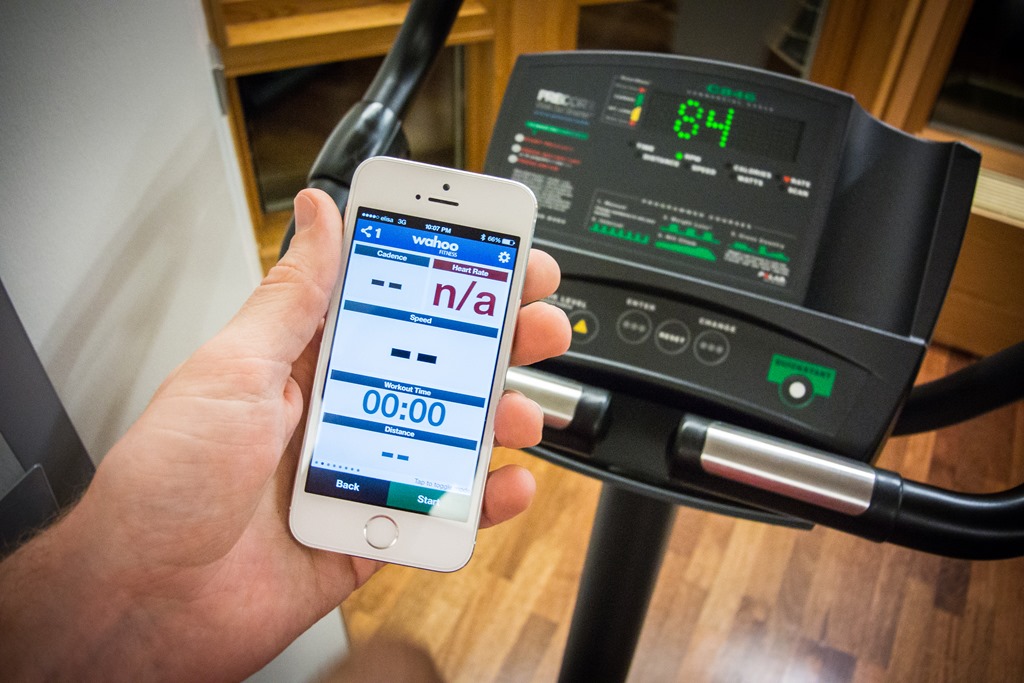
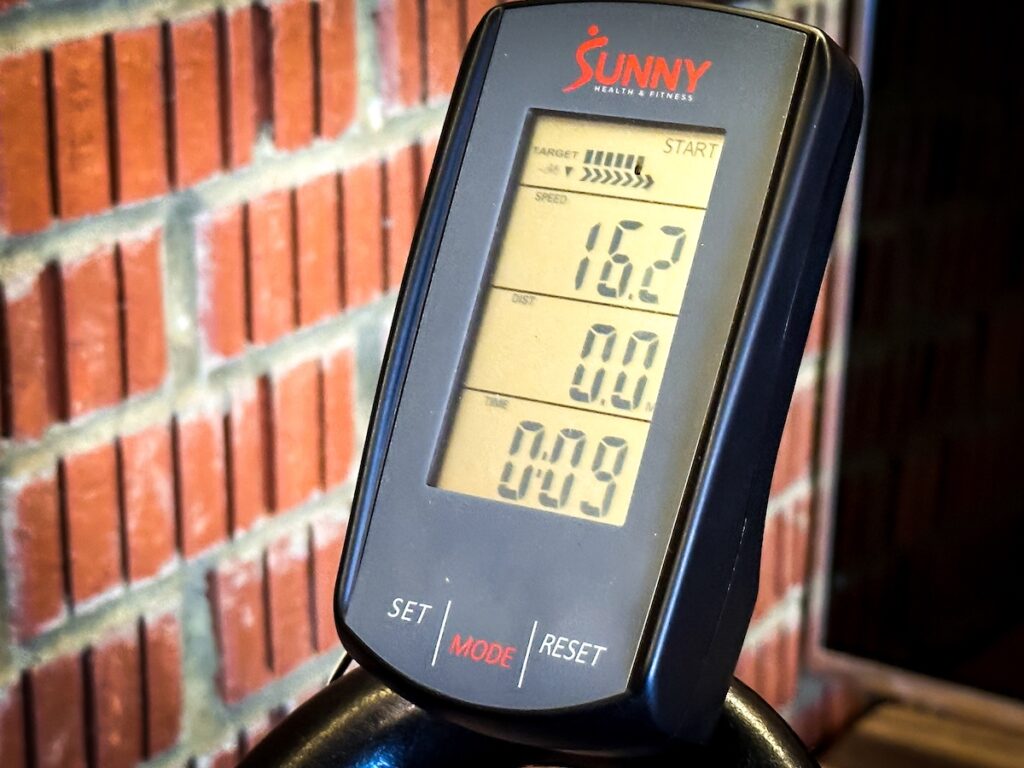
Many spin bikes come with built-in monitors. These monitors show RPM directly on the screen. They use sensors inside the bike to measure pedal speed. No extra tools are needed with this option. Just start pedaling, and the monitor displays your RPM.
External Rpm Meters
External RPM meters attach to the bike frame or pedals. They work by sensing pedal rotations with magnets or sensors. These devices are small and easy to install. They provide accurate RPM data without relying on the bike’s built-in system.
Smartphone Apps
Smartphone apps can measure RPM using the phone’s sensors. Some apps use the camera or motion sensors to track pedal speed. You may need to place the phone near the pedals or handlebars. Apps offer a flexible way to measure RPM without extra devices.
Preparing Your Spin Bike
Preparing your spin bike is the first step to measure RPM accurately. A well-prepared bike ensures reliable readings and a comfortable workout. Small adjustments can make a big difference in your performance and data tracking.
Adjusting Seat And Handlebars
Set the seat height so your legs extend slightly at the bottom of each pedal stroke. Move the seat forward or backward to find a comfortable distance from the pedals. Adjust the handlebars to a height that feels natural and supports good posture. Proper seat and handlebar positions reduce strain and improve pedaling efficiency.
Calibrating Sensors
Check if your spin bike has built-in sensors for RPM measurement. Follow the manufacturer’s instructions to calibrate these sensors before starting your session. Calibration helps the bike detect pedal speed accurately. Without this step, the RPM data may be incorrect or inconsistent.
Ensuring Proper Setup
Make sure all bolts and screws are tight. Check the bike’s stability on the floor to avoid wobbling. Clean the sensor areas to remove dust or dirt. A stable and clean setup supports precise RPM measurement. It also keeps your workout safe and comfortable.
Step-by-step Rpm Measurement
Measuring RPM on a spin bike helps track your workout intensity. RPM stands for revolutions per minute. It shows how fast you pedal. Knowing this number improves your training and helps set goals. Follow these simple steps to measure RPM accurately.
Starting The Bike
Begin by sitting comfortably on the bike. Place your feet on the pedals. Make sure the bike is stable. Start pedaling at a steady pace. This movement activates the bike’s sensors or display. Keep your speed consistent for an accurate reading.
Using The Monitor Display
Look at the bike’s monitor screen. It usually shows RPM directly. Wait a few seconds for the number to appear. The display updates as you pedal faster or slower. Some bikes have buttons to switch views. Choose the RPM option for clear data.
Counting Pedal Revolutions Manually
Count how many times one pedal completes a full circle. Use a stopwatch or timer for one minute. Multiply the count by the time if shorter than a minute. This method works if the bike lacks a display. It helps check your RPM without extra tools.
Tips For Accurate Rpm Readings
Getting an accurate RPM reading on your spin bike helps track your workout better. Small mistakes can cause wrong numbers. Follow these tips for reliable results every time. They help keep your data clear and useful.
Focus on steady pedaling, correct sensor setup, and avoiding signals that confuse the meter.
Maintaining Consistent Speed
Keep your pedaling smooth and steady. Sudden changes in speed can cause the RPM counter to jump. Aim for a rhythm you can hold for several minutes. This steadiness lets the sensor count rotations correctly.
Try to avoid quick stops or bursts. A steady pace gives cleaner and more trustworthy RPM numbers.
Checking Sensor Placement
Check the sensor’s position before each ride. It should align with the bike’s flywheel or magnet. Misaligned sensors miss rotations or count extras. Make sure it is close enough but not touching any parts.
Look for loose wires or dirt that can block the sensor. Clean the area often to keep readings accurate.
Avoiding External Interference
Other electronic devices can disturb your spin bike’s sensor. Keep phones, tablets, and wireless gadgets away from the sensor area. Metal objects nearby can also cause false readings.
Ride in a clear space to reduce interference. This helps your device deliver steady RPM data without errors.
Common Rpm Measurement Issues
Measuring RPM on a spin bike can sometimes be tricky. Many users face common issues that affect accuracy. These issues can cause frustration and disrupt your workout flow. Understanding these problems helps you fix them quickly. Below are some frequent RPM measurement problems and how to handle them.
Sensor Malfunctions
Sensors are crucial for detecting your pedal speed. Dirt or sweat can block sensor signals. Loose wires or damaged parts cause errors. Sometimes, sensors lose connection with the display. This leads to no or wrong RPM readings.
Inconsistent Readings
RPM numbers may jump or change rapidly. This inconsistency comes from poor sensor alignment. Interference from nearby electronics can also affect data. Uneven pedaling speed causes fluctuating RPM values too. These problems make it hard to track progress.
Troubleshooting Steps
Start by cleaning the sensor and nearby parts. Check all wires for damage or loose connections. Align the sensor properly with the magnet on the wheel. Restart the bike’s display to reset the system. Test the bike in a different location to avoid interference. Replace faulty sensors if problems persist.
Improving Spin Bike Workouts With Rpm Data
RPM data helps you improve your spin bike workouts by showing how fast you pedal. Tracking this information guides your training. You can adjust your effort and reach your fitness goals more efficiently.
Using RPM data allows you to control workout intensity. It also helps you avoid overtraining and injury. You learn how to balance effort and rest for better results.
Setting Rpm Goals
Set clear RPM targets before you start riding. Choose numbers that match your fitness level. Aim for steady progress by increasing RPM goals slowly.
Goals keep you focused and motivated. They help measure your improvement over time. Use RPM goals to challenge yourself safely and smartly.
Interval Training Based On Rpm
Use RPM data to plan intervals during your workout. Pedal fast for short bursts, then slow down to recover. This method builds endurance and strength effectively.
Intervals make workouts more exciting and less boring. They also help burn more calories in less time. Adjust interval speed using your RPM readings.
Monitoring Fatigue Levels
Watch your RPM to notice signs of fatigue. A drop in speed may mean your muscles are tired. Take breaks or slow down to prevent injury.
Tracking fatigue helps you train smarter. It ensures you do not push too hard. Resting at the right time improves overall performance.

Frequently Asked Questions
How Do I Measure Rpm On A Spin Bike?
To measure RPM on a spin bike, use the bike’s built-in monitor or a compatible cycling app. Count pedal rotations per minute or check the digital display for real-time RPM data. Accurate RPM tracking helps optimize your workout intensity.
Why Is Rpm Important For Spin Bike Workouts?
RPM indicates your pedaling speed, helping control workout intensity. Maintaining the right RPM improves cardiovascular fitness and endurance. Tracking RPM ensures you meet training goals and avoid overexertion or injury during spin sessions.
Can I Measure Rpm Without A Built-in Monitor?
Yes, you can measure RPM manually by counting pedal rotations for 60 seconds. Alternatively, use wearable fitness trackers or smartphone apps with cadence sensors. These methods provide reliable RPM data when the bike lacks a digital monitor.
What Is The Ideal Rpm Range For Spin Workouts?
The ideal RPM for spin workouts typically ranges from 60 to 110 RPM. Lower RPMs focus on strength, while higher RPMs improve speed and endurance. Adjust your RPM based on fitness goals and workout intensity.
Conclusion
Measuring RPM on a spin bike helps track your workout speed. Use a bike’s built-in monitor or an external sensor for accuracy. Consistent RPM checks improve your exercise routine and progress. Keep your focus steady and adjust effort based on RPM data.
This simple step makes your workouts more effective and engaging. Start measuring RPM today to see clear results and stay motivated.

