
Have you ever wondered if Roman chairs could be the key to speeding up your rehabilitation? If you’re recovering from an injury or looking to strengthen your back safely, choosing the right equipment is crucial.
Roman chairs are popular in gyms, but are they really suitable for your rehab exercises? You’ll discover how Roman chairs work, whether they fit your recovery needs, and what to watch out for to avoid setbacks. Keep reading—you might find the missing piece to your rehabilitation puzzle.

Today's Exclusive Deals
Limited-time Exclusive Deals. Check current discount on Amazon.
Check Price on Amazon As an Amazon Associate I earn from qualifying purchases.
Roman Chair Basics
The Roman chair is a popular piece of fitness equipment. It helps strengthen the lower back and core muscles. Many people wonder if it suits rehabilitation exercises. Understanding its basics is key to answering this question.
Design And Function
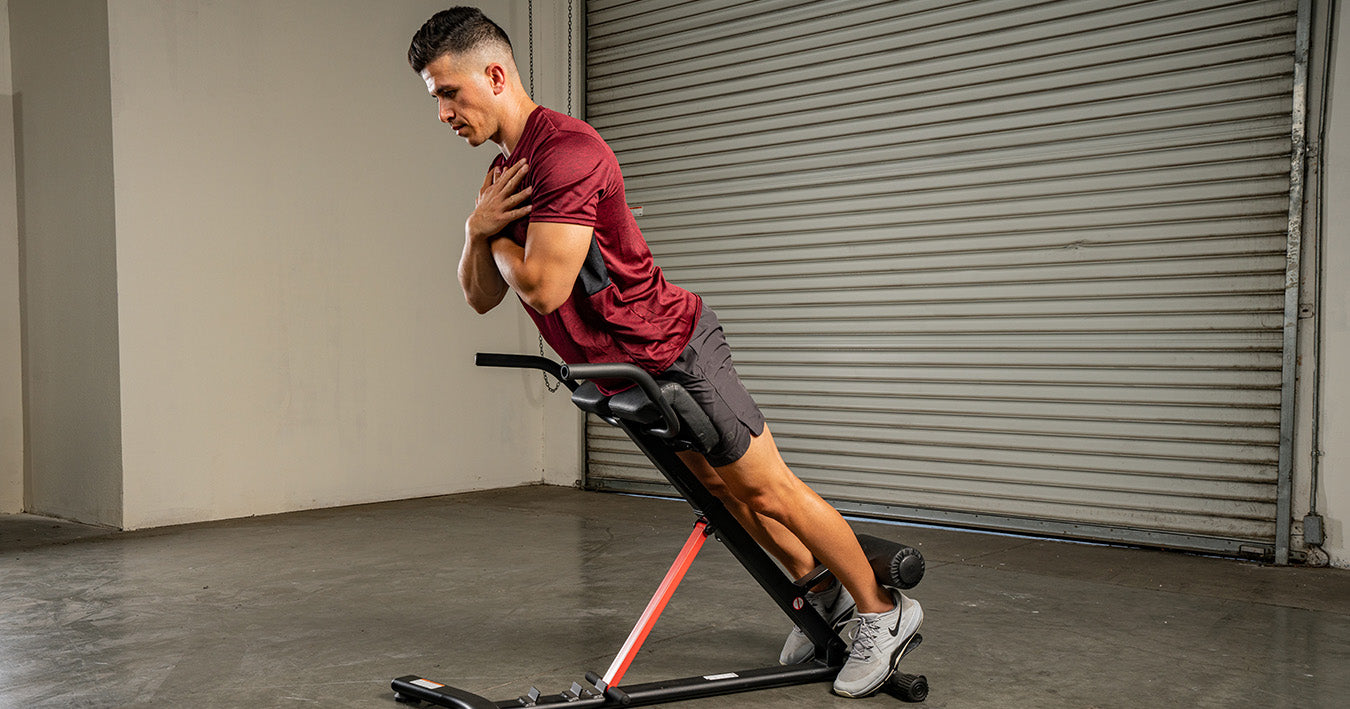
The Roman chair has a simple but strong design. It usually has a padded seat and supports for the legs. This design keeps the body stable during exercises. It allows users to bend at the waist safely. The main function is to target the lower back, glutes, and hamstrings. It also helps improve posture and balance.
Common Exercise Types
Several exercises can be done on a Roman chair. The most common is the back extension. It strengthens the lower back and reduces pain. Another exercise is the side bend, which targets the obliques. Some use it for sit-ups to work the abs. These exercises build strength without heavy weights. They are often gentle enough for rehab use.

Benefits For Rehabilitation
Roman chairs offer clear benefits for rehabilitation exercises. They help rebuild strength safely and improve body control. These tools support gradual recovery through focused movements. Using Roman chairs can enhance muscle function and balance after injury.
Safe use encourages steady progress in healing. They allow controlled motion that avoids strain. This makes them good for many rehab programs. Their design supports proper posture and muscle use.
Targeted Muscle Strengthening
Roman chairs focus on specific muscle groups. They target the lower back, glutes, and hamstrings. This helps improve strength in weak areas. Strengthening these muscles supports injury recovery. Controlled exercises reduce risk of further damage. Focused muscle work speeds up healing.
Rehab patients can build muscle evenly. This prevents imbalances that cause pain. The device isolates muscles with precise movements. It allows gradual load increase over time. This careful approach suits rehab needs well.
Improved Core Stability
Core stability is vital for injury prevention. Roman chairs help strengthen the abdominal and back muscles. A strong core supports the spine and pelvis. This reduces stress on injured areas. Improved stability aids better posture and movement.
Using Roman chairs enhances balance and control. It trains muscles to work together efficiently. This helps patients regain normal function. Better core strength lowers risk of new injuries. Rehab exercises with these tools promote lasting recovery.
Potential Risks And Limitations
Roman chairs can help strengthen the back and core. Yet, they have some risks and limits. Knowing these helps avoid injury and supports safe rehab exercises.
Strain On Lower Back
Roman chairs put pressure on the lower back muscles. Overuse may cause pain or worsen existing problems. Poor form increases the risk of injury. People must use caution and proper technique to protect their spine.
Not Suitable For All Injuries
Roman chairs do not fit every rehab need. Some injuries require gentle or different exercises. Using them too soon can delay healing. A doctor or therapist should approve their use in rehab plans.
Expert Recommendations
Experts say Roman chairs can help strengthen the back and core during rehab. Proper use and guidance are key to avoid injury. They suit some rehab plans but not all.
When To Use Roman Chairs
Experts suggest using Roman chairs carefully during rehabilitation. They are helpful for strengthening the lower back and core muscles.
Only use Roman chairs after a healthcare provider approves. Starting too soon can cause more harm than good. These chairs work best once pain has reduced and movement improves.
Always follow a guided program. Avoid heavy or fast movements. Focus on slow, controlled exercises to build strength safely.
Alternative Rehabilitation Tools
Physical therapists often recommend other tools for rehab before Roman chairs. Resistance bands, stability balls, and foam rollers are common options.
These alternatives help improve flexibility, balance, and muscle control gently. They reduce the risk of injury during recovery.
Using a mix of tools can give better results. Each tool targets different muscles and movement skills. This variety supports a well-rounded rehab plan.
Safe Practice Tips
Using Roman chairs for rehabilitation can be effective if done safely. Following safety tips reduces the risk of injury. It also helps the body heal properly. Focus on key areas like form and progression.
Proper Form And Technique
Maintaining proper form is essential during exercises. Keep your back straight and core tight. Avoid arching or twisting your spine. Controlled movements protect muscles and joints. Use slow, steady motions to prevent strain. Ask a trainer or therapist for guidance. They can correct your posture and technique.
Gradual Progression
Start with easy exercises and low intensity. Increase difficulty and time gradually. This approach helps muscles adapt and grow stronger. Avoid pushing too hard too soon. Rest days are important for recovery. Tracking progress can motivate and guide adjustments. Patience leads to better, safer results.
Frequently Asked Questions
What Is A Roman Chair Used For In Rehabilitation?
A Roman chair helps strengthen lower back and core muscles. It supports spinal stability, improving posture and reducing injury risk during rehab exercises.
Can Beginners Safely Use Roman Chairs For Rehab?
Yes, beginners can use Roman chairs safely with proper guidance. Start with low intensity and focus on correct form to avoid strain.
Which Muscles Do Roman Chairs Target During Rehab?
Roman chairs primarily target lower back, glutes, and hamstrings. They also engage core muscles, aiding overall body stability and balance.
Are Roman Chairs Better Than Other Rehab Equipment?
Roman chairs offer unique benefits for back and core rehab. They complement other tools but are not necessarily better or worse, depending on needs.
Conclusion
Roman chairs can help with certain rehab exercises safely. They strengthen core and back muscles effectively. Always start slow and listen to your body’s signals. Consult a healthcare expert before trying new workouts. Proper form matters to avoid injury or strain.
Use the Roman chair as part of a balanced routine. Small steps lead to steady recovery and better strength. Stay patient and consistent for best results. The right approach makes Roman chairs a useful rehab tool.