
Are you ready to strengthen your core and build a powerful lower back? Roman chair exercises are one of the best ways to do just that.
But if you don’t perform them the right way, you risk injury and won’t get the results you want. This guide will show you exactly how to do Roman chair exercises safely and effectively. By the time you finish reading, you’ll know the key moves and tips to protect your body while maximizing every rep.

Today's Exclusive Deals
Limited-time Exclusive Deals. Check current discount on Amazon.
Check Price on Amazon As an Amazon Associate I earn from qualifying purchases.Let’s dive in and make sure your workout works for you—not against you.

Choosing The Right Roman Chair
Choosing the right Roman chair is key for safe and effective workouts. The right equipment supports your body and helps prevent injury. It also makes exercises more comfortable and effective. Understanding different types and features helps you pick the best one for your needs.
Types Of Roman Chairs
Roman chairs vary in design and function. Some focus on back extensions only. Others allow exercises for abs and glutes too. There are fixed and adjustable models. Fixed ones are stable but less flexible. Adjustable chairs adapt to different heights and angles. Choose based on the exercises you want to do.
Features To Look For
Look for sturdy frames made of steel or strong metal. Comfortable padding protects your hips and legs. Non-slip footrests keep you secure during workouts. Adjustable height settings help fit your body size. A chair that folds saves space at home. Check for smooth adjustments and solid locking mechanisms.
Setting Up Your Equipment
Place the Roman chair on a flat, stable surface. Ensure there is enough room around for movement. Adjust the height so your hips rest comfortably on the pad. Your feet must be locked firmly under footrests. Tighten all bolts and screws before starting exercises. Test stability with gentle pressure first.
Preparing Your Body
Preparing your body before starting Roman chair exercises is very important. It helps prevent injuries and improves your workout performance. Taking time to warm up, stretch, and wear the right clothes makes your exercise safer and more effective.
Warm-up Exercises
Start with light activities to increase your heart rate. Marching in place or gentle jogging works well. Do this for 5 to 10 minutes. Warming up helps your muscles get ready for more movement. It also improves blood flow and reduces stiffness.
Stretching Key Muscle Groups
Focus on muscles used in Roman chair exercises. Stretch your lower back, hamstrings, and hip flexors. Hold each stretch for 15 to 30 seconds. Stretching increases flexibility and lowers the risk of muscle strains. Avoid bouncing during stretches to prevent injury.
Proper Attire And Footwear
Wear comfortable clothes that allow free movement. Choose breathable fabrics to keep cool. Use shoes with good support and grip. Proper footwear stabilizes your feet and protects your joints. Avoid loose or slippery shoes to maintain balance during exercises.
Basic Roman Chair Moves
The Roman chair offers simple yet effective exercises for your core and lower back. Basic moves help build strength and improve posture. These exercises also protect your spine from injury when done right.
Start with gentle movements. Focus on controlled motions. Use slow and steady pace to avoid strain. Listen to your body and stop if you feel pain.
Back Extensions
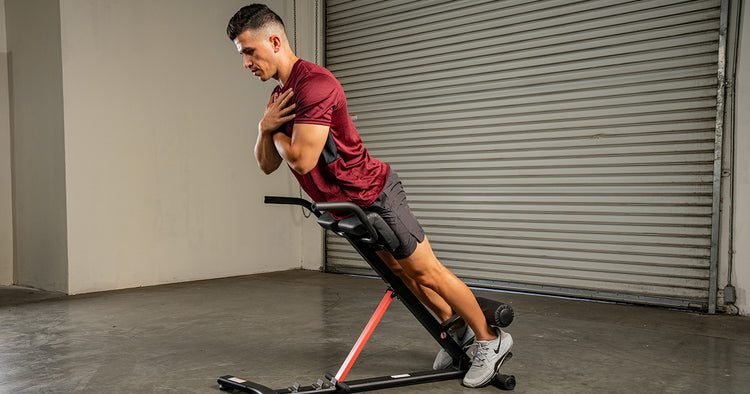
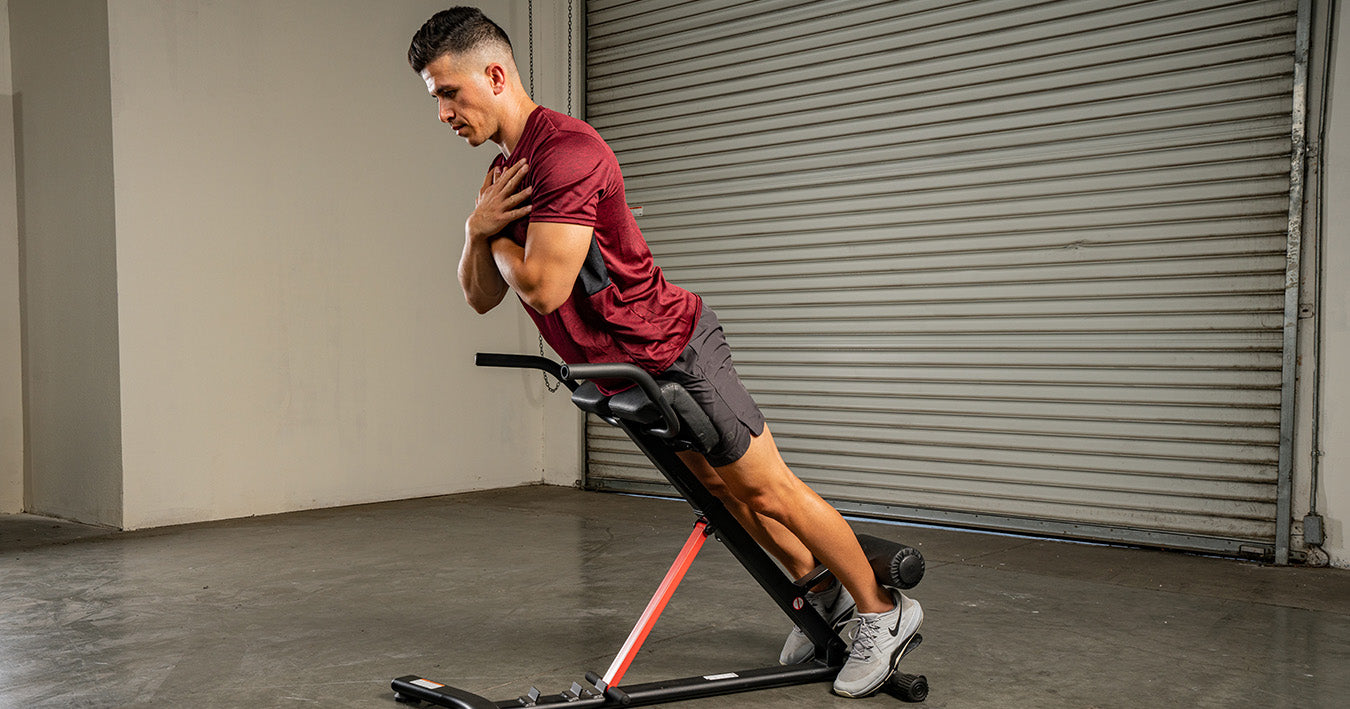
Position yourself face down on the Roman chair. Secure your feet under the foot pads. Cross your arms over your chest. Slowly bend forward at the hips. Keep your back straight. Raise your upper body until it is in line with your legs. Hold for a moment. Lower back down slowly. Repeat for desired reps.
Side Bends
Sit sideways on the Roman chair. Lock your feet under the foot pads. Place your hands behind your head or across your chest. Slowly bend your torso to one side. Keep your hips steady. Return to the starting position. Switch sides and repeat. This move strengthens your oblique muscles.
Sit-ups On Roman Chair
Sit on the Roman chair with your feet secured. Cross your arms over your chest or behind your head. Lean back slowly until your upper body is near horizontal. Use your core muscles to sit back up. Avoid using momentum. Keep movements smooth and controlled. Repeat for a set number of repetitions.
Maintaining Proper Form
Maintaining proper form during Roman chair exercises is key for safety and effectiveness. Poor form can cause injury or reduce benefits. Focus on posture, movement control, and breathing. These elements work together to protect your body and improve results.
Spine Alignment
Keep your spine straight and neutral throughout the exercise. Avoid arching or rounding your back. Imagine a straight line from your head to your tailbone. This alignment protects your lower back from strain. Engage your core muscles to support the spine.
Controlled Movements
Move slowly and with purpose. Avoid fast or jerky motions. Control each phase of the exercise, both going down and up. This control helps target the right muscles. It also lowers the risk of injury. Focus on smooth and steady movements every time.
Breathing Techniques
Breathe deeply and steadily during the exercise. Inhale as you lower your body. Exhale as you lift back up. Proper breathing helps maintain rhythm and stability. It also supplies oxygen to your muscles. Never hold your breath while exercising.
Avoiding Common Mistakes
Performing Roman chair exercises correctly helps build strong muscles and avoids injury. Many people make common mistakes that reduce benefits and cause pain. Knowing these errors helps you train safely and get better results.
Overextending The Back
Do not bend your back too far during the exercise. Overextension strains your spine and muscles. Keep your movements controlled and stop when your body feels straight. Stretch only within a comfortable range to protect your lower back.
Using Momentum Instead Of Muscle
Relying on fast, swinging motions wastes effort and risks injury. Use your muscles to lift and lower slowly. Controlled movements build strength better than quick, jerky ones. Focus on slow, steady motions for safer and more effective workouts.
Ignoring Pain Signals
Pain is your body’s way of warning about problems. Do not push through sharp or lasting pain. Stop the exercise and rest if you feel discomfort. Listening to your body prevents injuries and helps you progress safely.
Progressing Safely
Progressing safely in Roman chair exercises helps avoid injury and improves strength steadily. Gradual changes allow your muscles and joints to adapt. This keeps your workout effective and comfortable.
Increasing Repetitions And Sets
Start by adding a few more repetitions each session. Add one or two reps to challenge your muscles gently. After some time, increase the number of sets. This builds endurance without overloading your body.
Adding Resistance
Use light weights or resistance bands to add difficulty. Hold a small weight close to your chest while performing the exercise. Increase resistance slowly as your muscles grow stronger. Avoid heavy weights at first to prevent strain.
Incorporating Variations
Try different Roman chair positions to work various muscles. For example, change the angle of your body or the movement range. Variations keep workouts interesting and target muscles differently. Change exercises gradually to maintain safety.
Recovery And Injury Prevention
Recovery and injury prevention are vital for safe Roman chair exercises. They help your muscles heal and reduce pain. Proper care after workouts improves strength and stops injuries from happening. Follow simple steps to care for your body well.
Cooling Down
Cooling down lowers your heart rate after exercise. Walk slowly or do light movements for five minutes. This helps your blood flow and stops stiffness. Cooling down prepares your muscles to rest and recover.
Stretching Post-workout
Stretching after exercises keeps your muscles flexible. Focus on your lower back, hips, and legs. Hold each stretch for 20 to 30 seconds without bouncing. Stretching reduces tightness and helps your body relax.
When To Rest Or Seek Help
Rest if you feel sharp pain or soreness lasting days. Avoid pushing through serious discomfort. See a doctor if pain stops daily activities or worsens. Early care prevents small injuries from becoming big problems.
Frequently Asked Questions
What Muscles Do Roman Chair Exercises Target Effectively?
Roman chair exercises primarily target the lower back, glutes, and hamstrings. They also engage the core muscles. These exercises strengthen the posterior chain, improving posture and stability. Consistent practice enhances muscle endurance and reduces injury risk in daily activities and sports.
How Do I Maintain Proper Form On A Roman Chair?
Keep your back straight and core engaged throughout the movement. Avoid hyperextending or bending your neck. Move slowly and control your motion to prevent strain. Proper alignment ensures maximum benefit and reduces injury risk during Roman chair exercises.
How Many Reps And Sets Are Safe For Beginners?
Start with 2 to 3 sets of 10 to 12 reps. Rest for 30 to 60 seconds between sets. Gradually increase reps as strength improves. Listening to your body prevents overtraining and promotes safe progress with Roman chair exercises.
Can Roman Chair Exercises Help With Lower Back Pain?
Yes, they strengthen the lower back muscles, which support the spine. Strengthening these muscles can reduce pain and improve posture. However, consult a healthcare professional before starting if you have existing back issues. Proper technique is crucial for safety.
Conclusion
Performing Roman chair exercises safely protects your back and builds strength. Focus on slow, controlled movements to avoid injury. Keep your body aligned and do not overextend. Start with fewer repetitions and increase gradually. Always listen to your body’s signals.
Consistency matters more than speed or heavy load. This approach helps you improve steadily and stay safe. Regular practice will make your muscles stronger and more flexible. Stay patient and enjoy the progress you make each day. Safe exercise leads to better results and fewer setbacks.

