Are you struggling with a weak lower back or want to boost your core strength safely? You might have heard about the hyperextension bench as a tool to target those hard-to-reach muscles.
But can it really help strengthen your lower back and protect you from pain or injury? If you’re curious whether this equipment is worth adding to your workout, keep reading. By the end of this article, you’ll understand how a hyperextension bench works and whether it’s the right choice to build a stronger, healthier back for you.

Today's Exclusive Deals
Limited-time Exclusive Deals. Check current discount on Amazon.
Check Price on Amazon As an Amazon Associate I earn from qualifying purchases.
Benefits Of Hyperextension Benches
Hyperextension benches offer many benefits for strengthening the lower back. They focus on key muscles that support the spine. Using this bench regularly helps build a stronger, more stable core. This equipment suits beginners and advanced users alike. It encourages proper movement and reduces strain on other body parts.
Targeting Lower Back Muscles
Hyperextension benches isolate the lower back muscles effectively. They allow controlled bending and extending motions. This action directly works the erector spinae, the main muscle group along the spine. Strengthening these muscles improves endurance and reduces fatigue during daily activities. Consistent training also helps relieve tension in the lower back region.
Improving Core Stability
Core stability depends on strong lower back muscles. The hyperextension bench engages not only the back but also the abs and hips. This creates a balanced workout for the entire core area. Better core stability improves balance and movement control. It supports a strong foundation for all physical tasks and exercises.
Today's Exclusive Deals
Limited-time Exclusive Deals. Check current discount on Amazon.
Check Price on Amazon As an Amazon Associate I earn from qualifying purchases.Enhancing Posture
Good posture requires strong spinal support. Hyperextension exercises help straighten the spine and reduce slouching. Strengthening the back muscles pulls the shoulders back naturally. Over time, this helps maintain an upright and healthy posture. Improved posture reduces discomfort and boosts confidence.
Reducing Risk Of Injury
Strong lower back muscles protect the spine during lifting and bending. Using a hyperextension bench builds resilience in these muscles. It lowers the chance of strains and sprains from sudden movements. A stronger back also supports the body during sports and daily chores. This reduces long-term injury risks and promotes overall well-being.

How Hyperextension Exercises Work
Hyperextension exercises target the lower back muscles by using controlled bending and straightening movements. These movements help build strength and stability in the lower back. The exercises involve lifting and lowering the upper body while keeping the hips fixed. This action works the muscles that support the spine and improve posture.
Muscle Groups Engaged
The main muscles worked during hyperextension exercises are the erector spinae. These muscles run along the spine and help keep it straight. The glutes and hamstrings also play a role by assisting in hip extension. The core muscles engage to stabilize the body during the exercise. This combination strengthens the lower back and reduces injury risk.
Today's Exclusive Deals
Limited-time Exclusive Deals. Check current discount on Amazon.
Check Price on Amazon As an Amazon Associate I earn from qualifying purchases.Movement Mechanics
Start by locking your hips on the bench pad. Slowly bend at the waist, lowering your upper body toward the floor. Keep your back straight and avoid rounding the spine. Raise your torso back up until it aligns with your legs. Perform the movement in a slow, controlled manner. Proper form is key to avoid strain and get the best results.
Variations Of Hyperextension
There are several variations to target different muscles or increase difficulty. The classic hyperextension uses body weight only. Adding weights like a plate or dumbbell increases resistance. Side hyperextensions focus on the oblique muscles along the sides of your torso. Another option is the reverse hyperextension, which moves the legs instead of the upper body. Each variation offers unique benefits and challenges.
Comparing Hyperextension Benches To Other Equipment
Comparing hyperextension benches to other fitness tools helps find the best option. Each tool targets the lower back differently. Choosing the right equipment depends on comfort, support, and exercise variety.
Versus Stability Ball
A stability ball offers a flexible surface for back exercises. It requires more balance and core strength. Hyperextension benches provide fixed support and better spine alignment. The bench reduces the risk of injury during lower back workouts.
Versus Roman Chair
Roman chairs look similar to hyperextension benches but vary slightly. Roman chairs allow a wider range of motion for back extensions. They often include footrests and handles for added stability. Hyperextension benches focus more on controlled movement and support.
Versus Free Weights
Free weights build strength through dynamic movements. They engage multiple muscles, including the lower back. Hyperextension benches isolate the lower back muscles more effectively. Using both can improve overall strength and muscle balance.
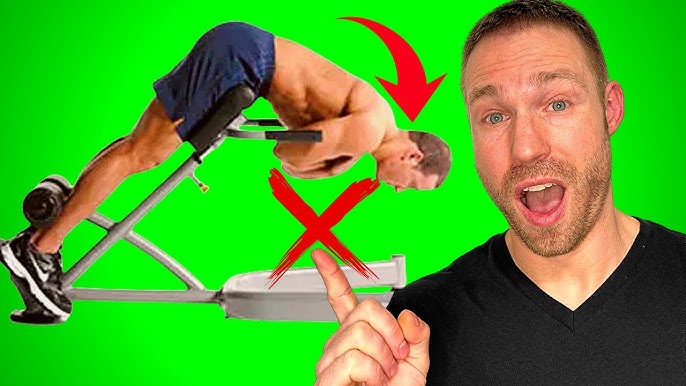
Using Hyperextension Benches Safely
Using a hyperextension bench safely is key to strengthening lower back muscles without injury. This equipment targets the lower back, glutes, and hamstrings. Proper use helps build muscle and improve posture. Incorrect use may cause strain or pain. Follow clear steps to stay safe and get the most benefit.
Proper Form Tips
Keep your body straight from head to heels. Avoid arching or rounding your back. Cross your arms over your chest or place hands behind your head. Lower your upper body slowly until you feel a stretch. Raise your torso back up using your lower back muscles. Move in a controlled way. Breathe steadily throughout the exercise.
Common Mistakes To Avoid
Do not use momentum to swing your body up. Avoid hyperextending your back past a straight line. Do not lock your knees or hips. Keep your movements slow and steady. Do not hold your breath. Avoid overtraining by giving muscles time to recover. Stop if you feel sharp pain or discomfort.
Recommended Sets And Reps
Start with 2 to 3 sets per workout. Each set should have 10 to 15 reps. Rest for 30 to 60 seconds between sets. Increase reps or sets as your strength improves. Use body weight before adding extra resistance. Consistency is better than doing too much at once.
Additional Benefits Beyond Lower Back Strength
The hyperextension bench is often known for strengthening lower back muscles. Yet, its benefits extend beyond just that. Using this bench can improve your body’s overall health and function. It offers many advantages that support fitness and daily life.
Improved Flexibility
The hyperextension bench helps stretch your hips and spine. This stretch increases your range of motion. Better flexibility reduces the risk of injuries. It also helps your muscles recover faster after workouts. Regular use of the bench makes your body more agile and less stiff.
Better Athletic Performance
Strong lower back muscles improve your balance and stability. These qualities are important for many sports. Using the hyperextension bench builds core strength that supports powerful movements. Athletes can jump higher, run faster, and change direction more easily. This bench helps enhance overall athletic ability.
Support For Everyday Activities
Everyday tasks like lifting, bending, and standing need a strong back. The hyperextension bench strengthens muscles that protect your spine. This support reduces pain and fatigue during daily chores. It helps maintain good posture and prevents back strain. Simple activities become easier and safer with a strong lower back.
Frequently Asked Questions
Can A Hyperextension Bench Improve Lower Back Strength?
Yes, a hyperextension bench targets and strengthens lower back muscles. It helps build endurance and stability effectively when used consistently.
How Often Should I Use A Hyperextension Bench?
Using the bench 2-3 times per week is ideal. This frequency allows muscle recovery and gradual strength improvements without overtraining.
Are Hyperextension Exercises Safe For Lower Back Pain?
When done with proper form, hyperextensions are generally safe. However, consult a healthcare professional if you have existing lower back issues.
What Muscles Do Hyperextension Benches Primarily Work?
They mainly target the erector spinae muscles along the lower back. Secondary muscles include glutes and hamstrings, supporting overall back strength.
Conclusion
A hyperextension bench can help build strong lower back muscles. It targets key muscles that support your spine. Using it regularly may reduce back pain and improve posture. Always start slow and use proper form to avoid injury. Combine with other exercises for best results.
Stay consistent and patient with your workouts. Strong back muscles help with daily activities and prevent problems. Try adding the hyperextension bench to your routine today. Small steps lead to big strength gains.