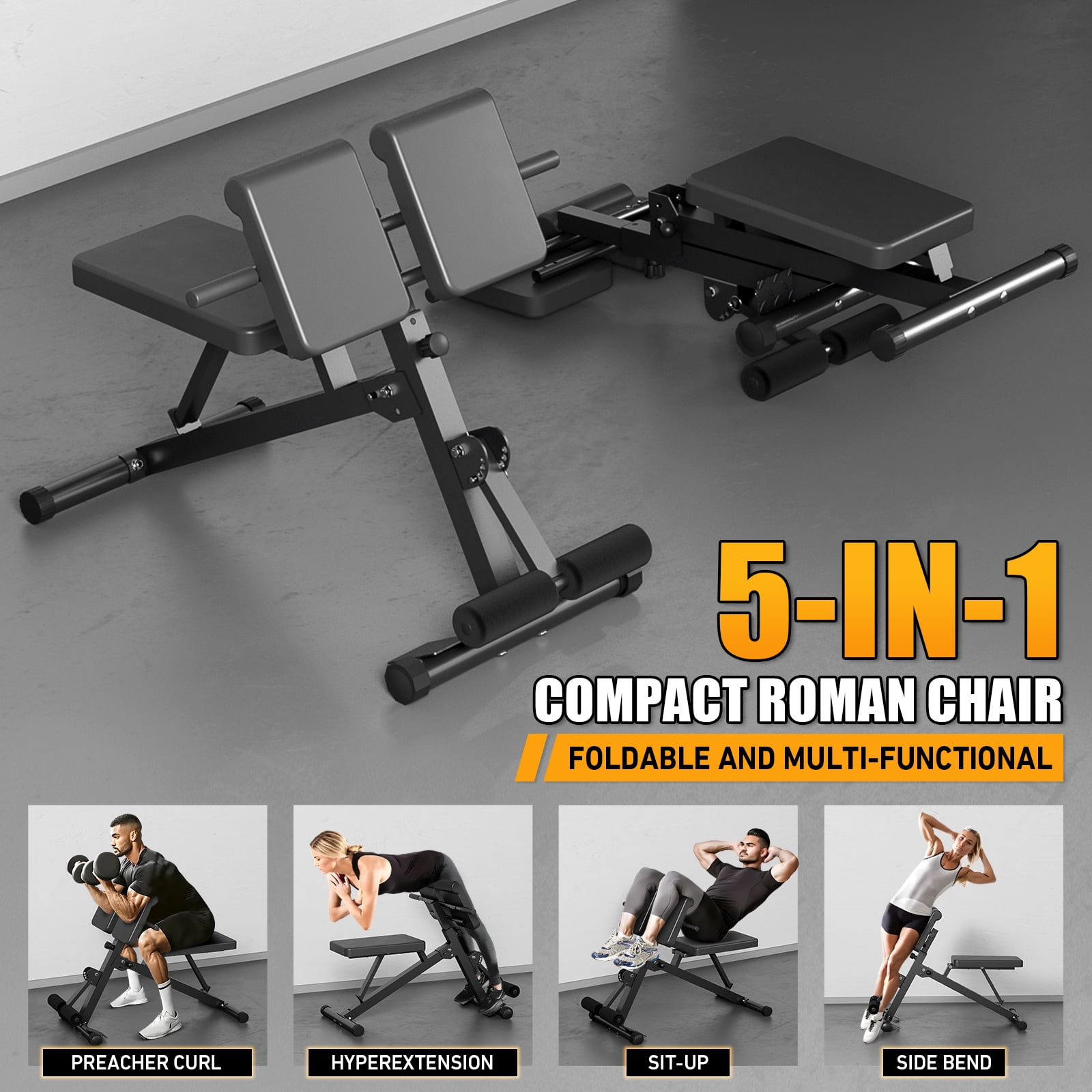
Have you ever wondered if using a hyperextension bench will disturb your workout space with annoying noises? If you’re considering adding one to your home gym, it’s natural to worry about whether it will creak, squeak, or make loud sounds that break your focus.
You want smooth, quiet workouts that help you stay in the zone—not distractions that pull you out of it. You’ll discover what really causes noise during use, how to spot a quality bench, and simple tips to keep your sessions peaceful and effective.
Today's Exclusive Deals
Limited-time Exclusive Deals. Check current discount on Amazon.
Check Price on Amazon As an Amazon Associate I earn from qualifying purchases.Keep reading to find out how to enjoy your hyperextension bench without the noise hassle.
Common Sources Of Noise
Hyperextension benches can sometimes produce noise during use. Understanding the common sources of this noise helps reduce distractions. Many noises come from simple issues that are easy to fix. Knowing where the noise comes from improves your workout experience.
Material And Build Quality
The materials used affect bench noise a lot. Cheap metals and plastics tend to creak or squeak. A bench made with sturdy steel or solid wood stays quieter. The quality of padding and covers also matters. Soft, dense foam reduces noise from body movement. Low-quality materials wear out faster and cause more noise.
Loose Bolts And Joints
Loose bolts are a common noise source. Over time, bolts and screws can loosen with movement. This causes rattling or clicking sounds during exercise. Regularly check and tighten all bolts and screws. Securing joints firmly stops most of the noise. Proper maintenance keeps the bench quiet and safe.
Floor Surface Impact
The floor surface below the bench affects noise levels. Hard floors like wood or tile amplify sounds. Noise can come from the bench shifting or vibrating. Use a rubber mat or carpet under the bench. This cushions impact and lowers noise. A stable, non-slip surface reduces bench movement and sound.
How Noise Affects Workout Experience
Noise plays a big role in how people enjoy their workouts. Loud or unexpected sounds can break focus and cause stress. Quiet equipment helps maintain a calm and steady exercise flow. This section explores how noise from hyperextension benches affects users in different settings.
Distraction Levels
Noise from benches can distract users during exercises. Squeaks or creaks may interrupt concentration. This can reduce workout quality and increase frustration. Quiet benches help users stay focused on form and breathing. Less distraction leads to better results and safer workouts.
Impact On Home Gyms
Home gyms need quieter equipment to avoid disturbing family members. Noisy benches can create tension or complaints. Silent or low-noise benches fit better in small spaces. They allow users to work out anytime without worries. Quiet equipment makes home workouts more pleasant and consistent.
Noise In Commercial Gyms
Commercial gyms have many machines and users close together. Loud benches add to the overall noise and chaos. This can make the gym feel less inviting and stressful. Gyms benefit from quieter benches to improve the atmosphere. A peaceful environment helps users enjoy their time and return often.
Tips To Reduce Noise
Reducing noise from a hyperextension bench improves your workout experience. Quiet equipment helps you focus better and avoids disturbing others nearby. Small changes can make a big difference in noise levels. Follow these simple tips to keep your bench silent during use.
Regular Maintenance
Check your hyperextension bench often. Look for loose bolts or worn parts. Clean the bench to remove dust and dirt. A clean bench works smoothly and quietly. Regular care stops noise before it starts.
Using Mats And Padding
Place a thick mat under the bench. Mats absorb sound and reduce vibrations. Add extra padding where your body touches the bench. This softens impact noises during workouts. Mats and padding are easy noise fixers.
Tightening And Lubricating Parts
Loose parts cause creaks and squeaks. Tighten all screws and bolts regularly. Apply lubricant to moving joints and hinges. Lubrication helps parts move quietly and smoothly. This simple step cuts down annoying sounds.
Choosing Quiet Hyperextension Benches
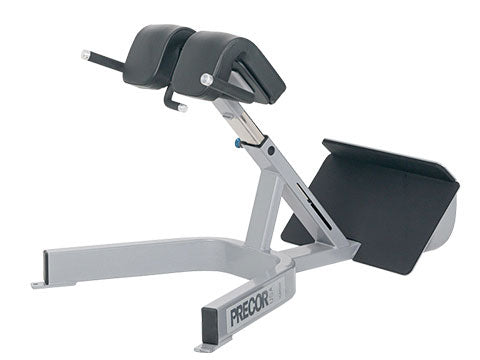
Choosing quiet hyperextension benches matters for a peaceful workout. Loud benches can distract or annoy. A quiet bench keeps focus and comfort high. Knowing what to check helps find the best fit. Consider design, materials, and build quality. These factors affect noise during use.
Features To Look For
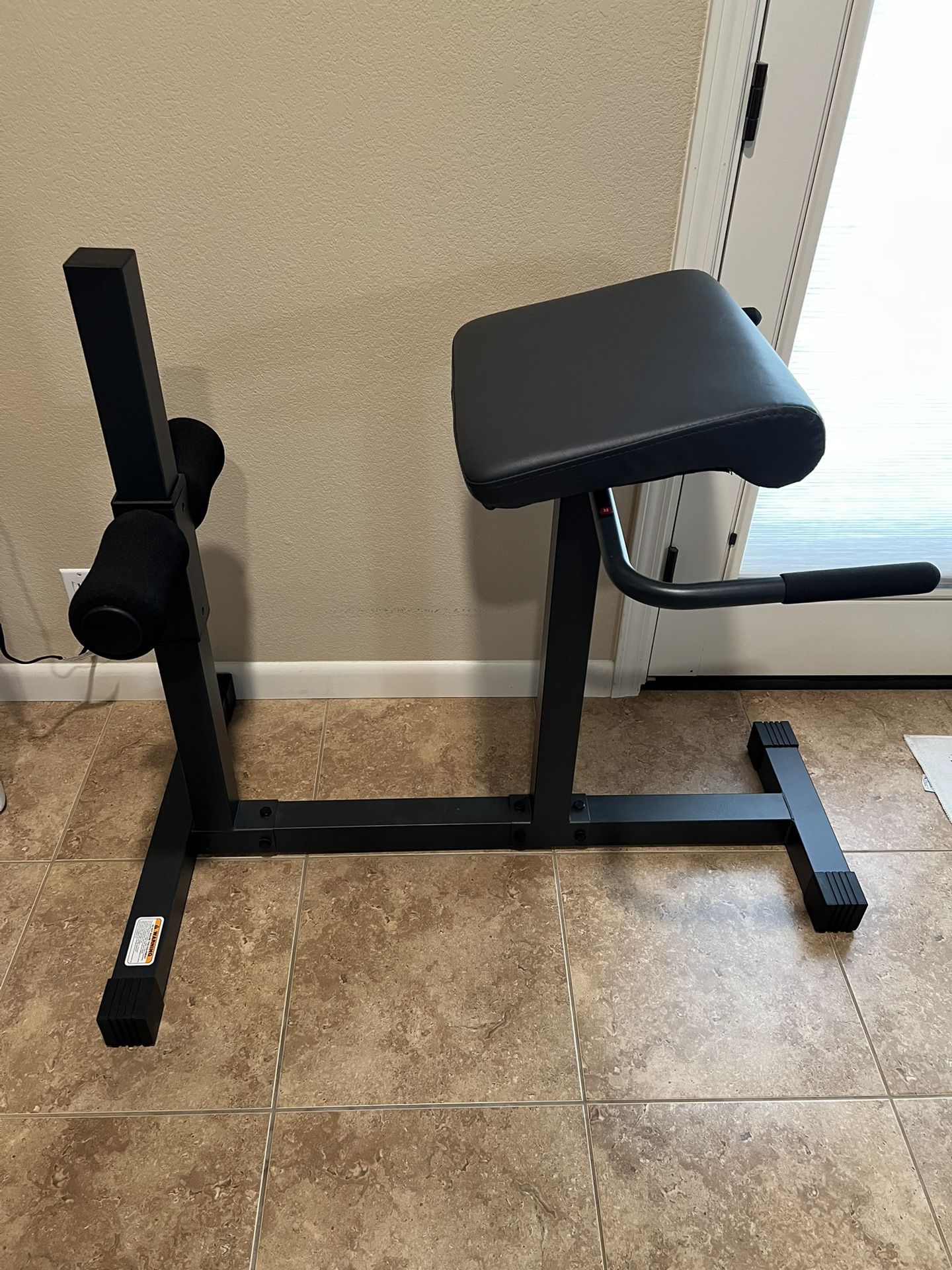
Look for benches with solid frames. Steel or heavy-duty metal reduces creaks and shakes. Check for smooth, well-fitted joints. Loose parts cause noise when moving. Cushioned pads absorb sound and add comfort. Adjustable parts should move quietly and lock firmly. Non-slip feet keep the bench stable. Stability lowers noise from shifting or wobbling.
Recommended Brands
Brands known for quality often build quieter benches. Some names have a reputation for durability and silence. They use better materials and precise engineering. Brands like Body-Solid, Rogue Fitness, and Titan Fitness offer quiet models. These companies focus on user experience. Their benches usually have less noise during workouts.
User Reviews And Feedback
Reading user reviews reveals real noise levels. Many buyers mention if the bench squeaks or rattles. Reviews highlight long-term performance and noise issues. Look for consistent praise on quiet operation. Negative feedback often points out noisy parts or loose fittings. User experiences help avoid noisy benches. They guide toward models that stay silent over time.
Frequently Asked Questions
Are Hyperextension Benches Typically Noisy During Workouts?
Hyperextension benches may produce slight noise from metal parts or movement. Quality models often minimize sound for smooth, quiet use.
What Causes Noise In Hyperextension Benches?
Noise usually comes from loose bolts, worn joints, or lack of lubrication. Regular maintenance can reduce or eliminate these sounds.
Can Noise From Hyperextension Benches Affect Workout Focus?
Yes, excessive noise can distract users. Choosing well-built benches and maintaining them ensures quieter sessions and better concentration.
How To Reduce Noise When Using A Hyperextension Bench?
Tighten screws, lubricate moving parts, and place the bench on a soft surface. These steps significantly reduce operational noise.
Conclusion
Hyperextension benches generally produce little noise during use. Most sounds come from moving parts or floor contact. Proper maintenance helps keep noise levels low. Using a mat under the bench can reduce noise too. Quiet workouts make exercising more enjoyable for everyone.
Choosing a quality bench also minimizes creaks and squeaks. So, noise should not stop you from using these benches. Enjoy your workout with confidence and comfort.