Are you tired of slouching and dealing with back pain? Your posture affects more than just how you look—it impacts your confidence, comfort, and even your health.
What if a simple piece of equipment could help you stand taller and feel stronger? Hyperextension benches might be the key to improving your posture, but how do they work? Keep reading to discover how using a hyperextension bench can make a real difference in your daily life and help you move with ease.

Today's Exclusive Deals
Limited-time Exclusive Deals. Check current discount on Amazon.
Check Price on Amazon As an Amazon Associate I earn from qualifying purchases.How Hyperextension Benches Work
Hyperextension benches help strengthen your lower back and core muscles. They support your body while you perform controlled bending and extending movements. These exercises improve muscle strength and support good posture. Using the bench regularly can reduce back pain and stiffness.
The bench design guides your body through safe movements. It keeps your spine aligned and prevents injury. You work muscles that are often weak or neglected in daily activities. This helps balance your posture and reduces slouching.
Design And Features
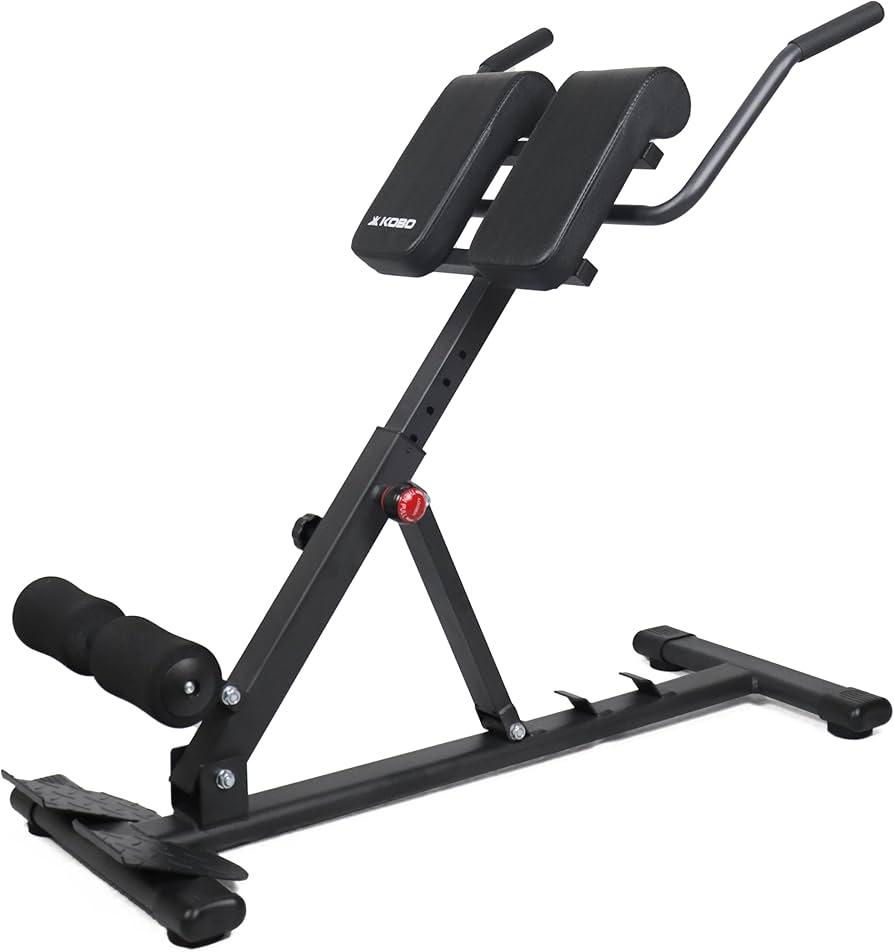
The bench has a padded support for your hips and thighs. It holds your body steady during exercises. Adjustable height settings fit different body sizes. Footrests keep your legs secure and stable. The bench frame is sturdy to support your weight safely. Its simple design makes it easy to use at home or the gym.
Targeted Muscle Groups
Hyperextension benches focus on the lower back muscles. They also engage the glutes and hamstrings. Your core muscles work to keep you balanced. Strengthening these groups helps maintain a straight spine. It reduces strain on the neck and shoulders. Stronger muscles improve your overall posture and movement.
Posture Problems And Causes
Poor posture affects many people today. Sitting long hours and poor habits cause posture problems. These problems often start with weak muscles and wrong body positions. Understanding common posture issues helps to know why they happen. Knowing the impact of weak back muscles shows how to improve posture effectively.
Common Posture Issues
Slouching is one of the most common posture problems. It causes the shoulders to round forward and the head to lean down. Another issue is a swayback, where the lower back curves too much. These problems can cause pain in the neck, shoulders, and back. Over time, poor posture may lead to stiffness and discomfort.
Impact Of Weak Back Muscles
Weak back muscles cannot support the spine well. This causes the body to lean forward or slouch. Without strong muscles, the spine loses its natural shape. Weak muscles increase the risk of back pain and injury. Strengthening these muscles helps keep the body upright and reduces pain. Exercises using hyperextension benches target these muscles well.
Benefits For Posture Improvement
Improving posture is important for overall health and comfort. Hyperextension benches offer specific benefits that target posture problems. These benches help strengthen muscles and correct imbalances. The focus is on key areas that support the spine and body alignment.
Strengthening The Lower Back
Hyperextension benches focus on the lower back muscles. Strong lower back muscles support the spine better. This support helps reduce slouching and back pain. Regular use builds endurance in these muscles. It also helps maintain an upright posture throughout the day.
Enhancing Core Stability
The core includes muscles around the stomach and lower back. Hyperextension exercises engage the core deeply. A stable core keeps the body balanced and steady. This stability prevents poor posture caused by weak muscles. It also helps with movements that require control and strength.
Reducing Muscle Imbalances
Muscle imbalances often cause poor posture. Some muscles become stronger while others stay weak. Hyperextension benches help correct these imbalances. They target weaker muscles to bring balance. Balanced muscles support the spine evenly. This balance reduces strain and improves posture naturally.
Using Hyperextension Benches Safely
Using hyperextension benches safely is key to improving posture without injury. These benches help strengthen back muscles but require care. Poor use can cause strain or pain. Follow simple steps to protect your body and get the best results.
Proper Form And Technique
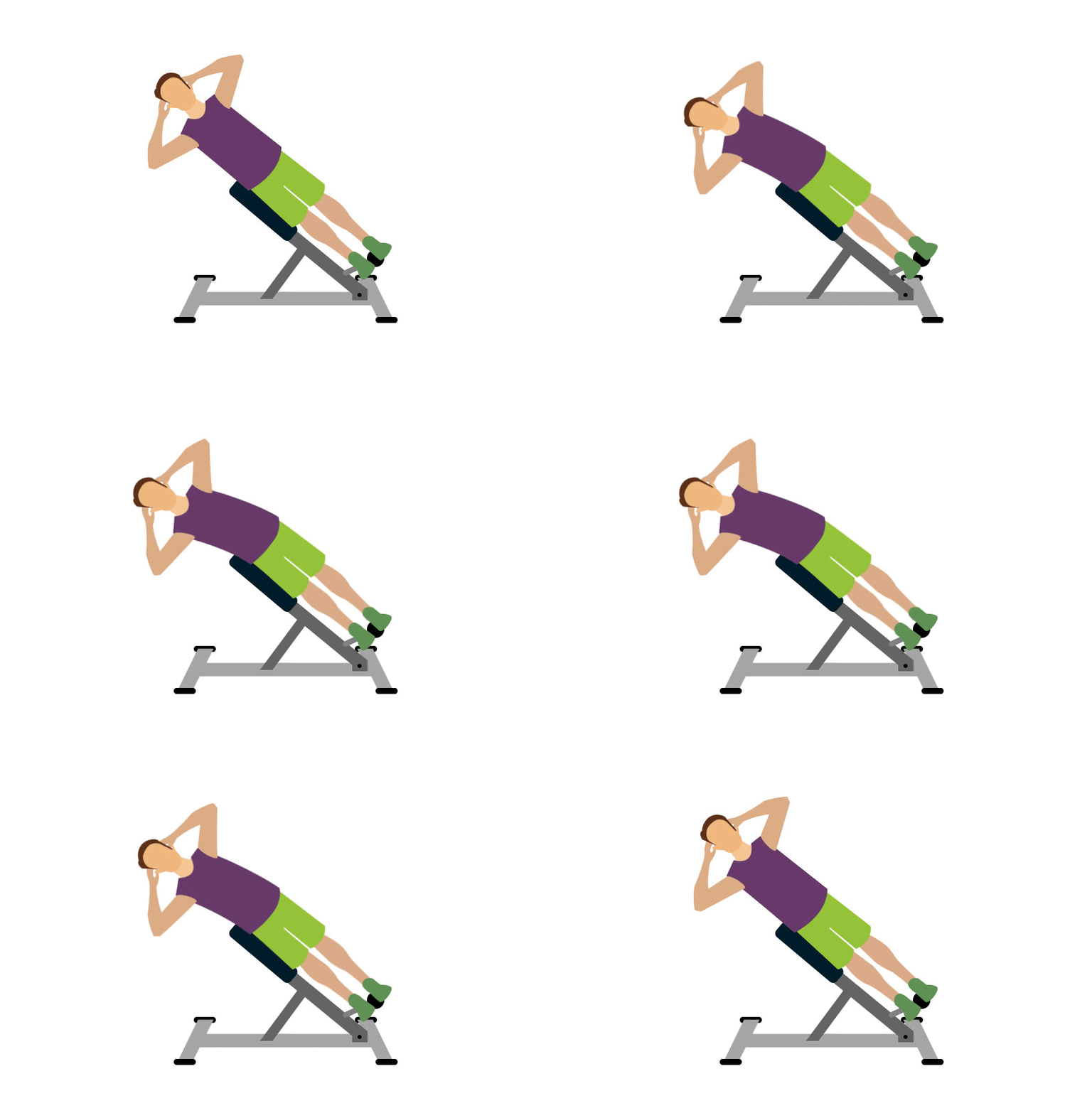
Start by adjusting the bench to fit your height. Your hips should rest just above the pad. Keep your body straight and your neck neutral. Slowly lower your upper body toward the floor. Stop when you feel a stretch in your lower back. Raise your body back up without overextending. Control your movements to avoid jerking or bouncing. Keep your core tight to support your spine.
Avoiding Common Mistakes
Do not arch your back too far. Overextending can cause injury. Avoid bending your neck up or down. This adds stress to your spine. Do not use momentum to lift your body. It reduces muscle engagement and risks harm. Start with a few slow repetitions. Increase reps and sets as strength builds. Stop if you feel sharp pain or discomfort.
Incorporating Hyperextension Exercises
Hyperextension exercises target the lower back and core muscles. These muscles support your spine and help improve posture. Using a hyperextension bench allows controlled movement and better focus on these areas.
Adding hyperextension exercises to your routine can strengthen weak muscles. Stronger muscles reduce slouching and promote a straighter back. Consistency is key to see real posture benefits.
Sample Workout Routines
Start with 2 sets of 10 slow hyperextensions. Rest for 30 seconds between sets. Keep your movements smooth and controlled. Avoid bending too far to protect your spine.
Try mixing hyperextensions with planks and bridges. These exercises work together to build core strength. Aim for 3 sessions per week for best results.
Frequency And Progression Tips
Begin with 2 to 3 sessions weekly. Increase sessions as your muscles get stronger. Add 1 to 2 more reps every week.
Focus on form before increasing intensity. Avoid rushing or using momentum. Gradually add light weights once comfortable with bodyweight moves.
Comparing Alternatives For Posture
Improving posture requires more than just one tool or method. Many options exist to strengthen the back and support good posture. Comparing these alternatives helps find the right fit for your needs. Each tool and exercise targets muscles differently. Choosing the best approach can lead to better results and less discomfort.
Other Back Strengthening Tools
Back extension benches focus on the lower back muscles. Other tools also help with posture by targeting various muscle groups. Resistance bands allow controlled, gentle movements that build strength. Stability balls engage core muscles and improve balance. Foam rollers ease muscle tension and improve flexibility. Each tool offers unique benefits for posture support.
Complementary Exercises
Exercise variety helps improve posture faster. Core exercises like planks and bridges strengthen the muscles around your spine. Stretching tight muscles in the chest and shoulders opens the upper body. Yoga and Pilates combine strength and flexibility for better posture. Regular movement and consistent practice create lasting changes in posture.

Frequently Asked Questions
What Are Hyperextension Benches Used For?
Hyperextension benches target lower back, glutes, and hamstrings. They strengthen muscles that support spinal alignment. This helps improve posture and reduces back pain risks.
Can Hyperextension Benches Correct Poor Posture?
Yes, they help strengthen the core and lower back muscles. Strong muscles support the spine better, reducing slouching and promoting an upright posture.
How Often Should I Use A Hyperextension Bench?
Using it 2-3 times a week is ideal. Consistent use builds muscle strength gradually without overtraining or injury risk.
Are Hyperextension Benches Safe For All Fitness Levels?
Yes, they are adjustable and suitable for beginners to advanced users. Proper technique is important to avoid strain or injury.
Conclusion
Hyperextension benches strengthen your lower back and core muscles. Strong muscles support your spine and help you stand straighter. Using the bench regularly can reduce slouching and improve posture over time. Remember to use the bench safely and follow proper form.
Combine this exercise with stretching and good daily habits. Small changes add up to better posture. Give your body time to adjust and grow stronger. Better posture means less pain and more confidence. Try adding hyperextension bench exercises to your routine today.