Are you dreaming of those sharp, chiseled 6 pack abs that turn heads everywhere you go? You might have heard that eating tons of protein is the secret to getting there.
But is a high protein diet really necessary to carve out those defined muscles? Understanding the truth can save you from wasting time and effort on the wrong approach. You’ll discover what role protein truly plays in building abs, and how to fuel your body the smart way to reach your goals faster.
Today's Exclusive Deals
Limited-time Exclusive Deals. Check current discount on Amazon.
Check Price on Amazon As an Amazon Associate I earn from qualifying purchases.Keep reading, because what you learn here could change everything about your fitness journey.
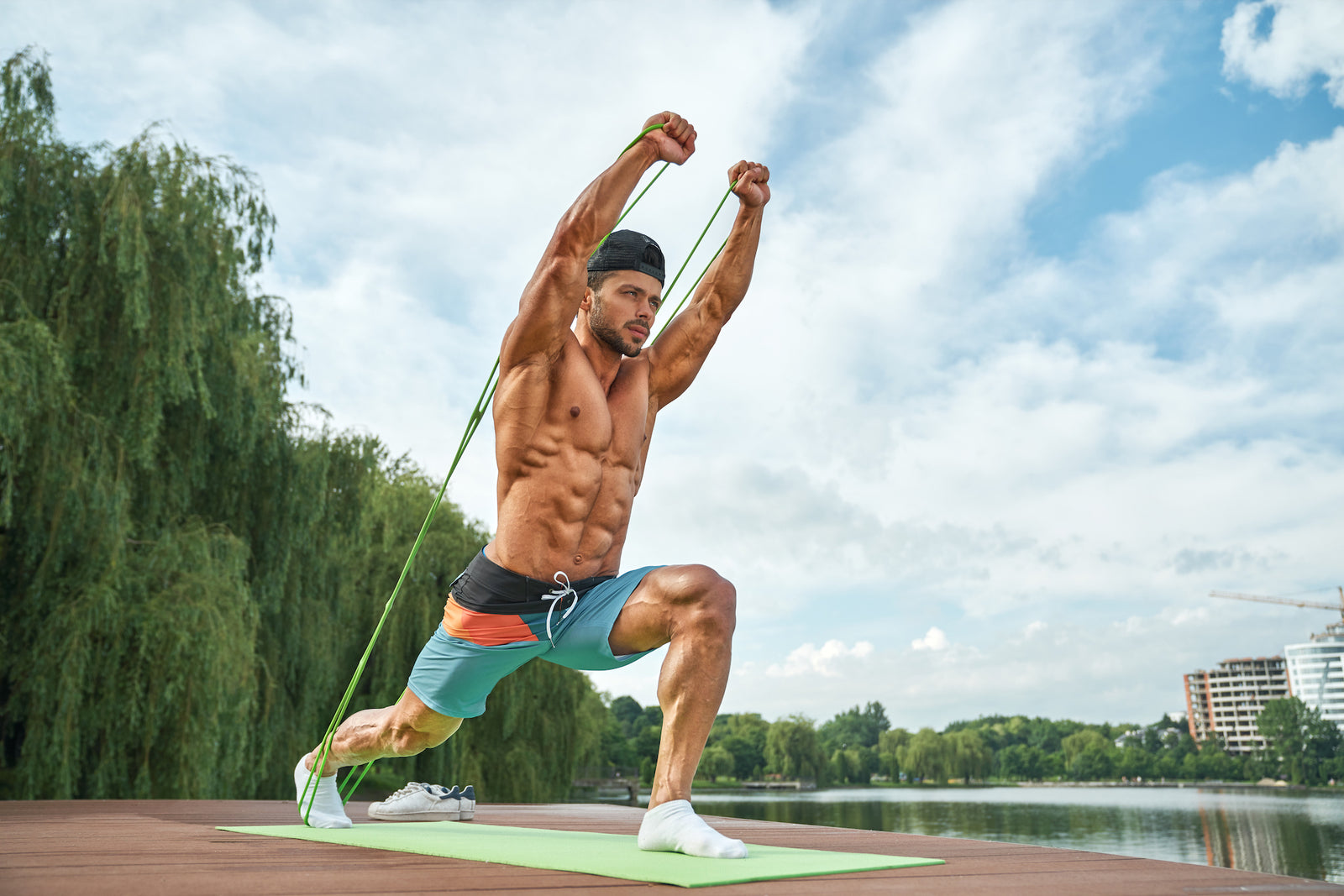
Role Of Protein In Muscle Building
Protein is important for building muscles. It provides the blocks needed to grow muscle tissue.
Eating enough protein helps your muscles get stronger and recover after exercise.
How Protein Supports Muscle Growth
Protein supplies amino acids that muscles need to grow. These acids are the building blocks of muscle fibers.
After exercise, muscles use these amino acids to repair and get bigger.
Protein And Muscle Repair
Exercise causes small tears in muscle fibers. Protein helps fix these tears quickly.
Eating protein after workouts reduces muscle soreness and speeds up recovery.
Recommended Protein Intake
Most people need about 0.8 grams of protein per kilogram of body weight daily.
For muscle building, 1.2 to 2.0 grams per kilogram is better. This helps muscles grow and repair well.
- Example: A 70 kg person should eat 84 to 140 grams of protein daily.
- Spread protein intake evenly across meals for best results.
- Include protein from meat, dairy, beans, or plants.
Factors Influencing Six-pack Development
Getting six-pack abs depends on many things. It is not just about eating protein or working out.
You must focus on body fat, exercises, and your genetics to see results.
Importance Of Body Fat Percentage
Low body fat is key to showing your abs. Even strong muscles will not show if covered by fat.
Most people need to reduce body fat below 15% for abs to appear clearly.
- Body fat hides muscle definition
- Reducing fat needs good diet and exercise
- Consistent calorie control helps lower fat
Role Of Core Exercises
Core exercises build and strengthen your abdominal muscles. Strong abs look better and work better.
Exercises like planks, crunches, and leg raises target different parts of the core.
- Planks improve overall core stability
- Crunches focus on upper abs
- Leg raises target lower abs
- Variety ensures balanced muscle growth
Genetics And Muscle Definition
Genetics affect how your muscles look and grow. Some people see abs faster than others.
Muscle shape, size, and how fat stores on your body vary from person to person.
- Genetics influence muscle shape
- Fat distribution depends on genetics
- Genetics can affect metabolism speed
- Effort still improves your abs
High Protein Diet Benefits And Risks
A high protein diet is often linked to building muscle and losing fat. Many people want six-pack abs and wonder if eating more protein is needed.
This diet has benefits but also some risks. It is important to understand both before making changes.
Advantages For Fat Loss
Protein helps you feel full longer. This can lower your calorie intake and help reduce fat.
Eating more protein can boost your metabolism. Your body uses more energy to digest protein than fats or carbs.
- Increases fullness and reduces hunger
- Boosts metabolism and calorie burning
- Preserves muscle during weight loss
Potential Health Concerns
Too much protein may strain your kidneys, especially if you have kidney problems. It can also cause dehydration if you do not drink enough water.
Some protein sources are high in saturated fat. Eating too much can increase heart disease risk.
- Kidney strain in sensitive individuals
- Dehydration risk without enough water
- High saturated fat from some protein foods
Balancing Macronutrients
Eating only protein is not enough for good health. You need a balance of carbs, fats, and protein for energy and body functions.
Include vegetables, fruits, and whole grains. These provide vitamins, minerals, and fiber that protein alone cannot offer.
- Combine protein with healthy carbs and fats
- Eat a variety of foods for nutrients
- Focus on whole foods, not just protein powders
Alternative Nutritional Approaches
Many people think a high protein diet is the only way to get six-pack abs. That is not true. Different foods can help build muscle and burn fat.
Choosing the right balance of nutrients can support your fitness goals. Let’s look at other ways to eat for six-pack abs.
Balanced Diet For Abs
A balanced diet includes protein, carbohydrates, and fats in the right amounts. It helps your body get energy and repair muscles.
Eating many types of healthy foods keeps your metabolism steady. It also prevents nutrient shortages that can slow progress.
- Include vegetables and fruits for vitamins and minerals
- Choose lean proteins like fish, chicken, or plant sources
- Add whole grains for fiber and steady energy
- Eat healthy fats from nuts, seeds, and olive oil
Carbohydrates And Fats Role
Carbohydrates provide energy for workouts and daily activities. Not all carbs are bad; whole grains and vegetables are good choices.
Fats help your body absorb vitamins and keep your hormones balanced. Healthy fats support muscle growth and fat loss.
- Choose complex carbs like oats, brown rice, and sweet potatoes
- Limit sugary and refined carbs that cause fat gain
- Include sources of omega-3 fats such as fish and flax seeds
- Avoid trans fats and overly processed fats
Meal Timing And Frequency
When you eat can affect your energy and fat loss. Eating smaller meals often may help control hunger and keep energy stable.
Some people find eating before and after workouts helps muscle recovery. Try to avoid long periods without food to keep metabolism active.
- Eat balanced meals every 3 to 4 hours
- Have a protein and carb meal before exercising
- Refuel with protein and carbs after workouts
- Stay hydrated throughout the day
Practical Tips For Achieving Six-pack Abs
Many people want six-pack abs and wonder if a high protein diet is needed. Building visible abs requires more than just eating protein.
This guide shares simple tips for workouts, diet, and staying consistent to help you get six-pack abs.
Effective Workout Strategies
Focus on exercises that work your core muscles well. Include both strength training and cardio for best results.
Try to train your abs 3-4 times per week. Use different exercises to target all abdominal areas.
- Planks for core stability
- Crunches and leg raises for upper and lower abs
- Bicycle crunches for obliques
- Cardio like running or cycling to burn fat
Diet Planning For Abs
A high protein diet helps muscle repair and growth but is not the only factor. Balance your meals with carbs and healthy fats.
Keep your calorie intake slightly lower than your daily burn to reduce fat and reveal your abs.
- Eat lean proteins like chicken, fish, and beans
- Include vegetables and fruits for fiber and vitamins
- Limit sugary and processed foods
- Drink plenty of water daily
Consistency And Patience
Getting six-pack abs takes time. Stay consistent with workouts and diet to see results.
Track your progress but avoid expecting quick changes. Small efforts add up over weeks and months.
- Set a regular workout schedule
- Prepare healthy meals in advance
- Rest well to recover muscles
- Keep motivated by focusing on health, not just looks


Frequently Asked Questions
Is A High Protein Diet Essential For Six-pack Abs?
A high protein diet supports muscle repair and growth, which helps reveal six-pack abs. However, overall calorie balance and fat loss are crucial too.
How Much Protein Is Needed For Visible Abs?
Aim for 1. 2 to 2. 2 grams of protein per kilogram of body weight daily. This supports muscle maintenance and fat reduction for abs visibility.
Can I Get Six-pack Abs Without High Protein Intake?
Yes, but it’s harder. Protein aids muscle growth and fat loss, so without enough protein, achieving defined abs may take longer.
Does Protein Help Reduce Belly Fat For Abs?
Protein boosts metabolism and reduces appetite, helping to lose belly fat. Lower belly fat is essential to reveal six-pack abs.
Conclusion
A high protein diet can support your 6 pack abs goal. It helps build and repair muscles. But balance is key. Eating only protein isn’t enough. Combine it with a good workout plan. Also, include healthy fats and carbs in your meals.
They give your body energy and nutrients. Remember, consistency is important. Stay patient and focused on your goals. Over time, you’ll see results. Listen to your body and adjust as needed. Always aim for a balanced approach to fitness. That way, you’ll be on the path to achieving strong, defined abs.