Thinking about setting up a home gym? You’re probably wondering if it’s really worth the money and effort.
What if having your own workout space could save you time, boost your motivation, and help you stay consistent? This article will help you weigh the real benefits and hidden downsides, so you can decide if investing in a home gym is the right move for you.

Today's Exclusive Deals
Limited-time Exclusive Deals. Check current discount on Amazon.
Check Price on Amazon As an Amazon Associate I earn from qualifying purchases.Keep reading—you might be closer to your fitness goals than you think.
Cost Comparison
Many people wonder if building a home gym is worth the money. It is important to compare the costs of a gym membership and a home gym. This helps make a smart choice.
We will look at the costs for gym memberships, starting a home gym, and savings over time. This shows the real value of each option.
Gym Membership Vs Home Gym
Gym memberships usually charge monthly or yearly fees. Home gyms have one-time costs to buy equipment. The total cost depends on what equipment you want.
- Gym membership: monthly fees, sometimes yearly contracts
- Home gym: upfront cost for equipment and space setup
- Gym fees can add up over time
- Home gym costs are mostly paid once
Initial Setup Expenses
Starting a home gym needs money for machines, weights, and mats. Some equipment is expensive but lasts many years. You may need to clear space or buy flooring.
Joining a gym usually has a sign-up fee and monthly payments. You do not have to buy or store equipment. The gym provides everything.
| Cost Type | Home Gym | Gym Membership |
|---|---|---|
| Equipment | $500 – $3000 | Included |
| Setup (space, flooring) | $100 – $500 | None |
| Sign-up Fee | None | $0 – $100 |
| Monthly Fee | None | $30 – $70 |
Long-term Savings
Over time, a home gym can save money. You pay once and use it many years. Gym fees add up and may cost more than a home gym in a few years.
Home gyms need little maintenance but no monthly fees. Gyms charge monthly and may increase prices. If you go often, a home gym may be cheaper.
- Home gym: one-time cost, lasts many years
- Gym membership: monthly fees add up
- Home gym has no travel costs
- Gym may have extra costs for classes or parking

Convenience And Accessibility
Having a home gym offers great convenience. You can exercise without leaving your house.
It makes working out easier to fit into your daily routine. This saves time and effort.
Workout Anytime
A home gym lets you exercise whenever you want. There are no set hours or busy times.
You can work out early in the morning or late at night. This fits your schedule perfectly.
No Travel Time
Going to a gym means driving or taking public transport. This takes extra time and effort.
With a home gym, you skip all travel. You can start your workout right after waking up.
- Save 30 minutes or more daily
- More time for family and work
- Reduce stress from commuting
Personalized Environment
Your home gym is your own space. You can set it up just how you like it.
You choose the music, lighting, and equipment. This makes workouts more enjoyable and relaxing.
Health And Wellness Impact
Investing in a home gym can change how you stay healthy. It makes exercising easier and fits your daily life.
Having gym equipment at home helps improve your body and mind. It supports a better lifestyle with less effort.
Consistency In Exercise
A home gym helps you exercise regularly. No need to travel or wait for machines.
Regular workouts improve strength and heart health. You can build a strong habit easily.
- Exercise anytime that fits your schedule
- Skip gym crowds and save time
- Keep a steady workout routine
Stress Reduction
Exercise at home helps reduce stress quickly. Physical activity releases chemicals that calm the brain.
Using your home gym after work or school can improve mood. It creates a peaceful break from daily worries.
- Work out to clear your mind
- Feel relaxed and more focused
- Use exercise as a healthy stress outlet
Family Fitness Opportunities
A home gym invites family members to join. It encourages everyone to move and stay active together.
Working out as a family builds good habits. It also creates fun moments and supports health for all ages.
- Motivate kids to enjoy physical activity
- Share fitness goals and progress
- Spend quality time while staying healthy
Equipment Choices
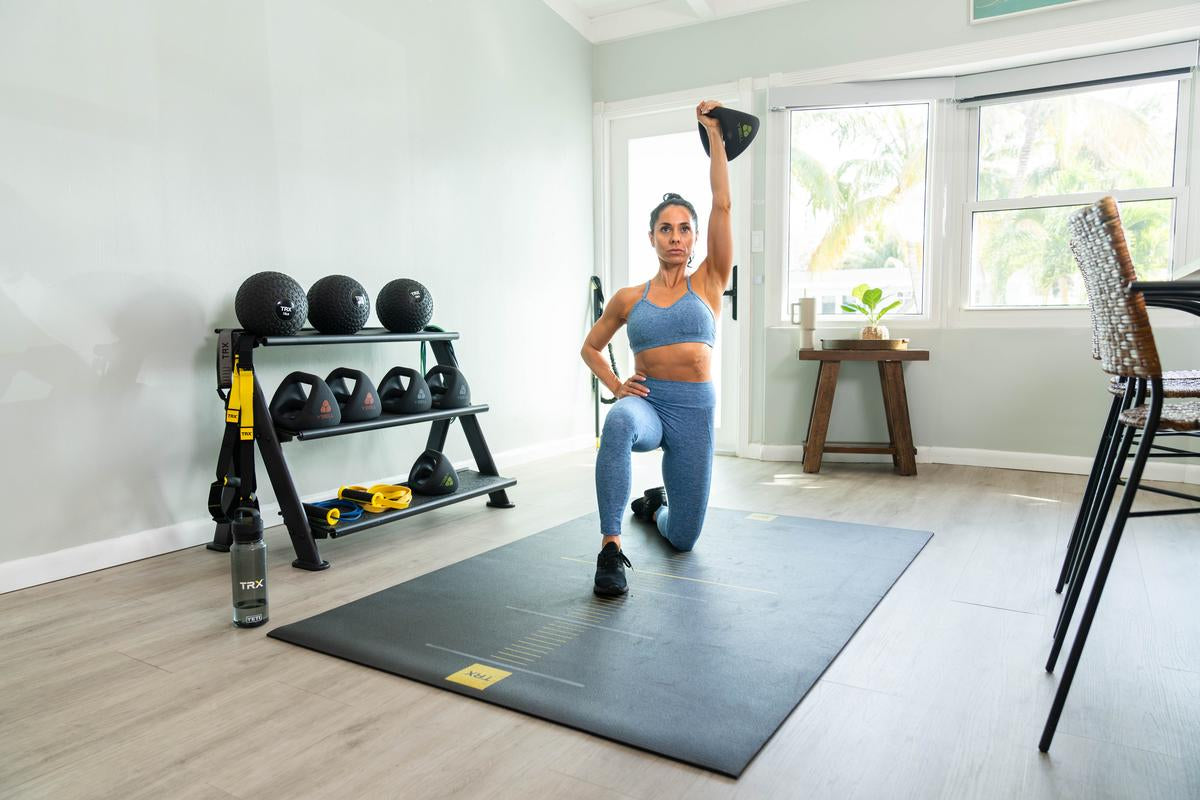
Building a home gym means choosing the right equipment. The gear you pick depends on your fitness goals and space.
Some equipment works well for beginners, while advanced gear suits experienced users. Space-saving items help in small areas.
Essential Gear For Beginners
Beginners need simple, easy-to-use equipment. These tools help build strength and improve fitness safely.
Start with items that cover different exercises. This way, you get a full-body workout at home.
- Dumbbells or adjustable weights
- Resistance bands
- Yoga mat or exercise mat
- Jump rope
- Stability ball
Advanced Equipment Options
Advanced users may want gear for heavier workouts and more variety. These tools help increase strength and endurance.
Some equipment offers more resistance and challenge. Choose items that match your workout style and goals.
- Barbell and weight plates
- Power rack or squat rack
- Adjustable bench
- Kettlebells
- Cardio machines like treadmills or rowers
Space-saving Solutions
Small spaces need equipment that is compact or foldable. This keeps your gym area neat and functional.
Look for items you can store easily or use for many exercises. This saves room and money.
- Foldable treadmill or bike
- Adjustable dumbbells
- Resistance bands instead of machines
- Wall-mounted racks
- Multi-use workout stations
Motivation And Discipline
Having a home gym can help you stay motivated. It gives you a private space to work out anytime.
Discipline is easier when your gym is close. You avoid excuses about travel or time.
Creating A Routine
Building a workout routine helps keep you on track. Set specific days and times for exercise.
Consistency grows habits. This makes working out part of your daily life.
- Choose workout days and times that fit your schedule
- Plan workouts ahead to stay focused
- Include rest days to avoid burnout
Avoiding Gym Crowds
A home gym lets you skip busy gyms. No waiting for machines or equipment.
You can work out when you want. This freedom helps you stay consistent.
- Exercise early in the morning or late at night
- Try different workout styles without distractions
- Enjoy privacy and focus on your goals
Tracking Progress
Tracking your workouts helps keep you motivated. You see how much you improve over time.
Use simple tools like a notebook or app. Record your exercises, sets, and reps.
- Write down your workout details after each session
- Set small goals to stay encouraged
- Review progress weekly to adjust your routine
Potential Drawbacks
Building a home gym can be a great idea for fitness lovers. Still, some problems might come up. It is good to know these before you start.
This section looks at some common issues people face with home gyms. These include costs, space, and social factors.
Upfront Costs
Setting up a home gym needs money at first. Equipment like weights, machines, and mats can be costly.
Even if you buy basic gear, prices add up fast. This can be a big burden for some budgets.
- Quality machines cost more
- Extra expenses for flooring or mirrors
- Maintenance adds to long-term costs
Space Limitations
Not everyone has enough room at home for a gym. Small spaces limit the type and amount of equipment.
Using a room as a gym can reduce space for other activities. This can affect your daily living comfort.
- Need a safe area to exercise
- Equipment may clutter rooms
- Limited space restricts workout options
Lack Of Social Interaction
Working out at home means you miss group classes and gym friends. This can make exercise less fun.
Some people feel less motivated without others around. Social support often helps keep fitness routines going.
- No trainer or workout partners nearby
- Miss out on group motivation
- Less chance to learn from others
Maximizing Your Investment
Building a home gym can save money and time. It lets you work out anytime you want.
To make the most of your home gym, you need to plan carefully. Pick the right gear, set goals, and keep it tidy.
Choosing The Right Equipment
Select equipment that fits your space and workout style. Avoid buying machines you will not use often.
Start with basics like dumbbells or resistance bands. Add more gear only if needed.
- Pick compact items for small spaces
- Choose versatile tools for many exercises
- Consider durability and ease of use
Setting Realistic Goals
Set clear and simple goals for your workouts. This helps you stay motivated and track progress.
Start with small targets like working out three times a week. Increase goals as you improve.
- Make goals specific and measurable
- Focus on consistency over intensity
- Adjust goals based on your schedule
Maintaining Your Gym
Keep your gym clean and organized. This makes workouts more enjoyable and equipment lasts longer.
Check your gear regularly for damage. Fix or replace broken parts to stay safe.
- Wipe down machines after use
- Store weights and tools properly
- Inspect cables and joints often

Frequently Asked Questions
Is Investing In A Home Gym Cost-effective?
A home gym saves long-term gym membership fees and travel costs. Initial equipment expenses vary but can be managed. It offers convenience, which encourages consistent workouts, potentially improving fitness and health outcomes.
What Are The Key Benefits Of A Home Gym?
A home gym provides flexibility, privacy, and time-saving workouts. It eliminates commute time and crowded spaces. You control equipment choice and workout environment, enhancing motivation and fitness consistency.
How Much Space Is Needed For A Home Gym?
A small area of 30 to 50 square feet can suffice. Basic equipment like mats, dumbbells, or resistance bands require minimal space. Larger setups need more room but can be adjusted to fit available space.
Can A Home Gym Suit All Fitness Levels?
Yes, a home gym can cater to beginners and advanced users. Equipment variety and workout plans can be customized. It supports strength, cardio, flexibility, and balance training for all fitness goals.
Conclusion
A home gym can be a valuable investment. It offers convenience. No more gym commutes or waiting for equipment. You can exercise anytime. Tailor workouts to your needs. Over time, it saves money on gym memberships. Plus, it fits your schedule.
You control your environment and music. Design it to suit your preferences. Space might be a concern. But even small areas work. Start simple and expand later. Consider your goals and budget. Investing in a home gym can enhance your fitness journey.
Make the choice that best supports your health and lifestyle.