
Are you looking to get stronger, fitter, and more flexible without leaving your home? Calisthenics might be exactly what you need.
But can you really do calisthenics in a home gym? The answer might surprise you. Whether you have a small corner or a fully equipped space, this article will show you how to make the most of your home gym for calisthenics.

Today's Exclusive Deals
Limited-time Exclusive Deals. Check current discount on Amazon.
Check Price on Amazon As an Amazon Associate I earn from qualifying purchases.By the end, you’ll know how to turn your home setup into a powerful fitness zone that works for your body and your goals. Keep reading to discover the secrets to mastering calisthenics right where you are.
Benefits Of Calisthenics At Home
Calisthenics is a type of exercise using your body weight. You can do it anywhere, including at home. A home gym is a great place to practice calisthenics.
This workout style has many benefits. It helps you stay fit without needing a lot of space or equipment.
Cost-effective Workout
Calisthenics uses your body weight, so you do not need expensive machines. You can save money by working out at home. No gym membership is required.
Minimal equipment like a pull-up bar or resistance bands can improve your workout. These tools are affordable and last a long time.
Flexibility And Convenience
Working out at home lets you exercise anytime. You do not need to travel to a gym. This saves time and fits your schedule better.
You can choose the exercises and rest as you want. This freedom helps you stay consistent with your fitness routine.
Full-body Strength Gains
Calisthenics exercises work many muscles at once. You build strength in your arms, legs, core, and back.
Regular practice improves your balance and coordination. These benefits support your overall health and daily activities.

Essential Equipment For Home Gym
Calisthenics is a great way to stay fit at home. You need some basic equipment for a home gym.
This equipment helps you do many exercises safely and effectively.
Pull-up Bars And Dip Stations
Pull-up bars let you work your back and arms by lifting your body. They fit in doorways or walls.
Dip stations help you build chest and tricep muscles by supporting your weight for dips.
- Choose sturdy bars that hold your weight
- Look for adjustable dip stations for different heights
- Check if installation is easy and secure
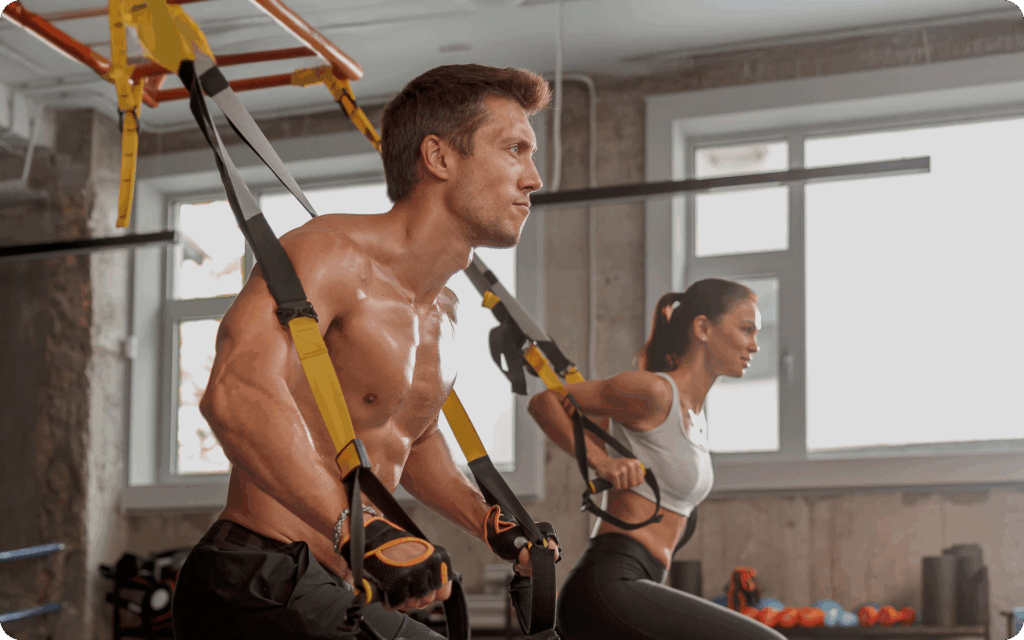
Resistance Bands And Rings
Resistance bands add extra challenge to your moves. They help with strength and flexibility.
Rings allow you to do many exercises with balance and control. They improve muscle coordination.
- Use bands with different resistance levels
- Choose durable rings with strong straps
- Mount rings on a pull-up bar or ceiling hook
Mats And Flooring Options
Mats protect your body and provide grip during workouts. They reduce injury risk on hard floors.
Good flooring absorbs impact and is easy to clean. It makes your home gym safe and comfortable.
- Choose thick mats for joint protection
- Consider foam or rubber flooring for shock absorption
- Pick non-slip materials to avoid accidents
Space Optimization Tips
Doing calisthenics at home needs smart use of space. You want enough room to move freely and keep gear organized.
Good planning helps keep your home gym safe and clutter-free. This way, you can focus on your workout without distractions.
Choosing The Right Room
Pick a room with enough open space for your exercises. Avoid crowded or narrow areas that limit movement.
Look for a room with good lighting and ventilation. This makes your workout more comfortable and inviting.
Storage Solutions For Gear
Use shelves and hooks to store your calisthenics gear off the floor. This keeps the space tidy and safe.
- Wall hooks for resistance bands and jump ropes
- Stackable bins for smaller items
- Foldable mats stored vertically
- Multi-use furniture with storage space
Keep your equipment easy to reach. This saves time and keeps your workout flow smooth.
Creating A Safe Workout Area
Clear the floor of any obstacles before you start. A clean space reduces the risk of injury.
Use non-slip mats to prevent falls. Make sure the floor surface is even and stable.
- Remove loose rugs and wires
- Keep water bottles and towels nearby
- Check that equipment is secure and stable
Beginner Calisthenics Routines
Calisthenics is a type of exercise using only your body weight. You can do it in a home gym without extra machines.
Starting with simple routines helps you build strength and confidence. This guide covers basics for beginners.
Bodyweight Basics
Bodyweight exercises use your own weight as resistance. They are easy to do anywhere, including your home gym.
Start with simple moves like push-ups, squats, and planks. These build a strong foundation for harder exercises.
- Push-ups help strengthen chest and arms
- Squats build leg and core muscles
- Planks improve core stability
- Jumping jacks increase your heart rate
Progressive Overload Techniques
Progressive overload means making exercises harder over time. This helps your muscles grow stronger.
You can increase difficulty by adding reps, sets, or changing the exercise angle. This challenges your body safely.
- Add more repetitions in each set
- Increase the number of sets per workout
- Slow down your movement for more control
- Try harder variations of exercises
Tracking Your Progress
Keep track of your workouts to see improvements. Writing down reps and sets helps you stay motivated.
Use a notebook or a fitness app to record your daily exercises. Check your progress every week to adjust your routine.
- Write down exercises done each day
- Note how many reps and sets you complete
- Record how you feel during workouts
- Review progress weekly to plan next steps
Advanced Moves To Try
Calisthenics offers many advanced moves for strength and skill. You can try these at home with the right setup.
These exercises challenge your body and improve balance, control, and power. Let’s explore some advanced moves.
Muscle-ups And Levers
Muscle-ups combine a pull-up and a dip in one fluid motion. They work your back, chest, and arms strongly.
Levers require holding your body straight and horizontal to the ground. This move builds core and shoulder strength.
- Start with pull-up and dip exercises for muscle-ups
- Practice front and back levers on a sturdy bar
- Keep your body tight and straight during levers
Planche And Handstand Training
The planche is a move where you hold your body parallel to the ground using only your hands. It needs great wrist and shoulder strength.
Handstands improve balance and arm strength. You can practice against a wall at first to build confidence and stability.
- Use parallettes or push-up bars to reduce wrist strain during planche training
- Start handstands by kicking up against a wall
- Work on balance by holding handstands for longer times
Combining Movements For Challenge
Combining moves like muscle-ups with levers or handstands makes workouts harder. This builds full-body strength and control.
You can create circuits that mix these exercises. This keeps your training interesting and tests your endurance.
- Try doing a muscle-up then hold a front lever
- Combine planche holds with handstand presses
- Use timed sets to increase workout intensity
Avoiding Common Pitfalls
Doing calisthenics in a home gym is a great way to stay fit. Some mistakes can slow progress or cause injury. Knowing these pitfalls helps you train safely.
This guide covers how to prevent injuries, keep motivation, and balance rest with training.
Preventing Injuries
Injuries happen when you push too hard or use bad form. Always warm up before starting exercises. Warming up prepares your muscles and joints.
Focus on proper technique. Use a mirror or record yourself to check form. Stop if you feel sharp pain. Rest and recover before trying again.
- Warm up with light cardio and stretches
- Perform exercises slowly and with control
- Use proper hand grips and body positions
- Take breaks if you feel tired or sore
- Seek advice if unsure about any move
Maintaining Motivation
Staying motivated at home can be tough. Set small goals you can reach each week. Celebrate your progress to keep going.
Try different exercises to keep workouts fun. Mix easy and hard moves. Track your workouts to see improvement.
- Create a daily or weekly workout plan
- Change exercises to avoid boredom
- Keep a journal of your workouts
- Invite a friend to join or check progress
- Reward yourself after reaching goals
Balancing Rest And Training
Rest is as important as exercise. Muscles grow and repair during rest. Without enough rest, you risk injury and burnout.
Plan rest days between intense workouts. Listen to your body and take extra breaks if needed. Sleep well to help recovery.
- Take at least one rest day per week
- Sleep 7 to 9 hours each night
- Use rest days for light stretching or walking
- Stop training if you feel very tired or sore
- Adjust workouts based on how you feel
Integrating Calisthenics With Other Workouts
Calisthenics is a great way to build strength using your body weight. You can easily add it to your home gym routine. Mixing calisthenics with other workouts helps you stay balanced and fit.
This combination can improve your endurance, power, and flexibility. It keeps your workouts interesting and effective.
Combining With Cardio
Adding cardio to calisthenics helps your heart stay healthy. You can do jumping jacks, running in place, or jump rope before or after calisthenics.
This mix boosts your energy and burns more calories. It also improves your stamina for longer workouts.
- Start with 5-10 minutes of light cardio
- Do calisthenics exercises like push-ups and squats
- End with 5 minutes of moderate cardio
Incorporating Weights
Using weights with calisthenics builds more muscle strength. You can add dumbbells or kettlebells for extra resistance.
Try holding weights while doing lunges or push-ups. This helps your muscles work harder and grow stronger.
- Use light weights to start safely
- Focus on form to avoid injury
- Increase weight gradually over time
Stretching And Mobility
Stretching after calisthenics keeps your muscles flexible. It lowers the chance of injury and reduces soreness.
Include mobility exercises like arm circles and leg swings. These moves improve your joint health and movement range.
- Stretch major muscles after workouts
- Use slow, controlled movements
- Hold each stretch for 15-30 seconds

Tracking Results And Adjusting Plans
Doing calisthenics in a home gym can be very effective. Tracking your progress helps you see how well you are doing.
Adjusting your workout plan keeps your routine challenging and helps you avoid plateaus.
Using Apps And Journals
Apps can help track exercises, sets, and reps easily. They also show your progress over time.
Keeping a journal lets you write down how you feel and what you accomplish each day.
- Record daily workouts
- Note improvements or challenges
- Track rest days and recovery
Setting Realistic Goals
Set small, clear goals that you can reach. This keeps you motivated and focused.
Goals can be about strength, flexibility, or how many reps you can do.
- Start with easy targets
- Increase difficulty slowly
- Celebrate small wins
Adapting To Progress
As you get stronger, change your exercises to stay challenged. Add more reps or try harder moves.
Listen to your body and rest when needed. Adjust plans if you feel tired or sore.
- Increase reps or sets
- Try new calisthenics moves
- Take rest days seriously
Frequently Asked Questions
Can I Do All Calisthenics Exercises At Home?
Yes, most calisthenics exercises require minimal space and no equipment. You can perform push-ups, pull-ups, squats, and planks easily at home.
What Equipment Is Best For A Home Calisthenics Gym?
A pull-up bar, resistance bands, and a sturdy mat are ideal. These tools enhance your workout variety and effectiveness at home.
How Much Space Do I Need For Calisthenics At Home?
A small area of about 6×6 feet is enough. This space allows for full-body movements without restriction or injury risk.
Can Calisthenics Build Muscle In A Home Gym?
Absolutely, calisthenics uses body weight for resistance. Consistent practice can increase strength, muscle tone, and endurance effectively at home.
Conclusion
Creating a home gym for calisthenics is both simple and effective. You need minimal equipment and space. Focus on exercises like push-ups, squats, and planks. These build strength without expensive machines. Consistency is key. Regular practice will improve your fitness.
Try different routines to keep things interesting. Adjust difficulty as you progress. Listen to your body and stay safe. Enjoy the flexibility of working out at home. Soon, you’ll see results. Embrace the journey to a healthier you. Calisthenics in your home gym is a practical choice.
Start today!

