Are you ready to boost your stamina without leaving your home? Training for endurance in a home gym might sound challenging, but it’s easier than you think.
You don’t need fancy equipment or hours of free time to build lasting energy and strength. You’ll discover simple, effective ways to train your body to keep going longer—whether for workouts, daily activities, or sports. Keep reading, and by the end, you’ll have a clear plan to increase your endurance right where you are.
Today's Exclusive Deals
Limited-time Exclusive Deals. Check current discount on Amazon.
Check Price on Amazon As an Amazon Associate I earn from qualifying purchases.
Setting Up A Home Gym For Endurance
Training for endurance at home requires the right space and tools. You can build stamina without going to a gym. Setting up a home gym helps you stay consistent and focused.
A good home gym has equipment that fits your goals. It also needs enough space and a nice atmosphere. These three parts make training easier and more fun.
Essential Equipment
Choose equipment that helps improve your stamina. Cardio machines work best for endurance. You can also use simple tools to add variety.
- Treadmill or stationary bike for steady cardio
- Jump rope for quick, high-intensity workouts
- Rowing machine for full-body endurance
- Resistance bands for strength and stamina
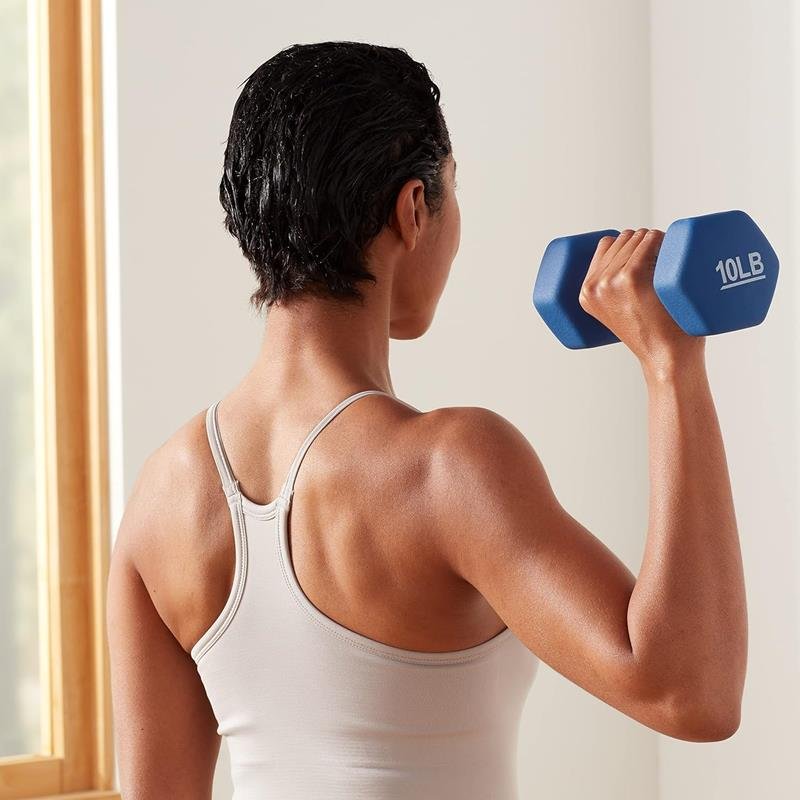
- Light dumbbells for muscle endurance
Start with basic items and add more as you progress. Focus on gear that suits your budget and space.
Optimizing Space
Use your available space smartly. Keep the area clear for safe movement. Organize equipment to avoid clutter and injury.
- Pick a quiet, well-ventilated spot
- Use wall hooks for bands and jump ropes
- Choose foldable or compact machines
- Use mats to protect floors and add grip
- Keep water and towels nearby
Good space management lets you train comfortably. It also saves time setting up before workouts.
Creating A Motivating Environment
Make your gym a place you want to use daily. Add elements that boost your mood and focus. A good vibe helps you keep going.
- Use bright lighting to stay alert
- Play upbeat music or podcasts
- Display motivational quotes or goals
- Keep the space clean and tidy
- Set a regular workout schedule
Personal touches make training more enjoyable. Your home gym should feel like a positive place.
Cardio Workouts For Endurance
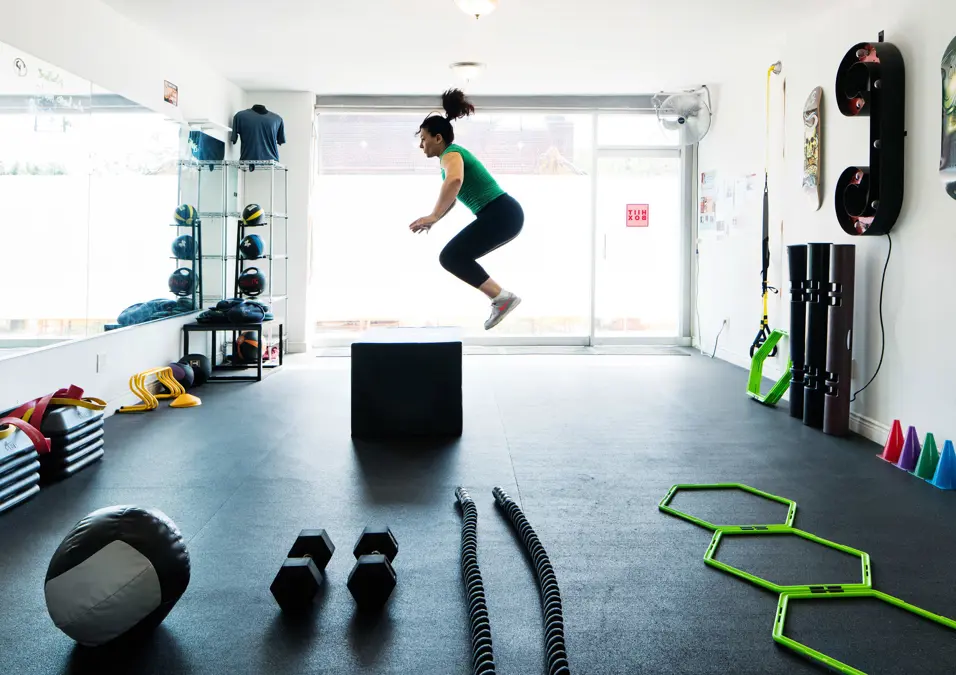
Building endurance helps your body work longer without getting tired. Cardio workouts are great for this. You can do them in your home gym.
Using simple equipment or bodyweight, you can improve your stamina. Here are some workouts to try at home.
Treadmill And Stationary Bike Routines
Treadmills and stationary bikes help you train your heart and lungs. Start with steady pace workouts. Increase time slowly to build endurance.
Mix walking, jogging, or cycling with rest periods. This keeps your workout balanced and effective for endurance.
- Begin with 20 minutes at a steady pace
- Add 2-3 minutes weekly to increase time
- Include short breaks to avoid burnout
- Use moderate resistance on the bike for better effort
Jump Rope And Bodyweight Cardio
Jump rope is simple and improves your heart rate fast. Bodyweight cardio, like jumping jacks or mountain climbers, boosts endurance too.
These exercises need no machines and use your body weight. They help your muscles and lungs work longer without tiring.
- Jump rope for 1-2 minutes, rest for 30 seconds
- Do jumping jacks for 30 seconds, then rest
- Try mountain climbers for 20-30 seconds per set
- Repeat sets 3-5 times to build stamina
High-intensity Interval Training (hiit)
HIIT mixes short bursts of hard exercise with rest. This trains your endurance and burns fat fast. It fits well in a home gym.
You can use a treadmill, bike, jump rope, or bodyweight moves for HIIT. Keep the hard parts short and rest fully between them.
- Work hard for 20-40 seconds
- Rest or slow down for 40-60 seconds
- Repeat 6-10 rounds per session
- Do HIIT 2-3 times a week for best results
Strength Training To Boost Endurance
Training for endurance at home can be simple and effective. Strength training helps improve your muscle stamina. It allows you to perform longer without getting tired.
Using light weights and body resistance builds endurance. This type of training strengthens your muscles and heart. It prepares your body for longer workouts or sports activities.
Light Weights With High Repetitions
Using light weights with many repetitions helps your muscles work longer. This trains your muscles to resist fatigue. It also improves blood flow and muscle endurance.
Choose weights that feel easy for 15 to 20 reps. Focus on controlled movements and proper form. Rest briefly between sets to keep your heart rate up.
- Use dumbbells or household items as weights
- Perform exercises like bicep curls, shoulder presses, and squats
- Do 3 to 4 sets of 15-20 repetitions
- Rest 30 seconds to 1 minute between sets
Circuit Training At Home
Circuit training mixes strength and cardio exercises in a sequence. It keeps your heart rate high while building muscle endurance. You can do circuits with bodyweight or light weights.
Set up stations with different exercises. Move quickly from one to the next. This style improves stamina and burns calories efficiently.
- Include push-ups, lunges, jumping jacks, and planks
- Use light weights for added resistance
- Do each exercise for 30-45 seconds
- Rest for 15-30 seconds between exercises
- Repeat the circuit 3-5 times
Using Resistance Bands
Resistance bands are great for home endurance training. They provide steady tension on muscles. This helps build strength and endurance without heavy weights.
You can do many exercises with bands. They work well for arms, legs, and core. Bands are easy to store and use anywhere.
- Try band squats, rows, chest presses, and leg lifts
- Perform 15-20 reps per set
- Complete 3-4 sets
- Use different band strengths to adjust difficulty
Flexibility And Recovery
Training for endurance in a home gym needs more than just hard work. Flexibility and recovery help your body stay strong. They reduce injury and improve performance.
Stretching, foam rolling, and good rest help your muscles recover. These habits keep you ready for the next workout.
Stretching Techniques
Stretching improves your range of motion and prevents stiffness. It helps your muscles stay flexible during endurance training.
Try to stretch after workouts and on rest days. Hold each stretch for 20 to 30 seconds without bouncing.
- Focus on major muscle groups like legs, hips, and back
- Use static stretches to relax muscles
- Try dynamic stretches before workouts to warm up
Foam Rolling And Massage
Foam rolling helps release tight muscles and reduce soreness. It works like a self-massage to improve blood flow.
Use a foam roller on sore areas for 1 to 2 minutes. Move slowly and stop on tight spots to release tension.
- Roll calves, quads, hamstrings, and back muscles
- Apply gentle pressure, avoid rolling on bones
- Massage helps muscles recover faster
Rest And Sleep Importance
Rest days let your muscles repair and grow stronger. Avoid training hard every day to prevent burnout.
Good sleep improves recovery and energy. Aim for 7 to 9 hours of sleep every night to boost endurance.
- Keep a regular sleep schedule
- Create a calm and dark sleep environment
- Avoid screens before bedtime
Tracking Progress And Staying Motivated
Training for endurance in a home gym can be challenging without clear tracking. Watching your progress helps you see results and keeps you motivated.
Staying motivated ensures you keep pushing yourself. Tracking your workouts and setting goals are key ways to stay on track.
Using Fitness Apps And Journals
Fitness apps help you record your workouts easily. They track time, distance, and calories burned during your endurance training.
Journals allow you to write down how you feel and what exercises you did. This helps you notice patterns and improvements over time.
- Record daily workout details
- Track changes in endurance levels
- Note energy and mood during sessions
- Review past entries to find progress
Setting Realistic Goals
Set clear and simple goals that you can reach. Small goals help you build confidence and keep training fun.
Break big goals into smaller steps. This makes it easier to see progress and stay motivated each day.
- Start with short workout times
- Increase duration gradually
- Set weekly or monthly targets
- Celebrate when you meet goals
Overcoming Plateaus
Plateaus happen when progress slows down. Changing your routine helps you break through these tough spots.
Try new exercises or increase intensity slowly. This keeps your body challenged and improves endurance.
- Adjust workout length or speed
- Include interval training
- Rest properly to avoid burnout
- Track changes to find what works
Nutrition Tips For Endurance Training
Endurance training needs good nutrition to keep your body strong. Eating the right foods helps you train longer and recover faster.
This guide covers hydration, balanced meals, and useful supplements to support your home gym workouts.
Hydration Strategies
Drinking enough water is key to staying active. Water helps your muscles work and prevents tiredness during workouts.
Drink water before, during, and after exercise to keep your body hydrated. Sports drinks can help if you exercise for over an hour.
- Start with a glass of water 30 minutes before training
- Take small sips every 15-20 minutes while exercising
- Drink a full glass of water after finishing your workout
- Use electrolyte drinks if training lasts longer than 60 minutes
Balanced Meals And Snacks
Eating balanced meals gives your body energy and nutrients. Focus on carbs, proteins, and healthy fats for endurance.
Choose snacks that fuel you without feeling heavy. Timing your meals around workouts helps you perform better.
- Eat carbs like rice, pasta, or oats for energy
- Include proteins such as chicken, beans, or eggs for muscle repair
- Add healthy fats like nuts, seeds, or avocado for lasting energy
- Snack on fruits or yogurt 30-60 minutes before training
- Have a protein-rich snack within an hour after exercise
Supplements To Consider
Supplements can support your endurance but do not replace real food. Choose simple options to help your training.
Talk to a doctor before starting any supplement to make sure it is safe for you.
- Electrolyte powders help replace minerals lost in sweat
- Protein powders support muscle recovery after workouts
- Beta-alanine may reduce muscle fatigue during long sessions
- Caffeine can boost focus and energy for short periods
- Iron supplements help if you have low iron levels and feel tired

Frequently Asked Questions
What Equipment Is Best For Endurance Training At Home?
Use a treadmill, stationary bike, or jump rope. These tools boost cardiovascular stamina effectively. Resistance bands and light weights also help improve muscular endurance.
How Often Should I Train For Endurance In A Home Gym?
Aim for 3 to 5 sessions per week. Consistency builds stamina gradually. Include rest days to allow muscle recovery and prevent burnout.
Can Bodyweight Exercises Improve Endurance At Home?
Yes, exercises like push-ups, squats, and planks enhance muscular and cardiovascular endurance. They require no equipment and can be done anywhere.
How Long Should Each Endurance Training Session Last?
Sessions should last between 30 to 60 minutes. Start with shorter workouts and increase time as your stamina improves. Balance intensity with duration for best results.
Conclusion
Training for endurance at home is simple and effective. Use basic equipment like dumbbells and resistance bands. Focus on exercises that boost your stamina. Consistency is key to seeing results. Create a weekly schedule and stick to it. Mix cardio and strength workouts for balance.
Listen to your body to avoid injury. Gradually increase workout intensity as you improve. Stay motivated by tracking your progress. Celebrate small wins to keep spirits high. With dedication, you’ll achieve endurance goals at home. Enjoy your fitness journey!