Thinking about building a home gym but worried about the cost? You’re not alone.
Many people hesitate because they assume it will break the bank. But what if you could create a workout space that fits your budget and still helps you reach your fitness goals? You’ll discover the real costs involved, smart ways to save money, and how to get the most value for every dollar you spend.
Today's Exclusive Deals
Limited-time Exclusive Deals. Check current discount on Amazon.
Check Price on Amazon As an Amazon Associate I earn from qualifying purchases.Keep reading—you might be surprised at how affordable building your own gym can be.
Cost Factors Of Home Gyms
Building a home gym can cost different amounts. Many things affect how much you will spend.
Knowing these cost factors helps you plan your budget better for a home gym.
Equipment Expenses
Equipment is the biggest part of home gym costs. You can buy simple or advanced machines.
Prices vary depending on the type and brand of equipment you want.
- Free weights like dumbbells and kettlebells cost less
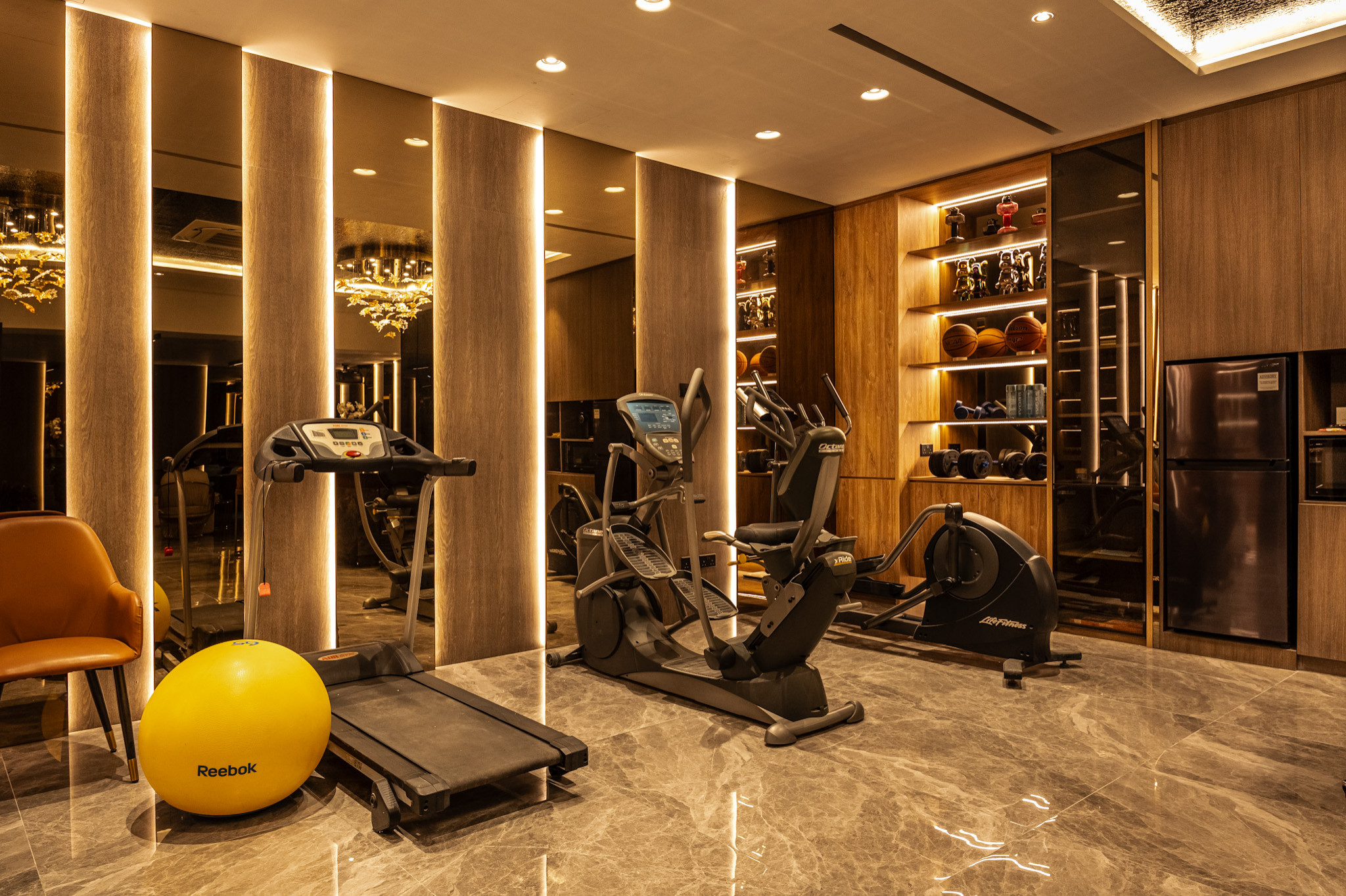
- Machines like treadmills and ellipticals are more expensive
- Multi-use equipment saves space but may cost more upfront
Space Preparation
Preparing your space can add to the total cost. This includes flooring and lighting.
You may need to clear a room or build a new area for your gym.
- Installing rubber or foam flooring protects your floor and equipment
- Good lighting makes workouts safer and more enjoyable
- Ventilation keeps the space fresh and comfortable
Maintenance And Upkeep
Maintaining gym equipment keeps it working well and safe to use. It costs money and time.
Regular cleaning and repairs may be needed to avoid bigger expenses later.
- Lubricate machines to prevent wear
- Check weights and cables for damage
- Replace worn parts as needed
Budget-friendly Equipment Choices
Building a home gym does not have to be expensive. You can start with simple tools and add more later.
Choosing the right equipment helps you save money and stay motivated to work out at home.
Essential Vs Luxury Gear
Essential gear covers basic exercises and fits small spaces. Luxury gear offers extra features and comfort.
Focus on essential items first to build a functional gym without spending too much.
- Essential: Dumbbells, resistance bands, yoga mat
- Luxury: Treadmills, rowing machines, smart weights
Secondhand And Discounted Options
Buying used equipment can lower costs a lot. Check local sales or online marketplaces.
Look for discounts on new gear during sales events or clearance periods.
- Inspect used gear for safety and wear
- Compare prices before buying
- Ask about return policies
Diy Fitness Equipment
You can make some gym tools at home with common materials. This saves money and adds fun.
Simple DIY options work well for strength and balance training.
- Fill water bottles as weights
- Use sturdy chairs for step-ups
- Create sandbags for resistance
Space-saving Gym Ideas
Building a home gym does not have to take up a lot of space. You can create a gym area even in small rooms. Using space-saving ideas helps make your gym practical and neat.
Choosing the right equipment and storage options lets you workout comfortably at home. Small spaces can work well with smart planning.
Multi-use Equipment
Multi-use equipment saves space by combining different workout functions. This equipment helps you do many exercises with fewer items.
Examples include adjustable dumbbells, foldable benches, and resistance bands with handles. These tools fit well in small gyms.
- Adjustable dumbbells replace multiple weights
- Foldable benches store easily after use
- Resistance bands are lightweight and portable
- Pull-up bars that fit in door frames
- Compact kettlebells with multiple weight options
Compact Storage Solutions
Good storage keeps your gym organized and saves floor space. Use vertical storage or wall mounts to store equipment neatly.
Storage racks, shelves, and hooks help keep items off the ground. This makes the gym look bigger and easier to clean.
- Wall-mounted racks for weights and bands
- Stackable storage bins for smaller items
- Fold-down shelves for extra surface space
- Under-bench storage drawers
- Storage carts on wheels for easy movement
Utilizing Small Areas
Use corners, under stairs, or spaces behind doors for your gym setup. These areas are often unused but can fit small equipment.
Mirrors can make the space feel larger and help with exercise form. A foldable mat or a wall-mounted pull-up bar maximizes small areas.
- Corner shelves for small weights and accessories
- Foldable mats that store flat against walls
- Wall hooks for jump ropes and towels
- Using balcony or garage space if available
- Mirrors to open up the room visually
Smart Shopping Tips
Building a home gym does not have to be expensive. You can save money by shopping smartly. Knowing where and when to buy helps reduce costs.
Look for deals and use local resources. This way, you get quality gym equipment without spending too much.
Seasonal Sales And Deals
Many stores offer discounts during holidays and seasonal sales. These are great times to buy gym gear at lower prices.
Check out sales during New Year, Black Friday, and summer clearance events. Plan your purchases around these dates.
- New Year sales often include fitness equipment discounts
- Black Friday has wide deals on gym machines
- Summer sales clear out last season’s stock
Online Marketplaces
Online marketplaces offer many options for gym equipment. You can compare prices and read reviews easily.
Look for used or refurbished equipment online. This helps you save money without losing quality.
- Use filters to find the best prices
- Check seller ratings and reviews
- Search for local pickup to save shipping costs
Local Fitness Communities
Local fitness groups often sell or trade gym equipment. Joining these groups can lead to good deals.
Community centers or gyms may update their equipment and sell old gear cheaply. Keep an eye on these opportunities.
- Join local Facebook fitness groups
- Visit community centers for sales
- Ask around in local gyms about used equipment
Maximizing Workout Efficiency
Building a home gym can seem costly, but you can still work out well. Smart choices help you get the best results without spending too much.
Using simple tools and ideas, you can keep your workouts effective and save money at the same time.
Bodyweight Exercises
Bodyweight exercises use your own body to build strength and fitness. They need no equipment and work in small spaces.
Push-ups, squats, and planks are examples. These moves improve muscles and endurance with no extra cost.
- Push-ups for chest and arms
- Squats for legs and glutes
- Planks for core strength
- Lunges for balance and legs
Minimal Equipment Routines
You can add a few simple tools to improve your workouts. Minimal equipment saves space and money.
Resistance bands, dumbbells, or a jump rope give variety. These tools help target different muscles effectively.
- Resistance bands for stretching and strength
- Dumbbells for weight training
- Jump rope for cardio and agility
- Yoga mat for comfort and stability
Virtual Fitness Resources
Online videos and apps offer many free or low-cost workouts. You can follow trainers and plans from home.
These tools guide you with clear instructions. They help keep your workouts fresh and challenging.
- Workout videos for all fitness levels
- Apps to track progress and goals
- Live classes to stay motivated
- Programs for strength, cardio, and flexibility


Frequently Asked Questions
Is Building A Home Gym More Cost-effective Than A Gym Membership?
Building a home gym has upfront costs but saves money long-term. You avoid monthly fees and travel expenses. It offers flexible workout times and personalized equipment choices. Over time, home gyms can be more affordable than recurring gym memberships.
What Are The Cheapest Ways To Build A Home Gym?
Start with basic equipment like dumbbells, resistance bands, and a yoga mat. Purchase second-hand or discounted items. Use bodyweight exercises to save money. Prioritize versatile equipment to maximize your workout options without overspending.
How Much Does A Basic Home Gym Typically Cost?
A basic home gym can cost between $200 and $1,000. Prices depend on equipment quality and quantity. Essential items include weights, mats, and cardio machines. Budget carefully to balance cost with workout needs.
Can I Build A Home Gym In A Small Space?
Yes, compact equipment like foldable benches and resistance bands fit small spaces. Use wall-mounted racks and multi-functional machines. Even a corner or closet can become a workout area with smart planning.
Conclusion
Building a home gym can be cost-effective. It depends on choices. Start small. Invest in essential equipment first. Dumbbells, resistance bands, and yoga mats are budget-friendly. Gradually expand as needs grow. Look for discounts and second-hand options. Balance quality and cost.
Over time, a home gym saves money on gym fees. Convenience is a bonus. No travel needed. Exercise anytime. A personal gym adapts to your schedule. Make smart choices. Prioritize needs. Fitness doesn’t have to break the bank. Enjoy working out at home.
It’s possible with planning. Stay healthy and fit.