If you’re trying to make the most of limited space in your home gym, finding the right equipment can feel like a challenge. You want something that helps you get a full-body workout without taking up too much room.
That’s where vertical climbers come in. But are vertical climbers really a good fit for small home gyms? You’ll discover how these machines work, why they might be the perfect solution for your space, and what to consider before making a purchase.
Today's Exclusive Deals
Limited-time Exclusive Deals. Check current discount on Amazon.
Check Price on Amazon As an Amazon Associate I earn from qualifying purchases.Keep reading to find out if a vertical climber can help you reach your fitness goals without crowding your home.
Benefits Of Vertical Climbers
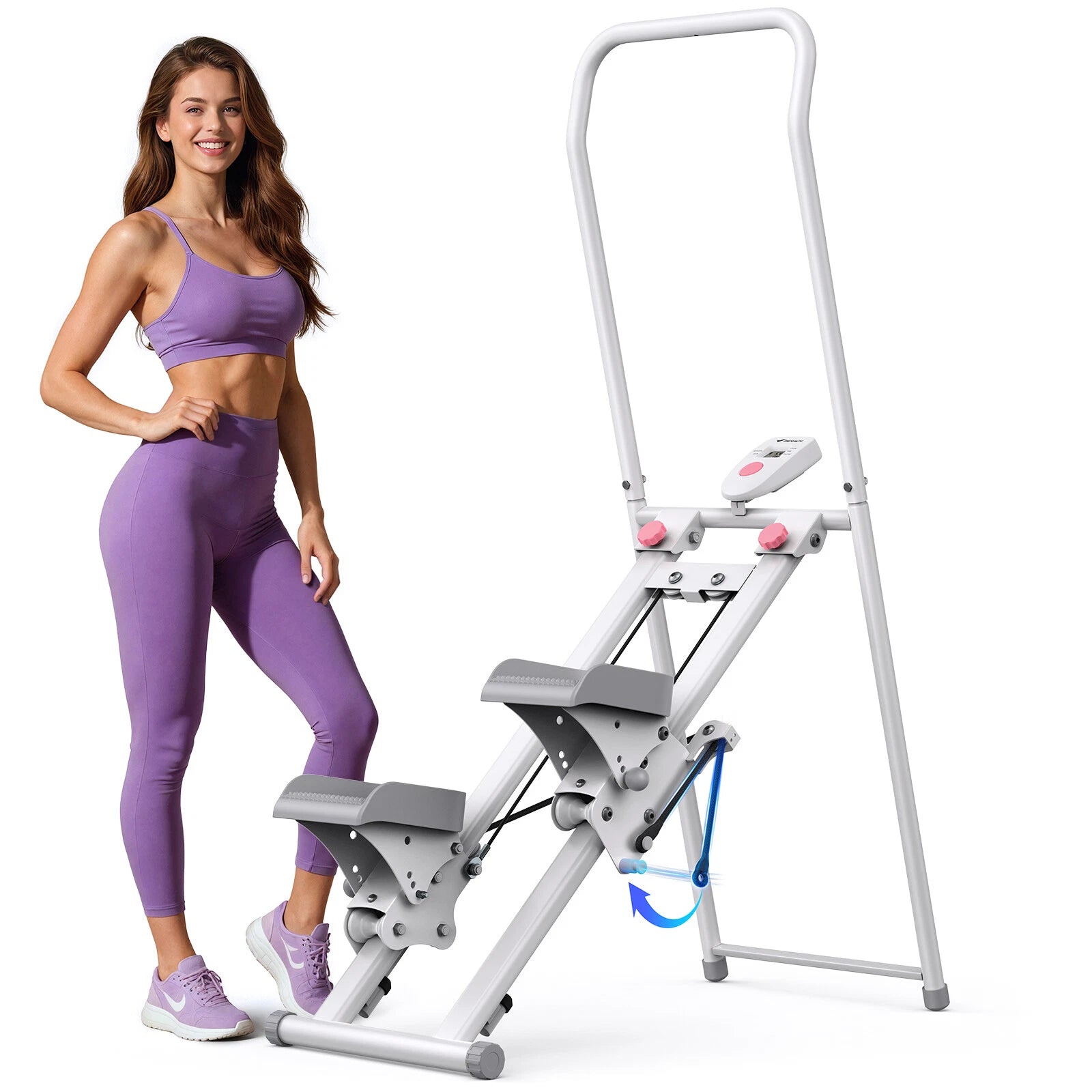
Vertical climbers are exercise machines that mimic climbing movements. They are popular for home gyms, especially small ones.
These machines provide many benefits that suit limited spaces and help improve overall fitness.
Today's Exclusive Deals
Limited-time Exclusive Deals. Check current discount on Amazon.
Check Price on Amazon As an Amazon Associate I earn from qualifying purchases.Compact Design For Limited Spaces
Vertical climbers take up very little floor space. Their slim and tall design fits well in small rooms.
They can be stored easily when not in use, making them great for homes with limited room.
- Small footprint saves space
- Easy to move and store
- Fits in corners or narrow areas
Full-body Workout Advantages
Vertical climbers work many muscles at once. They engage your legs, arms, and core with each movement.
This helps build strength and improve cardio fitness in a short time.
Today's Exclusive Deals
Limited-time Exclusive Deals. Check current discount on Amazon.
Check Price on Amazon As an Amazon Associate I earn from qualifying purchases.- Targets upper and lower body muscles
- Improves endurance and stamina
- Boosts calorie burning
Low Impact On Joints
Vertical climbers offer a smooth motion that reduces stress on joints. This is good for people with joint pain.
The low-impact exercise helps avoid injuries while still giving a good workout.
- Gentle on knees and hips
- Reduces risk of joint strain
- Safe for most fitness levels
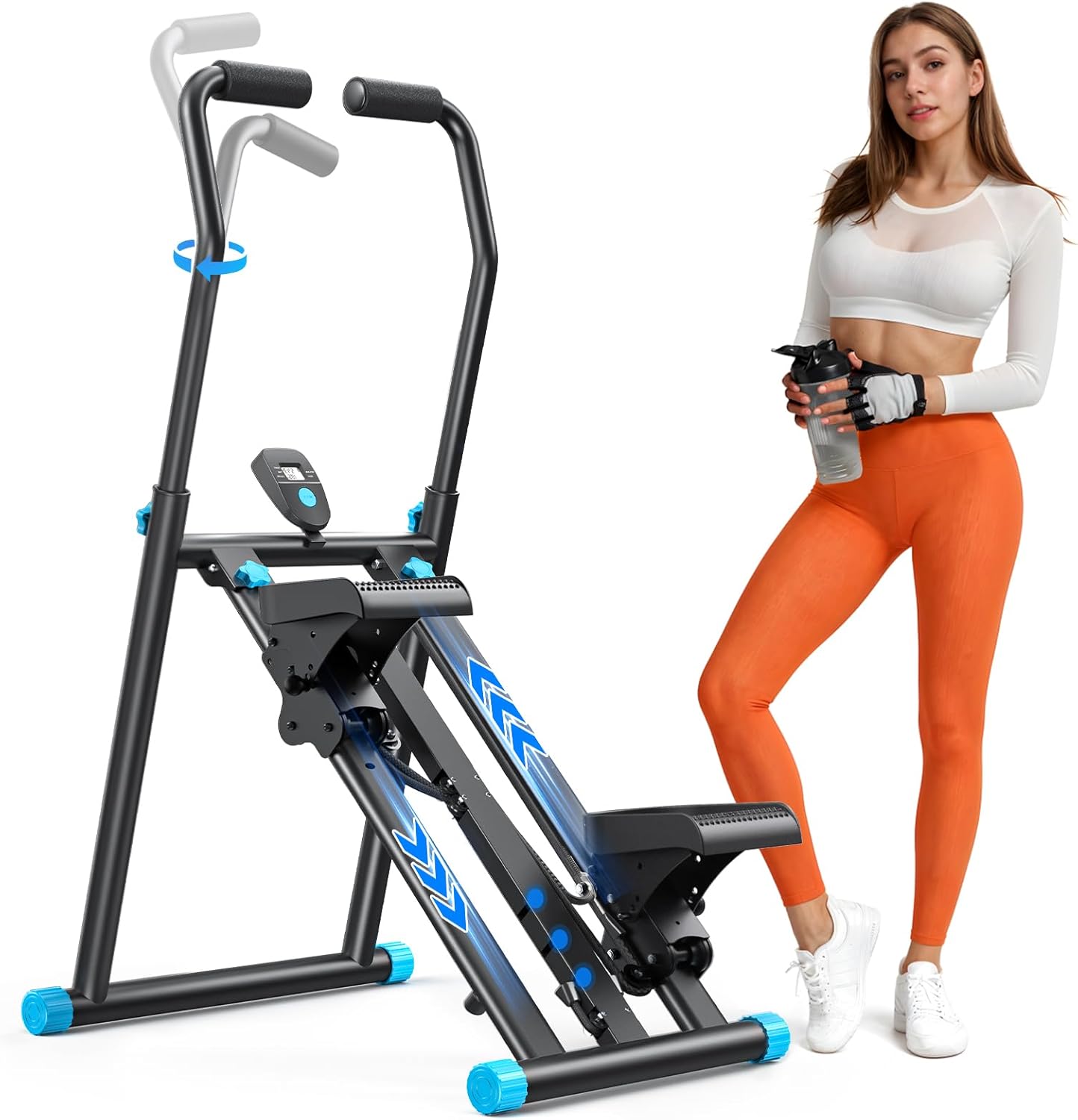
Space Requirements And Setup
Vertical climbers are a great choice for small home gyms. They use vertical space instead of floor space. This makes them suitable for rooms with limited area.
Before buying a vertical climber, you must check your gym space. Proper setup ensures safety and convenience during workouts.
Measuring Your Gym Area
Measure the height and floor space of your gym room. Vertical climbers need enough ceiling height to allow full movement.
Also, check the floor area for the base of the climber. You need some extra space around it for safe use.
- Measure ceiling height – at least 7 to 8 feet
- Check floor space for climber base – about 4 by 3 feet
- Allow 2 feet of clearance around the machine
Ideal Placement Tips
Place the vertical climber in a spot with enough room to move freely. Avoid crowded areas where you can bump into other items.
Good lighting helps you see the machine clearly and stay safe. Near a window or under a bright light is best.
- Keep the climber away from walls or furniture
- Place on a flat, stable surface
- Ensure good lighting for visibility
- Choose an area with good ventilation
Assembly And Storage
Vertical climbers often come with simple assembly instructions. Most parts fit together without special tools.
When not in use, some models fold or stand upright for easy storage. This saves space in your small gym.
- Follow the manual step-by-step for assembly
- Use a second person to help with setup
- Fold or store the climber upright if possible
- Keep the area clean to avoid tripping
Comparing Vertical Climbers To Other Equipment
Vertical climbers are a type of cardio machine designed to mimic climbing movements. Small home gyms often need equipment that saves space and offers good workouts. Comparing vertical climbers to other machines helps decide which fits best.
This comparison looks at how vertical climbers work against treadmills, ellipticals, and traditional cardio machines. It also covers cost and maintenance to help you pick smartly.
Versus Treadmills And Ellipticals
Vertical climbers take up less floor space than treadmills and ellipticals. They offer a full-body workout by using arms and legs together. Treadmills mainly focus on running or walking, and ellipticals focus on lower body movement.
Vertical climbers create high-intensity workouts in a short time. Treadmills and ellipticals can be used for longer, steady sessions but need more room.
- Vertical climbers save space
- Engage upper and lower body muscles
- Treadmills focus mostly on legs
- Ellipticals offer low-impact leg workouts
- Vertical climbers provide intense cardio quickly
Benefits Over Traditional Cardio Machines
Vertical climbers burn calories fast by using many muscles at once. They improve strength and endurance more than some traditional cardio machines. Users get both cardio and strength training in one device.
Traditional machines like stationary bikes or treadmills mainly focus on cardiovascular fitness. Vertical climbers add muscle toning to the workout, making them more efficient for small spaces.
- High calorie burn in less time
- Full-body workout
- Builds muscle and endurance
- Combines cardio with strength
- Good for small spaces
Cost And Maintenance Factors
Vertical climbers often cost less than treadmills and ellipticals. They have fewer moving parts, which lowers maintenance needs. This can save money over time.
Treadmills and ellipticals may need belt replacements and motor care. Vertical climbers are simpler and easier to clean. This makes vertical climbers a good choice for budget-conscious users.
- Lower initial cost
- Fewer moving parts reduce repairs
- Easy to maintain and clean
- Treadmills need motor and belt upkeep
- Ellipticals require regular lubrication
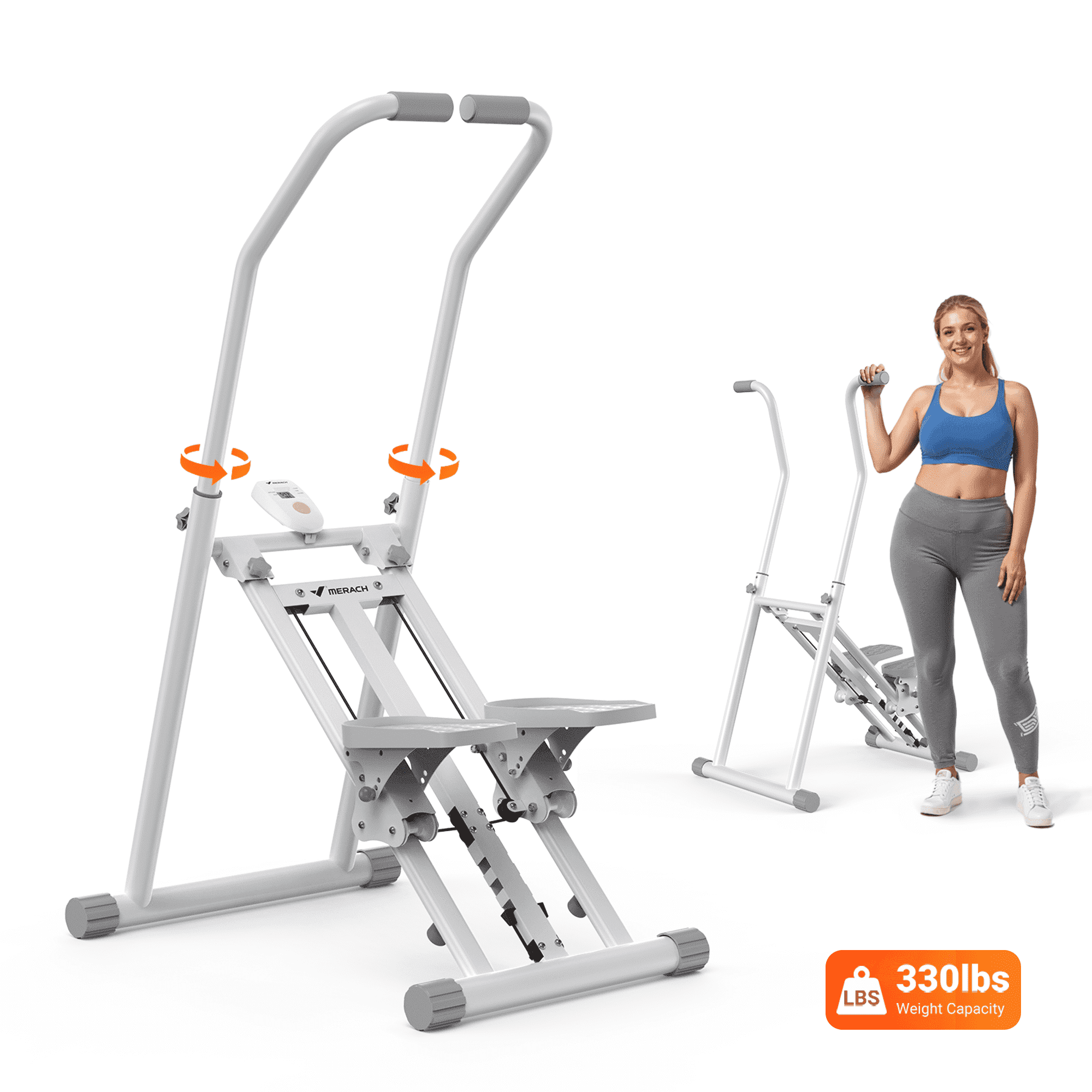
Choosing The Right Vertical Climber
Vertical climbers are good exercise tools for small home gyms. They help you do full-body workouts in little space.
Picking the right vertical climber matters for your room and fitness needs. This guide will help you choose well.
Key Features To Consider
Look for a vertical climber that fits your space and goals. Size, weight, and adjustability are important features.
- Compact design saves room
- Strong frame supports your weight
- Adjustable resistance for different workouts
- Easy to fold or store after use
- Comfortable grips and pedals
Top Models For Small Spaces
Some vertical climbers fit better in small rooms. They balance size with good workout features.
- Models with foldable frames
- Lightweight but stable climbers
- Units with small footprints
- Climbers with adjustable height
User Reviews And Ratings
Reading user feedback helps you find good climbers. Look for comments on durability and ease of use.
Check ratings to see which models users like best. High ratings often show reliable and well-built climbers.
- Positive comments on space saving
- Reports of smooth movement
- Notes on sturdy build quality
- Feedback on assembly and instructions
Maximizing Workouts With Vertical Climbers
Vertical climbers are great for small home gyms. They offer a full-body workout in a small space.
You can burn calories, build strength, and improve endurance with this machine.
Effective Training Routines
Use short bursts of high effort followed by rest periods. This keeps your heart rate up.
Try intervals like 30 seconds fast climbing, then 30 seconds slow or rest. Repeat for 10-20 minutes.
- Warm up for 5 minutes at a slow pace
- Climb fast for 30 seconds
- Rest or slow climb for 30 seconds
- Repeat 10-20 times
- Cool down for 5 minutes
Combining With Other Exercises
Mix climbing with strength training for better results. Use dumbbells or resistance bands.
Try bodyweight exercises like squats or push-ups between climbing sets. This adds variety and builds muscles.
- Do climbing intervals
- Follow with 10 push-ups or squats
- Use resistance bands for arm exercises
- Repeat the cycle 3-4 times
Tracking Progress And Goals
Keep a simple log of your climbing time and speed. This helps you see your improvements.
Set small goals like climbing longer or faster each week. Celebrate when you reach them.
- Note your climbing time and speed
- Record how many intervals you complete
- Set weekly goals for improvement
- Review progress every two weeks
Potential Drawbacks To Consider
Vertical climbers are popular for small home gyms. They offer a full-body workout in a small space. Still, there are some drawbacks to think about before buying one.
These drawbacks can affect your workout experience and equipment lifespan. Knowing them helps you decide if a vertical climber fits your needs.
Noise Levels
Vertical climbers often make noise during use. The moving parts can create clanking or squeaking sounds. This noise may disturb others in your home.
Noise can be more of a problem in apartments or shared spaces. Some models have quieter mechanisms, but most still produce some sound.
Learning Curve For Beginners
Using a vertical climber needs balance and coordination. Beginners might find it hard at first. It takes time to get used to the motion and keep steady.
Without proper form, beginners risk injury. Watching tutorials or getting advice can help reduce the learning curve.
- Start slow and focus on balance
- Use support if needed
- Practice regularly to improve skill
Durability And Warranty
Not all vertical climbers last long with heavy use. Some models use cheaper materials that wear out quickly. Check the quality before buying.
Warranty coverage varies. Some offer one year, others more. A good warranty protects you from defects or early damage.
- Look for sturdy frame and parts
- Check warranty length and terms
- Read reviews on durability
Frequently Asked Questions
What Makes Vertical Climbers Ideal For Small Home Gyms?
Vertical climbers save space by offering a full-body workout in a compact design. They combine cardio and strength training, making them versatile and efficient for small areas. Their vertical structure fits easily in corners, perfect for limited gym spaces.
How Effective Are Vertical Climbers For Weight Loss?
Vertical climbers burn calories quickly due to their high-intensity, full-body movement. They engage multiple muscle groups simultaneously, increasing metabolism and fat burning. Regular use supports effective weight loss and improved cardiovascular health.
Can Vertical Climbers Replace Traditional Cardio Machines?
Yes, vertical climbers provide a low-impact, high-intensity workout that rivals treadmills and ellipticals. They offer strength and cardio benefits in one machine. This makes them a great alternative for small gym spaces seeking versatile equipment.
Are Vertical Climbers Suitable For Beginners?
Vertical climbers are user-friendly and adjustable, making them suitable for all fitness levels. Beginners can start slow and increase intensity as they build strength and endurance. Proper form is essential to avoid injury.
Conclusion
Vertical climbers fit well in small home gyms. Their compact design saves space. They offer a full-body workout, enhancing fitness. Easy to use, they suit all fitness levels. No need for electricity, so they save energy. Affordable compared to other gym equipment.
They provide effective cardio and strength training. Perfect for busy schedules with quick sessions. Consider adding one to boost your home workout routine. Your fitness journey can start right at home. Small space, big potential. Vertical climbers can be a great addition.