
Are you ready to get stronger without leaving your house? Building strength using a home gym is easier than you think.
You don’t need fancy equipment or hours of time. With the right approach, you can see real results and feel more powerful every day. You’ll discover simple, effective ways to boost your strength at home. Keep reading to unlock the secrets that will transform your workouts and your body.
Today's Exclusive Deals
Limited-time Exclusive Deals. Check current discount on Amazon.
Check Price on Amazon As an Amazon Associate I earn from qualifying purchases.Your stronger self is just a few steps away.
Setting Up Your Home Gym
Building strength at home is easy with the right setup. A good home gym helps you stay consistent.
Organizing your space well makes workouts safer and more effective. Let’s explore how to set up your gym.
Today's Exclusive Deals
Limited-time Exclusive Deals. Check current discount on Amazon.
Check Price on Amazon As an Amazon Associate I earn from qualifying purchases.Essential Equipment For Strength Training
Start with basic tools that support many exercises. Choose equipment that fits your goals and space.
- Dumbbells of various weights for different exercises
- Adjustable bench for presses and rows
- Resistance bands for added tension
- Kettlebells for swings and lifts
- Pull-up bar for upper body strength
- Barbell and weight plates if space allows
Creating A Safe Workout Space
Safety is key to prevent injuries. Clear clutter and make sure the floor is sturdy and even.
Use mats to protect your floor and reduce noise. Good lighting helps you see your form clearly.
- Keep equipment organized and easy to reach
- Check weights and tools for damage regularly
- Leave enough room to move freely
- Have a first aid kit nearby
Maximizing Limited Space
Use vertical space with wall racks or hooks. Foldable benches and compact equipment save room.
Today's Exclusive Deals
Limited-time Exclusive Deals. Check current discount on Amazon.
Check Price on Amazon As an Amazon Associate I earn from qualifying purchases.Choose multi-use equipment to do many exercises with less gear. Keep your space tidy for easy workouts.
- Store weights on racks or shelves
- Use resistance bands instead of bulky machines
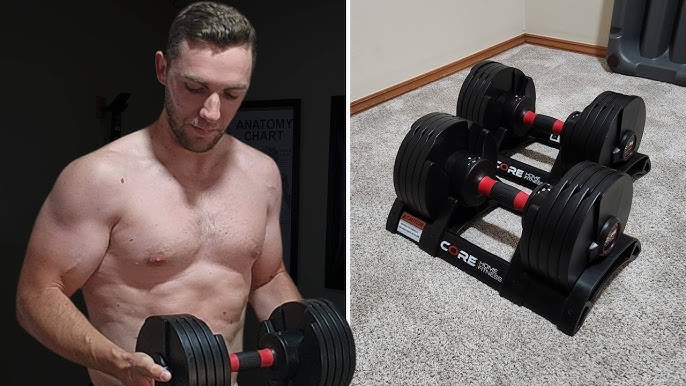
- Pick compact equipment like adjustable dumbbells
- Clear space before each workout

Effective Strength Training Techniques
Building strength at home is possible with the right techniques. Using a home gym can help you get stronger safely and effectively.
Focus on exercises and methods that work best for your goals. Consistency and good habits bring the best results.
Compound Vs Isolation Exercises
Compound exercises work many muscles at once. Isolation exercises target one muscle group.
Compound moves build overall strength faster. Isolation exercises help fix weak spots and shape muscles.
- Compound exercises: squats, deadlifts, push-ups
- Isolation exercises: bicep curls, leg extensions, tricep kickbacks
- Use both types for balanced strength
Progressive Overload Strategies
Progressive overload means making your muscles work harder over time. This helps muscles grow and get stronger.
You can add weight, increase reps, or do more sets. Change your workout regularly to keep improving.
- Add small weights when exercises feel easy
- Increase reps by 1-2 per set
- Do more sets as strength improves
- Reduce rest time between sets to increase challenge
Proper Form And Technique
Good form prevents injury and makes exercises more effective. Always focus on technique before adding weight.
Use mirrors or record yourself to check form. If unsure, start with light weights or bodyweight until you feel confident.
- Keep your back straight during lifts
- Control your movements, avoid jerking
- Breathe out when pushing or lifting
- Engage your core to support your body
Designing Your Workout Plan
Building strength with a home gym needs a clear workout plan. A good plan helps you train safely and see results.
Focus on how often you train, which muscles you work, and warming up and cooling down properly.
Scheduling Frequency And Rest Days
Work out most days but give your muscles time to heal. Rest days help your body grow stronger.
A good schedule includes 3 to 5 workout days per week. Take rest days to avoid injury and tiredness.
- Train 3-5 times weekly
- Include at least 1-2 rest days
- Use rest days for light activity or stretching
Balancing Different Muscle Groups
Work all muscle groups evenly to prevent weakness and injury. Don’t train only one area.
Divide your workouts to include legs, back, chest, arms, and core. This keeps your body balanced.
- Train upper and lower body muscles
- Include pushing and pulling exercises
- Work core muscles every session
Incorporating Warm-ups And Cool-downs
Warm-ups prepare your muscles and joints for exercise. Cool-downs help your body recover after training.
Start with light cardio and stretching before workouts. End with slow movements and stretches to relax muscles.
- Warm-up for 5-10 minutes with light activity
- Do dynamic stretches before workouts
- Cool down with slow walking or stretching
- Hold stretches for 15-30 seconds after exercise

Nutrition For Strength Gains
Good nutrition helps you build strength at home. Eating the right foods gives your body fuel and repair materials.
Focus on what you eat before and after workouts. This supports muscle growth and recovery.
Protein Intake And Timing
Protein helps repair and build muscles after exercise. Aim to eat enough protein every day to support strength gains.
Eat protein-rich foods before and after workouts. This timing helps muscles recover faster and grow stronger.
- Good protein sources: chicken, fish, eggs, beans, and dairy
- Try to eat 20-30 grams of protein per meal
- Have a protein snack within 30 minutes after exercise
Hydration Tips
Water keeps your muscles working well during workouts. Drink water before, during, and after exercise.
Dehydration can make you feel tired and weak. Keep a water bottle nearby when using your home gym.
- Drink at least 8 cups (64 ounces) of water daily
- Increase water intake on workout days
- Drink small amounts often to stay hydrated
Supplements To Consider
Some supplements can support strength building. They are not required but may help your progress.
Creatine, protein powders, and branched-chain amino acids (BCAAs) are popular choices for strength training.
- Creatine helps increase muscle power and size
- Protein powders add extra protein to your diet
- BCAAs may reduce muscle soreness after workouts
Tracking Progress And Staying Motivated
Increasing strength at home needs clear tracking and strong motivation. Watching progress helps you keep going.
Using simple tools and setting goals keeps your workouts effective. It helps you push through tough days.
Using Workout Logs
Workout logs record your exercises, weights, and reps. They show how much you improve over time.
Write down each session to spot progress and weak spots. This keeps you focused on your goals.
- Note the date of each workout
- Record the exercises and weight used
- Write down reps and sets completed
- Add notes on how you felt
Setting Realistic Goals
Set small, clear goals that you can reach. Realistic goals build confidence and keep you motivated.
Focus on goals like adding a little weight or more reps each week. This makes your strength grow steadily.
- Increase weight by small steps
- Add one or two more reps per set
- Try new exercises gradually
- Track weekly or monthly progress
Overcoming Plateaus
Plateaus happen when progress stops. Change your routine or rest more to break through.
Try new exercises or increase workout intensity. Rest days also help your muscles grow stronger.
- Switch exercises every few weeks
- Increase weight or reps
- Take rest days to recover
- Use different workout styles
Common Mistakes To Avoid
Using a home gym is a great way to build strength. Many people make mistakes that slow progress or cause injury. Avoiding these common errors helps you stay safe and get stronger.
Focus on smart training and good habits. This guide highlights key mistakes to watch out for during your strength journey.
Ignoring Recovery
Rest days are as important as workout days. Muscles need time to repair and grow stronger. Skipping recovery can lead to fatigue and poor results.
Good sleep, proper nutrition, and breaks between sessions improve recovery. Listen to your body and allow time to heal.
Overtraining Risks
Training too hard without enough rest can cause overtraining. This leads to lower strength, tiredness, and higher injury risk. It can also hurt your motivation.
- Watch for constant soreness and fatigue
- Take extra rest if workouts feel too hard
- Balance workout intensity and rest days
Neglecting Mobility And Flexibility
Building strength requires good movement quality. Poor mobility limits your range and increases injury chances. Stretching and mobility work help keep joints healthy.
Include simple stretches and mobility exercises before and after workouts. This supports better form and stronger muscles.
Frequently Asked Questions
How Often Should I Train For Strength At Home?
Train 3 to 4 times weekly with rest days in between. This frequency allows muscle recovery and growth. Consistency is key for strength gains.
What Equipment Is Essential For A Home Gym?
Basic equipment includes dumbbells, resistance bands, a barbell, and a bench. These tools support varied strength workouts. They target different muscle groups effectively.
How Can I Track My Strength Progress At Home?
Record weights, reps, and sets after each workout. Use a journal or fitness app for accuracy. Tracking helps adjust workouts and stay motivated.
Should I Focus On Compound Exercises Or Isolation Exercises?
Focus mainly on compound exercises like squats and deadlifts. They work multiple muscles simultaneously, boosting strength efficiently. Isolation exercises can complement but are secondary.
Conclusion
Building strength at home is achievable. Use your gym wisely. Plan your workouts effectively. Focus on consistency and proper form. Target different muscle groups regularly. Adjust your routine as you progress. Stay motivated and track your improvements. Celebrate small victories.
Hydrate and eat well for better results. Rest days are important for muscle recovery. Keep learning and adapting your exercises. Your home gym can help you reach your strength goals. Enjoy the journey to a stronger you!