Are you dreaming of having a home gym but worried about the cost? You’re not alone.
Building a gym at home can seem expensive, but it doesn’t have to be. What if you could create a space that fits your budget and helps you stay fit without breaking the bank? You’ll discover the cheapest ways to build a home gym that works for you.
Today's Exclusive Deals
Limited-time Exclusive Deals. Check current discount on Amazon.
Check Price on Amazon As an Amazon Associate I earn from qualifying purchases.From smart equipment choices to clever DIY ideas, you’ll learn how to get the most value while reaching your fitness goals. Keep reading—your perfect, affordable home gym is closer than you think.
Set Your Budget
Building a home gym can be affordable if you plan well. Setting your budget helps you avoid overspending.
Decide how much money you want to spend before buying equipment. This keeps your gym costs in control.
Assess Available Space
Look around your home to find space for your gym. It could be a spare room, basement, or corner of a room.
Measure the area to know what equipment fits comfortably. Small spaces need smaller or foldable gear.
- Choose a flat, dry area with enough room to move
- Keep space for stretching and bodyweight exercises
- Good lighting helps keep you motivated
Prioritize Essential Equipment
Start with basic equipment that fits your budget and space. Focus on gear that works for many exercises.
Buying versatile and durable items saves money and space. Avoid expensive machines if you do not need them.
- Resistance bands for strength and flexibility
- Adjustable dumbbells for weight training
- Yoga mat for floor exercises and stretching
- Jump rope for cardio workouts
Choose Multi-functional Gear
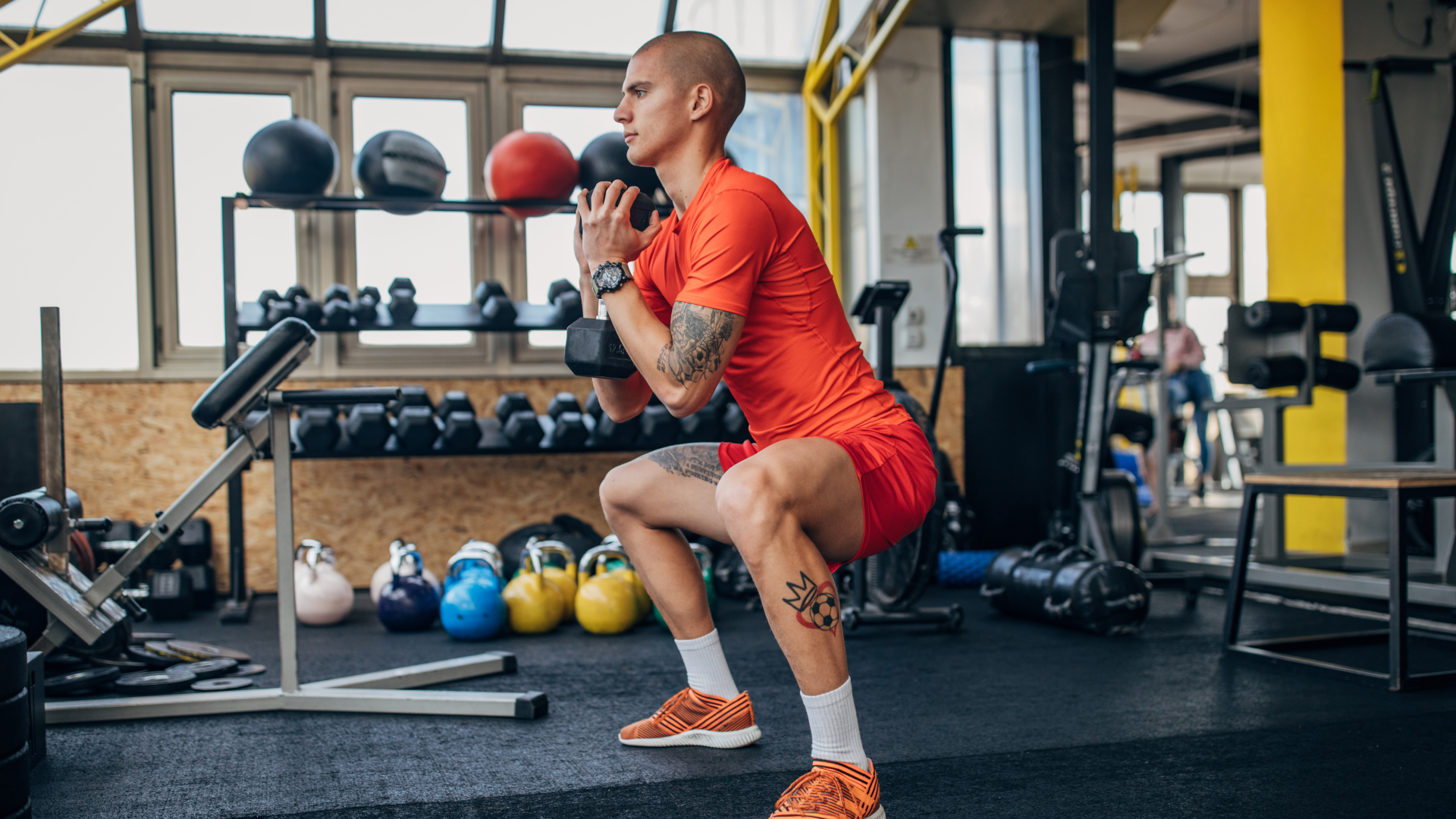
Building a home gym on a budget means picking gear that can do many exercises. Multi-functional equipment saves money and space.
These tools help you work out different muscle groups without buying many items. They make your gym more useful and cheaper.
Resistance Bands
Resistance bands are light and easy to store. They offer many exercise options with different strength levels.
Use them for strength training, stretching, and rehabilitation. They work well for both upper and lower body workouts.
- Different colors show different resistance
- Can be used alone or with other equipment
- Great for all fitness levels
Adjustable Dumbbells
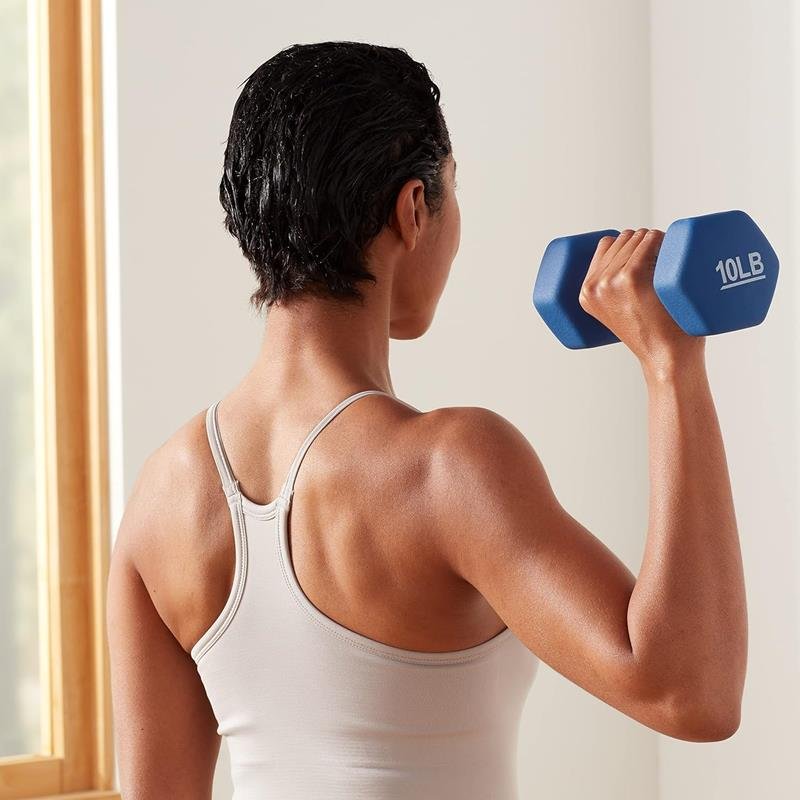
Adjustable dumbbells replace many fixed-weight sets. You can change the weight quickly to match your exercise.
They save space and money by combining several weights into one set. Use them for strength training and muscle toning.
- Easy to adjust between exercises
- Compact design fits small spaces
- Works for beginners to advanced users
Foldable Bench
A foldable bench allows many workout types in a small area. You can do presses, rows, and step-ups on it.
It folds flat for storage, keeping your gym space tidy. The bench adds value without taking much room or money.
- Adjusts to different angles for variety
- Supports body weight and dumbbells
- Easy to move and store
Diy Equipment Ideas
Building a home gym can be affordable with some DIY equipment ideas. You can use simple materials to create effective workout tools.
These homemade items save money and help you stay fit without buying expensive gear.
Homemade Sandbags
Sandbags are great for strength training. You can make them using old bags and sand or rice.
Fill strong bags with sand, rice, or small stones. Seal them tightly to avoid leaks.
- Use sturdy bags like duffel or heavy-duty plastic
- Double bag for extra strength and durability
- Adjust weight by adding or removing sand
- Use sandbags for lifting, carrying, or throwing exercises
Pvc Pipe Handles
PVC pipes can be turned into handles for pull-up bars or weights. They are lightweight and easy to cut.
Cut the pipe to the right length and add grips with tape or foam for comfort.
- Choose a strong diameter pipe like 1 inch or 1.5 inches
- Add end caps to prevent slipping
- Wrap handles with grip tape or foam sleeves
- Use them for push-up bars, dip bars, or weight handles
Repurposed Household Items
You can use common household items as workout tools. They are free and easy to find.
Items like water bottles, backpacks, and chairs work well for many exercises.
- Fill water bottles or milk jugs with water or sand for weights
- Use a backpack filled with books for added resistance
- Chairs are good for step-ups, dips, and support during exercises
- Towels can help with stretching and resistance moves
Buy Second-hand Equipment
Building a home gym can be expensive. Buying second-hand equipment saves money. It allows you to get good gear for less.
Used equipment is often in good condition. Many people sell items they no longer need. This helps you find bargains nearby or online.
Local Marketplaces
Local marketplaces are great places to find used gym gear. You can see the items before buying. This helps check their condition.
These markets often have a variety of equipment. You might find weights, benches, or machines at low prices. Negotiating is common here.
- Visit weekend markets or swap meets
- Talk to sellers about the item’s history
- Inspect equipment for damage or wear
Online Classifieds
Online classifieds have many listings for used gym gear. You can search by location or type of equipment. This makes finding deals easy.
Always ask questions before buying. Request clear photos and details about the item’s condition. Meet in safe public places to pick up items.
- Check websites like Craigslist or Facebook Marketplace
- Use filters to narrow down search results
- Compare prices to find the best deal
Garage Sales
Garage sales can have unexpected gym equipment for low prices. People sell items quickly, so you can find great bargains.
Arrive early to get the best picks. Bring cash and a way to carry your purchases. Ask the sellers about how often the equipment was used.
- Look for sales in your neighborhood or nearby areas
- Check local listings or community boards for sale dates
- Inspect items carefully for safety
Utilize Bodyweight Exercises
Building a home gym can be expensive. Using bodyweight exercises is the cheapest way to start. These exercises need no equipment and work well at home.
Bodyweight workouts help improve strength, balance, and flexibility. You can do many exercises with just your body weight.
Core Workouts
Strong core muscles support your whole body. Bodyweight exercises like planks and sit-ups build core strength. These moves improve posture and balance.
Try to hold planks for 20-30 seconds. Do 10-15 sit-ups in sets of three. This routine strengthens your abs and lower back.
- Planks
- Sit-ups
- Leg raises
- Bicycle crunches
Strength Training
Bodyweight exercises help build muscle without weights. Push-ups, squats, and lunges work many muscle groups. These moves increase strength and tone your body.
Do sets of 10-15 push-ups and squats. Lunges can be done 10 times per leg. These exercises improve your muscle control and endurance.
- Push-ups
- Squats
- Lunges
- Tricep dips using a chair
Cardio Routines
Cardio exercises raise your heart rate and burn calories. Jumping jacks, high knees, and burpees are great bodyweight cardio moves. They need no space or equipment.
Try to do cardio exercises for 15-20 minutes. You can mix these moves in a circuit to keep your heart pumping.
- Jumping jacks
- High knees
- Burpees
- Mountain climbers
Create A Functional Workout Space
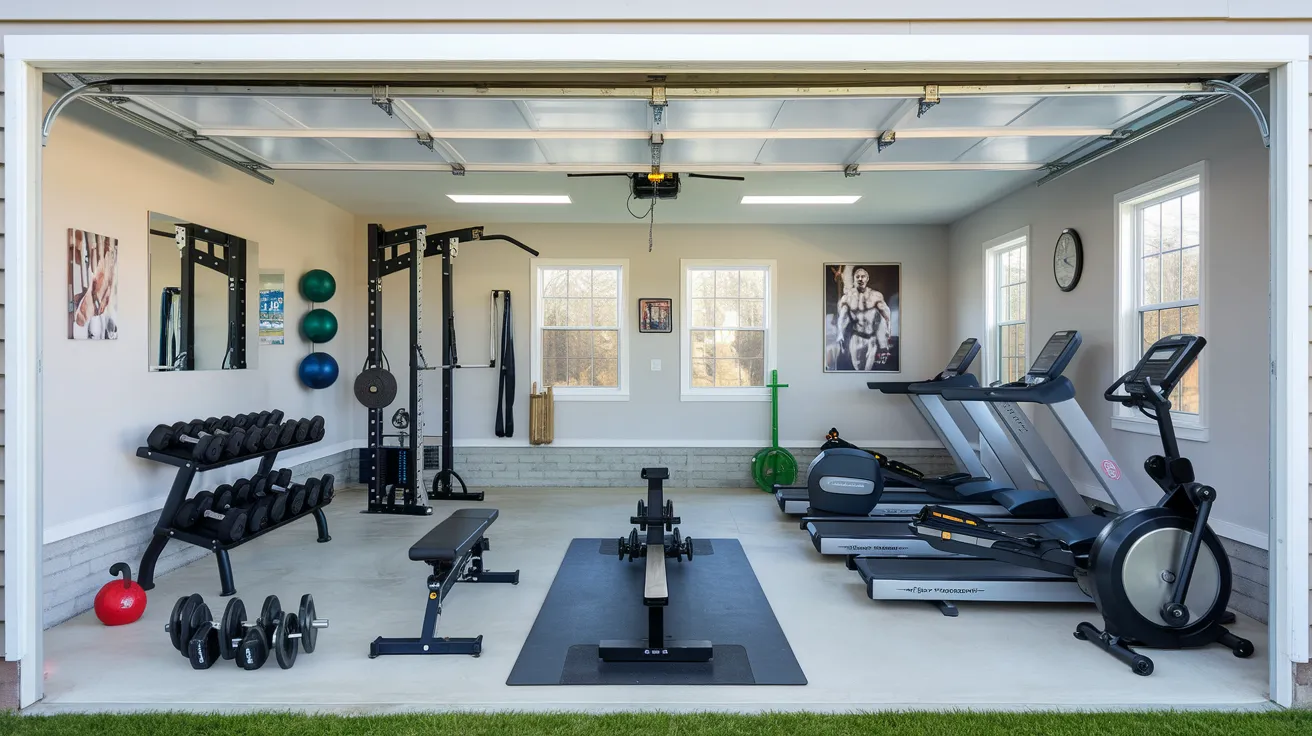
Building a home gym does not have to be expensive. You can create a space that works well for your workouts without spending much money.
Focus on making the gym functional. This means choosing the right flooring, smart storage, and using your space well.
Flooring Options
Good flooring protects your floors and your body. It also makes exercise safer and more comfortable.
Look for affordable materials that are easy to install and clean. Foam mats and rubber tiles are popular choices.
- Foam mats are soft and good for stretching.
- Rubber tiles protect floors and absorb shock.
- Old carpets or rugs can work in a pinch.
- Use interlocking mats for easy setup and storage.
Storage Solutions
Keep your workout area tidy by organizing your equipment. This saves space and helps you find gear quickly.
Use low-cost or DIY storage options. Shelves, hooks, and bins can hold weights, bands, and mats.
- Wall hooks hold jump ropes and resistance bands.
- Shelves keep small weights and accessories neat.
- Use storage bins for loose items.
- Stackable racks save floor space.
Maximizing Small Areas
Small spaces can still fit a good home gym. Use your space smartly to fit equipment and workout zones.
Choose compact or foldable gear. Clear the floor by using vertical space for storage and workouts.
- Use foldable benches and mats that you can store away.
- Try resistance bands instead of heavy weights.
- Use corners for storage shelves or racks.
- Keep the center open for bodyweight exercises.
Incorporate Technology Wisely
Building a home gym on a budget means using technology smartly. Technology can save money and add variety to your workouts.
You do not need expensive equipment or memberships. Using the right tech tools can keep your gym simple and effective.
Free Workout Apps
Many free workout apps offer guided exercises for different fitness levels. These apps often include videos and timers.
They help you plan workouts without paying for a trainer. You can use them on your phone or tablet anytime.
- Yoga and stretching routines
- Bodyweight strength exercises
- Cardio and HIIT workouts
Affordable Streaming Services
Streaming services offer workout classes at a low monthly cost. You get access to many types of workouts.
You can find classes for beginners and advanced users. These services often update new workouts regularly.
- Dance and cardio classes
- Weight training sessions
- Mindfulness and meditation
Using Your Smartphone
Your smartphone is a powerful tool for a home gym. It can track progress and show workout videos.
Use built-in features like timers and music players. Many phones also have health apps to monitor activity.
- Set workout timers and reminders
- Play motivating workout music
- Use health apps to track steps and calories

Frequently Asked Questions
How Can I Start A Home Gym On A Budget?
Starting a home gym on a budget is simple. Begin with essential equipment like resistance bands and dumbbells. Search for second-hand equipment online or at garage sales. Utilize free online workout videos for guidance. Gradually add more equipment as needed, focusing on multi-functional tools to maximize your investment.
What Are Essential Items For A Home Gym?
Essential home gym items include resistance bands, dumbbells, and a yoga mat. These versatile tools provide various exercises for strength and flexibility. Consider a jump rope for cardio workouts. Over time, add adjustable weights and a stability ball to expand your exercise options while keeping costs low.
Where Can I Find Affordable Gym Equipment?
Affordable gym equipment is available online on platforms like Amazon or eBay. Check local classifieds or Facebook Marketplace for second-hand deals. Visit thrift stores or garage sales for unexpected bargains. Compare prices and read reviews to ensure quality and reliability before purchasing.
Are Bodyweight Exercises Effective For Home Workouts?
Bodyweight exercises are highly effective for home workouts. They require no equipment and target multiple muscle groups. Exercises like push-ups, squats, and lunges build strength and endurance. Incorporate variations to increase intensity. For added challenge, integrate resistance bands to enhance your bodyweight training routine.
Conclusion
Building a home gym does not have to cost a lot. Start with basic equipment like dumbbells and resistance bands. Use free workout videos online to guide your exercises. Look for secondhand gear to save even more money. Small steps add up to a strong fitness space.
Stay consistent and make the most of what you have. A budget-friendly gym can help you stay healthy and active. Simple choices lead to great results. Your fitness journey begins with smart spending and steady effort.