
The typical size of a plunge pool ranges from 4 to 7 meters in length. They generally span 2 to 3 meters in width and are often around 1.2 meters deep.
Plunge pools are compact swimming pools designed for relaxation rather than vigorous swimming. Ideal for small backyards or where space is premium, these pools provide a refreshing dip without the need for extensive grounds. Often associated with luxury, plunge pools are becoming increasingly popular as a lifestyle amenity in private homes and boutique hotels.

Today's Exclusive Deals
Limited-time Exclusive Deals. Check current discount on Amazon.
Check Price on Amazon As an Amazon Associate I earn from qualifying purchases.They offer the perfect solution for cooling off on hot days or for hydrotherapy and relaxation. Their reduced size does not only make them a practical choice for space-constrained areas but also translates into lower construction and maintenance costs compared to traditional swimming pools. This trend towards smaller, more manageable water features is driven by the growing demand for home improvements that deliver personal wellness benefits without the need for vast real estate.
Plunge Pools Explained
Plunge pools offer a refreshing escape in compact form. With their growing popularity, they provide a luxurious experience in a limited space. Ideal for both relaxation and entertainment, plunge pools turn any area into an oasis.
The Concept
Think of a plunge pool as a smaller sibling to the traditional swimming pool. Simplicity and convenience stand at its core. A typical plunge pool comes in various shapes but always remains compact and efficient.
Today's Exclusive Deals
Limited-time Exclusive Deals. Check current discount on Amazon.
Check Price on Amazon As an Amazon Associate I earn from qualifying purchases.Key dimensions typically range from 4 to 7 meters in length, and 2 to 3 meters in width. The depth is often around 1.2 meters, perfect for a cool dip. These pools maximize your space and serve as a stunning focal point for your garden or patio.
Popularity And Use
Plunge pools have seen an uptick in popularity recently. This surge is because of their versatile nature and their fit for smaller, modern yards. They’re an excellent choice for those who seek leisure without the space for a full-size pool.
- Urban Homes: Perfect for tight spaces.
- Hot Climates: Offers cooling relief.
- Physical Therapy: Useful for low-impact exercise and rehabilitation.
A plunge pool can also increase property value. Its design can range from basic to luxurious, with options for built-in seating and hydrotherapy jets.
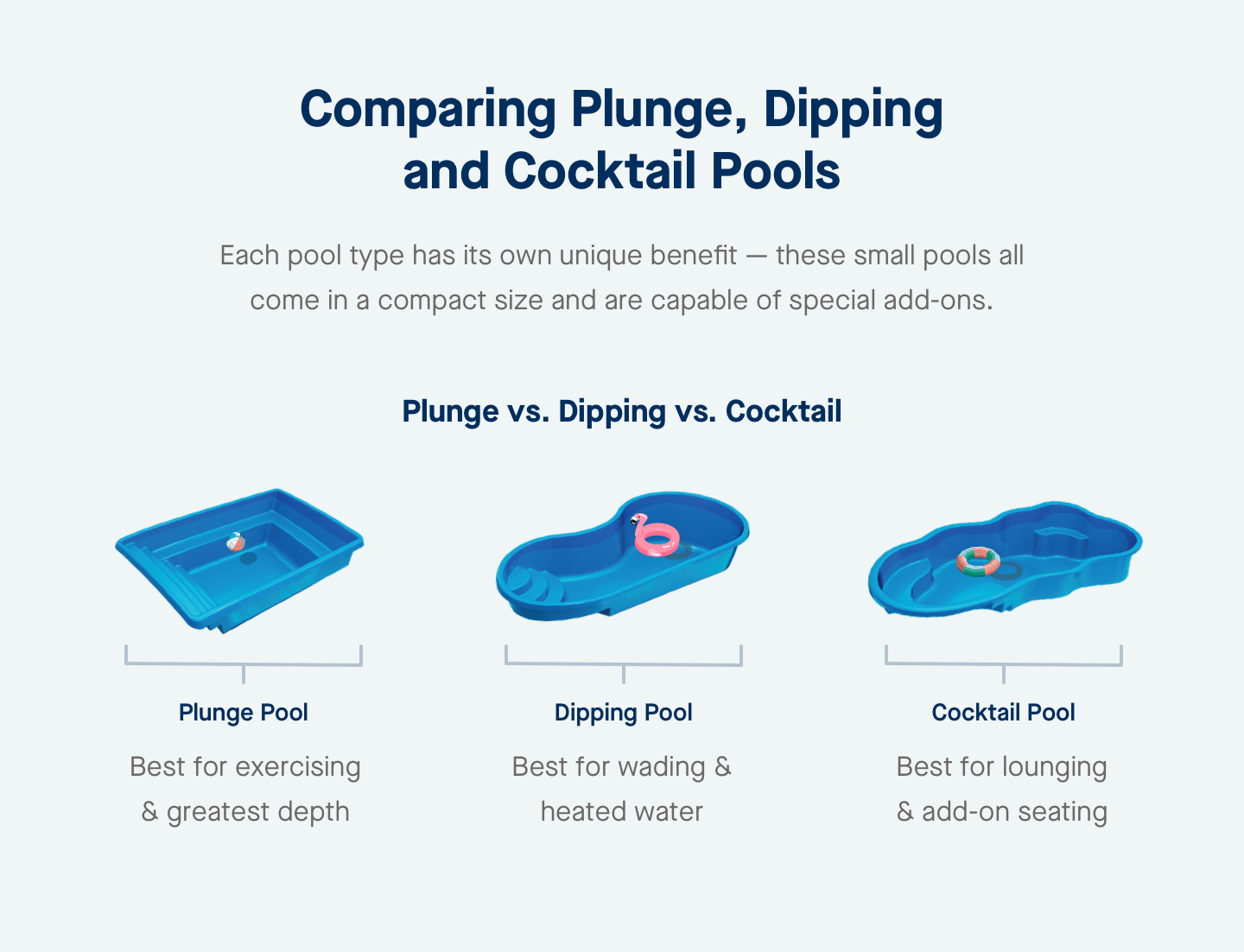
Credit: www.lathampool.com
Today's Exclusive Deals
Limited-time Exclusive Deals. Check current discount on Amazon.
Check Price on Amazon As an Amazon Associate I earn from qualifying purchases.Assessing The Size
When looking into adding a plunge pool to your home, knowing the right size matters. This section dives into what you can expect from the typical dimensions of a plunge pool.
Standard Dimensions
Plunge pools are known for their compact design. Most plunge pools measure between 4 to 7 meters in length and 2 to 3 meters in width. Depths can vary but typically range from 1.2 to 1.6 meters. These pools offer ample space for relaxation without needing a large area.
Comparing To Traditional Pools
A traditional swimming pool often measures over 8 meters in length. Plunge pools take up less space and require lower maintenance. Their modest size makes them a preferred choice in urban settings or smaller backyards.
Space Requirements
Before installation, assessing the available space is crucial. The ideal area should accommodate the pool with extra room for decking or landscaping. Ensure there is a buffer of at least 1 to 2 meters around the pool’s perimeter. This space is necessary for safe movement and pool maintenance.
| Pool Type | Length (meters) | Width (meters) | Depth (meters) |
|---|---|---|---|
| Plunge Pool | 4 – 7 | 2 – 3 | 1.2 – 1.6 |
| Traditional Pool | 8+ | 4+ | 1.8+ |
Design Considerations
When dreaming up the perfect plunge pool, size is just the tip of the iceberg. Design considerations play a critical role in ensuring the pool fits both your space and style. Let’s explore the options that will influence the final look and functionality of your cooling oasis.
Customization Options
You’re not stuck with a cookie-cutter pool design. Customization options for plunge pools are vast:
- Shapes: Choose from squares, rectangles, or even a tailored shape to fit your area.
- Seating: Built-in benches or steps can enhance comfort and accessibility.
- Depth: Opt for a uniform depth or a sloped floor for a more natural feel.
- Features: From jets for hydrotherapy to LED lighting, each feature adds personality.
In-ground Vs. Above-ground
The decision between in-ground and above-ground plunge pools affects more than just aesthetics:
| Pool Type | Advantages | Considerations |
|---|---|---|
| In-Ground | Sleek and blends with landscaping | Requires excavation and potential landscape changes |
| Above-Ground | More portable and often less expensive | Visible structure that may need aesthetic integration |
Material Choices
The materials you choose for your plunge pool impact its longevity and maintenance. Here are the most common options:
- Fiberglass: Durable, quick to install, and comes in pre-formed shapes.
- Concrete: Highly customizable but requires lengthy installation and more maintenance.
- Vinyl: A cost-effective option that offers a smooth surface and custom sizes.
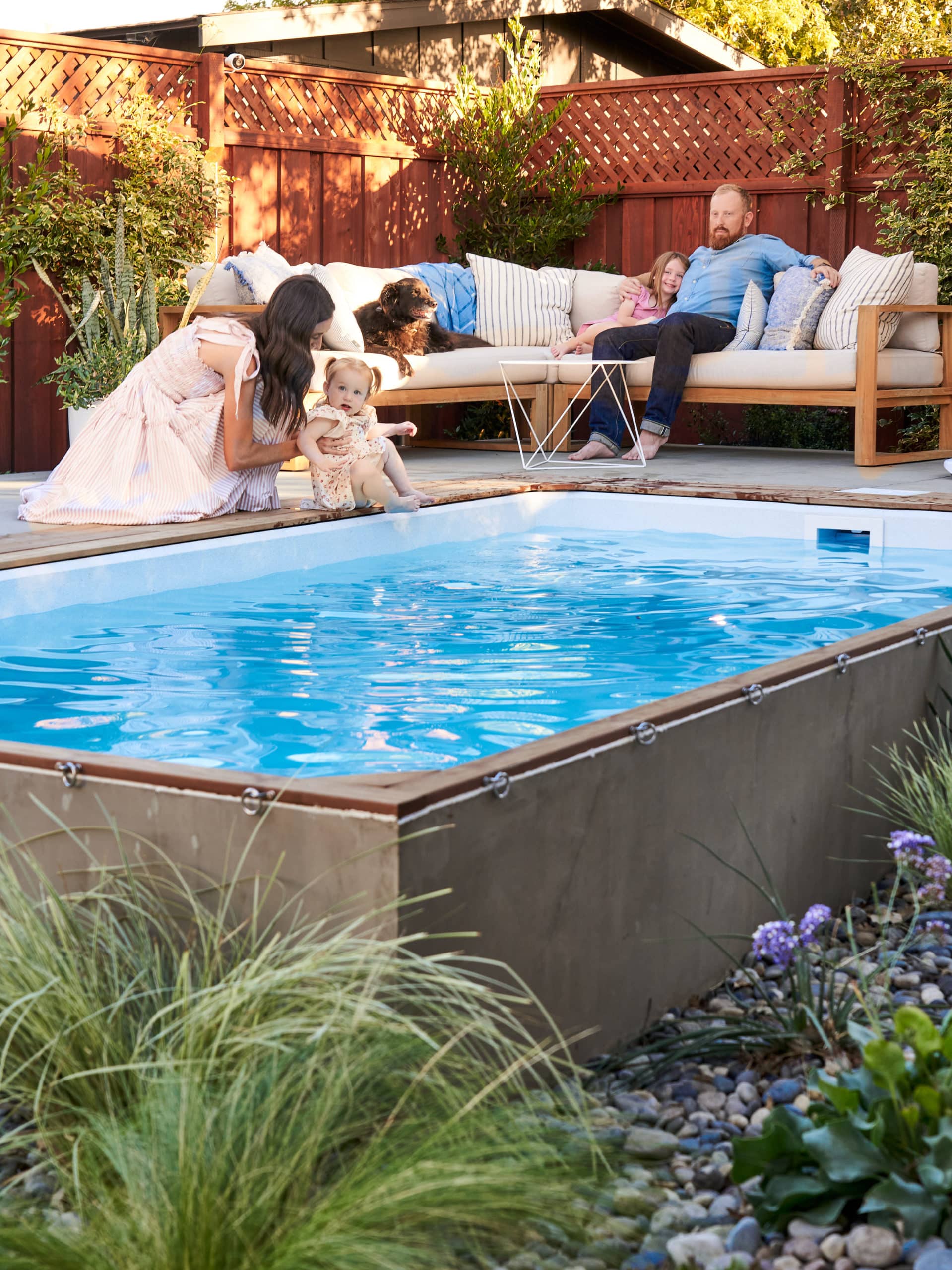
Credit: yardzen.com
Practical Advantages
Exploring the world of petite pools reveals practical advantages to adopting the plunge pool lifestyle. Compact in size, plunge pools deliver big on functionality and pleasure with attributes that cater to convenience and enjoyment. Let’s dive into these benefits.
Ease Of Maintenance
Plunge pools are a breeze to keep clean. Their smaller surface area means debris has fewer places to hide. Limited water volume simplifies chemical balancing. Time and effort saved are significant, making pool care a task anyone can manage.
Water Efficiency
- Less water needed to fill and refresh.
- Reduced evaporation compared to larger pools.
- Eco-friendly, lowering water bills and environmental impact.
Ideal For Small Spaces
Not every yard can entertain a full-sized pool. Plunge pools fit perfectly in smaller areas, turning tight corners into a personal oasis. Their versatility in design means maximizing limited outdoor space with style and function.
Installation Insights
Welcome to the ‘Installation Insights’ section, where we delve into the nitty-gritty of setting up your new plunge pool. Understanding the installation process is just as critical as knowing the ideal size for your space. This guide breaks down key aspects such as site preparation, cost factors, and the expected timeline to help streamline your plunge pool project. Let’s make a splash into these pivotal elements.
Site Preparation
Before your plunge pool makes waves, the site must be ready. Proper site preparation is crucial. It ensures a smooth installation. The following steps outline the general process:
- Select the location: Ensure enough space and access to plumbing.
- Ground assessment: This involves checking soil conditions and leveling the area.
- Secure permits: Get the necessary local approvals before starting.
Cost Factors
Several elements influence the cost of installing a plunge pool. The size and materials are top contributors. Here, we highlight primary cost-driving factors:
| Factor | Details | Impact on Cost |
|---|---|---|
| Size and Depth | Larger and deeper pools lead to higher costs | Significant |
| Materials | Concrete, fiberglass, or vinyl | Varies |
| Custom Features | Steps, seats, or jets | Moderate |
Timeline
Efficient planning paves the way for timely completion. The table below outlines the typical plunge pool installation timeline:
- Design & Permits: 2-3 weeks for custom designs and permit acquisition.
- Excavation: 1 week for digging and preparing the base.
- Construction: 2-4 weeks dependent on materials and complexity.
- Finishing: 1-2 weeks for tiling, decking, and final touches.
Total time: Generally, 6-12 weeks from start to finish.

Credit: rtaoutdoorliving.com
Enhancing Your Plunge Pool
Enhancing Your Plunge Pool goes beyond just its size. Exciting innovations and aesthetics can transform your pool area into a breathtaking oasis. These enhancements mix modern features with natural beauty for an unforgettable backyard experience.
Innovative Features
Imagine your plunge pool brimming with the latest innovations:
- Swim Jets for resistance swimming or a relaxing massage.
- Underwater Lighting to set the mood and extend pool use into the evening.
- Heating Systems allow for year-round enjoyment, no matter the weather.
Landscaping And Aesthetics
Expert landscaping elevates the plunge pool space:
- Lush Plantings integrate with your pool, creating a private sanctuary.
- Decorative Stones and Pebbles outline the pool area, adding texture and colour.
- Water Features like mini-waterfalls or fountains engage the senses.
Combine these elements for a plunge pool that is not just a water feature, but a centerpiece of your outdoor living space.
Frequently Asked Questions Of What Is The Typical Size Of A Plunge Pool?
What Is A Plunge Pool?
A plunge pool is a small, typically shallow pool designed for relaxation rather than swimming and exercise. Often found in backyards, they can be a stylish and convenient cooling-off spot.
How Big Is A Typical Plunge Pool?
Typical plunge pools range from 4m x 2m to 6m x 3m in size, allowing for personal relaxation and cozy social gatherings. Their compact sizes fit well in small outdoor spaces.
What Is The Average Depth Of A Plunge Pool?
The average depth of a plunge pool is usually around 1. 2 to 1. 6 meters. This depth makes them ideal for wading and taking a refreshing dip without too much space requirement.
Can Plunge Pools Include Seating Areas?
Yes, many plunge pools are designed with built-in seating areas. These allow for lounging in the water, adding comfort and functionality to the compact pool design.
Conclusion
Understanding plunge pool dimensions is essential for optimizing your backyard space. Typical plunge pools range from 4 to 7 meters in length and 2 to 3 meters in width. Remember, the perfect size for your needs balances leisure and practicality.
Dive into the planning stage with these measurements in mind to create your ideal oasis.

