
A cold plunge pool typically ranges from 50°F to 59°F (10°C to 15°C). Cold plunges provide a brisk and invigorating experience.
Cold plunge therapy, an activity growing in popularity among wellness enthusiasts, engages the body in a refreshing challenge with temperatures that can sharply differ from your average swimming pool. The frigid water is believed to offer numerous health benefits, including improved circulation, reduced muscle inflammation, and a boost in endorphins.
Today's Exclusive Deals
Limited-time Exclusive Deals. Check current discount on Amazon.
Check Price on Amazon As an Amazon Associate I earn from qualifying purchases.Incorporating a dip in a cold plunge can be a rejuvenating addition to your health and fitness routine, offering a quick and effective method to invigorate the body and sharpen the mind. Embracing the chill of a cold plunge might initially be a shock to the system, but it is becoming a favored practice for those looking to enhance their overall well-being.
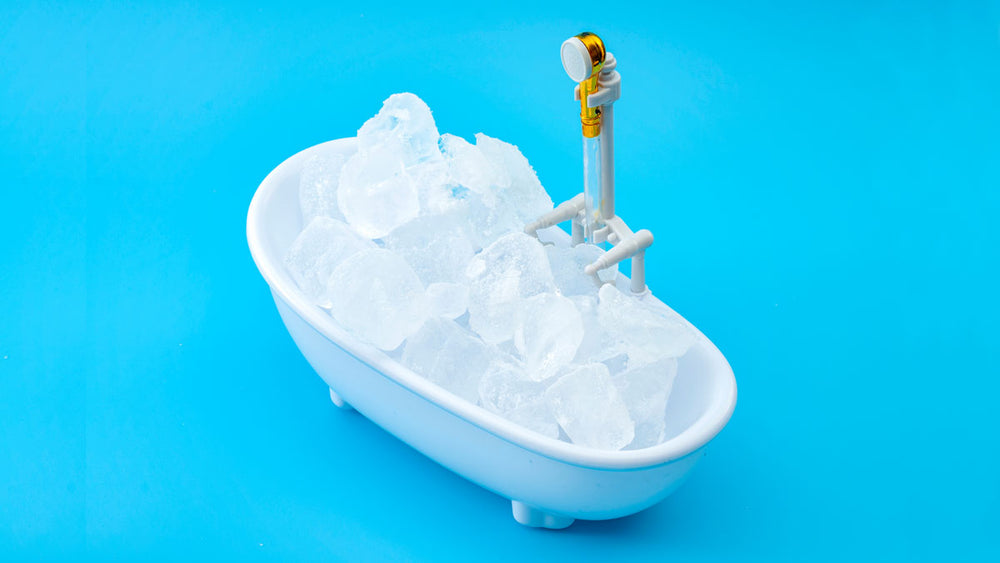
Credit: foodguides.com
The Science Behind Cold Plunges
The Science Behind Cold Plunges explores the chilly depths of this ancient and reinvigorated wellness trend. Cold plunges, essentially icy baths, have surged in popularity. These brisk waters promise invigorated senses and a host of health benefits. Let’s dive into the mechanics of this cool practice and what makes it so effective.
Temperature Ranges For An Effective Plunge
A proper cold plunge temperature sparks significant health perks. Establish the exact chill for your dip:
- Just Cool: 20°C (68°F) – Refreshing, mild effect
- Standard Cold: 15°C (59°F) – Common for cold therapy
- Ice Cold: < 10°C (50°F) – For the brave, intense response
Physiological Effects Of Cold Immersion
Submerging in cold water does wonders:
- Shock Response: Rapid breath, increased heart rate
- Metabolic Uptick: Body heats up, burning more calories
- Better Circulation: Blood vessels constrict then dilate
- Reduced Inflammation: Cold reduces swelling and soreness
- Endorphin Boost: The body’s natural feel-good chemicals spike
Temperature Talks
Ever wondered how cold a cold plunge really is? The chill of the water grips you, awakening every cell in your body. Let’s dive into the specifics of cold plunge temperatures and find out how cold is cold enough for those bracing, invigorating dips.
What Defines ‘cold’ In A Cold Plunge
A cold plunge pool, often found in spas or health clubs, isn’t just a pool with cool water. It’s a specific temperature-controlled experience. The term ‘cold’ can vary from person to person but in the context of a cold plunge, we’re talking about a very specific range.
- Below Body Temperature: Generally, any water temperature considerably lower than the body’s average temperature, which is about 98.6°F (37°C), is considered cold.
- Typical Cold Plunge Range: Most cold plunges fall between 50°F and 60°F (10°C and 15.6°C).
- Ice Baths: For a more intense experience, temperatures can dip as low as 32°F (0°C), where water is just above freezing.
Optimal Conditions For Maximum Benefits
To gain the full advantages of a cold plunge, it’s crucial to hit that sweet spot of temperature. Here’s what can be considered optimal:
| Temperature | Benefits |
|---|---|
| 57°F (14°C) | Stimulates blood flow, reduces inflammation |
| 54°F (12°C) | Enhances recovery, increases alertness |
Duration and frequency play crucial roles as well. The recommended plunge time can vary from a quick 30 seconds to up to five minutes, depending on individual tolerance and experience.
Cold Plunge Techniques
Embracing the icy embrace of a cold plunge rejuvenates the body and sharpens the mind. Navigating through cold plunge techniques ensures safety and maximizes benefits. This guide breaks down the process into manageable steps.
Preparing For The Chill
Before diving into icy waters, preparation is key. Begin with these steps to ensure a safe and effective cold plunge:
- Check with your doctor to make sure cold plunges are safe for you.
- Start with a warm shower to heat your body slightly.
- Dress for quick entry using a swimsuit that allows for fast immersion.
- Perform breathing exercises to calm the mind and steady your heart rate.
Duration And Frequency For Beginners
For those new to cold plunging, stick to short and infrequent sessions. Use this beginner’s timetable:
| Week | Duration (in seconds) | Frequency (times per week) |
|---|---|---|
| 1-2 | 15-30 | 1-2 |
| 3-4 | 30-60 | 2-3 |
| 5+ | Up to 90 | 3-4 |
Listen to your body and increase duration and frequency slowly. Always prioritize personal comfort and safety.

Credit: coldplungefacts.com
Exploring The Benefits
Cold plunges shock your system with temperatures around 10°C (50°F) to 15°C (59°F). This icy adventure is more than just a brave encounter with freezing water. It’s bursting with health perks ready for the taking. Let’s dive into why taking the chilly dive is worth considering.
Boosting Circulation And Immunity
Embracing the chill of a cold plunge turns up your body’s heater. Circulation takes a leap, driving blood to your organs. This enhances the supply of nutrients and oxygen throughout your body. In short, cold plunges can:
- Fire up your blood flow
- Rally white blood cells
- Fortify your body’s natural defenses
A robust circulatory response may mean getting sick less. Your immunity takes charge, fighting intruders with might inspired by the cold.
Mental Clarity And Stress Relief
The shock from a cold plunge does more for the mind than one might think. Here’s what this icy dip means for your mental state:
- Cuts through the mental fog
- Decreases stress levels
- Boosts mood with a burst of endorphins
Freezing water pushes the stress button. This triggers a flood of feel-good hormones. Suddenly, clarity takes the stage, stress exits, and you’re left feeling recharged.
The Chill Factor
The term cold plunge might send shivers down your spine, but what exactly does it entail? Imagine immersing yourself in water so cold it makes your heartbeat race. We’re talking temperatures between 50-59°F (10-15°C), cold enough to initiate the body’s natural shock response.
Real Stories And Testimonials
Individuals who swear by the power of cold plunges share their experiences:
- Increased energy levels
- Enhanced mood
- Improved sleep quality
“After my first plunge, I felt alive and refreshed,” says Emily R.
“It was intense, but now I can’t start my day without it,” declares John S.
Safety Precautions And Warnings
Before taking the icy dive, it’s essential to recognize the risks. Always consider the following:
- Consult a medical professional, especially with pre-existing conditions.
- Start gradually, adjusting to the cold over time.
- Avoid cold plunges when feeling unwell or after intensive workouts.
Take care to ensure a safe and beneficial cold plunge experience.

Credit: www.fastacservice.com
Frequently Asked Questions Of How Cold Is A Cold Plunge
What Temperature Defines A Cold Plunge?
A cold plunge is typically defined by water temperatures between 10°C to 15°C (50°F to 59°F). This range can effectively stimulate the body’s cold shock response.
How Long Should You Stay In A Cold Plunge?
For beginners, a duration of 1 to 3 minutes is recommended. With experience, individuals may extend their time up to 10 minutes. Always listen to your body’s signals to avoid risks.
What Are The Benefits Of A Cold Plunge?
Cold plunges can improve circulation, reduce muscle inflammation, and enhance recovery after exercise. They may also boost mental clarity and the body’s immune response.
Can Cold Plunges Aid Weight Loss?
Cold plunges may indirectly aid weight loss by enhancing metabolism. The body works harder to generate heat, which can increase caloric burn slightly over time.
Conclusion
Embracing the chill of a cold plunge might take courage, yet its invigorating rewards are undeniable. Typically ranging from 10°C to 15°C, this chilly practice revitalizes both body and mind. As we’ve explored, the temperature is brisk but bearable, promising a refreshing experience.
So, why not dive into the icy embrace and feel the exhilarating benefits for yourself?