Why Do Ice Hockey Players Fight During Games?
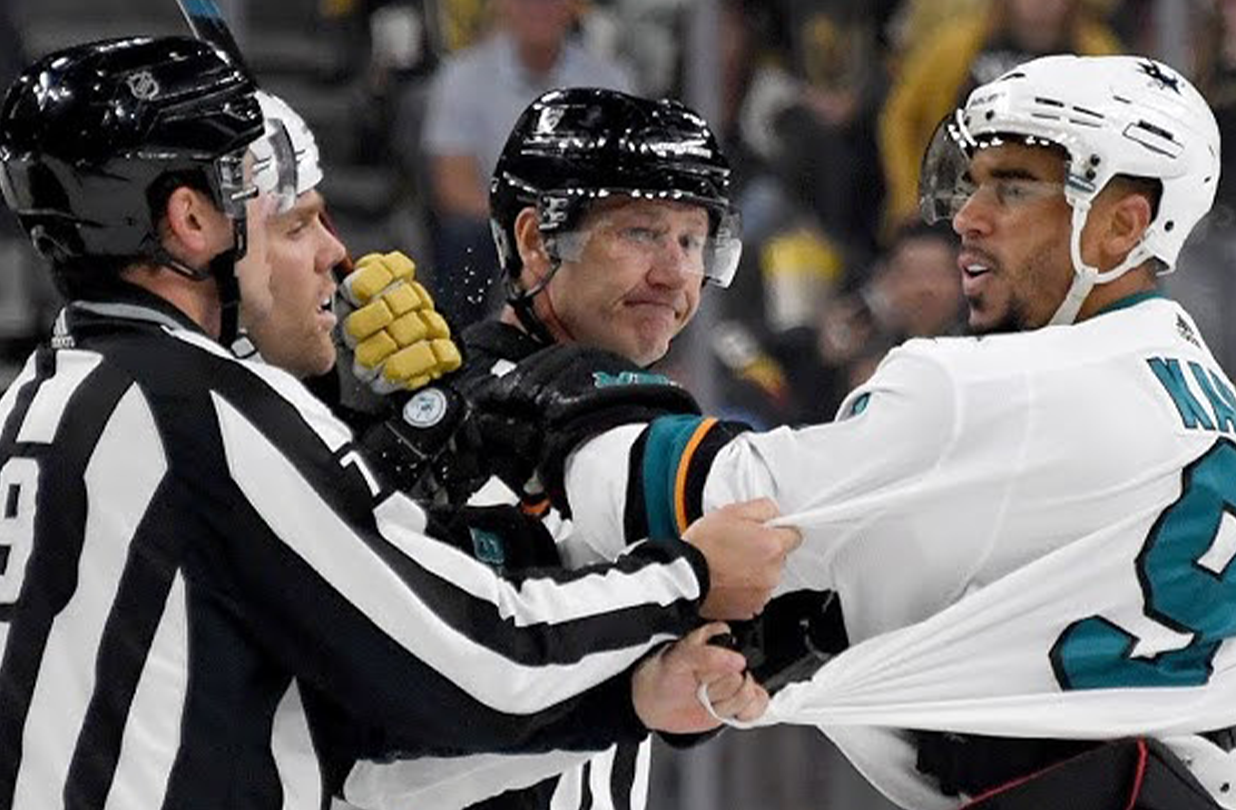
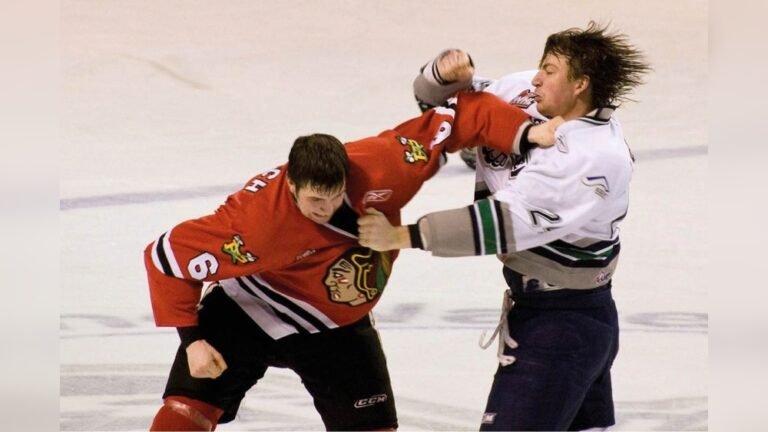
Ice hockey is a fast, physical sport that often surprises new fans with one thing: fighting. If you turn on a professional hockey game, especially in the NHL, you might see two players suddenly drop their gloves and start throwing punches. For people new to the sport, this looks wild or even confusing. Why would a sport allow fighting on purpose? The answer is not simple. It’s a mix of tradition, strategy, emotion, and rules. Let’s explore why ice hockey players fight during games and what it means for the sport.
The Roots Of Fighting In Ice Hockey
Hockey fighting is not new. It has been part of the game since the early days in Canada. Back then, there were few officials on the ice, so players often handled problems themselves. Over time, fighting became a way to settle disputes or protect teammates.
Unlike most sports, hockey made a place for fighting in its culture.
Today, fighting is less common than before, but it still happens. In the 1987-88 NHL season, there were over 1 fight every 2 games. In the 2022-23 season, the rate dropped to about 1 fight every 4 games. Even with this drop, fighting remains a unique and talked-about part of hockey.
Reasons Why Hockey Players Fight
Hockey fights do not happen by accident. Most fights have clear reasons behind them. Here are the main factors that lead to fighting in a game:
1. Protecting Teammates
If a star player or goalie is hit hard or unfairly, a teammate may step in to defend them. The enforcer, a type of player known for toughness, often does this job. The message is simple: if you target our best player, you will have to answer for it.
2. Changing The Game’s Momentum
Sometimes a team is losing energy or falling behind. A well-timed fight can wake up the team and the crowd. Coaches and players believe that fighting can bring passion back to their side. This is called a momentum shift.
3. Retaliation For Dirty Play
If one team feels that the other has crossed the line—by slashing, checking from behind, or another dirty play—a fight might follow. This is a warning not to repeat the behavior.
4. Sending A Message
Fighting can also be about respect. If a team feels bullied or pushed around, they might fight to show they will not back down. It tells the opponent they are ready to stand up for themselves.
5. Personal Rivalries
Sometimes, fights are personal. Players remember past games and grudges. If two players have a history, a fight can be their way to settle it.
6. Enforcing The Unwritten Rules
Hockey has many unwritten rules. For example, you do not try to injure a player when the game is almost over. If someone breaks these hidden codes, fighting is one way to enforce respect.
The Role Of The Enforcer
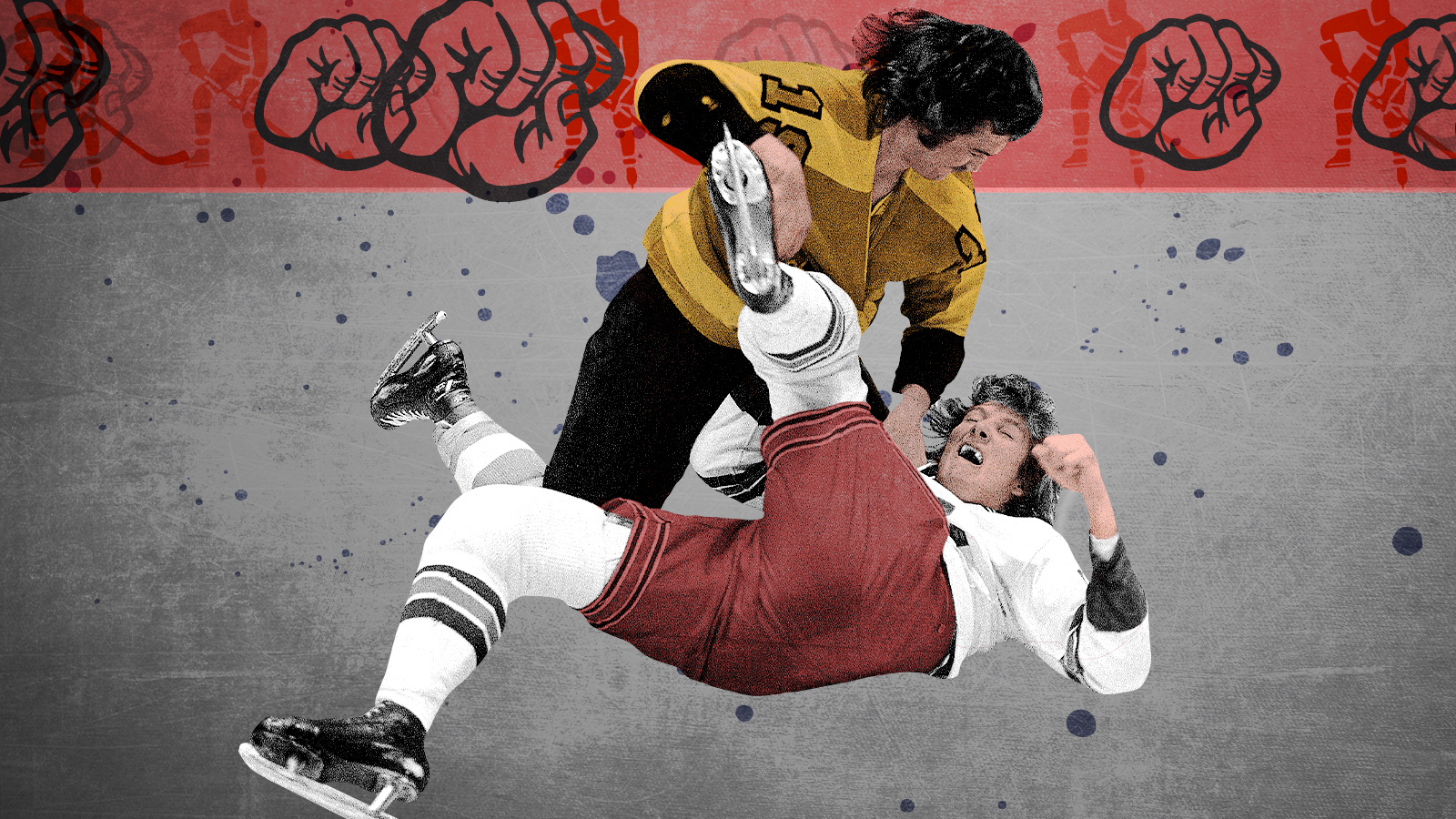
For decades, most teams had a player whose job was to fight and protect. This was the enforcer or “goon.” Their main skill was toughness, not scoring goals. While the NHL now focuses more on skill and speed, some players still fill this role.
Enforcer Vs. Skill Player Comparison
Below is a look at how enforcers differ from pure skill players:
| Aspect | Enforcer | Skill Player |
|---|---|---|
| Main Role | Protect teammates, fight | Score, create plays |
| Average Ice Time | 6-8 minutes/game | 15-22 minutes/game |
| Penalty Minutes | High | Low |
Rules About Fighting
Unlike most sports, hockey does not eject players for fighting. Instead, referees give a five-minute major penalty to each fighter. Both players sit out for five minutes, then return to the game.
How Fights Are Handled By Officials
- Fights must be “fair.” Players drop gloves and helmets and square off.
- Linesmen step in once one player falls or the fight loses energy.
- If a player starts a fight with a stick or attacks from behind, harsher penalties follow.
- Repeat offenders can face suspensions.
This system controls fighting but does not remove it completely.

Is Fighting Good Or Bad For Hockey?
This is a hot debate. Some believe fighting protects stars and keeps the game honest. Others say it is dangerous and gives hockey a bad image.
Benefits
- Self-policing: Players solve problems themselves, which can prevent worse injuries.
- Entertainment: Many fans enjoy the excitement of a fight.
- Team Unity: Fights can bring teams together.
Drawbacks
- Safety Risks: Punches can cause concussions and injuries.
- Bad Image: Sponsors and parents worry about violence in youth hockey.
- Not Needed: Other sports stay physical without fights.
How Often Do Fights Happen?
The number of fights has dropped in recent years. Let’s compare two NHL seasons:
| Season | Games Played | Total Fights | Fights per Game |
|---|---|---|---|
| 1987-88 | 840 | 1,104 | 1.31 |
| 2022-23 | 1,312 | 374 | 0.29 |
Most experts agree that as the sport gets faster and more skilled, fighting will keep going down.
Cultural Differences In Attitudes Toward Fighting
Fighting in hockey is most accepted in North America. In European leagues, there are stricter rules. A player who fights might be thrown out or even banned for several games.
| League | Fighting Allowed? | Penalty |
|---|---|---|
| NHL (North America) | Yes | 5-minute major |
| Swedish Hockey League | No | Ejection and suspension |
| KHL (Russia) | Rarely | Game misconduct |
This difference is why you see more fights in the NHL than in international tournaments.
What Beginners Often Miss About Hockey Fights
Many new fans think fights are just about anger or violence. But experienced viewers know there’s more:
- Most fights are planned: Players often agree to fight before the puck drops.
- Fighting can protect smaller players: If fighting is removed, some worry that dirty hits will rise because there’s less fear of payback.
Understanding these points helps you see fighting as part of the sport’s strategy and culture, not just random brawling.
The Future Of Fighting In Hockey
As data and health studies grow, the NHL and other leagues are under pressure to reduce fighting further. With more focus on skill, speed, and player safety, fighting may keep dropping each year. Still, as long as hockey values toughness, some fighting will likely remain.
For more about hockey’s rules and history, visit the official Ice Hockey Wikipedia page.
Frequently Asked Questions
Why Do Referees Allow Fighting In Hockey?
Referees allow fighting because it is a long tradition in the sport. The rules give a penalty but do not eject players, so it remains part of the game.
Do Players Get Hurt During Hockey Fights?
Yes, injuries can happen. Players can get cuts, bruises, or even concussions. Most fights end quickly, but some cause serious harm.
Are Fights Staged Or Real?
Most fights are real, but sometimes players plan them as a way to fire up their teams. Even “staged” fights can get heated.
Is Fighting Allowed In Youth Hockey?
No, fighting is banned at youth and amateur levels. Leagues want to protect young players and teach skills instead of fighting.
Will Fighting Ever Be Banned In The Nhl?
It’s possible. Many experts believe fighting will become less common as rules change and safety becomes more important, but for now, it is still part of NHL culture.
Ice hockey fighting is both a tradition and a topic of debate. It is shaped by strategy, respect, and culture, not just anger. Understanding the reasons behind it helps you see why the sport is so unique.