
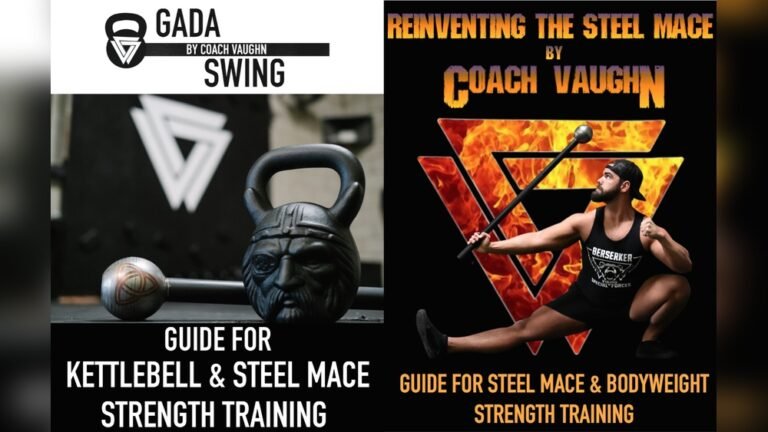
Choosing the right weight macebell can make all the difference in your workouts. If you pick one that’s too heavy, you risk injury or frustration.
Too light, and you won’t see the progress you want. So, how do you know what weight to start with? This guide will help you find the perfect macebell for your strength and goals, making every swing count. Keep reading to discover the simple steps that will set you up for success from day one.

Benefits Of Macebell Training
Macebell training offers many benefits for your body and fitness. It uses a unique tool that combines strength and movement. This type of exercise challenges muscles in new ways. It also helps improve your balance and control.
Many people find macebell workouts fun and different from regular weight training. The flowing movements add variety and keep your routine interesting. Let’s explore some key benefits of macebell training.
Improves Strength And Mobility
Macebell exercises build strength in your arms, shoulders, and back. The swinging motion works muscles in ways that lifting weights does not. This helps increase muscle power and endurance.
At the same time, macebell training improves joint mobility. Your shoulders and wrists move through a full range of motion. This keeps joints flexible and reduces stiffness.
Enhances Grip And Core Stability
Holding and swinging the macebell strengthens your grip. A strong grip supports many daily tasks and sports activities. It also prevents hand fatigue during workouts.
The uneven weight of the macebell forces your core to stay tight. This builds better core stability and balance. A stable core protects your spine and improves posture.
Boosts Functional Fitness
Macebell training mimics real-life movements like swinging and twisting. These motions improve your ability to perform everyday activities. It makes tasks like lifting, reaching, and bending easier.
This type of training also enhances coordination and body control. Your muscles learn to work together smoothly. Functional fitness helps reduce the risk of injury.
Factors To Consider When Choosing Weight
Choosing the right weight for your macebell is important for safe and effective workouts. The right weight helps build strength without causing injury. Several factors affect which weight fits you best. Understanding these factors guides you to the proper starting point.
Current Fitness Level
Your current fitness level shows how strong your muscles are. If you exercise regularly, you might handle heavier weights. Beginners should start light to avoid strain. Starting too heavy can cause fatigue and poor form.
Experience With Weight Training
Experience with weights changes your ability to use a macebell. People who lift weights often can manage more weight. Beginners need to learn proper technique first. Using a lighter macebell helps build good habits and control.
Physical Limitations And Injuries
Injuries and body limits affect your choice of weight. Joint pain or muscle weakness means using a lighter weight. Avoid weights that cause discomfort. Protecting your body helps you stay active longer.
Common Macebell Weights For Beginners
Choosing the right macebell weight is important for beginners. The right weight helps build strength safely and improves technique. Starting with a suitable macebell prevents injuries and boosts confidence.
Common macebell weights for beginners vary. They depend on age, fitness level, and training goals. Below are typical weight options to consider before buying.
Lightweight Options
Light macebells usually weigh between 2 to 5 pounds. These are perfect for beginners who want to learn basic moves. Lightweights allow easy control and better form. They help build wrist and shoulder strength gently. Many beginners start with a 3-pound macebell for practice.
Moderate Weight Choices
Moderate macebells range from 6 to 10 pounds. These work well for people with some fitness experience. They offer more resistance and help develop muscle endurance. A 7 or 8-pound macebell suits many beginners ready to increase challenge. Moderate weights improve coordination and power safely.
Avoiding Overly Heavy Maces
Heavy macebells weigh over 10 pounds. Beginners should avoid these at first. Heavy weights can cause poor form and injuries. They make it hard to control swings and movements. Start light or moderate to learn skills well. Gradually increase weight after mastering technique and strength.
How To Test Your Starting Weight
Choosing the right weight for your macebell is key to a safe and effective workout. Testing your starting weight helps you avoid injury and build strength steadily. Begin with a weight you can handle comfortably but that still challenges you.
Performing Basic Swings
Start with basic macebell swings to feel the weight. Hold the macebell at the handle’s end with both hands. Swing it in a controlled arc around your head and down in front of you. Focus on smooth, steady movements. Try 10 to 15 swings to get a good sense of the weight.
Assessing Comfort And Control
Pay attention to how your body feels during swings. The weight should feel manageable, not too heavy or too light. You should keep good control without straining your wrists or shoulders. If you feel pain or excessive fatigue, the weight is too heavy. If the swing feels effortless, consider a heavier macebell.
Adjusting Based On Feedback
Use your comfort and control as guides to adjust the weight. Drop to a lighter macebell if you struggle to maintain form. Move up in weight if the swings feel easy and stable. Always prioritize proper technique over lifting heavier weights. Gradual progression helps build strength safely over time.
Progressing With Your Macebell
Progressing with your macebell is key to building strength and skill. Start with a comfortable weight to learn proper form. Gradually increasing the weight helps avoid injury and boosts your fitness. Progression keeps workouts challenging and interesting.
Understanding when to increase weight and how to add variety improves your training. This approach supports steady improvement and keeps you motivated.
When To Increase Weight
Increase weight when exercises feel easy and your form stays strong. If you can do more than 12 reps without strain, it’s time. Adding weight slowly reduces injury risk. Small jumps in weight help your body adjust better.
Signs You’re Ready To Move Up
You feel little muscle fatigue after workouts. Your movements stay smooth and controlled. Recovery time shortens, and you gain confidence. Strength grows without pain or discomfort. These signs show readiness to try a heavier macebell.
Incorporating Variety In Training
Use different exercises and grips to target muscles. Change tempo and rest periods to challenge yourself. Mix light and heavy days for balance. Variety prevents boredom and improves overall strength. It also helps you master the macebell better.

Safety Tips For Beginners
Starting with a macebell is exciting but safety must come first. Beginners should follow simple rules to avoid injuries and build strength safely. These tips help create good habits and protect your body during workouts.
Proper Warm-up Techniques
Warming up prepares your muscles and joints for exercise. Start with light cardio like walking or jogging for 5 minutes. Add dynamic stretches such as arm circles and torso twists. This increases blood flow and reduces stiffness. A good warm-up lowers injury risk and improves your workout performance.
Maintaining Good Form
Good form is key to safe macebell training. Keep your back straight and core tight. Use controlled movements, not fast or jerky actions. Hold the macebell firmly but not too tight. Watch your wrist and elbow positions closely. Correct form protects joints and helps you gain strength faster.
Avoiding Common Injuries
Common injuries include strains, sprains, and bruises. Do not lift a macebell that feels too heavy. Rest between sets to avoid overuse. Listen to your body and stop if you feel sharp pain. Gradually increase weight and intensity to build endurance safely. Proper care helps prevent setbacks and keeps you training strong.
Recommended Macebell Brands And Models
Choosing the right macebell brand and model makes a big difference in your training. The right macebell feels balanced and comfortable. It helps you build strength safely and effectively. Some brands focus on quality while others offer good value. Knowing popular options helps you pick the best tool for your needs.
Budget-friendly Picks
For beginners, budget-friendly macebells offer good quality at a lower price. Brands like Onnit and Titan Fitness provide solid options. These macebells are durable and well-balanced. They come in different weights to match your skill level. Perfect for those starting out without spending too much.
Premium Quality Options
Premium macebells offer better materials and design. Rogue Fitness and Onnit’s high-end models are popular. They use steel or cast iron for strength and longevity. These macebells have smooth handles and balanced weights. They provide a great feel for serious trainees. Ideal for those ready to invest more in their training.
Where To Buy
Many online stores sell macebells. Amazon and Rogue Fitness websites have wide selections. Local sports or fitness shops might carry some brands too. Buying from official brand sites ensures authenticity. Look for return policies and customer reviews before purchasing. This helps you get the best macebell for your training.

Frequently Asked Questions
What Weight Macebell Is Best For Beginners?
A 5 to 10-pound macebell is ideal for beginners. It offers control, helps build technique, and reduces injury risk.
How To Choose The Right Macebell Weight?
Select a weight challenging yet manageable. Consider your strength, fitness level, and training goals before deciding.
Can Women Use The Same Macebell Weight As Men?
Women often start lighter, around 5 to 8 pounds. Men typically start between 10 to 15 pounds for safety.
Is Heavier Macebell Better For Faster Progress?
Not always. Starting too heavy risks injury and poor form. Progress gradually for steady strength and skill gains.
Conclusion
Starting with the right macebell weight helps you train safely and well. Choose a lighter weight if you are new or unsure. This allows your muscles to grow stronger without strain. As you get better, you can increase the weight slowly.
Remember, steady progress beats rushing and risking injury. Listen to your body and rest when needed. Enjoy your workouts and stay consistent. This way, you build strength and skill over time. Keep your goals clear and training fun. Success comes step by step.
